


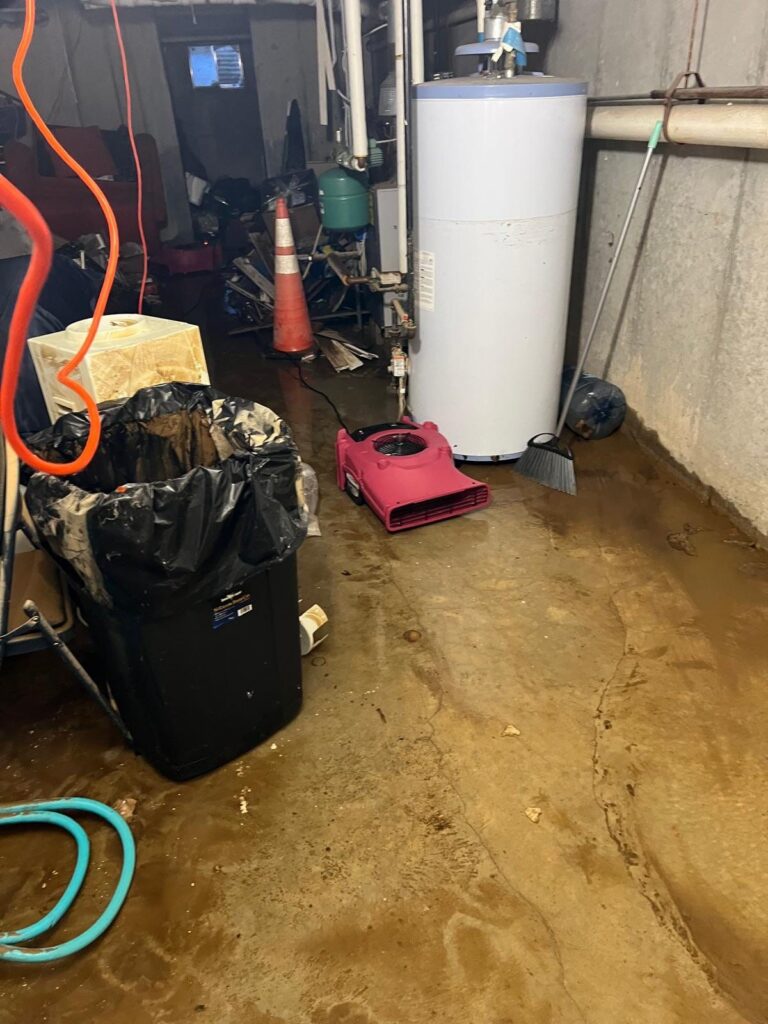
Water damage moves fast. From the moment a pipe bursts, an appliance fails, a roof gives way, or a storm pushes water through your foundation, the clock starts running on a cascade of consequences that compound by the hour. Structural materials absorb moisture and begin to swell. Mold begins developing on wet surfaces within 24 to 48 hours. Personal belongings that could have been saved deteriorate beyond recovery. Secondary damage that a prompt response would have prevented adds thousands of dollars to a restoration project that could have been far more contained.
For Nassau County and Long Island homeowners, knowing exactly what to do in the first minutes and hours after water damage is one of the most valuable pieces of emergency preparedness knowledge you can have. The decisions made in that window do not just affect the physical outcome of the damage. They affect your insurance claim, the speed of your recovery, and the total cost of restoring your home.
At PuroClean of Baldwin, we respond to water damage emergencies across Long Island every week. We have seen what rapid, informed action looks like and what delayed or misinformed action costs. This guide gives you the clear, prioritized, step-by-step action plan that every Long Island homeowner should have ready before they need it.
Why the First Hour After Water Damage Is the Most Important
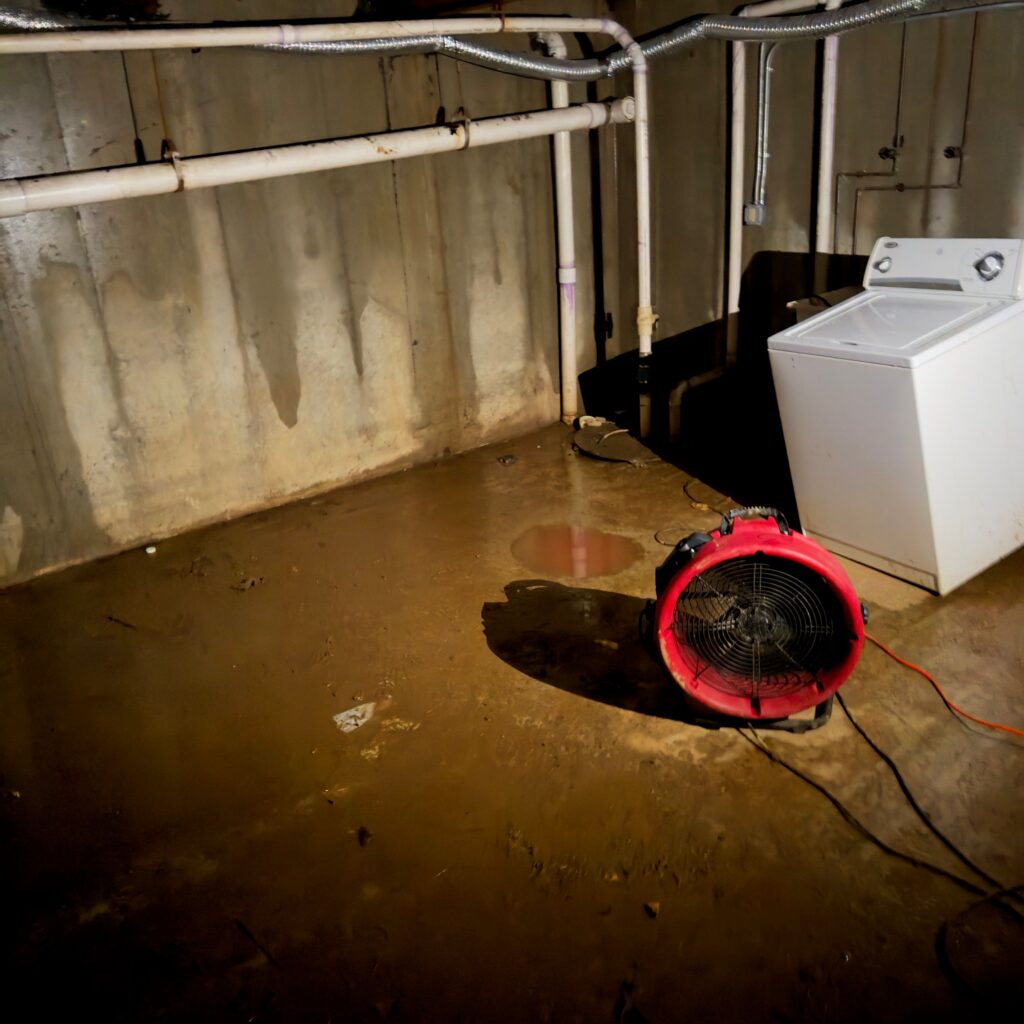
Water damage does not wait for you to figure out what to do. Every minute that passes after a water intrusion event is a minute during which water is migrating further into structural materials, soaking deeper into flooring and subfloor assemblies, wicking up drywall from the base, and saturating insulation inside wall cavities that will be difficult and expensive to access and dry later.
The restoration industry classifies the progression of water damage in time categories precisely because the urgency is real. Within the first hour, water damage is most contained and most treatable. Within the first 24 hours, porous materials have absorbed significant moisture and drying timelines begin to extend meaningfully. Beyond 48 hours, mold growth is likely on any wet organic material, and the scope of what must be demolished and replaced rather than dried and restored grows substantially.
For Long Island homeowners specifically, the stakes are elevated by the region’s coastal humidity. The ambient moisture in Nassau County’s air, particularly during summer months, extends the drying challenge and accelerates mold development compared to drier climates. This makes rapid professional response even more important here than in many other parts of the country.
The Immediate Action Plan: What to Do in the First 60 Minutes
Step 1: Ensure Personal Safety Before Everything Else
Before you touch anything, take a few seconds to assess safety. Water and electricity are a lethal combination. If water has reached the level of electrical outlets, has submerged appliances, or if you have any reason to suspect that electrical systems in the affected area have been compromised, do not enter the space. Locate your home’s main electrical panel and turn off power to the affected area or to the entire home if you are uncertain which circuits are involved.
If water intrusion is associated with structural damage, such as a ceiling that has collapsed or a wall that has shifted, assess structural stability before entering. Standing water that may contain sewage is a biohazard. If you smell sewage or the water source is a drain or toilet backup, treat the water as contaminated and avoid contact without protective equipment.
Step 2: Stop the Water Source Immediately
Every second that water continues to flow adds to the scope of your damage and your restoration cost. Identify and stop the source as quickly as possible.
For plumbing failures, locate the shutoff valve for the affected fixture or appliance and close it. If you cannot isolate the source, shut off the main water supply to the entire home. Every Long Island homeowner should know where their main water shutoff is located before an emergency. In Nassau County homes, the main shutoff is typically located in the basement near where the water service enters the home, in the crawl space, or at the water meter near the street.
For roof leaks and storm-driven water intrusion, stopping the source may not be immediately possible. In that case, move to protecting the interior from further spread rather than waiting for the source to stop.
Step 3: Document Everything Before You Touch It
This step feels counterintuitive when water is spreading across your floor. Do it anyway. The photographic and video documentation you create in the first minutes after water damage is discovered is the single most valuable asset you have for your insurance claim. Take photographs and video of every affected area, the apparent source, the extent of water spread, and every damaged item in place before anything is moved, removed, or cleaned.
Walk through every room, narrate what you are seeing in a video walkthrough, capture wide-angle shots that establish context and close-up detail shots of specific damage, and photograph any obvious indicators of the source such as the failed appliance, burst pipe location, or roof penetration. This documentation is far more persuasive to an insurance adjuster than your description of what you saw after the fact.
Step 4: Call PuroClean of Baldwin
Call a professional water damage restoration team before you call your insurance company. This sequence matters for two reasons. First, professional water extraction and structural drying equipment must be deployed as quickly as possible to limit damage and prevent mold. Second, having a professional on-site before or concurrent with your insurance adjuster’s visit provides independent professional documentation of the damage that supports your claim.
PuroClean of Baldwin responds to water damage emergencies throughout Nassau County and Long Island 24 hours a day, 7 days a week. Our team can have industrial-grade extraction equipment on-site within one to two hours of your call for most Long Island locations.
Step 5: Call Your Insurance Company
Notify your insurance carrier and open a claim. Have your policy number, the date and time you discovered the damage, the apparent source, and your contact information available. Be factual and measured in your initial report. Describe what you observed without speculating about causes or estimating values.
Ask your carrier about Additional Living Expenses coverage immediately if the water damage has made any portion of your home uninhabitable. ALE coverage reimburses temporary housing, meals, and increased living costs while your home is being restored. Begin tracking these expenses from the first day of displacement.
Step 6: Begin Basic Mitigation if It Is Safe to Do So
While waiting for the PuroClean team to arrive, you can take several safe mitigation steps that limit additional damage without requiring professional equipment. Remove small, portable rugs and take them outside to dry. Move furniture off wet floors and onto dry surfaces or place aluminum foil under furniture legs to prevent staining. Move valuables, electronics, and important documents away from the wet area. Open interior doors to improve air circulation. If outdoor conditions are dry and less humid than the interior, open windows to increase ventilation.
Do not use a standard household vacuum to remove water. Standard vacuums are not rated for liquid extraction and create electrical shock risk. Do not use fans to dry a space that may have mold, as fans can distribute spores to unaffected areas. Do not attempt to pull up carpet and pad to accelerate drying unless specifically directed to do so by your restoration team, as improper handling can spread contamination.
The Next 24 Hours: What Happens After the Professionals Arrive
Understanding what professional water damage response looks like after the immediate emergency helps Nassau County homeowners know what to expect and evaluate whether the work being done at their home meets professional standards.
Water Extraction
The first priority when PuroClean of Baldwin arrives is removing all standing water using truck-mounted and portable extraction equipment. Commercial water extractors remove water from structural materials at rates that consumer wet-dry vacuums cannot approach. Carpet and pad water extraction requires weighted extraction tools that draw moisture from deep within the fiber layers, not just the surface.
Moisture Mapping
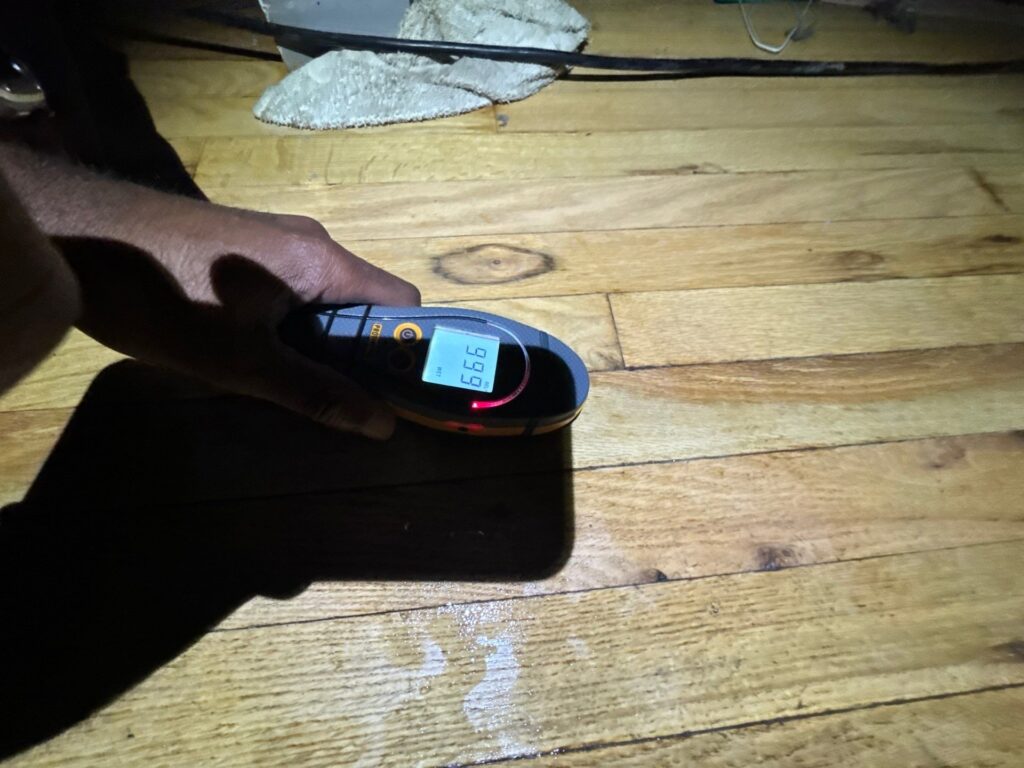
After standing water is removed, thermal infrared cameras and digital moisture meters map the full extent of water penetration throughout the affected area and surrounding spaces. This step consistently reveals moisture in locations that are not visually obvious, including inside wall cavities, under hardwood flooring, within cabinet assemblies, and in ceiling spaces above the water source. Moisture mapping determines the true scope of the drying project and prevents the incomplete drying that leads to mold weeks after a project appears finished.
Category and Class Assessment
Water damage is classified by the IICRC into categories based on the contamination level of the water and classes based on the severity of evaporation load. Category 1 is clean water from a supply line or appliance. Category 2 is gray water with some contamination from appliances or overflow. Category 3 is black water with significant contamination from sewage, flooding, or other highly contaminated sources.
The category determines the safety protocols and disposal requirements for the restoration team and the extent of material removal required. Category 3 water contamination requires removal of all porous materials that were in contact with the water, including drywall, insulation, carpet, and subfloor materials. This is why sewage backup events are so significantly more extensive and costly than clean water pipe failures.
Drying Equipment Deployment and Monitoring
Industrial dehumidifiers and high-velocity air movers are strategically placed throughout the drying zone based on the moisture map findings. The placement pattern is designed to create specific air movement across wet surfaces and to drive moisture out of structural materials and into the air where the dehumidifiers can capture it.
Drying is not a set-it-and-forget-it process. Moisture readings are taken daily at documented locations throughout the drying zone. Equipment placement is adjusted as materials dry and air movement patterns change. The project is not complete until all materials reach target moisture levels established by the IICRC S500 standard for water damage restoration.
What Not to Do After Water Damage: Common Mistakes That Cost Nassau County Homeowners
| Common Mistake | Why It Matters and What to Do Instead |
| Waiting to call a professional | Every hour increases mold risk and restoration scope. Call PuroClean of Baldwin immediately. |
| Using a household fan on wet areas | Fans spread mold spores to unaffected areas. Use professional drying equipment only. |
| Running the HVAC system | HVAC distributes contaminated air and moisture throughout the home. Shut it off until assessed. |
| Discarding damaged items before documentation | Photograph everything in place before removing anything. Undocumented losses cannot be claimed. |
| Pulling up flooring before moisture mapping | Improper removal can spread contamination and damage materials that could have been dried in place. |
| Painting or sealing over water-stained surfaces | Surface cosmetics hide ongoing moisture damage. Address the source and dry properly first. |
| Assuming the damage is dry because surfaces feel dry | Structural materials can feel dry on the surface while holding dangerous moisture levels inside. |
| Delaying the insurance notification | Most policies require prompt reporting. Delays can complicate coverage and give insurers grounds to dispute. |
| Accepting a verbal scope from your restoration contractor | Demand a written, itemized scope of work before any work is authorized. |
| Skipping the moisture mapping step | Incomplete moisture assessment leads to incomplete drying and mold weeks after the project ends. |
Avoiding these mistakes is not complicated. It simply requires knowing them in advance, which is the purpose of this guide.
Water Damage Categories: How the Type of Water Affects Your Response
Not all water damage is the same, and the type of water involved changes the response protocol significantly. Nassau County homeowners face all three categories of water damage depending on the source of intrusion:
Category 1: Clean Water
Clean water from supply line breaks, appliance malfunctions, or rainfall through an intact roof is the most straightforward to address. It does not carry infectious risk and materials that become wet can often be dried in place if treated promptly. The primary risk from Category 1 water is secondary damage from delayed response: structural deterioration, mold growth, and the escalation to Category 2 as the clean water picks up contaminants from the surfaces it contacts over time.
Category 2: Gray Water
Gray water contains some level of contamination that makes it unsafe to contact without protection and that requires more extensive material removal protocols. Sources include dishwasher discharge, washing machine overflow, and toilet overflow with no solid waste. Category 2 water can cause illness if ingested and requires antimicrobial treatment of all affected surfaces. Porous materials that have been saturated for more than 24 to 48 hours should generally be removed rather than dried in place.
Category 3: Black Water
Category 3 water is grossly contaminated with pathogens capable of causing serious illness. Sources include sewage backup, flooding from external sources including storm surge, and water that has been in contact with Category 3 sources. All porous materials in contact with Category 3 water must be removed and disposed of. No drying-in-place is acceptable for saturated porous materials in a Category 3 event. Full personal protective equipment and hospital-grade antimicrobial treatment are required.
For Nassau County homeowners, Category 3 water damage is most commonly associated with sewer backup during heavy rain events, basement flooding from storm surge in coastal communities, and toilet overflow events. The cleanup requirements and costs for Category 3 events are significantly greater than for Category 1 events of the same physical size.
Long Island-Specific Water Damage Scenarios and How to Respond
Burst Pipe During a Cold Snap
Nassau County winters regularly bring cold snaps that freeze exposed pipes in basements, crawl spaces, garage walls, and exterior walls without adequate insulation. When frozen pipes thaw and burst, the failure can release large volumes of water before the homeowner is even aware. If you return home to find a burst pipe situation, shut off the main water supply immediately, document the damage, and call PuroClean of Baldwin. Do not attempt to thaw remaining frozen pipes with open flame. If you plan to be away from home during cold weather, maintain interior heat at a minimum of 55 degrees Fahrenheit and consider shutting off the main water supply before leaving.
Basement Flooding From Storm Events
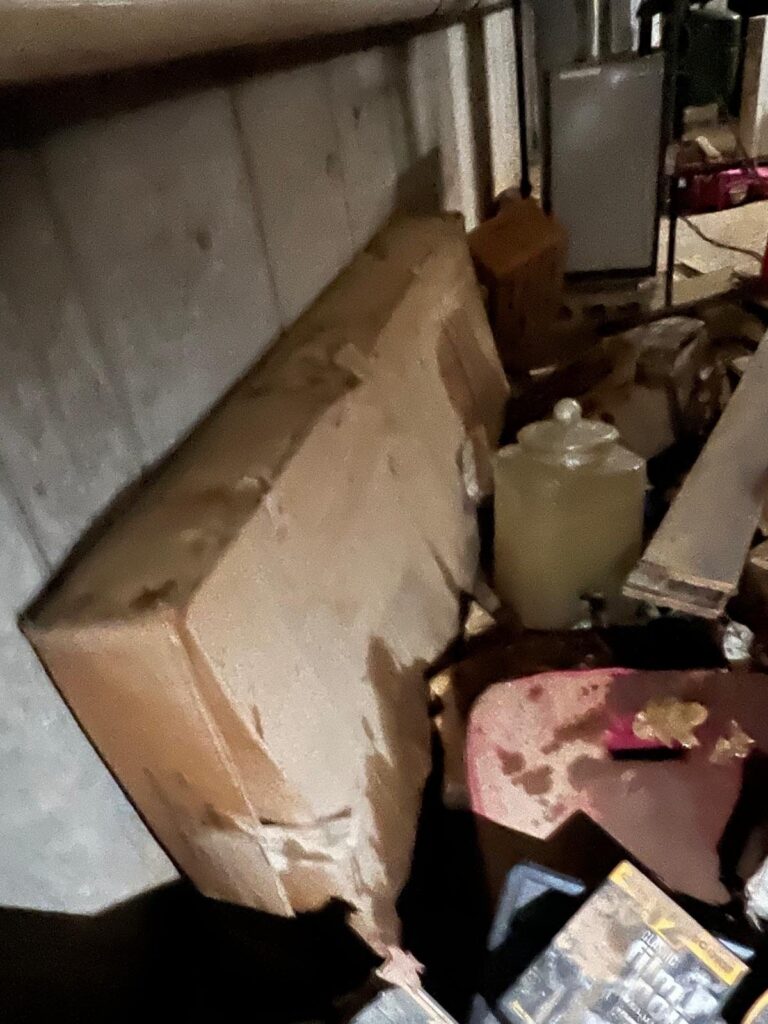
Nassau County’s proximity to the coast and its high water table make basement flooding during major storm events a common occurrence in many communities. If your basement has flooded following a nor’easter, tropical system, or heavy rainfall event, do not enter the space until you have confirmed that electrical power to the basement has been shut off at the breaker panel. Standing water in a basement with live electrical circuits is life-threatening.
Be aware that basement flooding from external storm surge or overland flooding is not covered by standard homeowners insurance. It requires separate flood insurance through the National Flood Insurance Program or a private carrier. Document the flooding thoroughly regardless of your coverage status, as the documentation may support other aspects of a storm damage claim.
Appliance Failure Overflow
Washing machine hose failures, dishwasher malfunctions, and refrigerator water line breaks are among the most frequent water damage events in Nassau County homes. These events often occur when no one is home, allowing water to spread across large areas before discovery. When you arrive home to an appliance overflow situation, shut off the water supply to the appliance and the electrical power to the appliance before touching the standing water. Document the scene, then call PuroClean of Baldwin.
Roof Leak During a Storm
Roof leaks during nor’easters and heavy rain events are common in Nassau County, particularly in homes with aging roofing materials, failing flashing around chimneys and skylights, or damage from previous storms. If you discover an active roof leak during a storm, place buckets or bins to capture water, move valuables and furniture away from the affected area, and protect the floor with plastic sheeting or towels. Document the interior water intrusion with photographs and call PuroClean of Baldwin for emergency response. Roof tarping can be arranged to limit further intrusion until permanent repairs are made.
Sewer Backup
Sewer backup through floor drains, toilets, or other fixtures is a Category 3 water damage event that requires immediate professional response. Do not attempt to clean up sewage backup yourself without appropriate protective equipment. Do not use the plumbing in the affected area until the blockage is cleared and the space is professionally remediated. If you have a sewer backup endorsement on your homeowners insurance policy, notify your carrier immediately. If you do not have this endorsement, this event is a powerful reminder to add it at your next renewal.
Building Your Long Island Water Damage Emergency Preparedness Plan
The best time to prepare for water damage is before it happens. Here is a practical preparedness checklist specifically for Nassau County homeowners:
- Know where your main water shutoff is: Walk to it right now if you do not know. Every adult in your household should be able to find and operate it in the dark.
- Know where your electrical panel is and how to shut off individual circuits: Label your circuit breaker panel clearly so anyone can quickly identify and shut off power to specific areas.
- Maintain a home inventory: A documented inventory of your belongings with photographs and serial numbers stored in cloud backup dramatically streamlines the contents portion of any insurance claim.
- Review your insurance policy annually: Confirm your coverage levels, understand your deductible, know whether you have replacement cost or actual cash value coverage, and add sewer backup and flood endorsements if you do not have them.
- Save PuroClean of Baldwin’s number in your phone: Having the number available before you need it means you are not searching the internet in a panic at two in the morning with water rising in your basement.
- Inspect your home annually for water vulnerability: Check gutters and downspouts, inspect under sinks and around appliances, look for signs of moisture in basements and crawl spaces, and have your roof inspected after significant storm seasons.
- Consider a water detection system: Smart water sensors placed near appliances, water heaters, and in basements alert you to water presence before significant damage accumulates. Many insurance carriers offer discounts for these devices.
How PuroClean of Baldwin Responds to Water Damage Emergencies on Long Island
When you call PuroClean of Baldwin for a water damage emergency, here is exactly what happens:
- Immediate dispatch: A live person answers your call at any hour. Our emergency response team is dispatched immediately with an estimated on-site time communicated to you before the call ends.
- Rapid on-site arrival: For most Nassau County locations, our team arrives within one to two hours. We bring truck-mounted extraction equipment, commercial drying systems, thermal imaging cameras, and moisture meters.
- Safety assessment: Before any equipment is deployed, we assess safety including electrical hazards, structural stability, and water category.
- Immediate water extraction: All standing water is extracted as rapidly as possible using professional extraction equipment rated for the specific floor type and contamination level present.
- Moisture mapping: Thermal imaging and moisture meters map the full extent of water penetration throughout the structure, revealing hidden saturation that surface inspection would miss.
- Damage documentation: Comprehensive photographic and written documentation of all damage is produced in real time to support your insurance claim.
- Drying equipment setup: Commercial dehumidifiers and air movers are strategically placed based on moisture mapping findings and activated immediately.
- Insurance coordination: We notify your insurance carrier and communicate directly with your adjuster throughout the project. Our documentation is produced in the format adjusters use and expect.
- Daily monitoring: We return daily to record moisture readings, adjust equipment placement as needed, and keep you updated on drying progress.
- Project completion and documentation: Drying is confirmed by moisture readings reaching target levels. Complete project documentation is provided for your records and your insurance carrier.
Serving All of Nassau County and Long Island
PuroClean of Baldwin provides 24/7 emergency water damage response throughout Nassau County and Long Island. Our response territory covers Baldwin, Freeport, Rockville Centre, Merrick, Bellmore, Oceanside, Valley Stream, Lynbrook, Hewlett, East Rockaway, Seaford, Wantagh, Massapequa, Long Beach, Island Park, Hempstead, Garden City, and surrounding communities.
We are locally owned and operated by members of the Nassau County community. When you call us, you reach a team that knows Long Island homes, understands Long Island weather, works with Long Island insurance carriers every day, and is genuinely invested in helping our neighbors recover from water damage as quickly and completely as possible.
Frequently Asked Questions About Immediate Water Damage Response
Can I start cleaning up water damage myself before the professionals arrive?
You can take basic protective measures: removing small rugs, moving furniture off wet floors, protecting valuables, and placing towels to limit spread. What you should not do is use household fans on wet areas, attempt to extract water with a standard vacuum, pull up flooring, or use the HVAC system. Leave the primary extraction and drying to professional equipment.
How long does water damage drying take?
For a typical Category 1 water damage event affecting a single room with hard flooring and minimal structural penetration, professional drying commonly takes three to five days. Events involving carpet and pad, multiple rooms, or significant structural saturation typically take five to ten days. Category 3 events requiring material removal before drying can take longer. Your PuroClean project manager monitors daily moisture readings and keeps you updated on progress toward completion.
Will the drying equipment damage my home?
No. Commercial drying equipment is designed to remove moisture from structural materials without causing physical damage. Air movers direct controlled air movement across surfaces. Dehumidifiers capture moisture from the air. The equipment is loud and the process takes several days, but it is far less disruptive and far less costly than the alternative of inadequate drying followed by mold growth and structural deterioration.
What if the water damage happened while I was on vacation?
Extended water damage discovered after returning from vacation is one of the most challenging scenarios because the damage has had time to progress significantly. Do not enter the property until you have confirmed that electrical power to affected areas is safe. Call PuroClean of Baldwin immediately from outside the property. Extended water events often involve significant mold growth, structural deterioration, and Category 2 escalation that requires more extensive remediation than a fresh event of the same source.
How do I know if water got inside my walls?
Thermal imaging cameras used by PuroClean of Baldwin’s assessment team detect temperature differences in wall surfaces caused by the presence of moisture inside wall cavities, even when the wall surface appears completely dry to the touch. Digital moisture meters measure the moisture content of structural materials directly. These tools routinely reveal wall cavity saturation that would be completely invisible without them and that would lead to mold growth if left unaddressed.
Water Damage in Your Nassau County Home? Do Not Wait. Call PuroClean of Baldwin Now.
Every minute matters after water damage. The difference between a contained, manageable restoration project and a major structural remediation with mold complications is often measured in hours of response time. PuroClean of Baldwin is ready to respond immediately, any hour of the day or night, with the equipment, expertise, and insurance knowledge to protect your home and your family’s recovery.
Call PuroClean of Baldwin now, 24 hours a day, 7 days a week. We serve Baldwin, Freeport, Rockville Centre, Merrick, Bellmore, Oceanside, Valley Stream, Lynbrook, and all of Nassau County and Long Island with immediate emergency water damage response.
PuroClean of Baldwin | Serving Nassau County and Long Island Communities.
Connect With Us on Social Media!
Facebook | Instagram | Twitter | NextDoor | Pinterest | Google Reviews | LinkedIn | Tiktok | YouTube


