


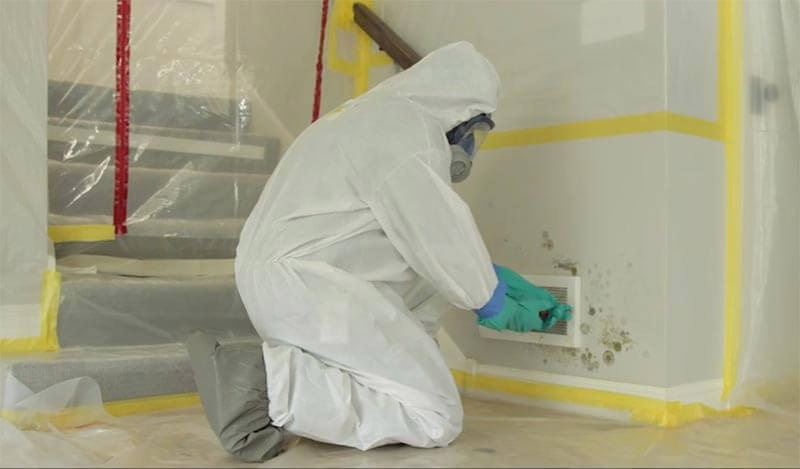
Most Nassau County homeowners think of mold as a warm-weather problem. Something that shows up in August when humidity is high and the air feels thick. Something that goes dormant in winter and stops being a concern once the temperature drops. If that is how you have been thinking about mold in your Baldwin home, this guide is going to change your perspective in a meaningful way.
Baldwin’s position on the South Shore of Long Island creates a year-round climate profile that supports mold growth in ways that differ significantly from homes located just a few miles inland. The combination of coastal humidity, salt air, proximity to tidal waterways, seasonal storm exposure, and the specific construction characteristics of Baldwin’s housing stock creates a mold risk environment that does not take a seasonal break. It simply changes form depending on the time of year.
Mold Removal and Remediation: Call (516) 200-1416
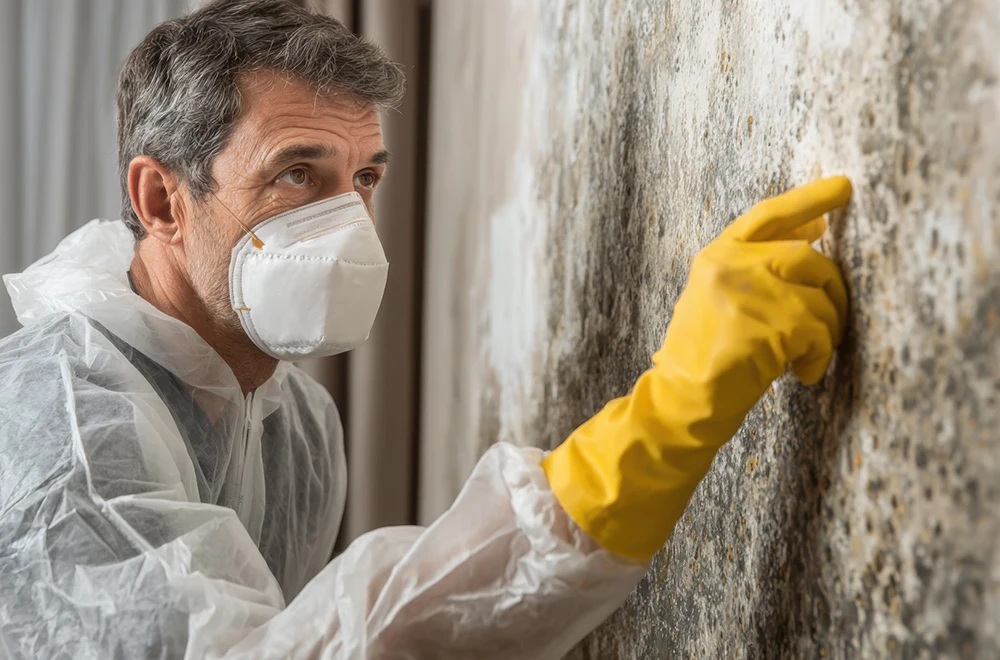
Understanding why mold is a twelve-month concern in Baldwin is the first step toward protecting your home effectively. This guide breaks down exactly how each season contributes to mold risk in this community, what signs to watch for throughout the year, and why partnering with a local mold remediation company that understands Baldwin’s unique conditions is the most effective long-term strategy for keeping your home safe and healthy.
📍 Mold does not take a season off in Baldwin. Call PuroClean of Baldwin any time of year for certified mold inspection, remediation, and moisture control. We are available 24/7.
The Coastal Climate Factor: What Makes Baldwin Different
To understand why mold removal is a year-round necessity in Baldwin, you first need to understand what distinguishes this community’s climate from areas even a short distance away.
Baldwin sits at the edge of the South Shore, bordered by the tidal wetlands and waterways that connect Nassau County to the Great South Bay and, beyond that, to the Atlantic Ocean. This proximity has profound effects on the local microclimate in ways that most residents have learned to live with but may not have connected to their mold risk.
Consistently Elevated Relative Humidity
Coastal areas maintain higher average relative humidity than inland locations because evaporation from open water is a continuous process that adds moisture to the surrounding air. In Baldwin, this means that even on days when the temperature is moderate and conditions seem comfortable, the relative humidity in and around the home is frequently elevated above the threshold at which mold becomes active.
Indoor air quality experts and mold remediation professionals generally identify 60 percent relative humidity as the threshold above which mold growth becomes a meaningful risk in residential environments. In Baldwin’s coastal setting, outdoor humidity regularly exceeds this threshold not just in summer but during extended periods in spring, fall, and even during mild winter weather systems. When that outdoor humidity infiltrates a home through normal ventilation, through gaps in the building envelope, or through below-grade moisture migration, it creates interior conditions that support mold growth regardless of the season.
Salt Air and Its Effect on Building Materials
The salt content in coastal air is an underappreciated factor in Baldwin’s mold risk profile. Salt particles carried in from the bay and ocean settle on and into building materials over time, and salt is hygroscopic, meaning it actively attracts and retains moisture from the surrounding air. Building materials that have absorbed salt particles over years of coastal exposure will hold moisture more readily and dry out more slowly than the same materials in an inland environment.
This effect is particularly pronounced in older Baldwin homes where exterior building materials, window framing, and foundation components have had decades to absorb coastal air salt deposits. These materials become more hospitable to mold growth than their inland counterparts even when apparent moisture conditions are similar, because the salt content in the materials themselves helps sustain the moisture levels mold needs to colonize.
Groundwater Proximity and Hydrostatic Pressure
Baldwin’s proximity to tidal waterways and the Atlantic means the local water table is relatively high compared to inland Nassau County communities. This has direct implications for basement and foundation moisture. When the water table rises, which happens after significant rainfall, during spring snowmelt, and following storm surge events, hydrostatic pressure pushes groundwater against foundation walls and floor slabs. Even foundations in good repair can experience moisture infiltration under these conditions. Foundations with any age-related cracking, joint failures, or degraded waterproofing are significantly more vulnerable.
The result is that Baldwin basements are subject to moisture intrusion pressure from below and from the sides throughout significant portions of the year, not just during obvious flooding events. This chronic low-level moisture intrusion, often undetected for months or years, is one of the most common precursors to black mold growth in Baldwin homes.
📍 Coastal humidity, salt air, and high groundwater put Baldwin homes at elevated mold risk all year. Contact PuroClean of Baldwin today for a professional moisture assessment and find out what your home is actually dealing with.
Spring: When Snowmelt, Rain, and Rising Humidity Combine
Spring is arguably the highest-risk season for mold development in Baldwin homes, precisely because it brings together multiple moisture sources simultaneously at a time when most homeowners are not yet thinking about mold.
Snowmelt and Saturated Soil
As winter temperatures give way to the warmer days of March and April, accumulated snow and ice melt rapidly. In Baldwin’s coastal setting, where the soil tends toward clay and maintains high moisture content year-round, this snowmelt has limited places to go. The soil becomes saturated quickly, and groundwater levels rise. For homes with basements, this is the period of maximum hydrostatic pressure on foundation walls and floor slabs. Even a home that stayed dry all winter may experience its first moisture intrusion of the year during the spring thaw.
Spring Rain Patterns
Long Island’s spring rainfall patterns add additional moisture load to already saturated soil conditions. April and May typically bring significant rainfall to Nassau County, much of it in extended multi-day events that do not allow soil to drain and dry between rain events. This sustained precipitation keeps groundwater levels elevated and extends the period of maximum foundation moisture pressure well into spring.
The Humidity Transition
Spring also marks the transition from the relatively dry cold air of winter to the increasingly humid air of the coastal Long Island spring and summer. As outdoor humidity rises rapidly in late April and May, the differential between warm moist outdoor air and the cooler surfaces inside basements and crawl spaces creates significant condensation risk. Condensation forms on cool concrete walls, cold water pipes, and any surface that remains below the dew point of the increasingly humid incoming air. This condensation feeds directly into the mold-supportive moisture conditions that the spring season creates in so many Baldwin homes.
What Spring Mold Risk Looks Like in Baldwin Homes
In practical terms, spring mold risk in Baldwin most commonly manifests as new mold growth in basements and crawl spaces, often appearing on the lower portions of foundation walls, on basement flooring, and on any organic materials like wood framing, cardboard boxes, or fabric items stored in contact with or near basement floors. Homeowners often discover this growth when they go to the basement after winter and notice a new musty smell, visible dark patches on walls, or the distinctive earthy odor that indicates active mold colonization.
📍 Noticed a musty smell or new dark patches in your basement this spring? Call PuroClean of Baldwin now for a thorough inspection before spring mold spreads through your home.
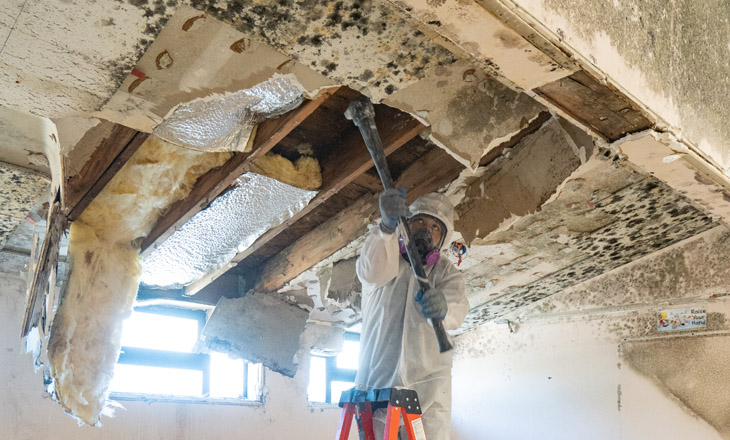
Summer: High Humidity, Storm Season, and the Peak Mold Window
Summer is the season most homeowners associate with mold, and for good reason. Baldwin’s summer climate combines the highest ambient humidity levels of the year with the most active storm season and the kind of heat that accelerates mold growth dramatically once moisture is present.
Peak Coastal Humidity
From June through September, Baldwin’s proximity to the ocean and bay produces some of the most persistently humid conditions on Long Island. Ocean and bay water temperatures are warmest during these months, which means evaporation rates are at their highest and the amount of moisture added to the surrounding air is at its peak. Outdoor relative humidity levels above 70 and even 80 percent are common during summer months in coastal Nassau County, particularly in the early morning hours and after rain events.
Inside homes, this outdoor humidity creates constant pressure on air conditioning systems to maintain comfortable indoor conditions. Homes without adequate air conditioning, or with air conditioning that is undersized or poorly maintained, can see indoor humidity levels that match or approach outdoor levels during extended humid periods. At these humidity levels, mold does not merely grow. It thrives, spreading rapidly through any organic building material it contacts.
Tropical Storm and Hurricane Season
The Atlantic hurricane season runs from June through November, and Baldwin’s South Shore location places it in a zone of real vulnerability to tropical weather systems. Even storms that make landfall far from Long Island can produce days of sustained rain, coastal flooding, and storm surge that affects Baldwin neighborhoods. The flooding history of the South Shore is well-documented, and the moisture intrusion that accompanies even relatively minor storm events can be significant.
What makes storm-related moisture particularly dangerous from a mold perspective is the volume and speed of water intrusion. A basement that takes on six inches of water during a storm event contains far more moisture in its walls, floors, and structural materials than a basement with a slow chronic leak. If that post-storm moisture is not extracted and dried professionally within 24 to 48 hours, mold establishment is virtually guaranteed in the summer heat.
Air Conditioning System Mold Risk
An underappreciated summer mold risk in Baldwin homes is the air conditioning system itself. Central air conditioning and window unit systems remove humidity from indoor air as part of the cooling process, producing condensate that must drain properly. When AC drain pans crack, clog, or overflow, when condensate lines back up, or when ductwork develops moisture issues from temperature differentials, these systems can become active mold distribution mechanisms, circulating spores throughout the home with every cycle.
Window units that are improperly sealed into window openings can also allow humid outdoor air to infiltrate around the unit, creating localized high-humidity zones around windows where mold establishes itself on window frames, sills, and surrounding drywall.
📍 Summer storm damage or humidity-driven mold growth in your Baldwin home? Call PuroClean of Baldwin immediately for 24/7 emergency mold remediation and water damage response.
Fall: Cooling Temperatures, Continuing Storms, and Concealed Mold Growth
Fall is the season during which Baldwin homeowners are most likely to overlook mold risk, and it is also the season during which mold established during summer months continues to grow and spread in ways that may not become apparent until significant structural damage has occurred.
Mold Established in Summer Continues Growing
Mold colonies established during the summer’s peak humidity period do not stop growing when temperatures begin to drop in September and October. Most common household mold species remain active in temperatures as low as 40 degrees Fahrenheit, which means fall temperatures in Baldwin, which rarely drop below 50 degrees until November, provide perfectly adequate conditions for continued mold growth. A mold colony that was just beginning to establish itself in August may be deeply embedded in wall cavities and structural materials by November if it goes undiscovered and untreated.
Nor’easter Season and Coastal Storm Risk
While the summer hurricane season gets most of the attention, fall brings its own significant storm threat to Baldwin in the form of nor’easters. These powerful low-pressure systems track up the East Coast and can produce prolonged periods of heavy rainfall, coastal flooding, and storm surge that rival tropical systems in their impact on South Shore communities. October and November nor’easters have caused some of the most significant flood damage in Baldwin’s history.
The timing of fall storms creates a particularly challenging mold risk scenario. Water intrusion from a late October or November storm event occurs just as temperatures begin dropping, which means the affected materials cool and dry more slowly than they would in summer. Slower drying extends the window of mold vulnerability significantly, increasing the likelihood that moisture left in walls, flooring, and structural materials after a fall storm will support mold growth over the winter months.
Condensation as Heating Season Begins
The beginning of heating season in fall creates a condensation risk that mirrors the spring transition in reverse. As outdoor temperatures drop and heating systems activate, the warm interior air of a Baldwin home carries significantly more moisture than the cold surfaces of exterior walls, windows, and basement components. This moisture condenses on cold surfaces throughout the home, particularly on north-facing walls, in corners with poor air circulation, around cold-water pipes, and on any surface adjacent to uninsulated exterior building components.
In homes where insulation is inadequate or aging, as is common in Baldwin’s mid-century housing stock, the cold surfaces available for condensation are numerous and widespread. This fall condensation pattern is a reliable annual contributor to mold growth in Baldwin homes, occurring in the same locations year after year and gradually worsening as building materials absorb repeated cycles of condensation moisture.
📍 Fall is prime time for hidden mold growth in Baldwin homes. Schedule a PuroClean of Baldwin mold inspection this fall and catch problems before they spend the winter growing behind your walls.
Winter: Freeze-Thaw Cycles, Ice Dams, and the Myth of Mold Dormancy
Winter is the season during which most Baldwin homeowners assume mold is not a concern. This assumption is one of the most costly misconceptions in home maintenance, and it leads to mold problems that develop undetected for months before being discovered in spring.
Mold Does Not Go Dormant in Winter
The most important thing to understand about winter mold risk is that the common idea of mold going dormant in cold weather is simply not accurate for homes with interior heating. The interior of a Baldwin home in winter is maintained at temperatures that are not just adequate for mold survival but often quite comfortable for mold growth, particularly in areas adjacent to exterior walls and in basement spaces where temperatures may hover between 55 and 65 degrees even in the coldest months.
Mold established in a wall cavity, under a bathroom floor, or in an attic space during the preceding seasons does not pause when December arrives. It continues to grow at whatever rate the available moisture and temperature support, which in a heated Baldwin home means it continues to grow throughout the winter. The only difference is that the homeowner is less likely to notice it because winter is not a season associated with mold vigilance.
Freeze-Thaw Cycles and Pipe Failures
Long Island winters are characterized by repeated freeze-thaw cycles rather than sustained deep freezes. Temperatures rise above and fall below freezing multiple times throughout December, January, and February, and this cycling creates significant stress on plumbing systems, particularly in older Baldwin homes with pipes located in exterior walls, unheated crawl spaces, or uninsulated areas of the basement.
Pipes that freeze and thaw repeatedly are prone to developing cracks, joint failures, and pinhole leaks that may not be immediately apparent. A pipe that partially freezes and develops a hairline crack may leak slowly and intermittently for weeks before the flow becomes large enough to notice. During that period, water is migrating through wall cavities and building materials, creating exactly the sustained moisture conditions that allow mold to establish itself. By the time the leak is found, the associated mold growth may already be significant.
Ice Dams and Attic Mold
Ice dams are a particularly significant winter mold risk for Baldwin homeowners with older or poorly insulated roofs. Ice dams form when heat escaping from the living space warms the upper portions of the roof, melting snow that then refreezes at the colder eaves. As the dam builds up, meltwater backs up under roofing materials and finds its way into the attic and wall cavities below.
Attic mold resulting from ice dam water intrusion is among the most commonly missed mold problems in Long Island homes because the attic is the part of the house that receives the least regular attention. Water intrusion through an ice dam can saturate attic insulation, wet roof sheathing and rafters, and create mold colonies that grow throughout the winter without any homeowner awareness. The first sign is often a water stain appearing on a ceiling in the living space below, by which time the mold problem in the attic may already be extensive.
Reduced Ventilation and Indoor Air Quality
Winter’s reduced natural ventilation compounds mold risk in Baldwin homes. During warmer months, windows are opened regularly, which dilutes indoor moisture and mold spores with fresh outdoor air. In winter, homes are sealed tightly against the cold, which concentrates indoor humidity and any airborne mold spores present. Cooking, showering, and even normal respiration add moisture to a sealed indoor environment that has no outlet, and that accumulating indoor humidity finds its way to cool surfaces throughout the home where it condenses and feeds mold growth.
📍 Winter mold grows silently while you assume it is not a concern. Call PuroClean of Baldwin for a winter mold inspection and stop hidden growth before it becomes a spring emergency.
How Baldwin’s Older Homes Amplify Every Seasonal Risk
The seasonal moisture risks described above apply to homes throughout the region, but Baldwin’s housing stock amplifies each of them in ways that are specific to this community and worth understanding in detail.
The majority of residential properties in Baldwin were built between the end of World War II and the early 1970s. These homes were constructed using the materials and techniques standard for that era, and while they were built to last, seventy-plus years of coastal exposure has taken a measurable toll on the moisture resistance characteristics of their building envelopes.
- Foundation waterproofing: Mid-century foundations were typically waterproofed with asphalt-based coatings that were effective when applied but degrade significantly over time, particularly under the freeze-thaw cycling and hydrostatic pressure conditions common in Baldwin’s coastal setting. Most of these original waterproofing treatments are decades past their effective service life.
- Window and door sealing: Original windows in Baldwin’s older homes were single-pane units with basic weatherstripping that has long since deteriorated. Even in homes where windows have been replaced, the surrounding framing and trim may have absorbed decades of moisture and provide a compromised barrier against outdoor humidity infiltration.
- Roof age and condition: A home built in 1955 may be on its third or fourth roof, but the underlying sheathing and framing may still be original. Decades of minor leaks, ice dam events, and moisture cycling can leave attic structural components in various states of moisture damage and pre-existing mold contamination that new roofing does not address.
- Insulation inadequacy: Many Baldwin homes were built with insulation standards that are far below modern requirements. Inadequate insulation means more cold surfaces available for condensation, more heat loss from the living space into the attic creating ice dam conditions, and less effective separation of interior conditioned air from exterior moisture conditions.
- Plumbing age: Galvanized steel and early copper plumbing from the mid-20th century has a finite service life. Many Baldwin homes still have original or partially original plumbing that is prone to slow leaks, pinhole failures, and joint deterioration that creates the chronic moisture conditions most conducive to black mold growth.
📍 Older Baldwin home with aging waterproofing, windows, or plumbing? Your mold risk is higher than average. Call PuroClean of Baldwin for a comprehensive inspection and honest assessment of your home’s moisture vulnerabilities.
Warning Signs to Watch For in Every Season
Because mold risk in Baldwin is genuinely year-round, homeowners benefit from knowing what indicators to watch for in each season rather than limiting their vigilance to the warm months.
Spring Warning Signs
- New musty odor in the basement after snowmelt or heavy spring rain
- Water staining or efflorescence on basement walls that was not present last fall
- Visible moisture or condensation on basement walls and floors in the morning
- Soft or discolored areas on basement drywall near floor level
- Sump pump running significantly more frequently than in prior spring seasons
Summer Warning Signs
- Musty smell when the air conditioning runs, particularly from supply registers
- Visible mold growth on window frames, sills, or surrounding drywall
- Persistent allergy or respiratory symptoms in household members that do not respond to typical treatment
- Water staining on ceilings or walls following storm events
- New dark patches in basement, bathroom, or kitchen areas
- AC condensate pan showing signs of overflow or water damage beneath the unit
Fall Warning Signs
- Musty smell in rooms adjacent to exterior walls as heating season begins
- Condensation appearing on interior window surfaces or exterior wall areas
- Water staining or damp areas following fall rain or storm events
- Peeling paint or wallpaper on exterior walls, particularly in bedrooms and living rooms
- New soft spots in bathroom flooring or walls, indicating moisture has penetrated tile grout or caulk during summer
Winter Warning Signs
- Water staining appearing on ceilings during or after freeze-thaw cycles, indicating possible ice dam activity
- Frost or condensation on interior wall surfaces in unheated or poorly insulated areas
- Unexplained increase in household members experiencing chronic respiratory symptoms
- Musty smell developing in rooms that were odor-free in fall, suggesting hidden mold growth
- Visible mold appearing near baseboard level on exterior-facing walls
- Evidence of pipe moisture or minor leaks in cabinets under sinks or around appliances
📍 Noticed any of these warning signs in your Baldwin home, regardless of the season? Do not wait. Call PuroClean of Baldwin now for a professional mold and moisture inspection. Early action saves significantly on remediation costs.
Why Local Expertise Matters for Year-Round Mold Protection
When you are dealing with a mold risk environment as specific and nuanced as Baldwin’s coastal climate, the generic protocols of a regional or national remediation company are simply not sufficient. Effective year-round mold protection in this community requires a company that understands the local conditions intimately because they have worked in these homes through every season.
PuroClean of Baldwin is that company. We are based in Baldwin. We have inspected, remediated, and restored homes throughout this community across every season and in response to every type of moisture event that this coastal climate produces. When we walk into a Baldwin home, we already understand the baseline risk profile: the foundation waterproofing is likely aging, the attic insulation may be inadequate, the plumbing is probably original or partially original, and the building envelope has absorbed decades of coastal salt air. We know where to look, what to look for, and what we are likely to find before we even open the door.
That local knowledge translates into faster, more thorough inspections, more accurate scopes of work, and remediation outcomes that address the full extent of the problem rather than just the visible surface. It also means we can advise you on the seasonal moisture management strategies that are specific to your home’s construction, age, and position in Baldwin’s coastal environment.
📍 Nobody knows Baldwin homes better than we do. Call PuroClean of Baldwin for mold inspection and remediation from a team that understands your home’s specific coastal risk profile.
A Year-Round Mold Protection Strategy for Baldwin Homeowners
Given the year-round nature of mold risk in Baldwin, the most effective approach is a proactive, seasonal strategy rather than a reactive response only when mold becomes visible. Here is what that looks like in practical terms.
Annual Professional Mold and Moisture Inspection
Every Baldwin homeowner should have a professional mold and moisture inspection conducted at least once per year. The best timing for most homes is late spring, after the snowmelt and spring rain season has passed and before summer humidity peaks. This timing allows a professional to identify any moisture intrusion or mold growth that developed over winter and spring before the summer heat accelerates it further.
A professional inspection uses thermal imaging and calibrated moisture meters to assess conditions inside walls, under flooring, in attic spaces, and in other concealed areas that are not visible during a routine homeowner walk-through. This goes far beyond anything a homeowner can assess visually and often reveals moisture conditions and early mold growth that would not become apparent to the homeowner for months.
Post-Storm Professional Assessment
Any significant storm event that results in water intrusion into the home should be followed by a professional moisture assessment, regardless of how thorough your own cleanup efforts were. Storm water that enters a basement or living space carries moisture into wall cavities, under flooring, and into structural materials that cannot be adequately addressed with consumer drying equipment. Professional assessment after storm events ensures that residual moisture is identified and addressed before the 24 to 48 hour window that precedes mold establishment closes.
Year-Round Humidity Monitoring
Invest in a quality digital hygrometer and monitor indoor humidity levels throughout the year, not just in summer. Place one in the basement and one in the main living area. Your target indoor relative humidity is between 30 and 50 percent year-round. In summer, a properly functioning air conditioning system should help maintain these levels. In transitional seasons and winter, a whole-home or portable dehumidifier may be needed in basement and crawl space areas to keep humidity within the safe range.
Proactive Maintenance Targeting Moisture Entry Points
Given what we know about Baldwin’s coastal climate and older housing stock, proactive maintenance of the most common moisture entry points is a meaningful investment in mold prevention. This includes annual inspection and resealing of window and door perimeters, inspection of roof and attic conditions before winter, checking and cleaning gutters and downspouts to ensure proper drainage away from the foundation, and having a plumber inspect older plumbing for early signs of deterioration before they become active leaks.
Immediate Professional Response to Any Water Damage Event
Any water damage event in your Baldwin home, from a burst pipe to a storm flood to an appliance failure, should be met with immediate professional water extraction and drying. The cost of professional drying is a fraction of the cost of mold remediation, and mold remediation is avoidable in most cases when water damage is addressed properly within the first 24 hours. PuroClean of Baldwin provides 24/7 emergency water damage response throughout Baldwin and Nassau County precisely because timing is everything in preventing mold after a water event.
📍 Ready to take a proactive approach to mold protection in your Baldwin home? Call PuroClean of Baldwin to schedule your annual mold and moisture inspection. The best time to find a mold problem is before it finds you.
Conclusion: Year-Round Protection for a Year-Round Risk
Baldwin’s coastal climate is one of its greatest assets and one of its most significant home maintenance challenges. The same proximity to the water that makes this community desirable and beautiful also creates a year-round moisture environment that requires consistent, informed attention from every homeowner.
Mold does not respect the calendar. It grows in spring when snowmelt saturates your foundation. It explodes in summer when coastal humidity peaks and storms flood basements. It spreads in fall while you think the season is winding down. And it continues in winter, hidden behind your walls and above your ceilings, fed by condensation and poor ventilation while you assume it is dormant.
The response to a year-round risk is a year-round strategy. Annual professional inspections, immediate response to water events, consistent humidity monitoring, and a relationship with a local mold remediation company that understands Baldwin’s specific conditions are the components of that strategy. PuroClean of Baldwin is here to be that partner for every homeowner in this community, through every season, in every condition this coastal climate produces.
We serve Baldwin, Merrick, Freeport, Rockville Centre, Valley Stream, Lynbrook, Oceanside, and all of Nassau County. Our team is certified, locally based, and available around the clock every day of the year because mold risk in this community does not stop when our office hours end.
Call PuroClean of Baldwin for Year-Round Mold Protection
IICRC Certified | NY State Licensed | Fully Insured | Available 24/7 | Baldwin, NY & All of Nassau County
PuroClean of Baldwin
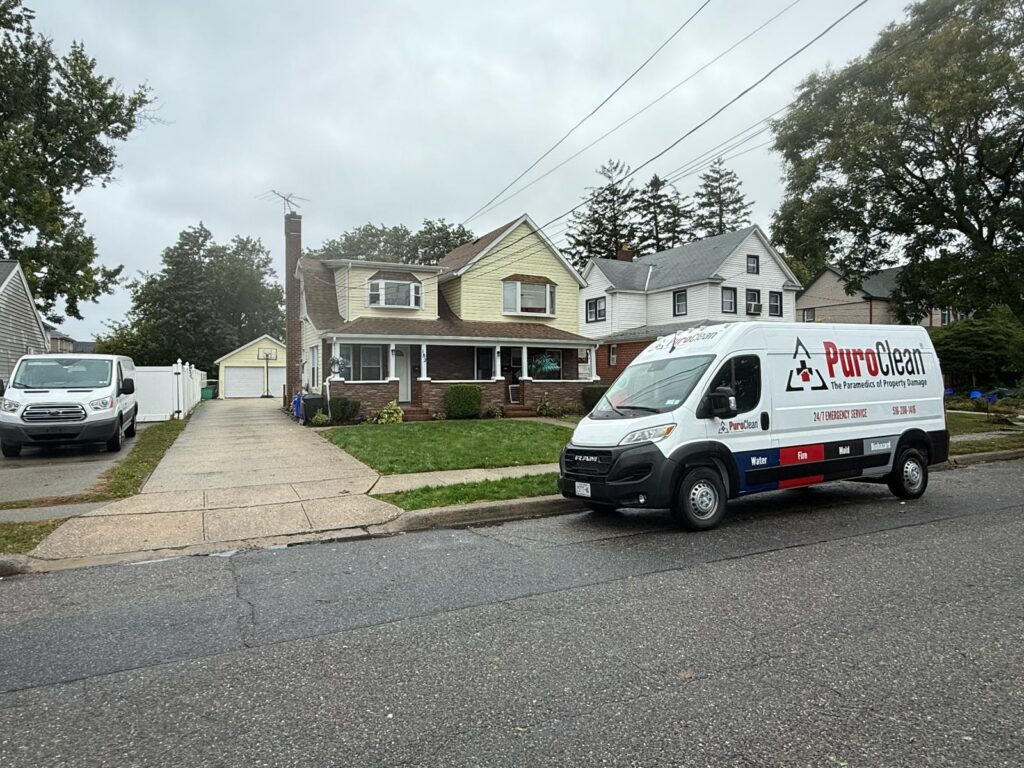
Serving Baldwin, NY and Nassau County | Available 24/7 | IICRC Certified
Mold Remediation | Water Damage Restoration | Fire & Smoke Damage | Biohazard Cleanup
Connect With Us on Social Media!
Facebook | Instagram | Twitter | NextDoor | Pinterest | Google Reviews | LinkedIn | Tiktok | YouTube


