


Table of Contents
It’s official. The Northeast is under siege.
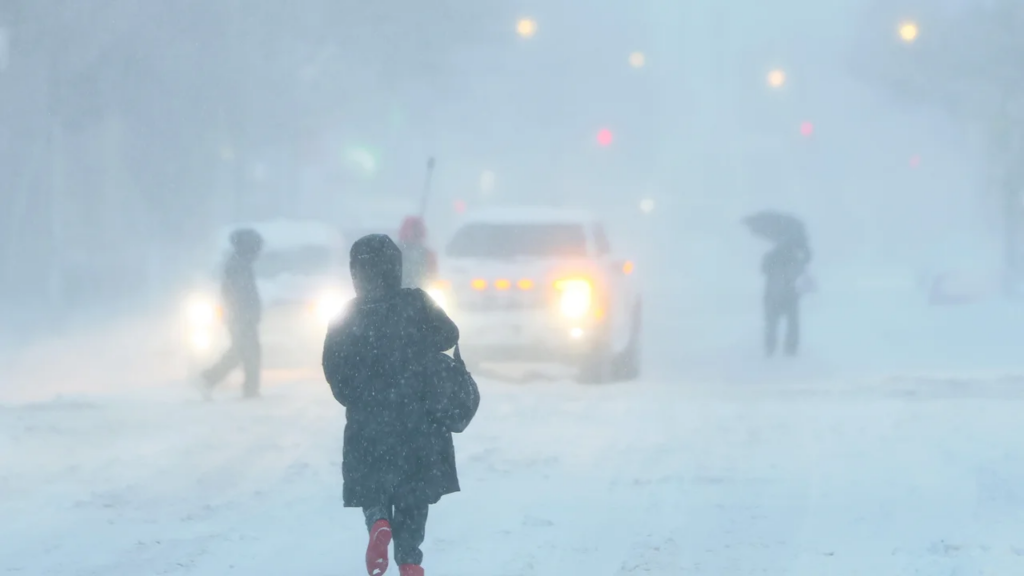
A powerful nor’easter is battering the region from New Jersey straight through New York City, Long Island, and into New England, bringing with it blizzard conditions, hurricane-force wind gusts, widespread power outages, and snowfall totals that are already breaking records in some communities. Travel bans are in effect across multiple counties. Thousands of households are without heat and electricity. Emergency services are stretched thin.
For homeowners in Baldwin and across Nassau County, this storm is more than an inconvenience. It is a full-scale weather emergency – and the damage it leaves behind can linger for weeks, months, or even years if not addressed properly.
At PuroClean of Baldwin, we’ve been helping Long Island families recover from major storms for years. We know what this kind of blizzard does to homes, and we know what needs to happen next. This post covers both: the real damage this storm is causing right now, and the restoration steps you’ll need to take once it passes.
What’s Happening Out There: The Scope of This Blizzard
This isn’t a typical winter storm. Meteorologists have been tracking this system for days, and what’s arrived is exactly what they feared, a classic, powerful nor’easter delivering a multi-punch combination of hazards simultaneously.
Heavy, Wet Snow Accumulations
Across Nassau County and the South Shore of Long Island, snowfall totals are climbing rapidly. The snow falling with this system is particularly dense and wet, the kind that clings to tree branches, snaps limbs, collapses carports, and loads rooftops with enormous weight in a very short period of time. Unlike light, fluffy powder, wet nor’easter snow is heavy. A single cubic foot can weigh 20 pounds or more. Across the surface area of a typical Long Island ranch or colonial roof, that adds up to thousands of pounds of stress on structural components that were never designed to hold it.
Extreme Wind Gusts
Blizzard conditions aren’t just about snow, they’re about wind. The nor’easter driving this storm is generating sustained winds and gusts strong enough to down trees, tear off shingles, snap utility poles, and send debris flying into windows, siding, and rooflines. Wind-driven snow also penetrates gaps and vulnerabilities in your home’s exterior envelope that you may not even know exist, depositing moisture inside wall cavities and attic spaces where it will quietly cause damage long after the storm is gone.
Read Also: Nor’easter turns deadly as travel delays mount across Northeast | Fox Weather
Widespread Power Outages
Tens of thousands of homes and businesses across the region are currently without power. For homeowners, a power outage during a blizzard creates a cascade of secondary problems. Sump pumps stop working, leaving basements defenseless against snowmelt infiltration. Heating systems go offline, allowing interior temperatures to drop, which dramatically increases the risk of frozen and burst pipes. Backup generators, when available, introduce their own risks if not operated safely.
Dangerous Wind Chills and Flash Freezing
The temperature is not just cold, it is dangerously cold. Wind chill values are dropping well below zero across the region. This level of cold penetrates homes faster than most people realize, particularly in older Long Island construction where insulation may be minimal and air sealing was never a priority. Pipes in exterior walls, crawl spaces, and unheated garages are especially vulnerable.
The Damage This Storm Is Leaving Behind
Once the snow stops and the winds die down, the real work begins. Here is an honest, detailed look at the types of damage this blizzard is causing, and will continue to cause in the hours and days ahead as temperatures fluctuate and snow begins to melt.
Burst and Frozen Pipes
This is the number one cause of emergency calls to PuroClean of Baldwin in the aftermath of a major winter storm. When temperatures inside walls and crawl spaces drop below freezing, the water in your pipes freezes. Frozen water expands with tremendous force. Pipes crack. Some burst completely.
The insidious part is timing: the damage often doesn’t reveal itself during the storm, when everything is still frozen solid. It shows up hours or even days later, when temperatures begin to rise and ice turns back to water. What was a hairline crack in a supply line becomes a flood. A burst pipe behind a finished basement wall can release hundreds of gallons before anyone realizes what’s happening.
Pipes at highest risk include those in exterior walls, under kitchen and bathroom cabinets on outside walls, in unheated garages, in attic spaces, and in crawl spaces beneath older homes. If your home lost heat during this outage – even for a few hours – your pipes may already be compromised.
Ice Dams and Roof Infiltration
The pattern of this storm – heavy snow accumulation followed by fluctuating temperatures – is the exact recipe for ice dam formation. Heat escaping from your living space through the roof melts the underside of the snow sitting on your roof. That meltwater runs down toward the eave, where there is no heat from below. It refreezes, forming a dam of ice along the roofline.
As the dam grows, water pools behind it. Eventually that water finds its way under your shingles and into your home. It saturates the roof decking, soaks into attic insulation, migrates down into wall cavities, and eventually appears as water stains on your ceilings and upper walls – sometimes days or weeks after the ice dam first formed.
Ice dams are particularly common on Long Island homes with low-slope roofs, inadequate attic insulation, or older roofing that has lost its integrity. If you notice a thick ridge of ice along your roofline or icicles forming in unusual places, take it seriously.
Basement Flooding and Sump Pump Failure
Nassau County’s flat topography and high water table make basement flooding a constant threat during and after major snowstorms. When a foot or more of snow begins to melt, the ground cannot absorb the volume of water fast enough. That water finds its way into your basement through foundation cracks, window wells, the joint between your foundation wall and floor slab, and any point where your waterproofing has failed.
Sump pumps are the critical last line of defense – but this storm has knocked out power for tens of thousands of homes. A sump pump with no electricity is useless. Even when power is restored, pumps that have been running continuously can overheat and fail. Basements that were dry an hour ago can have several inches of standing water before anyone realizes the pump has gone down.
Standing water in a basement, even a few inches, begins damaging flooring, drywall, insulation, stored belongings, and mechanical systems immediately. If the water is not extracted and the space thoroughly dried within 24 to 48 hours, mold will follow.
Structural and Roof Damage from Snow Load and Wind
The combination of heavy snow accumulation and high winds creates physical stress on your home’s structure that can manifest in a number of ways. Roof rafters and trusses under extreme snow load can crack or shift. Gutters packed with ice and snow pull away from the fascia, tearing off sections of the roofline and creating new vulnerabilities. Wind-driven debris punches through siding, windows, and roofing. Even if your home looks fine from the outside after the storm, damage that isn’t visible to the untrained eye will allow water to infiltrate over the coming weeks and months if left unaddressed.
The Hidden Danger: Mold
Most homeowners are focused on the immediate, visible damage from a winter storm. What they don’t always think about is what happens next – specifically, mold.
Mold does not need summer heat to grow. It needs moisture and an organic material to feed on – both of which are present in abundance after a water intrusion event. Drywall, wood framing, insulation, carpet backing, and ceiling tiles are all ideal mold substrates. In a heated home with elevated humidity from water damage, mold colonies can establish themselves in as little as 24 to 48 hours.
Read Also: Over 50 million Americans bracing for severe winter storm conditions over the weekend
Post-storm mold often grows in places that are difficult to see and easy to overlook: inside wall cavities behind wet drywall, beneath wet carpet padding, in attic insulation that absorbed moisture from an ice dam, and inside the subfloor system under a flooded basement. By the time mold becomes visible, it has almost always already spread significantly. By the time you can smell it, the problem is serious.
This is why professional water damage restoration – not just drying things out with fans – is so critical after a storm. Without the right equipment and expertise to detect hidden moisture and dry structural materials completely, mold is not a possibility. It is a certainty.
Power Outages: What to Do While You Wait for Electricity to Return
With tens of thousands of homes across Nassau County currently without power, immediate safety is the priority. Here is what to do right now.
- Run your generator outside only – never inside the home, garage, or any enclosed space. Carbon monoxide poisoning from improperly used generators kills people every year during storm events. Keep it at least 20 feet from any window, door, or vent.
- Open cabinet doors under kitchen and bathroom sinks to allow warmer interior air to reach pipes along exterior walls.
- Let faucets drip slightly – moving water is harder to freeze than standing water.
- If your home is losing heat rapidly and you have no alternative heat source, consider going to a warming shelter. Temporary inconvenience is far preferable to the damage frozen pipes will cause.
- Check your sump pump the moment power is restored. If your basement shows any signs of water infiltration, call us immediately. Do not wait to see how bad it gets.
When the Storm Passes: Your Step-by-Step Action Plan
The moment conditions allow you to safely assess your property, here is what to do.
- Start outside. Walk the perimeter of your home and look at the roofline from the ground. Note any ice ridges along the eaves, gutters that have pulled away, or visible gaps in the roofline. Do not climb onto a snow-covered or icy roof under any circumstances.
- Check your foundation. Walk the outside of your foundation and look for water pooling near the walls or any new cracks.
- Go to the basement first. If there is standing water, do not enter if it may have reached electrical outlets, your panel, or any appliances. Shut off power to the basement from a dry location before entering.
- Check your pipes. Turn on faucets throughout the home. Low pressure or absent water in certain areas may indicate a frozen pipe. Discolored water may indicate a burst pipe. Know where your main water shut-off valve is before you need it.
- Check your ceilings. Look carefully at all ceilings, especially on upper floors and directly below the roofline. Any water staining, sagging, or discoloration is a sign of active or recent water infiltration.
- Document everything. Take photos and video of all damage before you touch anything. This is essential for your insurance claim.
- Call PuroClean of Baldwin. The faster we arrive, the better the outcome.
Understanding Your Insurance Coverage After a Winter Storm
Navigating an insurance claim in the aftermath of a blizzard can be confusing. Most standard homeowner’s policies in New York cover sudden and accidental water damage from burst pipes and ice dam infiltration, but may not cover flooding from ground water. Separate flood insurance – often through the National Flood Insurance Program – is required for ground water flooding coverage.
The key to a successful claim is thorough documentation. Photograph and video every area of damage before any cleanup or repairs begin. Keep a written log of what you found, when you found it, and what steps you took. Save all receipts for any emergency measures you take to prevent additional damage.
PuroClean of Baldwin works directly with all major insurance carriers. Our detailed moisture mapping, extraction logs, and drying records give your adjuster exactly what they need to process your claim efficiently and accurately. We can communicate directly with your insurance company on your behalf – taking one more burden off your plate during an already stressful time.
Why Professional Restoration Matters After a Blizzard
There is a temptation, especially for capable and self-reliant homeowners, to handle water damage cleanup themselves – rent some fans, run a dehumidifier, let things dry out on their own. We understand the impulse. But this approach almost always costs more in the long run.
Household fans and consumer dehumidifiers are not comparable to professional drying equipment. They move air and remove some surface moisture, but they do not dry structural materials – the wood, drywall, and insulation inside your walls and floors. That embedded moisture stays. And it becomes mold.
Professional restoration technicians use thermal imaging to find moisture that is completely invisible to the naked eye. We use industrial air movers and refrigerant dehumidifiers calibrated to create the precise airflow and humidity conditions needed to dry structural materials completely. We measure moisture content in walls, floors, and ceilings throughout the drying process to confirm the work is actually done – not just that things feel dry to the touch.
The difference between a proper restoration and a DIY patch job often shows up six months later: a persistent musty smell, mold found behind finished walls during a renovation, or new ceiling stains from moisture that was never fully removed. Do it right the first time.
Ready to Respond: Call PuroClean of Baldwin Now
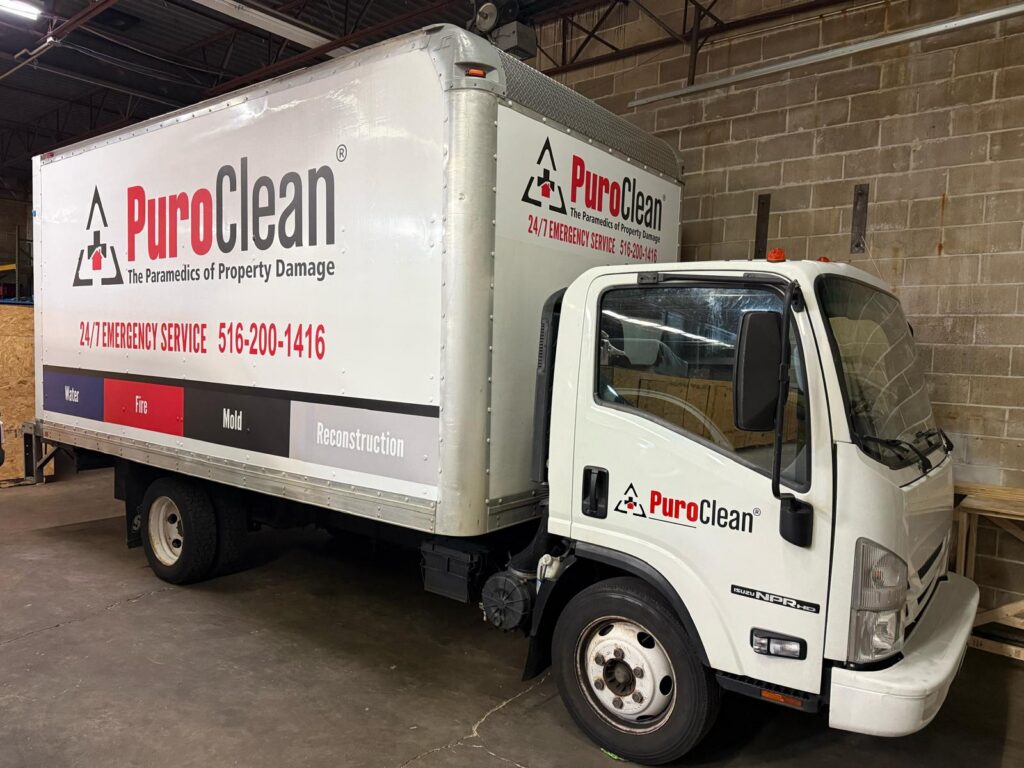
The storm has hit. The damage is happening. And when it’s time to recover, PuroClean of Baldwin is ready.
We are available 24 hours a day, 7 days a week, 365 days a year for emergency water damage response throughout Baldwin and all of Nassau County, including Freeport, Rockville Centre, Merrick, Lynbrook, Oceanside, Valley Stream, Elmont, Hempstead, and the surrounding communities.
Our IICRC-certified technicians are equipped with advanced moisture detection, industrial extraction, and professional drying equipment. We work directly with all major insurance carriers and provide complete documentation support from day one. We are your neighbors. We know these homes. We know this community. And we know exactly what this storm can do.
Your home is worth protecting. Don’t wait until the damage gets worse, because it will. Call PuroClean of Baldwin the moment you suspect water damage, and let our team take it from there.
Storm damage doesn’t take a day off. Neither do we.
🚨 STORM EMERGENCY? WE’RE AVAILABLE 24/7 🚨
PuroClean of Baldwin – Nassau County’s Trusted Water Damage Restoration Experts
Call now • Fast response • All insurance accepted • IICRC Certified
Connect With Us on Social Media!
Facebook | Instagram | Twitter | NextDoor | Pinterest | Google Reviews | LinkedIn | Tiktok | YouTube
PuroClean of Baldwin proudly serves Baldwin, Freeport, Rockville Centre, Merrick, Lynbrook, Oceanside, Valley Stream, Elmont, Hempstead, and all of Nassau County, Long Island.
Water Damage • Fire Damage • Mold Remediation • Biohazard Cleanup • 24/7 Emergency Response


