 PuroClean of Bloomfield Hills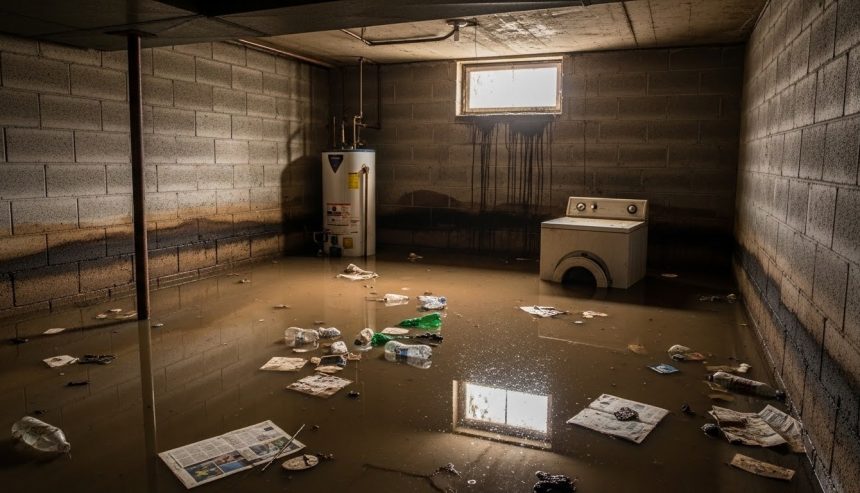
How to Stay Safe When Basement Floodwater Turns Dangerous
Basement water is stressful, no matter how it got there. When you walk downstairs and see several inches of murky water after a strong rain or a quick snowmelt, one of the first questions that comes to mind is simple: is this just rainwater, or is it sewage? That answer affects your health, your home, and what you should do next.
Knowing the difference matters because sewage can spread germs, contaminate surfaces you touch every day, and damage your home in ways you cannot see. Problems can grow worse by the hour. Quick, smart steps early on can protect your family and can make cleanup faster and safer.
In this guide, we share easy at home clues that point to possible sewage, the main health risks, and safe actions you can take before professional help arrives. If anything feels unsafe or you are unsure, trained restoration pros in sewage cleanup in Bloomfield Hills are available around the clock to handle the mess the right way.
Simple Visual and Smell Clues Sewage May Be in Your Basement
When you are trying to figure out what kind of water is in your basement, start with what you can see, smell, and where the water is coming from.
First, look at the standing water itself. Clean water, like rainwater or a small pipe leak, often looks fairly clear or just a bit cloudy from dust or dirt. Sewage-contaminated water usually looks worse.
Common visual signs of sewage include:
- Gray, brown, or almost black water
- Bits of toilet paper or other paper products
- Food scraps or small chunks of debris
- Sludge or thick, muddy material that settles or coats surfaces
- Oily or rainbow-colored film floating on top
Water that is backing up from floor drains, toilets, tubs, or laundry drains is especially suspicious. Even if it looks lighter in color, treat it with care, because sewage is very likely mixed in.
Next, pay attention to odor. Typical sewage odors are hard to miss. They often smell:
- Strong and foul
- Like rotten eggs or sulfur
- Sour, dirty, or like decaying garbage
These smells usually get stronger as you move closer to the water or to the drain that is backing up. A normal damp basement may smell musty or earthy, which is more linked to mold or long-term moisture, not fresh sewage. Both are problems, but sewage is more urgent for your health.
If the smell is overwhelming, do not stay in the area. Step back, move people and pets away, and, if you can do so safely from upstairs or outside, crack open nearby windows or doors to help fresh air flow in.
You can also learn a lot from where the water is entering. Water that seeps through foundation cracks, window wells, or around walls during storms is often stormwater. Water that appears from:
- Floor drains
- Basement toilets or showers
- Utility sinks or laundry drains
can point to a sewer backup. If flooding happens again and again after heavy rain, it may mean the municipal sewer system or a private sewer line is not handling the flow.
If it is safe, take a few photos or short videos of the water level and where it is coming from. This can help restoration professionals understand the situation quickly when they arrive.
Hidden Health Dangers of Sewage in Your Basement
Sewage is not just dirty water. It carries germs and chemicals that you cannot see but that can cause real harm.
Sewage-contaminated water can hold bacteria like E. coli and Salmonella, plus other germs, viruses, and parasites. These can come from human waste and from material already in the sewer system. On top of that, household products that get washed down drains, like cleaners and soaps, can mix in and add more irritation and toxicity.
Even a thin layer of contaminated water can leave behind residue on:
- Floors and baseboards
- Drywall and wood framing
- Furniture and storage boxes
- Toys, tools, and personal items
You do not have to fall into the water to get sick. Exposure can happen through small skin cuts, touching a surface and then your mouth, or breathing in droplets and fumes in a closed space.
Common signs of illness after contact with sewage can include:
- Stomach cramps, nausea, vomiting, or diarrhea
- Fever or feeling very tired
- Skin rashes or redness where water touched the skin
- Eye, nose, or throat irritation
Some people are at higher risk, such as children, seniors, pregnant people, and anyone with asthma, allergies, or a weakened immune system. Pets can also be affected if they walk through the water, lick their fur, or drink from puddles.
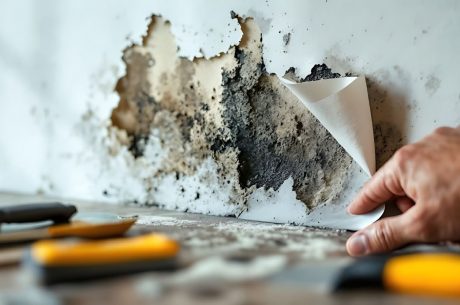
Long-term, sewage-contaminated water that soaks into carpets, drywall, insulation, or wood can lead to mold growth within a short time, especially in warm, humid weather. Mold can then spread spores through the air and cause ongoing breathing issues and odors.
There are also structural risks. Over time, moisture and contamination can lead to:
- Wood rot in framing, subfloors, and stairs
- Corrosion of metal supports or fasteners
- Damage to concrete or masonry if water sits too long
DIY cleanup that does not remove all contamination or moisture can leave hidden problems behind and may make it harder to show what happened when working with an insurance carrier.
Immediate Safety Steps to Take Before the Pros Arrive
Safety should always come first when you suspect sewage in your basement.
To protect yourself and limit exposure:
- Stay out of deep or clearly dirty water
- Keep children, older adults, and pets away from the basement completely
- If you must step into very shallow water, wear rubber boots, heavy waterproof gloves, and eye protection
- Change clothes right away afterward and wash exposed skin with soap and clean water
Do not touch your face, eat, or drink while you are dealing with any part of the affected area. Wash your hands well as soon as you can.
Some quick actions can help, as long as you can do them without entering the water. If the breaker panel is in a dry, safe location, you may turn off electricity to the basement to cut down on shock risk. Only do this if you do not have to pass through standing water to reach it.
If there are valuables nearby that you can reach from the stairs or a dry spot, you may move them higher, but do not wade into the water or lift heavy, soaked items on your own. Your safety matters more than any object.
If there are windows or exterior doors near the basement area, opening them a bit can improve ventilation. However, do not stand over strong odors for long, and do not go into a space if the smell makes you feel lightheaded or sick.
There are also important things you should not do with suspected sewage:
- Do not use household fans or your HVAC system to try to dry the area, since this can spread germs and odors through the home
- Do not use a regular wet/dry vacuum, mop, or carpet cleaner on sewage water, because they are not made for biohazards and can be very hard to sanitize afterward
- Do not pour bleach or random cleaners into the standing water, as this will not fix the problem and can create harsh fumes in a closed basement
When to Call for Professional Sewage Cleanup in Bloomfield Hills
Some situations always call for professional sewage cleanup in Bloomfield Hills, no matter how handy you are around the house. Treat the flooding as sewage and get expert help if:
- A toilet has backed up onto floors
- Water is coming out of a floor drain or multiple drains at once
- A main sewer line clog is suspected
- The affected area is larger than a small, clear puddle
- The water has reached finished walls, insulation, or flooring
If anyone in your home has health issues or is in a higher risk group, or if the smell of sewage is strong, it is especially important not to try DIY cleanup.
Restoration professionals have protective gear, disinfectants, pumps, and drying equipment designed to deal with contaminated water. Teams like PuroClean of Bloomfield Hills also know local building styles and materials, so they can better understand where water might hide. They use moisture detection tools to find damp areas behind walls, under flooring, and inside cavities that are easy to overlook.
A typical sewage cleanup process can include:
- A safety inspection to identify hazards
- Extraction of standing water
- Removal of items and materials that cannot be safely cleaned
- Deep cleaning and disinfection of surfaces
- Professional structural drying and monitoring
- Final checks to confirm the area is dry and sanitary
Fast response is important, especially in wetter seasons when ground and sewer systems are already under stress. The quicker cleanup starts, the better the chances of saving more of your home and belongings.
Take Back Your Basement with Fast, Informed Action
Being able to look at, smell, and trace the source of basement water gives you quick clues about whether sewage may be involved. If the water is dark or debris-filled, smells strongly foul, or is coming from drains or toilets, treat it as a serious health risk. The safest move is to stay out, protect your family and pets, and limit airflow from the basement into the rest of the home.
You do not have to solve the problem on your own. Trained local professionals at PuroClean of Bloomfield Hills handle sewage and other contaminated water issues every day. With calm, fast action and the right help, your basement can be cleaned, dried, and restored so you can feel safe in your home again.
Restore Your Property Safely With Expert Sewage Cleanup
When you are facing a sewage backup, you need trained professionals who can respond quickly and handle every step safely. At PuroClean of Bloomfield Hills, we provide thorough sewage cleanup in Bloomfield Hills to protect your property and your health. Our team is ready to assess the damage, remove contamination, and restore affected areas with industry-standard techniques. If you need fast, professional help, contact us today to schedule service.

 PuroClean of Bloomfield Hills