


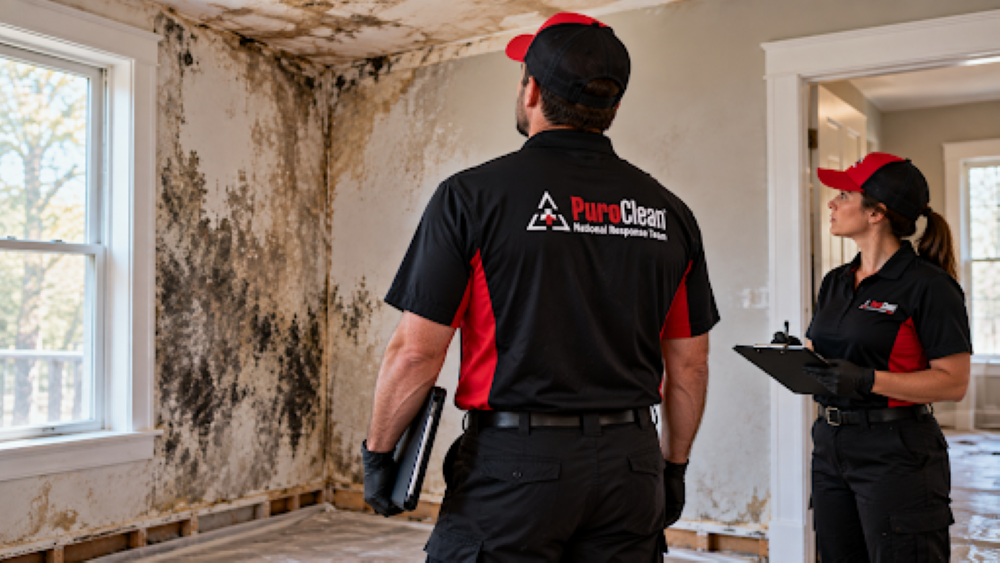
Know Your Home Is Truly Mold-Free After Remediation
Mold remediation is more than just wiping away stains and spraying a cleaner. Proper remediation means finding and removing mold growth, fixing moisture problems and cleaning the air and surfaces so your home is safe to live in again. A room can look spotless and still have mold spores in the air or hidden in materials.
That is why looks alone are not enough. Post-remediation verification, often called PRV, and clearance testing give you objective proof that the job was done right. These steps check the air, surfaces, and building materials to see if conditions are now normal and safe.
Here in Michigan, this is especially important as fall arrives and we close windows, turn up the heat, and spend more time indoors. Once the house is closed up, any indoor air issues tend to stick around. Certified mold remediation services that understand both cleanup and verification help homeowners feel confident before winter settles in.
What Post-Remediation Verification Really Means
PRV is simply a checkup after mold cleanup is finished. It is an inspection and testing process done to confirm that mold has been removed and the conditions that allowed it to grow have been corrected. Instead of guessing, you get measured results.
To keep things fair and unbiased, PRV should be done by an independent, qualified indoor environmental professional, often called an IEP, or a trained inspector. This person should understand industry standards and proper testing methods. The remediator and the tester should not be the same company in many situations, so there is no pressure to “pass” a job that is not ready.
Before a single air or surface sample is taken, a good PRV includes basic checks such as:
- A detailed visual inspection for any visible mold or staining
- Moisture measurements in walls, ceilings, and other materials
- Verification that containment barriers and negative air machines were used correctly
- A check that dust and debris from demolition and cleaning have been removed
If those basic steps are not in good shape, air samples alone will not tell the full story.
Clearance Testing Essentials Every Homeowner Should Know
Clearance testing is the part of PRV where samples are collected and measured. Different tools are used for different questions, and a solid tester will often combine methods.
Common methods include:
- Air sampling, which pulls indoor air through a cassette and captures mold spores for lab review
- Surface sampling, with swabs or tape lifts, used on suspicious spots or surfaces that may still have residue
- Moisture readings, to confirm building materials are dry enough to avoid future mold growth
When we talk about a property “passing clearance,” that usually means:
- No visible mold growth is present in the cleaned areas
- Materials test dry on moisture meters and moisture sources are addressed
- Indoor mold spore levels are similar to, or lower than, outdoor or control areas
- There is no strong, musty odor in the treated spaces
Certified mold remediation services often coordinate the timing of this testing with a third-party professional. The goal is to keep a clear line between cleaning the problem and measuring the results, so homeowners receive honest documentation they can rely on.
What a Proper PRV Report Should Include
Once testing is complete, you should receive a written report, not just a quick “you passed” phone call. A strong PRV report is clear, detailed, and easy to understand.
Key parts of a solid report include:
- Property address and inspection date
- Name, company, and credentials of the inspector
- Description of the areas that were remediated and inspected
- Notes on pre-remediation concerns and current conditions
- Exact sample locations, types of samples, and collection methods
- Name and credentials of the laboratory that analyzed the samples
Results should be explained in plain language. You should see:
- A comparison of indoor spore counts to outdoor or unaffected areas
- Identification of mold types found and why they matter, if at all
- A summary of any remaining concerns, such as damp materials or dust buildup
Good reports also include photos, sketches, or diagrams that show where samples came from and what was seen. There should be a clear statement that the areas either meet clearance criteria or do not, along with simple recommendations for any extra work or cleaning that may still be needed.
When to Retest and Common Red Flags to Watch
Timing matters with PRV. Testing too soon can give confusing results, especially right after cleaning or when materials are still drying. The inspector and your remediation company will usually want:
- All cleaned surfaces fully dry
- Air scrubbers and negative air machines run long enough, then often shut off for a short time so air can normalize
- Any reconstruction in the cleaned areas delayed until after final clearance
Retesting is usually needed if the first clearance fails, or if hidden moisture or new staining appears after the first test. In those cases, more drying, cleaning, or limited removal may be required before another round of testing.
Watch for red flags in PRV and clearance testing, such as:
- No outdoor or control sample for comparison
- Missing or vague sample locations in the report
- Reports that only say “acceptable” without explaining what that means
- Test results that ignore clear signs of lingering moisture or musty odors
Behavioral red flags also matter. Be cautious if you see:
- Contractors who push back against third-party testing
- A rush to tear down containment before clearance is complete
- Hesitation to share full test reports or to explain results in simple terms
Certified mold remediation services should welcome independent verification. They should also be ready to review any failed results with you, correct issues, and prepare the space for retesting when needed.
How PuroClean of Bloomfield Hills Helps You Breathe Easier
For homeowners in and around Bloomfield Hills, mold problems can feel stressful and confusing. Proper remediation, followed by solid PRV and clearance testing, helps protect your health, your home, and your peace of mind. When the cold months arrive and homes stay closed up, clean, dry air indoors becomes even more important.
At PuroClean of Bloomfield Hills, we focus on thorough mold cleanup, moisture control, and careful documentation of the work we perform. We coordinate with qualified third-party testers so you receive unbiased clearance results and written reports you can keep for your records or share with buyers, renters, or insurance when needed. When mold is handled the right way, you can relax and breathe easier again.
Frequently Asked Questions About PRV and Clearance Testing
What Is The Difference Between Post-Remediation Verification And A Regular Mold Inspection?
A regular mold inspection looks for moisture and mold problems before work begins so a plan can be made. Post-remediation verification happens after cleanup to confirm that mold has been removed and conditions are now normal and safe.
Who Should Pay for Clearance Testing After Mold Remediation?
In many cases, the homeowner pays for third-party clearance testing, but sometimes it is included in the remediation agreement. It is smart to ask about testing responsibilities and costs before any work starts so there are no surprises.
Do I Still Need PRV If I Used Certified Mold Remediation Services?
Yes, PRV by an independent tester gives you objective proof that the remediation was successful. Even skilled, certified mold remediation services benefit from having a neutral expert confirm the indoor air and surfaces are in good shape.
How Long Does It Take to Get Clearance Test Results Back?
Most labs return results within a few days, though timing can vary based on the lab and the number of samples. Your inspector or remediation company should give you a realistic time frame before testing begins so you know when to expect the report.
What Should I Do If My Home Fails Clearance Testing?
If clearance testing shows a problem, work with your remediation company and the inspector to review the report in detail. Any remaining moisture or mold sources should be corrected, the affected areas should be re-cleaned if needed, and then new samples can be collected once conditions are ready for retesting.
Protect Your Home With Trusted Local Mold Experts Today
If you suspect a mold problem, now is the time to act before it spreads and causes more damage. At PuroClean of Bloomfield Hills, our certified mold remediation services help restore a safer, cleaner environment for you and your family. We will inspect your property, explain your options, and guide you through each step of the remediation process. To schedule service or ask questions, please contact us today.