 PuroClean of Bloomfield Hills
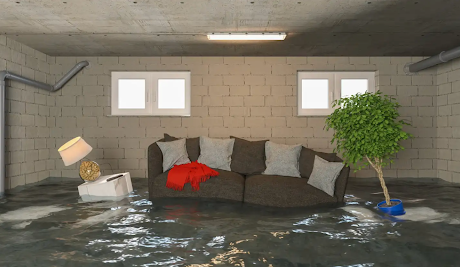
Michigan winters can be hard enough without the added stress of flooding. Between heavy snow, sudden thaws, and freezing rain, water has a sneaky way of finding its way into basements, crawl spaces, and main living areas. When floodwater creeps in, things can go downhill fast. Floors warp, walls bubble, and personal belongings often take the brunt of the damage. That’s why being prepared to handle a flood during the winter months is something no Michigan homeowner should overlook.
Timing is everything when it comes to flood recovery. Waiting even a day or two can lead to bigger problems like mold or structural damage. And in freezing temps, water dries out more slowly, which adds to the trouble. Acting quickly and knowing what to do right away can make a huge difference. One of the best things you can do after water enters your home is to rely on trusted professionals who specialize in flood cleanup in Bloomfield Hills and understand the winter challenges folks deal with around here.
Immediate Steps To Take After A Flood
Winter floods can surprise you. A warm-day meltdown mixed with poor drainage or a broken pipe can quickly turn into several inches of water collecting where it doesn’t belong. When that happens, it’s easy to panic, but staying focused and acting quickly helps you avoid further damage.
Here’s what to do first:
– Make sure everyone is safe. If the flooding is severe or rising fast, don’t wait. Leave the home and get to safety. Avoid walking through water, especially if the power is still on.
– Don’t touch electrical systems. If it’s safe and dry to do so, shut off power to the flooded area. But if the breaker box is in a damp space, wait for a professional.
– Call a flood cleanup team. Time matters. Professionals trained in flood cleanup in Bloomfield Hills can assess the damage and get to work right away.
– Take photos and videos for your records. Document the damage before anything is removed or cleaned up. This helps with insurance claims and gives you peace of mind later.
– Contain the mess. If it’s safe, try to block off the flooded area to keep water from moving into dry rooms.
While it may feel tempting to start cleaning things yourself, many Michigan homeowners find the damage is more than surface deep. Floodwaters could bring in bacteria, ruin insulation, or damage hidden wiring. That’s why bringing in the pros is usually the smarter and safer move.
Effective Water Removal And Drying Techniques
Once the water stops rising, the next step is getting it out fast. Sitting water can cause even more harm the longer it lingers. Winter conditions make drying slower, which is one reason why professional drying methods are more reliable than household fans or open windows.
Here’s how proper water removal and drying is usually handled:
– Pump out the water. High-powered pumps make quick work of standing water. In most cases, this is the first step before anything else can happen.
– Use wet vacuums and extractors. For soaked carpet, flooring, and small pockets of water, wet vacs help pull moisture trapped below the surface.
– Place fans and dehumidifiers. Commercial-grade fans keep air moving, while dehumidifiers pull moisture out of the air to speed up the drying process.
– Control humidity indoors. A humid home leads to mold. Professionals monitor moisture levels and adjust equipment placement as needed.
– Check hidden areas. Drying out basements and crawl spaces is especially important in Michigan winters, where cold, damp conditions make perfect hiding spots for mold.
Picture this: someone finds a leak under their kitchen sink after a mid-winter freeze. They clean up the puddles on the floor but don’t realize water seeped into the cabinet wall. Two days later, the room smells musty. That’s the type of thing these drying methods prevent. Quick action isn’t just about keeping your home dry. It’s about keeping it healthy.
Addressing And Preventing Mold Growth
Once water is out and the area starts drying, mold is the next issue you’ll want to keep an eye on. It doesn’t take much time for mold to develop—just a little moisture left behind and the right conditions. Winter creates a perfect storm for this because homes stay closed up tight and indoor humidity can spike if drying isn’t handled right.
You might spot mold as black, green, or even white discoloration on walls, ceilings, or baseboards. It can look fuzzy, slimy, or dry and flaky. A musty, sour smell is often one of the first clues that mold is taking root. People with allergies or breathing issues may also notice symptoms kicking up.
Trained professionals know where to look for mold and how to handle it safely. Mold spores are tiny and can go airborne, so disturbing them without proper protection only spreads the issue. This is one job where hiring the right help makes a real difference, especially when health is on the line.
Here’s how to help lower the risk of mold in the future:
– Don’t delay drying or water removal after a flood
– Keep indoor humidity levels in check during colder months
– Replace any soaked drywall, carpet, or insulation quickly
– Use treatments or sealants in damp areas like basements or crawl spaces
– Have areas checked again if you smell something off but can’t find the cause
Think of mold like weeds in a garden. Left alone, it spreads fast and chokes out everything in its way. Spotting the signs early and responding quickly can save you time, money, and frustration long term.
Restoring Your Home To Its Original Condition
Once the water’s gone and mold is dealt with, it’s time to think about making your space livable again. Winter floods can leave behind short-term messes and long-term damage, especially if materials were weakened by water or extreme temperature swings.
Restoration starts with a good look at the structure. Is the subfloor solid? Did the drywall absorb moisture too long to be saved? Are electrical outlets and fixtures dry and safe to use again? These are the types of questions professionals ask before replacing anything. They look at what can be cleaned and what needs to go.
After evaluation, here are the usual steps involved in home restoration:
– Removing damaged drywall, flooring, carpeting, or furniture
– Treating remaining surfaces to prevent future mold growth
– Drying and sealing surfaces if needed, especially in crawl spaces
– Rebuilding or replacing materials with something more water-resistant
– Inspecting HVAC systems and ducts if they’ve been exposed to water
Winter weather can make full recovery a bit more complicated. Cold temperatures slow drying times, can freeze damp materials, and increase heating costs during restoration. But with the right plan in place, it’s very possible to get things back to pre-flood condition and feel comfortable in your home again.
Ensuring Future Flood Resilience
Even if this winter’s flood caught you off guard, you can take steps now to make next time easier or maybe avoid it altogether. Preparing your home to handle storms or melting snow is worth the effort, especially in places like Bloomfield Hills where conditions shift fast.
Here are a few things that help:
– Install or maintain a sump pump with a battery backup
– Make sure your gutters and downspouts are clear and pointed away from the foundation
– Regrade your yard to guide water away from your house
– Seal cracks in your basement walls and floors before winter starts
– Check landscape drainage and consider adding swales or drainage tiles if needed
And while they’re not physical upgrades, planning and paperwork matter too. Review your flood insurance, even if you’re not in a high-risk zone, and build a home emergency kit with any medications, key documents, warm clothes, and backup power sources you might need.
A little planning can go a long way. It gives you fewer surprises and quicker solutions if something goes wrong again.
Keeping Your Home Safe This Winter
Floods during Michigan winters are tough, but the way you respond makes all the difference. When water invades your home, acting quickly and bringing in experienced help can prevent further damage and get things under control. Knowing what to expect from cleanup to mold risks to structural repairs gives you a clear path forward and a stronger recovery.
Winter flooding isn’t just a one-time event for some homeowners. It can expose weaknesses in your home’s design or maintenance that need fixing before the next snowstorm or warm-up rolls through. Treating this event as a learning moment can help you build better protections and feel more prepared next time around. Winter will keep coming back. That part isn’t changing. But the way your home responds to it can.
To protect your home from the challenges of Michigan winters and unexpected flooding, it’s a good idea to turn to trusted help for flood cleanup in Bloomfield Hills. PuroClean of Bloomfield Hills is ready to guide you through the water damage restoration process so your home stays dry, safe, and comfortable no matter what the weather brings.


 PuroClean of Bloomfield Hills