


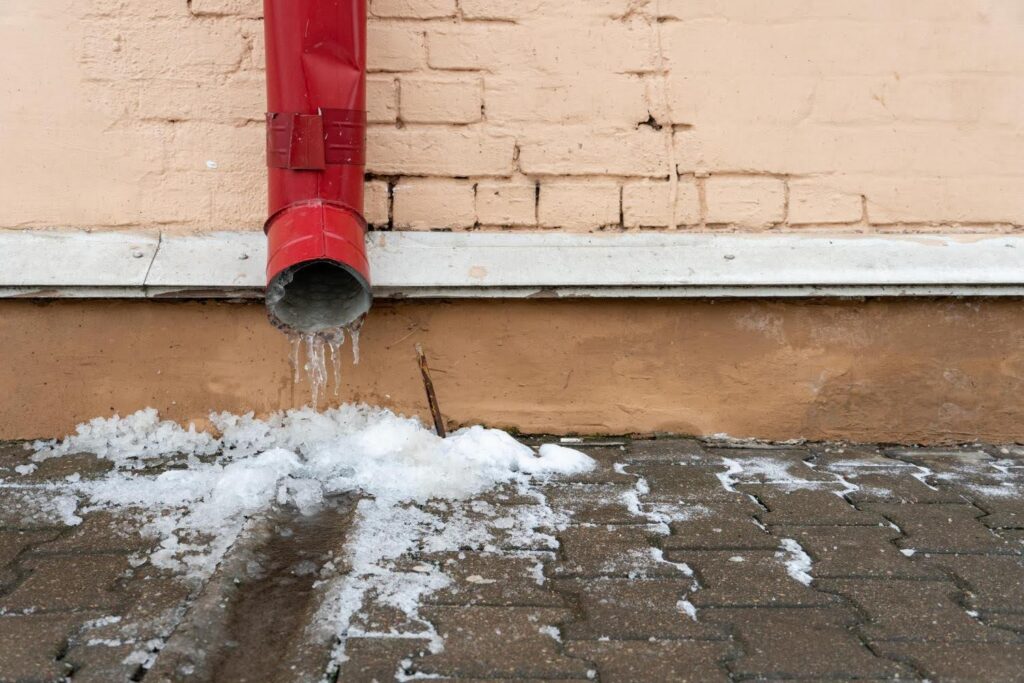
When temperatures drop fast during a Michigan winter, frozen pipes can become a serious problem. Once water in a pipe freezes, pressure builds up behind the blockage. If that pressure gets strong enough, the pipe can crack or burst. The result? Water pouring into your home, sometimes in large amounts, often creating damage that spreads quickly through floors, walls, and ceilings.
Dealing with a frozen pipe burst in the middle of winter is stressful. It can leave homeowners feeling overwhelmed and unsure of what to do first. The timing, weather conditions, and extent of the damage all make the situation feel worse. That’s why it’s important to act fast, stay calm, and know the right steps to take. Understanding how these situations start and learning what to do in the moment can help you limit the damage and keep repair costs under control.
Understanding Frozen Pipe Bursts
Frozen pipes happen when the temperature around a pipe drops low enough for the water inside to freeze. Most of the time, this occurs in pipes that run through unheated parts of a house, like basements, crawl spaces, attics, garages, and even exterior walls. When water freezes, it expands. That expansion puts pressure on the pipe from the inside. Over time, especially if temperatures remain below freezing for long stretches, the pipe may split open or burst completely.
Here are some common signs that a pipe may have frozen or is at risk of bursting:
– You turn on a faucet, and little or no water comes out
– A strange odor coming from the drain or faucet
– Frost on the outside of exposed pipes
– Bulging or cracked pipe sections
– Slow water flow in one area of the home
– Strange sounds behind the walls, like tapping or clanking
If a frozen pipe goes unnoticed, the trapped ice and pressure may eventually cause a rupture. When that happens, the pipe may release a large amount of water suddenly. Water can damage insulation, drywall, flooring, and furniture. It can also seep into hard-to-reach areas and lead to further complications later on.
Michigan winters are known to be especially cold, with quick shifts that catch homeowners off guard. One cold snap in December can be enough to trigger conditions that cause pipes to freeze. Early signs are easy to miss if you’re not looking for them, and frozen water can sit in the pipe for hours or even days before finally releasing. That’s why it’s smart to know what to look for and respond quickly when you suspect a pipe may be frozen or has already burst.
Immediate Steps To Take When A Pipe Bursts
It’s easy to panic when a pipe breaks and water is rushing into your home, but taking quick steps can help control the damage. Acting right away saves not just part of your home but also shortens how long you have to deal with the cleanup location.
Here’s what to do immediately after discovering a burst pipe:
1. Shut off the main water supply to your home. This is usually found in the basement, utility room, or along exterior walls. Stopping the water flow is your first priority.
2. Turn off the electricity in any area where water is spreading. Water and electrical systems don’t mix. This is especially important if water is near appliances or outlets.
3. Open faucets and flush toilets to drain the remaining water from the pipes.
4. Use buckets, towels, or a wet/dry vacuum to contain standing water. The faster you can dry up pooled water, the better the chances of minimizing damage.
5. Move furniture, rugs, and valuables out of the flood zone. These materials can soak up water fast and become hard to salvage if left too long.
6. Try to ventilate the space with fans or open windows to encourage drying while you wait for professional help.
For example, if a pipe bursts behind the bathroom wall on the second floor, water may rush down through the wall cavity and end up collecting in the first-floor ceiling. In a situation like that, moving quickly to stop the water and calling professionals right away helps prevent bigger structural problems.
Handling a pipe burst during a cold Michigan winter is never pleasant, and the damage can pile up fast. But having a simple plan in mind gives you more control when it counts.
Importance Of Professional Emergency Flood Cleanup Services
Once you’ve stopped the flow of water and contained as much of the mess as possible, the next step is getting the damage cleaned up properly. Water from a burst pipe doesn’t just leave puddles. It seeps into walls, under floors, and into insulation. Even after surfaces feel dry, there could be moisture hiding where you can’t see it. This is where emergency flood cleanup services make all the difference.
Trying to dry out a home using only fans and towels might seem like enough, but it usually doesn’t cut it for something as serious as a pipe burst. Hidden moisture can linger and turn into mold or weaken parts of your house. That’s especially true in tight spots like behind drywall or under wood flooring. If things are not dried out the right way and fast enough, the damage can keep spreading long after the water stops flowing.
Professional crews that specialize in flood cleanup bring the right tools, techniques, and training. They know how to find hidden pockets of water, assess how far the damage goes, and take steps to prevent mold from forming. Their drying equipment works faster than anything most people have at home, which helps limit damage to your property.
Another big advantage is speed. When it’s your kitchen or basement at risk, waiting too long can cost you materials and money. Getting help quickly not only protects your home but can also make the repair process less of a headache later. Trained cleanup crews move quickly and carefully, which gives you better chances of saving more of your space.
Preventative Measures For Future Winter Seasons
Cold weather may be out of your control, but preparing your pipes doesn’t have to be. There are a few things homeowners can do each year to lower the chances of dealing with another frozen pipe emergency.
Start with these steps to help prevent future problems:
– Insulate exposed pipes. Pipes in attics, basements, and crawl spaces often need extra protection. Foam pipe sleeves are easy to install and help prevent heat loss.
– Seal gaps around pipe entry points. Cold air can get in through holes in walls and floors. Patch up areas where pipes run through by using caulk or foam sealant.
– Keep a consistent temperature. During really cold snaps, keep your heat running both day and night. It might raise your energy bill a little, but it’s cheaper than fixing water damage.
– Let faucets drip overnight. Letting a small trickle of water run can relieve pressure inside the pipe and keep water moving, lowering the freezing risk.
– Get regular inspections. Before the temperatures drop, it helps to have a professional look over your plumbing system. They can point out spots that might need extra protection.
Also, don’t forget about the outdoor water lines. Hoses, sprinkler systems, or spigots should be drained and shut off before freezing temps arrive. One overlooked hose left connected could cause freezing to backtrack into indoor pipes.
Even if you’ve had no issues in past winters, changes in your home or unexpected shifts in weather can flip the situation. Being prepared gives you a bigger buffer if cold snaps come on fast or stick around longer than usual.
Staying Ahead of the Next Freeze
Waking up to a flooded room from a burst pipe is one of those problems you hope you’ll never face. But when it does happen, being ready makes a big difference. Knowing where your water shutoff valve is and acting quickly helps slow the damage. Following up with cleanup from professionals keeps your home from suffering damage that can stretch beyond the first signs of water.
Cold winters in Michigan are hard on pipes, but small actions now can save you major work down the line. Wrapping exposed pipes, watching the weather forecast, and keeping the heat on through frozen nights all help reduce your chances of messy water damage in the future.
Emergencies are stressful no matter what. But having even a simple plan in place gives you more control when the cold sets in. A little effort before and after an issue goes a long way toward making recovery smoother and your home safer.
Facing the aftermath of a burst pipe can be overwhelming, but you don’t have to handle it alone. When water damage strikes, getting expert support is key. Learn how our emergency flood cleanup services can help you recover quickly and protect your property. PuroClean of Bloomfield Hills is here to restore your home and peace of mind through every Michigan winter.