


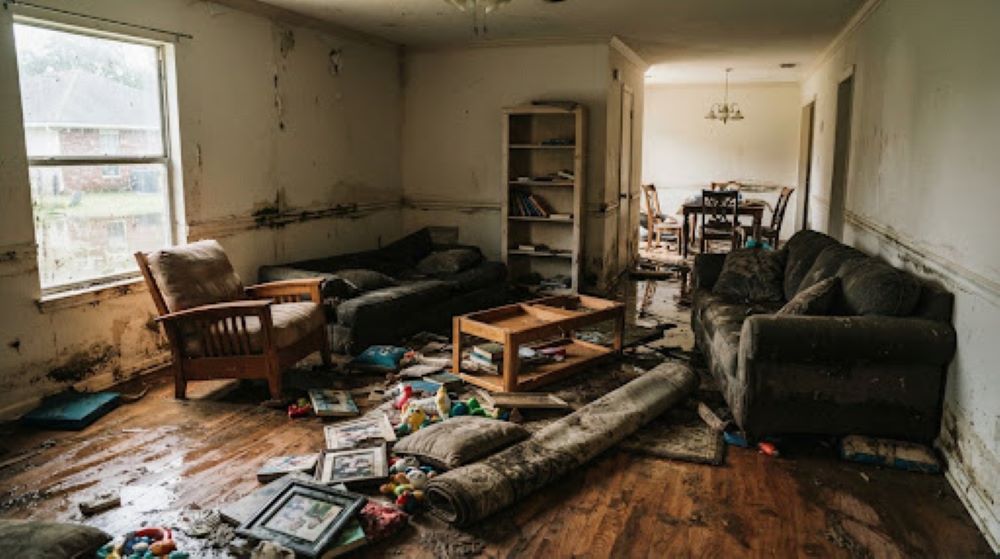
Flood cleanup moves fast. Pumps start, fans run, and numbers hit the page. But the first flood cleanup estimate you see often tells only part of the story, especially when it comes to the furniture you live on and the floors you walk on every day. Those are not just “line items.” They are the pieces that make your space feel like home or keep your business running.
We want to walk through what a typical flood cleanup estimate covers, what it often leaves out, and how you can spot the gaps before you agree to anything. When storms roll through Michigan, estimates can be rushed, and that can lead to flooring and furniture being undervalued or written off too fast. A careful, local assessment looks past surface dampness and focuses on long-term comfort and property value, not just quick drying.
Why Your Flood Cleanup Estimate May Be Misleading
Most basic flood cleanup estimates focus on big categories like:
- Water extraction and pumping
- Drying with fans and dehumidifiers
- Basic cleaning and sanitizing
- Repairs and reconstruction to walls and ceilings
Furniture and flooring are often dropped in as short descriptions with a single number next to them. That might work for a simple room, but real homes and businesses in our area are filled with different materials, finishes, and specialty pieces. One vague line can never cover all of that accurately.
During late summer storms, when calls come in around the clock, it is easy for someone to glance at a room, assume certain items are “fine,” and move on. The trouble is that moisture and contamination often hide inside the things you sit on and walk on. A proper estimate should be based on close inspection and testing, not just quick notes.
The Hidden Risks to Furniture After a Flood
Not all furniture reacts to water in the same way. Some pieces have a good chance of being restored, and others are usually not safe to keep.
Here is how common materials behave:
- Solid wood can sometimes be dried, cleaned, and refinished if the exposure was short and the water was relatively clean.
- Particleboard and low-grade composites tend to swell, fall apart, and grow mold quickly, so they are often not good candidates for restoration.
- Upholstered furniture can trap moisture deep in the cushions, batting, and frames where mold and odors develop.
- Leather may stain, crack, or absorb odors, and it often needs specialty care to be saved.
- Office furnishings with metal frames can rust and collect contamination in hidden joints and tracks.
Even when furniture looks “almost dry,” it can still hold dirty water and bacteria on the inside. That can lead to odors, staining, and health risks that are not obvious on day one. A quick estimate that lists only “clean furniture” does not tell you if those pieces will actually be safe and comfortable down the road.
A thorough flood cleanup estimate should include:
- Sort items into restore, specialty restore, or replace
- Include cleaning, deodorizing, and disinfection steps
- Account for pack-out and storage if pieces need to leave the property
- Include detailed item descriptions and photos for insurance documentation
This level of detail helps protect your health and also supports a fair outcome on your claim.
What Standard Estimates Miss About Flooring Damage
Flooring is another area where “looks okay” can be very misleading. Water behaves differently on each type of floor.
Common problems include:
- Hardwood: cupping, crowning, warping, and gaps as boards take on water and then dry unevenly
- Engineered wood: damage to the layered core and possible separation between layers
- Laminate: swelling, lifted edges, and permanent bubbles in the surface
- Luxury vinyl: water trapped under planks or tiles, leading to odors and mold at the subfloor
- Tile: loose grout, failed adhesives, and moisture trapped under the tile surface
- Carpet: staining, persistent odors, and soaked padding that does not dry evenly
If someone only checks the surface by touch, they might miss deep moisture in pads, underlayments, and subfloors. Down the line, that can turn into buckling floors, soft spots, and musty smells.
A complete flood cleanup estimate for flooring should include:
- Moisture mapping with proper tools
- Inspection of underlayment, adhesives, and subfloor materials
- Removal and disposal of damaged flooring and pad when needed
- Replacement flooring of similar quality and type
- Labor for proper installation, trim, and transitions
- Notes on how long areas may be out of use
This kind of detail reflects the real work needed to get your space back to normal, not just to “mostly dry.”
How to Read a Flood Cleanup Estimate Like a Pro
When you receive a flood cleanup estimate, it usually falls into several sections. Common ones are:
- Mitigation or emergency services (extraction, drying, containment)
- Contents (furniture and other belongings)
- Flooring (removal, drying, replacement)
- Structural repairs (walls, trim, doors)
- Cleaning and sanitizing
- Reconstruction or finishing work
Within each section, look for specific descriptions of your furniture and flooring, not just generic terms.
Red flags to watch for:
- Short phrases like “clean carpet” with no mention of pad removal or replacement
- “Wipe furniture” with no clarity on deodorizing, disinfection, or whether items are truly restorable
- One price used for all furniture, no matter the material or contamination level
- No mention of pack-out, storage, or specialty cleaning for delicate or high-value items
To protect yourself, it helps to:
- Ask how your furniture was evaluated and why items were tagged as restore or replace
- Request that pad replacement, subfloor checks, and material types be clearly listed
- Keep your own photos and videos of rooms, furniture, and flooring before and after cleanup
When you coordinate these details with your insurance adjuster, it is easier for everyone to see what was actually damaged and what it will take to fix it.
Seasonal Storms, Insurance, and Local Costs in Michigan
In Southeast Michigan, strong summer storms and heavy rain can lead to spikes in water damage claims. During busy times, some estimates get written very fast so work can start. That speed is helpful at first but risky if it means furniture and flooring are not fully evaluated.
Local factors matter too. The kinds of flooring popular in this area, from hardwood to luxury vinyl, require different repair steps. Availability of certain materials and local labor conditions can also affect how realistic an estimate is. If someone assumes a quick, simple replacement without checking what is actually installed, the numbers may be off.
When you work with your insurance company, you will want to understand:
- Your coverage for contents, which includes most furniture
- Your coverage for finishes, which includes flooring and trim
- Whether multiple estimates are allowed or requested
- How documentation, photos, and itemized line items affect payment amounts
A restoration-focused team will pay close attention to documenting the condition of your furniture and floors, which supports more accurate settlements and helps you avoid surprises later.
Frequently Asked Questions About Flood Cleanup Estimates
How Do I Know If My Furniture Is Worth Restoring After a Flood?
A trained restoration professional will look at the water source, how long items were wet, the materials involved, and whether proper cleaning is possible. Solid wood and quality upholstered pieces that had short exposure to relatively clean water often have a fair chance, while particleboard and items hit by dirty water are usually better replaced.
Why Does My Estimate Show Carpet Removal but Not Pad Replacement?
Carpet pads usually hold more moisture and contamination than the carpet on top. A thorough estimate should clearly include pad removal and replacement whenever it has been wet. If you do not see that listed, ask for clarification so you are not left with hidden moisture and odor problems.
Can a Low Flood Cleanup Estimate Hurt My Insurance Claim?
Yes, it can. If flooring and furniture are priced too low or listed too simply, the insurance payment may be based on that incomplete picture. Detailed estimates with clear descriptions, photos, and material notes usually give you a stronger base for fair coverage.
What Should Be Included for Flooring in a Proper Estimate?
A solid flooring section should include removal and disposal of damaged materials and pad, moisture testing, drying where needed, subfloor inspection, new flooring of similar quality, installation labor, and any finishing details like baseboards or transitions. It should also mention if temporary protection is needed while other repairs happen.
When Should I Call a Professional for a Flood Cleanup Estimate?
You should contact a professional as soon as it is safe to be in the building, ideally within the first day. Early help can limit damage, start the drying process, and give a more accurate read on which furniture and flooring can be saved. Prompt documentation also supports a smoother insurance process.
Restore Your Property With a Fast, Accurate Estimate Today
If flooding has impacted your home or business, PuroClean of Bloomfield Hills is ready to help you move forward with confidence. Request your flood cleanup estimate so we can assess the damage and outline a clear, step-by-step restoration plan. Our team responds quickly, explains your options, and works with you to minimize disruption. If you prefer to talk with us directly, you can also contact us to get started right away.