 PuroClean of Bloomfield Hills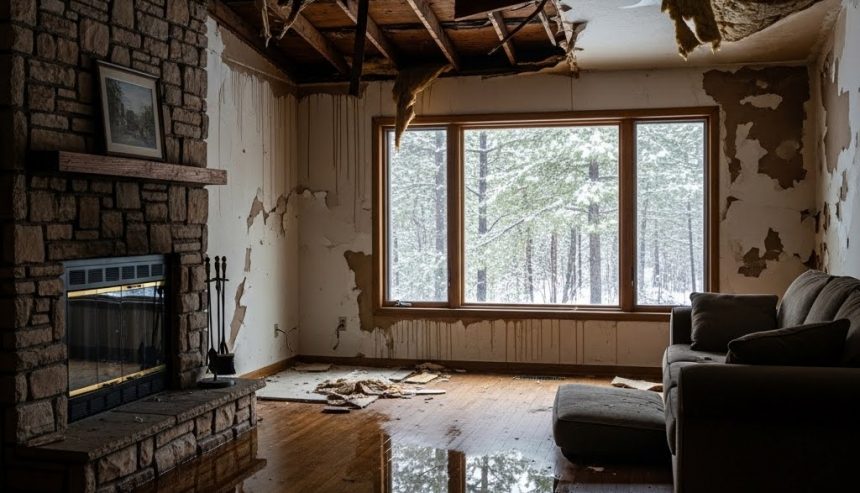
When something like a burst pipe, fire, or heavy spring storm hits your property, the first thing most people want is to get back to normal. Damage like that can upend daily life. Rooms become unusable. Furniture gets soaked or singed. Everything feels just a bit off. That’s when property damage restoration services become part of the picture. This kind of work is about more than just cleaning up. It’s rebuilding the places where people live and work so they feel safe again.
Every job is different, but the steps are often similar. It starts with clearing out debris and ends with rebuilding and deodorizing. Along the way, moisture, mold, and even air quality need to be addressed. That’s especially true in early spring here in Michigan, when snowmelt and changing weather patterns can keep dampness in the air and behind walls.
Emergency Cleanup and Debris Removal
The first step after a disaster is getting things cleared out. That means removing whatever’s been damaged right away while it’s still safe to do so. It’s common to see wet drywall, soaked insulation, or burned materials that need to be removed fast. In Michigan, this work is especially important at the end of winter when melting snow and early spring rains make buildings more likely to stay damp if not addressed quickly.
Here’s what usually happens during early-stage cleanup:
- Water is pumped out from basements or lower floors
- Burned furniture, drywall, and wood are taken out
- Soot, ash, and debris are swept or vacuumed from surfaces
- Damaged items too risky to keep, like soaked carpets or ceiling tiles, are hauled away
This first round of work sets the stage for everything that happens next. There is no way to move forward with drying or repairs until the space is free of damaged materials.
Structural Repairs and Rebuilding Work
Once things are cleared, we check the building’s structure. That means walls, ceilings, subfloors, and any support framing. These parts of the building do more than hold up walls; they help keep the space livable and safe. If water has soaked the studs behind drywall or if fire has weakened beams, we need to restore those before anything else gets done.
Spring also brings its own set of challenges. Michigan winters often leave behind warped drywall from ice dams, or soft patches in the roof where snow piled up. All of that gets tracked and repaired.
Our focus in this part of the work is:
- Rebuilding areas damaged by water or heat
- Reinforcing compromised supports
- Swapping out ruined flooring layers
- Making sure repaired sections meet safety standards
These fixes often happen behind the scenes, but they’re what make the space solid again.
Drying Out and Removing Moisture
Water damage isn’t always visible. In Michigan, late-winter conditions mean moisture tends to linger, especially in crawlspaces, wall cavities, or under floorboards. The longer it sits there, the more it soaks into wood, drywall, and insulation. That’s why this part of restoration focuses on drying, not just surface drying, but deep drying that gets to the materials underneath.
We bring in professional equipment that pulls out water that regular household fans or heaters just can’t reach.
The process usually involves:
- Turning on air movers to circulate dry air
- Using dehumidifiers to pull moisture from enclosed spaces
- Running moisture scans to check for hidden dampness
- Removing items that won’t dry completely, like water-damaged insulation
By getting ahead of hidden moisture early, we lower the chance of future mold or material breakdown.
Smoke, Soot, and Odor Removal
Even small fires leave behind more than burned spots. Smoke can drift into ducts or settle into soft furniture, and soot can coat ceilings, windows, or walls. It leaves a smell and a gritty film that basic cleaning products don’t fix.
That’s why fire recovery includes full deodorizing and scrubbing, not just wiping visible spots, but treating the air and objects that might have picked up odors.
Our steps for this part usually look like this:
- Wiping soot off walls, woodwork, and ceilings
- Using air scrubbers or filters to remove smoke smell from the air
- Cleaning HVAC systems, especially vents and ductwork
- Treating upholstery and soft materials with odor removers
Restoring a space after smoke damage means going beyond the surface, making sure everything smells and feels right again.
Addressing Mold Growth After Water Damage
Mold is a common risk after water damage. It doesn’t always show up right away, either. In some Michigan homes, especially toward the end of winter, moisture trapped behind walls or under flooring can lead to mold starting in places people don’t look often. Crawlspaces, wall studs, and even behind tile can all become problem spots.
Finding mold early matters. Once it spreads, it becomes harder to handle and more expensive to cut out. Part of property damage restoration services includes identifying and fixing mold before it takes a stronger hold.
This part of the work involves:
- Scanning hidden areas with moisture tools
- Looking for mold inside walls, not just on surfaces
- Removing affected drywall or framing if necessary
- Treating surfaces with mold-neutralizing products
It’s part of a full repair process, not a separate phase, so we tackle it while other repairs are happening.
Getting Back to Normal With More Confidence
Damage repair isn’t just about patching holes or removing water. It’s about bringing life back into a space. We know that when disaster hits, people want more than a clean floor; they want to feel safe living or working in their building again.
That’s what full restoration includes. Everything from sweeping up glass and debris to rebuilding walls, drying out hard-to-reach water, and clearing out fire odor all fall under a larger repair plan. Property damage restoration services are there to catch every piece of that plan so homes and businesses can move forward with more peace of mind, knowing nothing was left behind.
When repairs are needed after water, fire, or storm damage, everything depends on getting it right from the start. We don’t just patch what’s visible; we address the entire structure to fix underlying issues too. That means removing damp materials, tearing out weakened sections, and rebuilding each layer until it’s strong again. You can count on our property damage restoration services to support you through every step so your home or business in Michigan feels safe again. Contact PuroClean of Bloomfield Hills today to get started.
 PuroClean of Bloomfield Hills