 PuroClean of Bloomfield Hills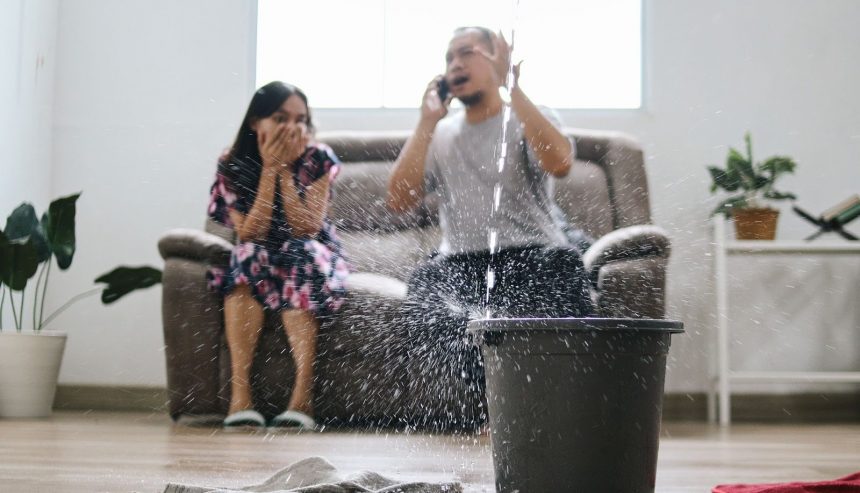
Winter in Michigan can be beautiful, but it also brings along its own set of home hazards. One of the most common problems people face once the temperatures drop is burst pipes. When water in the pipes freezes, it expands, putting pressure on the metal or plastic pipe walls. That pressure can be too much, causing the pipe to crack or burst. When the ice thaws, water has a clear path to rush out and flood the surrounding area.
This issue isn’t just an inconvenience. A burst pipe can send gallons of water spilling into your home within minutes. Floors, walls, furniture, and valuables can be damaged before you even realize what’s happening. Acting fast can help you avoid some serious headaches. The quicker you deal with a pipe burst, the more likely you are to reduce long-term damage.
Immediate Actions To Take
When a pipe bursts during frigid weather, time is not on your side. The first few minutes can make a big difference in how bad the damage gets. If you find yourself dealing with a frozen or broken pipe, these are the first steps to follow:
1. Turn Off the Main Water Supply
This is the first and most important step. Find the main shut-off valve in your home and close it right away. This stops more water from flowing through the damaged pipe and helps limit the flood area.
2. Cut the Electricity in the Affected Area
Water and electricity are a dangerous mix. If the water is near any outlets, appliances, or power sources, safely turn off the circuit breaker for that part of the house until professionals arrive.
3. Call Emergency Water Extraction Services
After stopping the water and ensuring safety, the next step is getting the water out. These kinds of messes can’t wait, especially when soaked walls or floors can lead to bigger problems. Emergency crews come prepared to act fast and prevent more damage.
Quick action helps reduce how much destruction the water can cause. Even if the area looks like it’s draining on its own, delays allow moisture to seep into the structure of your home. That can result in warped floors, weakened drywall, or even mold showing up later. Just ask someone who’s had wet carpet sit overnight without being dried right away. It’s usually a mess that leads to smells, stains, and worse.
Effective Water Extraction Techniques
Once help is on the way or has arrived, the focus shifts to getting the water out efficiently. Basic cleanup with towels won’t do much when gallons of water are involved. Standing water needs to be removed fast, and that takes the right tools and knowledge.
Here’s how trained professionals usually handle water extraction:
– Pumps for Heavy Flooding
Submersible pumps help pull out large amounts of standing water from the space. Basements and lower levels are common areas where this is needed first.
– Wet Vacuums for Smaller Areas
For sections with less water, wet-dry vacuums are useful for extracting water from rugs, floors, and tight corners.
– Dehumidifiers and High-Speed Fans
Once the visible water is gone, it’s time to dry out the moisture still left in the air, walls, and flooring. Industrial-grade fans and dehumidifiers help reduce humidity and prevent damp surfaces from becoming a mold risk.
– Moisture Meters to Track Hidden Dampness
Some areas might feel dry but are still wet inside. These tools help check behind walls or under floors.
A job done too quickly or without proper care can let lingering moisture lead to long-term damage. That’s why rushing through cleanup without the right process can be a bigger issue than the burst pipe itself. Professional water extraction isn’t just about speed. It’s about doing it correctly from the very start.
Preventing Secondary Damage
Once the water is out, you’re not exactly in the clear yet. Damp materials left behind can still cause trouble, especially when it comes to mold. The longer moisture sits in walls, wood, and insulation, the more likely it is to trigger damage that spreads slowly but deeply across your home.
Mold can start forming in hidden spots like behind drywall, under cabinets, or inside air vents. You might think everything’s fine because the surface feels dry, but hidden moisture could still be active underneath. This is where delayed cleanup really comes back to bite. Along with mold, that lingering dampness can lead to musty smells, swollen wood, and warped flooring.
After a burst pipe, here’s what needs to happen to keep things from going downhill:
– Remove soaked carpeting, furniture, and insulation that can’t be saved
– Cut out drywall or baseboards that absorbed water
– Have the entire area checked for moisture with proper tools
– Get professional help if mold is discovered or suspected
The structure of your home shouldn’t be ignored during cleanup either. Saturated wood beams or floorboards can weaken if they aren’t dried out properly, which may affect the overall safety of the space. It’s far better to have someone assess these materials early on than to wait until sagging floors or peeling paint start showing up weeks later.
Acting fast right after a burst pipe happens is good, but making sure the damage doesn’t return later matters just as much.
Ensuring Future Protection Against Burst Pipes
Cold snaps in Michigan aren’t going anywhere, and burst pipes tend to hit the same homes again if nothing changes. Once you’ve gone through it once, you start thinking about how to keep it from happening again. A few proactive steps can go a long way.
Here are some ways to help protect your pipes during freezing months:
– Insulate all exposed pipes, especially those in unheated areas like basements, attics, or garages
– Keep cabinet doors under sinks open when freezing temps hit, so warm air can circulate around pipes
– Allow a slow drip from faucets during extreme cold to keep water moving and reduce pressure
– Seal cracks near pipes, especially where they exit the home, to block cold air from creeping in
– Schedule regular plumbing check-ups before winter kicks in to spot any weak spots early
– Consider installing a water leak detection system that alerts you when pipes start leaking or freezing
Even with all these tactics, there’s no way to guarantee that pipes won’t freeze. But reducing the chances gives you peace of mind, especially when your home is at risk during the coldest parts of the season.
Get Ahead of the Cold Before It Hits Hard
Burst pipes are stressful, messy, and expensive if left unchecked. But knowing what to do when they happen can save you time, money, and heartache. Once freezing temperatures hit, it’s smart to already have a plan in place, from how to shut off your water to who to call for emergency water extraction services in Michigan.
Fall is the best time to start preparing for what’s coming. It’s easier to make updates and improvements now than to deal with cleanups mid-winter. Take the time to check insulation, inspect plumbing, and make sure you and your family know your emergency steps if a pipe bursts.
With the right knowledge and a little preparation, your home has a much better shot at staying dry and damage-free, even when the temperatures outside take a nosedive. Whether it’s your first cold season in Michigan or you’ve seen your fair share, it’s never too late to improve your home’s defenses.
If a pipe bursts in your home, get help fast from a team that knows how to handle it right. PuroClean of Bloomfield Hills is here to protect your property with fast and dependable emergency water extraction services that stop more damage before it starts. Get in touch with us today and let us help keep your home safe and dry.


 PuroClean of Bloomfield Hills