


The First 72 Hours After a Fire Matter Most
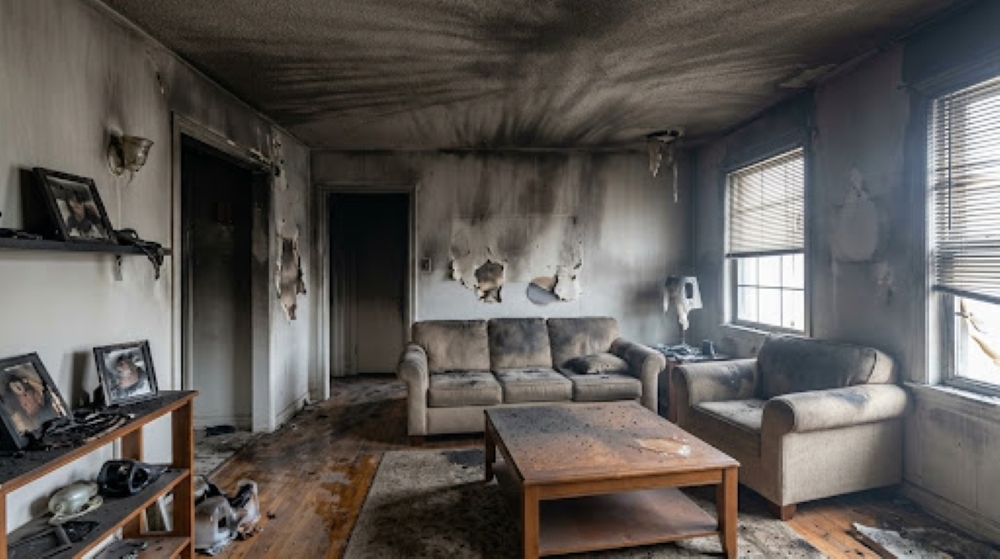
When a fire is out and the fire trucks leave, it is easy to think the worst is behind you. The flames are gone, the house is standing, and you finally walk back inside. Then the sharp, smoky odor hits, and you notice a sticky film on walls, counters, and light switches. Many families in Bloomfield Hills and nearby Michigan communities face this same shock.
What you see and smell is only part of the problem. Smoke residue keeps working long after the fire is over. In the first 72 hours, corrosion, staining, and air quality problems can grow quickly. That short window can make the difference between items that can be saved and items that are lost for good.
In this article, we will explain what smoke residue really does to your home, how it affects health, how it invades your HVAC system, and what to do in those first three days to protect your home and your family.
What Smoke Residue Really Does to Your Home
Smoke is not all the same. Different fires create different types of smoke, and each kind leaves its own kind of mess.
Common types of smoke include:
- Wet smoke from slow, smoldering fires that leaves thick, sticky residue
- Dry smoke from fast, hot fires that leaves fine, powdery soot
- Protein-based smoke from kitchen or food fires that creates thin, hard-to-see films and strong odors
- Fuel or oil soot from garages or equipment that clings tightly and can be very stubborn
All of these can cling to surfaces, coat ceilings and walls, and sink into porous materials like drywall, insulation, fabric furniture, clothing, and unfinished wood. That is why rooms that did not burn can still smell smoky and feel dirty.
Smoke residue is often acidic. Within hours, it can start to:
- Tarnish and pit metal fixtures and plumbing
- Stain bathroom and kitchen surfaces
- Damage finishes on appliances and hardware
- Affect electronics and small devices
You may notice yellowing on painted walls, permanent stains on countertops, and cloudy spots or etching on glass and mirrors. Smoke also travels to cooler areas, into closets, up stairways, and into rooms far from where the fire started. Soot particles can hide in cracks, light fixtures, cabinets, and behind trim.
Trying to wipe soot away with water and regular cleaners can spread it around and push it deeper into surfaces. Scrubbing the wrong way can scratch finishes or set stains so they are harder to remove later. That is one reason why quick help from trained smoke damage restoration professionals is so important.
Hidden Health Risks of Lingering Smoke and Soot
When the visible smoke clears, it is easy to forget that tiny particles are still in the air and sitting on surfaces. These microscopic bits of soot and ash, along with toxins and volatile organic compounds from burned materials, can affect how safe and comfortable your home feels.
Lingering smoke and soot can:
- Irritate the nose, throat, and lungs
- Trigger coughing, wheezing, or shortness of breath
- Lead to headaches or dizziness in some people
- Cause skin or eye irritation on contact
Children, older adults, pregnant people, and anyone with asthma, allergies, or heart and lung problems tend to be more sensitive. They may react more quickly or more strongly to smoky air and dusty surfaces.
As weather warms up in late spring and early summer, more off-gassing can happen from burned plastics, flooring, and building materials. If windows are closed due to pollen or for A/C use, those odors and particles can linger in your indoor air even longer.
Candles, sprays, or air fresheners may cover the smell for a short time, but they do not remove the residue that is causing it. Professional smoke cleanup often includes:
- Targeted cleaning of hard and soft surfaces
- HEPA-filter air scrubbers to help capture fine particles
- Deodorization methods that neutralize odors instead of masking them
This kind of cleaning helps your home feel safer to breathe in again, not just better-smelling.
How Smoke Invades and Contaminates Your HVAC System
During and after a fire, smoke naturally drifts toward cooler air and moving air. Your HVAC system pulls air in, heats or cools it, and then pushes it through ducts to every room. That same system can easily pull smoke, soot, and odor into its parts and spread them all over your home.
Smoke and residue can:
- Coat AC and furnace coils
- Collect on blower fans and inside the air handler
- Build up in ductwork and vents
- Load up filters much faster than normal
When you turn the heat or AC back on, you may notice smoky odors coming from vents in rooms that looked untouched by the fire. Over time, that soot can reduce system efficiency and may contribute to wear on sensitive components.
Warmer weather in Bloomfield Hills means more AC use and more time spent indoors trying to stay comfortable. If the HVAC system is contaminated, it can keep recirculating smoke particles and smells just when you most want fresh, clean air.
Smoke damage restoration often includes a plan for your HVAC system, such as:
- Keeping the system off until it is checked for damage
- Replacing filters and pre-filters
- Coordinating professional duct cleaning when needed
- Deodorizing ducts and components to help stop re-contamination
This helps prevent your HVAC from becoming a constant source of new odors and residue.
Critical First 72 Hours: Steps to Protect Your Home
Those first three days after a fire are a race against time. Quick, calm action can protect both your property and your health.
Once the fire department says it is safe to enter, consider the following steps:
- Contact a qualified smoke damage restoration company right away
- Limit how much you walk through the home to avoid tracking soot
- If safe and weather allows, carefully open a few windows to let in fresh air
- Take photos and videos of damage before anything is moved
At the same time, there are things you should avoid doing:
- Do not turn on the HVAC system or fans until they are checked
- Do not wash painted walls, papered surfaces, or wood trim
- Do not try to clean electronics, appliances, or metal items on your own
- Do not scrub carpets, rugs, or upholstery with household cleaners
In the first 72 hours, a professional team will typically:
- Assess smoke and moisture damage throughout the property
- Help protect high-value items and set aside items that need special care
- Apply corrosion-control steps for metals and electronics where possible
- Begin targeted soot removal using methods suited to each surface
- Set up air scrubbers and deodorizing systems to start improving air quality
Acting fast can help:
- Save more of your personal belongings
- Reduce long-term staining and structural damage
- Keep odors from soaking deeply into materials
- Support a smoother insurance claim process
Partner with Local Experts to Restore What Matters Most
After a fire, time, moisture, and smoke residue all work against you. Corrosion, staining, and air quality problems start right away and grow by the hour. You do not have to sort through it alone, and you should not have to guess what is safe to clean or keep.
At PuroClean of Bloomfield Hills, we provide 24/7 residential and commercial restoration, including smoke damage restoration, across Bloomfield Hills, Troy, Birmingham, Rochester Hills, and surrounding Michigan communities. Our team responds quickly, uses specialized equipment, and follows clear steps to help protect your home, your belongings, and your indoor air after a fire.
Keeping the right plan in mind before an emergency can give you some peace of mind. Save our name and be ready to ask questions about preparation and response so you know what to do if smoke ever affects your property. With fast action and the right local partner, it is possible to move from a smoky, damaged space back to a cleaner, healthier home.
Restore Your Home And Peace Of Mind Today
If smoke has affected your property, we are ready to help you safely reclaim your space. Our expert smoke damage restoration services at PuroClean of Bloomfield Hills are designed to address damage quickly and thoroughly. Reach out so we can assess your situation, explain your options, and begin the cleanup process right away. If you are ready to talk with a local specialist, please contact us today.