


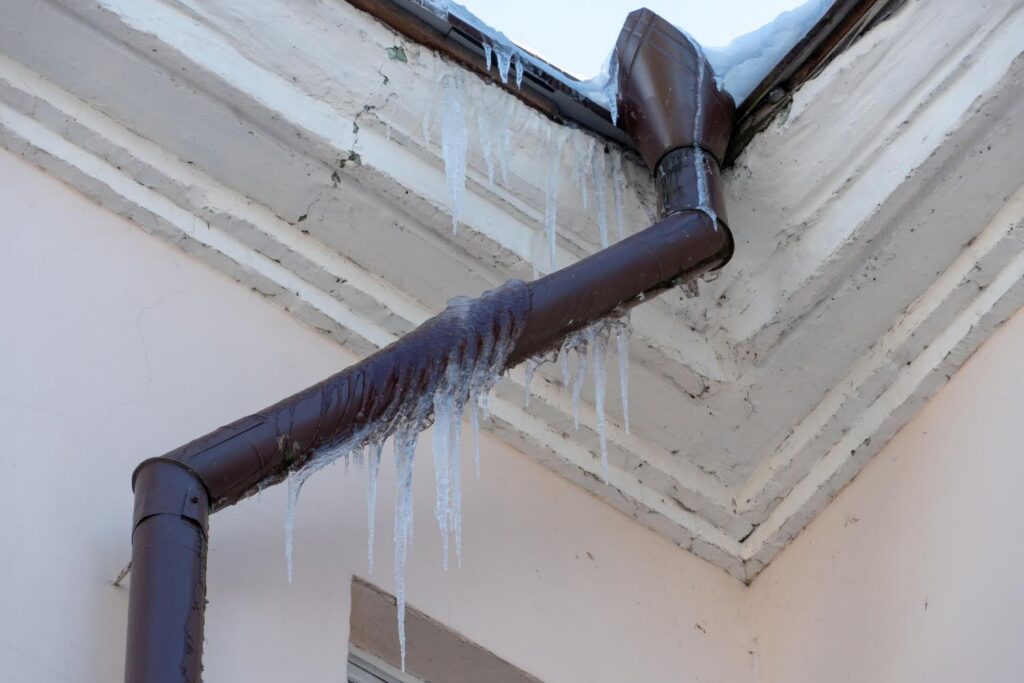
Bloomfield Hills winters can swing from mild to bitter cold fast, and that kind of temperature drop puts serious stress on your plumbing. Frozen pipes aren’t just a nuisance, they’re one of the quickest ways winter weather turns into expensive water damage. A pipe can freeze overnight, split quietly inside a wall, and flood your home the moment temperatures rise enough for the ice to thaw.
The tricky part is that most pipe damage doesn’t look dramatic at first. Water can travel behind drywall, under floors, and into insulation long before anyone realizes what happened. That’s why knowing how frozen pipes work, and why they burst, is one of the smartest ways to protect your home during Michigan’s coldest weeks.
How Cold Temperatures Affect Your Pipes
Frozen pipes don’t burst just because they’re frozen. What actually happens is that water expands as it turns to ice. That added pressure has nowhere to go in a closed pipe. So if there’s ice blocking one end and the water keeps freezing behind it, pressure builds up inside the pipe walls. When it gets high enough, the pipe cracks, often at joints or worn spots.
You might not see this happen in real time. The damage usually becomes clear when temperatures start to rise and the ice melts. That’s when water starts rushing out through those cracks. Suddenly, you’re dealing with a leak or even a full indoor flood.
Common Places Bloomfield Hills Pipes Freeze First
Not all pipes react the same way to cold. Some are more likely to freeze early in the season or overnight when temperatures sharply drop. These spots show up again and again in homes across Bloomfield Hills:
• Pipes in outer walls that don’t have much insulation
• Lines tucked behind base cabinets, like the kitchen sink
• Basement plumbing near rim joists or small windows
• Runs that pass through garages or bonus rooms over the garage
• Pipes located near attic spaces or vents with gaps
• Outdoor faucets and supply lines, especially if they weren’t disconnected
Even new homes with modern features can have cold pockets that cause pipes to freeze quicker than expected. It often comes down to location and airflow.
What Really Happens When a Pipe Bursts
At first, the problem is quiet. Ice forms in part of a pipe. Water builds up behind the ice. Pressure climbs. The pipe splits, but nothing leaks, yet.
The moment the ice starts to thaw, water rushes through, looking for the fastest way out. That’s usually through the split. And if that split is tucked behind drywall or in the ceiling, water finds its way through materials that aren’t waterproof. Within minutes, water spreads across floors, drips through ceilings, or runs down walls.
The damage isn’t always obvious right away. Sometimes, the first sign is a musty smell, or a soft spot in the wall or ceiling. Other times, it’s sudden, water spreading across a floor or pouring into a light fixture.
The Types of Property Damage That Follow a Burst Pipe
Pipes carry water where you want it, but once one breaks, that same water goes everywhere it shouldn’t. After a burst, it’s common to find damage in:
• Drywall and ceiling panels
• Hardwood, carpet, and subflooring
• Cabinets, especially in kitchens and bathrooms
• Insulation inside exterior walls
• Decorative trim, paint, and baseboards
• Furnace ducts or air returns
When the water reaches parts of the home you can’t see easily, like behind walls or under floors, it can stay trapped a long time. That’s when problems like hidden rot or mold can start. Winter makes it worse, since it’s harder to open windows and dry things out.
How Water From Burst Pipes Impacts Different Homes
Not all homes react to water damage in the same way. That’s why restoration is never exactly the same from house to house. Single-family homes often see water pool in basements or lower levels. Water may seep into finished flooring, soak furniture, or damage family storage areas.
Multi-unit buildings can be even more complicated. One burst pipe can affect multiple floors. Water can pass through shared ceilings, harming units below before anyone notices. In these kinds of homes, ceilings and floor structures may need more work to stay safe.
Basements in Bloomfield Hills homes are often the first to show signs of damage. But upper-level leaks are just as serious. When water runs down through attic insulation or wall voids, it can settle deep out of sight. That’s why many winter projects we handle fall under heavy home flood damage restoration cases, not just surface cleanup.
What to Expect During the Restoration Process
Once we confirm the source of the water damage, the next steps move fast. First comes water removal. We remove standing water with commercial equipment. Then we check behind walls, under floors, and inside ceiling spaces for hidden moisture.
We use state-of-the-art equipment and advanced drying techniques to ensure thorough moisture removal and help prevent further structural and mold issues. As part of every restoration, our technicians monitor and document the drying process to validate your property is completely dry and safe. We also remove any drywall, insulation, or flooring that cannot be saved.
After the drying process is complete, the cleanup stage begins. Surfaces are cleaned and treated, and we rebuild anything affected. Repairs can include new drywall, paint, flooring, or cabinetry. Depending on how widespread the burst was, this timeline can range from a few days to a few weeks.
The Benefits of Timely Restoration Service
Winter water damage doesn’t often fix itself quietly. The thing about moisture is it keeps working even when it looks like the surface has dried. Behind walls or in corners, damp spots can stay active. Over time, they lead to rotten wood, soft drywall, or fungus growth that makes the air smell unpleasant.
Emergency water extraction and damage assessment is available 24/7 from us so you can reduce damage and property loss after a burst pipe. When you act fast, you take away the chance for water to continue spreading. You also make the cleanup and rebuild process shorter. More importantly, you stop your house from becoming an unsafe space. Cold weather can make all of this take longer, which is why time matters.
Especially in Bloomfield Hills, where winter weather hangs around and temperatures stay low, knowing how quickly frozen pipes can go from quiet to overwhelming helps you protect your property and family. Fixing the damage early helps keep your home safe, dry, and comfortable as winter weather drags on.
Water from a frozen pipe can move quickly behind walls and floors, causing damage where you might not expect. At PuroClean of Bloomfield Hills, we know how unpredictable burst pipes can be during Michigan winters. Our team has managed all types of pipe problems, and we understand that restoring your space means more than just drying out wet areas. For help getting your home back to normal after a plumbing freeze, start with our home flood damage restoration. Give us a call when you’re ready to take the next step.