 PuroClean of Bloomfield Hills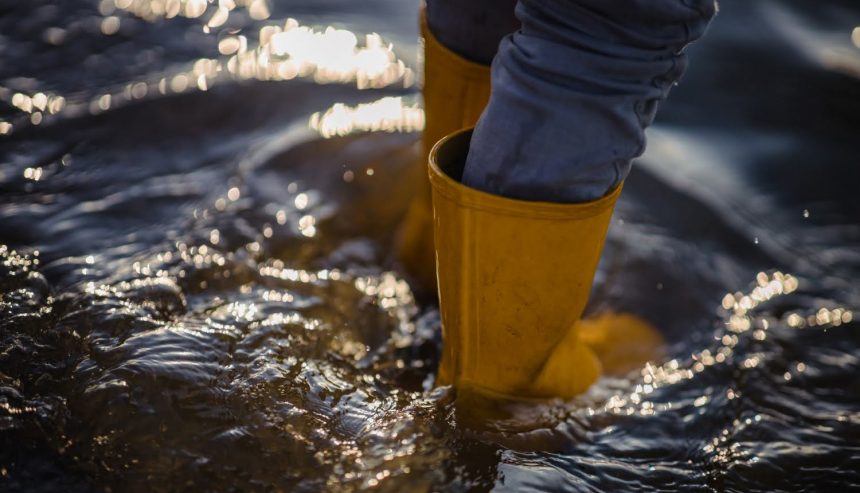
When major flooding impacts a home or commercial building, things can feel out of control fast. Water spreads quickly, ruins surfaces, and soaks into places that aren’t easy to reach. That’s when a flood restoration company steps in. We come prepared with gear, trained techs, and a clear plan to get everything under control. Our IICRC certified technicians use the PuroClean QuickDry System with advanced drying, dehumidifying, deodorizing, and disinfecting equipment to help bring properties back toward normal conditions efficiently.
This kind of cleanup isn’t quick or simple. Floodwater can cause deep damage, far beyond wet carpets and puddles on the floor. In places like Michigan, the end of winter brings new problems. Melting snow combines with heavy rainfall and leftover pipe damage, which adds more pressure to the season. Our work starts by understanding the size of the flood and making a plan to bring the space back to a livable condition.
What Triggers the Need for a Full-Scale Restoration
Flood cleanups in late winter or early spring aren’t always caused by major storms. In Michigan, we often deal with a combination of things. Frozen pipes cracking from cold snaps, rapid snowmelt, or extended rainfall after a sudden warmup can all lead to flooding indoors.
When water collects inside a home or office, it usually starts in the lowest points like basements or crawlspaces. But the real problems show up when that water spreads. Flooding can stretch beyond one room or level, soaking into drywall, spreading across floors, and reaching hidden areas. That’s when a normal cleaning job becomes serious restoration work.
Some signs that a property might need full restoration include:
• Water reaching walls, insulation, or ceiling areas
• Floors starting to cup, swell, or pull apart
• Strong odors that don’t go away after surface water is gone
Once we see signs like this, we know we’re dealing with more than just surface damage.
How Crews Restore Water-Soaked Spaces
The first part of our cleanup is removing the standing water. We use water pumps and professional vacuums, depending on how deep and widespread the flooding is. No matter how much water came in, it has to come out first before the real restoration begins.
Next, we check where the water went. Floodwater can follow strange paths inside a building. It might climb up drywall, slip between floor layers, or get pushed inside air ducts. We use moisture meters and thermal imaging tools to track that water in real time. This step helps us find soaked areas that aren’t visible on the surface.
To dry the structure, we place high-speed air movers and large dehumidifiers across the space. These tools help move moisture out of materials like wood and drywall and pull humid air from the room. We measure and log moisture levels each day and adjust equipment until structural materials and contents reach established drying goals based on industry standards. This drying stage is key to stopping longer-term issues, like weakened framing or mold growth inside walls.
Removing Damaged Materials and Debris
Once the water is gone and the space is dry, the next step is tearing out what can’t be saved. When floodwater touches porous materials, there’s always a risk of lingering bacteria or moisture. We don’t guess; we remove anything that looks or smells impacted.
Most of the time, these items include:
• Carpet, padding, and baseboards soaked by floodwater
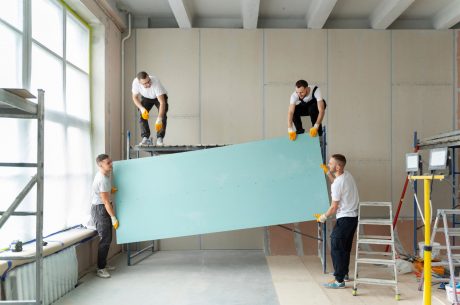
• Lower sections of drywall cut out to stop trapped moisture
• Insulation behind walls, if it’s wet or smells musty
Anything that can’t be cleaned deep enough gets lifted, bagged, and thrown away properly. After the removal, we clean all exposed surfaces with antimicrobial washes. That stops bacteria and mold from taking hold while the space sits open.
Restoring What Can Be Saved
Cleanup doesn’t mean clearing everything out. Some items and surfaces can be cleaned, dried, and returned to use. Once we know something’s safe to keep, we give it what it needs to stay that way.
We might use light pressure washing or fogging to sanitize surfaces like wood framing or concrete walls. Air scrubbers help cycle out any remaining smells that settled in the air or vents. If odors are still strong, ozone machines might be used to remove them from inside walls or furniture.
Here’s what might be cleaned and restored:
• Wood framing with minor water staining
• Solid furniture that wasn’t fully soaked
• Structural materials where moisture levels now test dry
Things that can be restored safely are always a win. It’s better for the building and helps speed up the repair.
Coordinating Long-Term Recovery Work
After cleanup, we start thinking forward. Water damage isn’t really over once the drying is finished. Most properties need patchwork and repairs to get back to normal.
Small repairs might include patching drywall or replacing sections of flooring. Bigger jobs may require drywalling an entire room, installing new floor systems, or repainting to match surrounding areas. Every recovery depends on how far the flood went and what it touched.
Staying organized means logging what we pull out and what needs to come back in. We keep track of which areas were most damaged and check those parts closely before starting rebuilds. During these longer recoveries, communication matters. We keep property owners in the loop about what’s happening and when.
Making Space Safe and Livable Again
Large cleanup jobs aren’t quick, but the goal always stays the same. We restore the space until it’s clean, dry, and safe enough to live or work in again. That means treating what’s visible and what’s hidden, especially behind walls, under flooring, or in the ceiling.
It’s not just about putting things back the way they look. It’s about making sure the building isn’t hiding leftover moisture, smells, or bacteria that could hurt people later. When property owners understand each part of the job, it helps take some of the stress out of the process. Knowing what’s ahead makes getting back to normal just a little easier. PuroClean of Bloomfield Hills is available 24 hours a day, 7 days a week, to respond to flood and water damage emergencies for homes and businesses in Bloomfield Hills and nearby Michigan communities.
When flooding impacts your Michigan property, addressing the damage quickly makes all the difference. As a trusted flood restoration company, we move fast to dry out your structure, remove damaged materials, and clean up anything too risky to keep. At PuroClean of Bloomfield Hills, our team is committed to restoring your space safely and efficiently. Call us today to get started.


 PuroClean of Bloomfield Hills