


Stop Basement Odors Fast After Spring Flooding
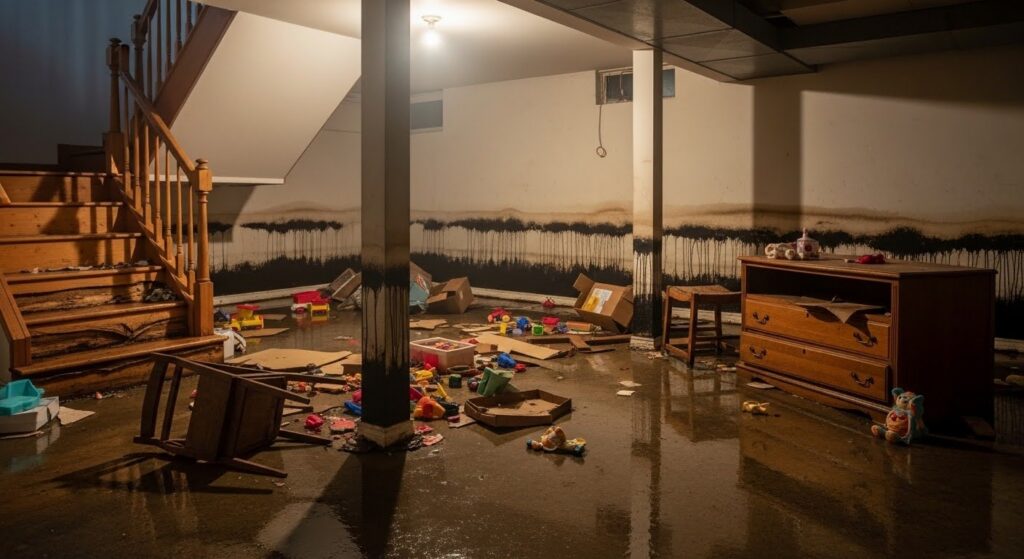
Basement odors that show up after a flood are not just annoying; they are warning signs. Many homeowners in Bloomfield Hills and nearby Michigan communities notice smells weeks after the snow melts or after heavy rain, even when the standing water is gone. That is because moisture, sewage, and hidden damage stay behind long after the floor looks dry.
Those odors can point to real health and safety issues, like sewage contamination, mold growth, and lingering damp materials that can hurt your home’s structure. When the air in your basement smells “off,” your nose is telling you something is wrong. In this article, we will walk through how to tell if the smell is from sewage, mold, or just wet building materials, and what a professional inspection from a company like ours includes.
How to Tell If the Smell Is Sewage-Related
Sewage odors usually have a very strong and very distinctive scent. People often describe it as a rotten egg or sulfur smell, or like a bathroom that has not been cleaned in a long time. If the odor gets worse near floor drains, the sump pump, or a lower-level bathroom, sewage could be the source.
Some common clues that point toward sewage problems include:
- Rotten egg or sulfur-like smell that makes you want to step back
- Gassy, “bathroom” odor near drains or the sump basin
- Gurgling or bubbling sounds from floor drains or toilets
- Damp or stained areas around floor drains after storms
After heavy Michigan rains, storm and sanitary systems can get overwhelmed. When that happens, contaminated water can push back into basements. That water can carry bacteria, viruses, and parasites. Cleaning that on your own can expose you and your family to serious health risks, especially if you do not have the right training or protective gear.
During a professional inspection for suspected sewage issues, we focus on:
- Tracing where the backup started and how far it spread
- Checking drain lines, floor drains, and the sump area
- Inspecting building materials, contents, and surfaces that may be contaminated
- Developing a plan for safe extraction, cleaning, sanitation, and, if needed, reconstruction
The goal is not just to get rid of the smell, but to remove the contamination that is causing it, so your basement is truly safe again.
Spotting Mold Odors After a Wet Basement
Mold has its own unique smell. It is often called “musty,” “earthy,” or like an “old basement” odor. With mold, the smell tends to linger even when everything looks dry to the eye. It may be stronger in corners, along baseboards, near exterior walls, or behind boxes and stored items.
Flooding and high humidity create perfect conditions for mold growth. Moisture can stay hidden:
- Behind finished walls and paneling
- Under flooring, like carpet, pad, or laminate
- Inside insulation and wall cavities
Mold can begin to grow in as little as a couple of days when damp conditions stay in place, especially as temperatures rise after the spring thaw. That is why odors sometimes show up suddenly weeks after a flood, when hidden areas finally develop active growth.
Certified mold remediation services use a careful inspection process to track down these hidden problems. A typical mold-focused inspection may include:
- Moisture mapping, to see where materials still hold water
- Thermal imaging, to find cold, damp spots behind surfaces
- Air and surface sampling, when appropriate, to confirm mold presence and types
- Checking hidden areas, like behind baseboards or inside wall cavities, when needed
The goal is to find all mold colonies, not just the ones you can see. Incomplete cleanup can leave spores behind, which means odors and growth often come back.
When It’s Just Wet Materials and Lingering Dampness
Not every bad basement smell means heavy mold or sewage. Sometimes the odor comes mostly from materials that are still wet or slowly drying. That smell is often softer, more like general dampness or a humid “wet towel” scent instead of sharp mold or sewage odors.
Signs that point toward wet materials and lingering dampness include:
- Damp, clammy air when you walk downstairs
- Visible water staining on drywall or paneling
- Soft or sagging drywall when gently pressed
- Swollen or warped baseboards and trim
- Carpet or pad that feels damp or smells musty, even without visible mold patches
During a flood, drywall, wood framing, insulation, and carpet all soak up water like a sponge. If they are not dried correctly and quickly, they can start to deteriorate, warp, and eventually support mold growth. So even if you do not see fuzzy mold yet, the clock is ticking on those materials.
When we inspect for moisture issues, we:
- Check humidity and temperature in the space
- Take moisture readings inside walls, floors, and trim
- Decide what can be properly dried and what must be removed
- Set up commercial dehumidifiers and air movers to dry the space evenly
Drying is not just about comfort. Proper structural drying helps protect the long-term health of your home and reduces the chance that today’s wet materials become tomorrow’s mold problem.
What a Professional Basement Odor Inspection Includes
When we respond to a basement odor complaint after flooding, the inspection follows a clear process. It starts with a walkthrough of the affected areas, paying close attention to where the smell is strongest. We ask questions about the timing of the flood, how the water came in, how long it sat, and what cleanup was already done.
Next, we complete a focused visual inspection that may include:
- Checking drains, sump pump areas, and plumbing fixtures
- Looking at walls, flooring, trim, and ceilings for stains or warping
- Examining stored items, boxes, furniture, and rugs that may hold moisture or mold
To move beyond what the eye and nose can tell us, we use diagnostic tools such as:
- Moisture meters to measure how wet materials are below the surface
- Thermal imaging cameras to spot hidden moisture pockets
- Borescopes to look inside wall and ceiling cavities without large demolition
- Lab testing, when needed, for suspected sewage or mold contamination
By combining what we see, what we smell, and what our tools show, we can usually tell if the odor is from sewage, mold, general water damage, or a mix of all three. From there, water damage experts and certified mold remediation services can put together a written plan. This plan may include sewage cleanup, mold removal, structural drying, odor control, and reconstruction where materials cannot be saved. Detailed documentation is also prepared so you have records for your insurance company and for your own peace of mind.
Protect Your Home with Fast, Expert Odor Solutions
Any persistent basement odor after flooding deserves attention. Acting quickly can keep a manageable moisture problem from growing into a serious mold issue or large-scale structural damage. The earlier a professional can inspect and diagnose the cause of the smell, the more options you have to protect your home and your health.
There are a few simple things you can do right away while waiting for help:
- Limit time in areas that may be contaminated, especially for children or anyone with breathing problems
- Avoid running fans directly over obviously moldy or sewage-contaminated surfaces, which can spread particles into the air
- Skip bleach-only “fixes” on sewage or mold, which may lighten stains but do not solve the underlying problem
At PuroClean of Bloomfield Hills, we understand how stressful it is when your basement no longer smells clean or safe. Our team provides water, fire, mold, biohazard cleanup, and reconstruction services for homes and businesses in Bloomfield Hills and surrounding communities, with 24/7 emergency response. When odors will not go away, a thorough inspection and clear plan can help return your basement to a space that feels dry, healthy, and comfortable again.
Protect Your Property With Fast, Certified Mold Help Today
If you suspect mold is affecting your home or business, PuroClean of Bloomfield Hills is ready to respond quickly and thoroughly. Our certified mold remediation services are designed to identify the source, contain the problem, and restore a safer environment. Reach out so we can assess your situation, explain your options, and build a clear plan that fits your needs. To schedule service or ask questions, please contact us today.