 PuroClean of Bloomfield Hills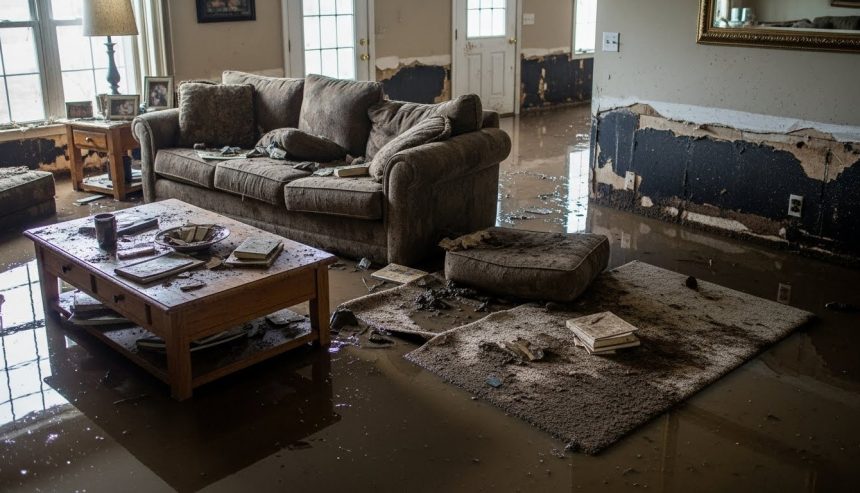
Winter storms and fast thaws can bring a lot more than cold air to Bloomfield Hills. Around this time of the year, basements start to fill, ceilings drip, and floors bubble up from water that creeps in through the tiniest cracks. Between melting snow, frozen pipes that burst, and roof leaks that don’t show up right away, many homes face water damage before the season ends.
What takes minutes to flood can take weeks to fix if it’s not handled fast. When we talk about flood cleanup in Bloomfield Hills, timing really matters. Leaving water in a home doesn’t just soak floors, it starts to eat away at materials that aren’t meant to stay wet. The sooner the mess is cleaned up, the less damage it can do, especially when winter moisture turns into long-term problems. PuroClean of Bloomfield Hills provides 24/7 emergency water damage services for local homes, so flood cleanup can start quickly even when problems show up after hours.
What Happens Inside a Home After a Flood
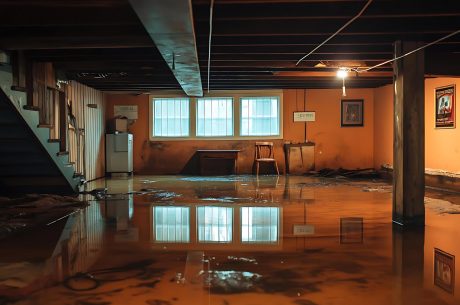
Flood water rarely stays where it first enters. It travels fast, slipping behind baseboards, soaking carpets, and settling inside wall cavities. In Bloomfield Hills homes, we often see water pooling in basements, laundry rooms, and ground-level living spaces after rapid snowmelt or a pipe break in the walls.
Certain materials pull in water faster than others. Drywall, carpet padding, and wood floors are especially quick to absorb moisture. Even when the surface dries, water can stay tucked away in the structure below. That’s where the real trouble starts. With time, mold begins to grow, smells start to spread, and soft drywall or warped floors begin to show.
The worst part is, you may not notice the damage right away. Water behind walls or under floors doesn’t make a sound. It just stays there, slowly causing more damage while everything looks normal on the outside. That’s why early cleanup matters.
The Right Way to Remove Standing Water
Getting rid of water after a flood isn’t just about grabbing towels and a shop vacuum. It takes the right tools and a plan. We start by removing standing water as quickly as possible, before it sinks deeper where it can’t be reached.
Here’s how that process often works:
• Pumps are used in larger areas like basements where water is high and spread out
• Water vacuums help extract water in tighter or carpeted areas
• Any water in wall cavities needs to be checked and pulled out with care
Professional flood cleanup teams from PuroClean of Bloomfield Hills use high-grade pumps and water extraction equipment as part of their PuroClean QuickDry System to remove standing water efficiently before it can soak deeper into building materials.
Trying to clean it up on your own with box fans or household vacuums can leave water behind or even create safety risks. Electrical cords and standing water don’t mix, especially if water reached your breakers or outlets. Professional equipment doesn’t just remove water faster, it removes more of it completely, which gives the home a stronger head start on drying.
Drying Out the Home Is More Than Running a Fan
Once the visible water is gone, drying has to go deeper than what a fan can reach. Water stays in wood, drywall, insulation, and air pockets for days. If it’s not pulled out properly, the home may look dry but still be at risk.
This is where moisture meters and dehumidifiers come in handy. Dehumidifiers draw moisture out of the air and surfaces, while meters check the inside of walls and floors to guide what areas still hold water. We use them throughout the process to keep track of what’s dry and what still needs help. During water damage restoration, IICRC certified technicians from PuroClean of Bloomfield Hills use state-of-the-science drying and dehumidifying tools and perform regular moisture checks to track progress until affected areas reach normal drying goals.
Even a warm room can hide water in its structure. That’s why a dry floor that feels normal to the touch can still be holding water underneath. Without those extra steps to dry inner layers, future problems like rot and mold are almost guaranteed.
Cleaning and Sanitizing Flooded Areas
Floodwater, especially from outside or a broken pipe, doesn’t just carry water. It brings bacteria, dirt, and all kinds of invisible problems into the home. Once the water is out and drying has started, surfaces need to be cleaned in a way that removes more than just stains.
We use special cleaning products that are strong enough to kill germs but safe for use on building surfaces. Every affected area has to be wiped down and scrubbed. That includes anything the water touched like furniture bases, wall corners, trim, and flooring.
Here’s what often needs attention during cleaning:
• Surfaces with mud or debris left behind by incoming water
• Any parts of the home that had dirty water pooling, such as drains or door sills
• Hidden corners that may have held moisture long enough to attract mold growth
Store-bought cleaning sprays don’t go deep enough for this kind of job. And bleach can damage surfaces or leave behind strong fumes without addressing the full problem. The right method targets what the eye can’t see.
Fixing What the Water Damaged
After cleaning and drying, we take a closer look at what the water actually damaged. Some materials can’t be saved, even if they look okay on the surface. Others might be safe if dried fast enough. This step is about figuring out exactly what stays and what needs to go.
Common materials we often remove or replace:
• Soaked drywall that starts to crumble or bubble
• Insulation that lost its shape or held water too long
• Flooring that warped, cracked, or developed mold underneath
We also check wiring and vents since water can get into these systems without showing from the outside. Once water hits that level, it takes careful steps to fix the damage safely. Electric systems may need to be tested, and air ducts might have to be cleaned or repaired.
This kind of damage doesn’t always come from deep floods. Just one burst pipe or roof leak can cause the same issues behind the wall.
Why Acting Fast Saves More Than Your Home
Every hour after water enters your home matters. Waiting longer lets water soak further into your house, down walls, through floors, and into important structural parts. That kind of damage costs more to fix and takes much longer to recover from.
In Bloomfield Hills, fast snowmelt, frozen lines, and backed-up drains are more likely to cause flooding during winter’s end. By acting quickly with flood cleanup in Bloomfield Hills, you cut off the damage before it spreads into beams, ceilings, and frames.
It’s not just the home that gets saved, either. Quick cleanup protects your peace of mind. Fixing the damage early means fewer surprise repairs weeks down the line, and a safer home for your family. When something floods, speed makes all the difference.
Don’t let water damage spread throughout your Michigan home where it can cause hidden problems. At PuroClean of Bloomfield Hills, we respond fast and use advanced equipment for deep drying, cleaning, and repair to help restore your space. Want to know what to expect and how we handle flood cleanup in Bloomfield Hills? Contact us today.


 PuroClean of Bloomfield Hills