


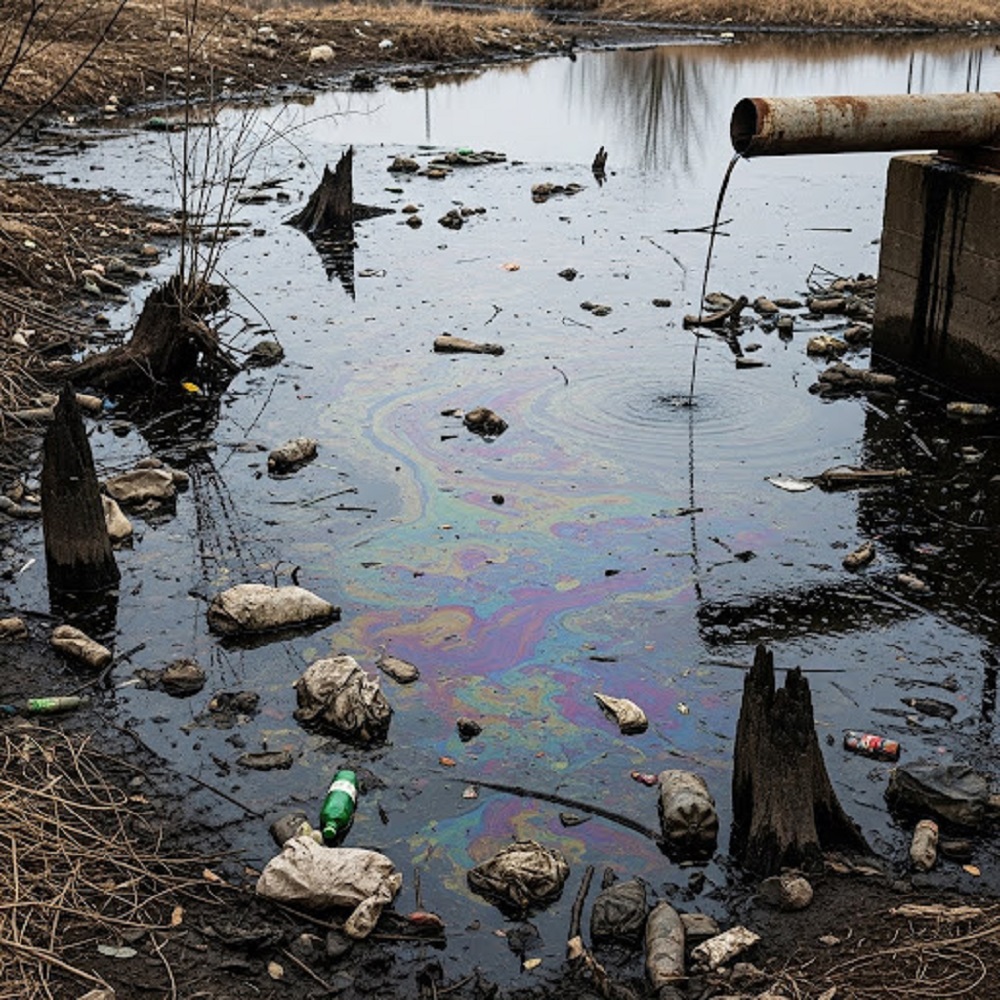
When water creeps into a building, the damage is bad enough. But when that water brings in contaminants, things get a lot more serious. That’s when cleanup changes from drying and patching to protecting health and safety. Around late winter in Michigan, it’s common to see issues from snowmelt, frozen pipes, or sewage backups. These incidents don’t just leave a mess. They leave behind harmful microbes, chemicals, and unsanitary debris that flood restoration contractors must remove carefully.
To clean this kind of damage the right way, we first need to know what types of water we’re dealing with. That helps us handle each material and step of the process with the right precautions. It’s not just about getting rid of the water. It’s about making sure what’s left behind is actually safe. That’s where experience and proper training make all the difference for both the space and the people inside it. At PuroClean of Bloomfield Hills, our water damage restoration technicians are IICRC certified and follow current industry standards for cleaning up contaminated water and affected materials.
Understanding the Three Main Types of Contaminated Water
Not all water damage is the same, and the cleanup depends on the water’s source. We usually break it down into three basic categories:
- Clean Water: This comes from sources like broken freshwater pipes or overflowing sinks. While it might seem harmless at first, clean water can turn dangerous if it sits too long and starts mixing with building materials or debris.
- Gray Water: This category includes water from things like washing machines, dishwashers, or bath drains. It’s not safe to touch without protection, since it may contain chemicals, soap, or low levels of contaminants.
- Black Water: The most hazardous category. It includes sewage backups, storm flooding, or any water that’s been standing in a building with mold or biohazards. This water is unsafe and requires strong precautions and special disposal steps.
We treat each type differently for a reason. Clean water might allow for drying and saving, while black water means most porous materials have to go. When flood restoration contractors assess a damaged property, knowing the water type tells us exactly where to begin and how deep to go.
Protective Gear and Safety Steps on the Job
When water is contaminated, safety always comes first. We never enter a site without the right clothing and tools to protect ourselves and the building’s occupants. Depending on the severity, our crews may wear gloves, boots, masks, or even full-body suits with respirators.
To keep hazards from spreading, we also use safety tools like:
- Containment barriers made of plastic sheeting to seal off affected rooms
- Air scrubbers with HEPA filters that pull harmful particles out of the air
- Negative air pressure machines that help pull air out instead of letting it flow into clean rooms
These steps are important. They help lower the chances of cross-contamination. We always take special care when people are still living in the home or when children, seniors, or those with health issues might be present. The space stays under control from the start to avoid new problems while fixing the original ones.
Choosing What to Save and What to Remove
Once we’ve stopped the water and scoped out the damage, the hard choices begin. Not everything can or should be saved. Some materials act like sponges, which makes them hard to clean fully. Others can be dried and treated without much risk.
Here’s how we decide:
- Porous materials like carpet, insulation, and untreated drywall often have to be removed if exposed to contaminated water. They absorb harmful particles too easily.
- Non-porous or semi-porous surfaces like metal, tile, or sealed wood can often be cleaned and disinfected.
We inspect each area closely. If there’s visible staining, a strong odor, or signs of mold, that’s a signal something may need to be removed. The goal isn’t to toss everything. It’s to make sure we don’t leave behind materials that could grow mold or contain lingering bacteria.
Drying, Cleaning, and Deodorizing After Contaminated Water
Once unsalvageable material is out, the drying starts. At this stage, timing really matters. The longer moisture stays trapped, the harder it is to stop mold or odors. We work fast but carefully, setting up fans, dehumidifiers, and heaters to speed up the dry time. When we restore water-damaged properties, we use the PuroClean QuickDry System, combining high-capacity air movers and low-grain refrigerant dehumidifiers to dry structural materials and contents efficiently.
After drying, we move on to cleaning and deodorizing. This includes:
- Scrubbing surfaces with antimicrobial solutions
- Using foggers or ozone machines to reach every corner
- Applying sealants when needed on certain materials to lock in stains or smells
We also apply EPA-registered cleaning and deodorizing products to help clean, sanitize, and reduce odors on surfaces that were exposed to contaminated water. We don’t just go by looks. Moisture meters and sensors help us tell when walls and floors are truly dry, not just on the outside, but deep within.
Special Concerns for Homes and Buildings in Late Winter
Restoration isn’t the same in every season. Late winter here in Michigan brings some extra obstacles. For one, buildings are colder, which slows evaporation. That means drying can take longer unless heat or airflow is added to the mix.
Common problems we see in February include:
- Water seepage through basement walls as snow melts
- Blocked or broken sump pumps from ice buildup
- Leaks from frozen pipe bursts, especially in walls or crawlspaces
Flood restoration contractors adjust tools and placement depending on the temperature and where the water traveled. Sometimes it’s not about how much water was there, but where it went and how hidden it might still be.
Protecting Your Home’s Health During the Recovery Process
Restoring a building after contaminated water damage takes more than drying out the floors. It means knowing how water affects materials from the inside out and making sure nothing unsafe is left behind. Every step we take is based on keeping people safe and making spaces livable again.
The entire process, safety, removal, drying, and cleaning, has to work together. Doing the right thing early on saves time, money, and stress later. From basements to walls and everything in between, thorough work brings peace of mind long after the cleanup is over.
When contaminated water impacts your Michigan property, fast action and the right approach make all the difference. We handle the toughest challenges, from removing damaged materials to detecting hidden moisture, restoring both your structure and peace of mind. For support from experienced flood restoration contractors, contact PuroClean of Bloomfield Hills today.