When Your Home Fills with Smoke, What Happens Next
Smoke can spread through a home in just a few minutes. A small kitchen flare-up, a shorted outlet, or a furnace problem can send smoke into nearby rooms and then throughout the house. Even when the flames are out, tiny smoke and soot particles keep moving and settling on surfaces you might not expect.
In colder Michigan weather, windows often stay shut and the heat stays on. That means smoke odor and these fine particles can linger in the air you breathe, in your fabrics, and inside your heating system. The big question many people ask is simple: is it safe or smart to stay in the home while smoke damage restoration services are happening?
In this article, we share how smoke affects your indoor air, how professional cleanup works, and what to think about when deciding whether to remain at home or temporarily relocate. We will look at safety, comfort, disruption to daily life, and how your insurance and restoration team can help you make a confident choice.
Hidden Dangers of Smoke Damage Indoors
After a smoke event, what you see on the surface is only part of the problem. Smoke particles are tiny and sticky. They can:
- Settle on walls, ceilings, and light fixtures
- Soak into furniture, carpets, and curtains
- Hide inside cabinets, closets, and drawers
- Get pulled into HVAC ducts and vents, then recirculate
Even if the fire or smoke source was in one room, soot can show up in spaces you never used during the incident. That is why some rooms may smell smoky even though they were nowhere near the problem.
The health impact can be short-term or long-term. Lingering smoke and soot can lead to:
- Coughing, wheezing, or shortness of breath
- Headaches or dizziness
- Burning or watery eyes
- Skin irritation or rashes
Children, older adults, and anyone with asthma, allergies, heart issues, or other breathing problems are often more sensitive. In a place like Bloomfield Hills, when the heat is on for long stretches, your HVAC system can keep pulling those particles through filters and vents, spreading odor and contamination.
That smoky smell is not just an annoyance. It is a sign that combustion residue is still present. When you notice strong odor, yellowing on walls or ceilings, or a fine black film on surfaces, it usually means professional smoke damage restoration services are needed to remove contamination that basic cleaning will not touch.
How Professionals Restore Your Home After Smoke Damage
Professional smoke cleanup is a step-by-step process designed to remove particles, control odor, and improve indoor air quality. While every property is different, restoration work often follows a general pattern:
- Inspection and assessment to see how far smoke and soot spread
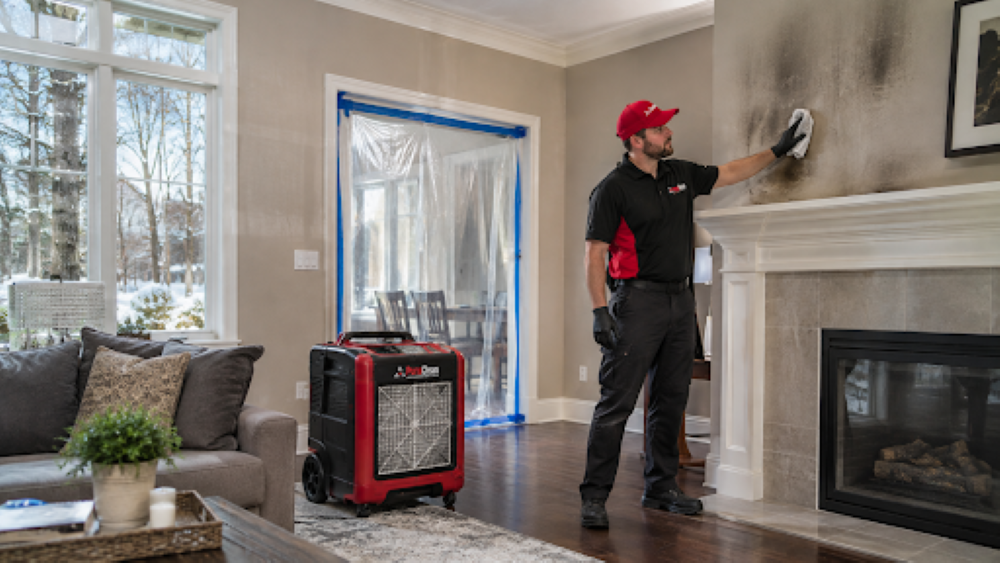
- Protection of unaffected areas and setup of containment barriers
- Air filtration using equipment like air scrubbers with HEPA filters
- Detailed soot removal from hard surfaces, fixtures, and finishes
- Odor neutralization using targeted techniques
- Cleaning of soft contents like clothing, bedding, and upholstery
You may see several types of equipment in use, including:
- Air scrubbers and HEPA filters to trap fine particles from the air
- Negative air machines that pull contaminated air out of a work zone
- Thermal foggers that apply deodorizing mist to reach hidden spaces
- Ozone or hydroxyl generators that help neutralize tough odors
While these methods are designed to improve conditions, some parts of the process can make the space less comfortable while work is active. Certain cleaning agents and odor treatments can have strong smells. Air movement equipment can stir up settled dust for a short time. That does not mean the process is unsafe, but it does affect how pleasant or practical it is to stay in the home.
Trained technicians follow industry-guided best practices for safe use of products and equipment and know how to balance effective cleaning with protecting your indoor air as restoration moves forward.
Deciding Whether to Stay or Go During Restoration
Whether it makes sense to remain in your home depends on the level of damage, your health needs, and how the work will be set up. In some cases, leaving is strongly recommended, especially when:
- Smoke has affected most rooms
- Odor is strong and does not fade after basic airing out
- There is visible soot on many surfaces or contents
- Someone in the household has breathing or immune system issues
On the other hand, staying might be possible when:
- Smoke damage is light and limited to a small area
- Technicians can fully contain the work zone away from living areas
- Emergency cleaning has already reduced heavy soot and odor
- Your restoration team confirms indoor air is reasonably stable
There are also practical factors to think about, such as:
- Insurance coverage for temporary housing and meals
- Local weather, especially when it is too cold to rely on open windows
- Work and school schedules, and how noise will affect them
- Pets, and whether they can safely remain on the property
The best approach is an open, detailed conversation with the restoration crew. Ask where work will be done, when equipment will be running, what odors you should expect, and how your daily routines might be affected. Together, you can weigh safety and comfort against the disruption of moving out.
Safety Measures If You Remain At Home
If you and your restoration provider decide staying home is reasonable, certain steps can help protect your family during smoke cleanup.
Professionals can limit spread of soot and odor by:
- Setting up plastic containment walls and zipper doors
- Using negative air pressure in work areas to pull air away from clean spaces
- Covering flooring and pathways where equipment or crews move through
Inside your home, it often helps to create “clean zones” where no work is taking place. These areas should have:
- Closed doors when possible
- Restricted access, especially for kids, older family members, and pets
- Limited clutter so you can keep dust wiped down more easily
Ventilation is important but should be guided by your restoration team. Depending on the weather and outdoor conditions, they may suggest short periods of window opening, or the use of air purifiers in living areas that are not under active work.
If technicians advise protective gear for entering the work zone, like masks or gloves, follow that guidance carefully. Pay close attention to how everyone feels. If anyone starts to experience headaches, breathing problems, or other symptoms that seem tied to being inside, it is time to step back and talk again with your restoration provider about temporary relocation.
Working With Your Insurance And Restoration Team
After a smoke incident, your insurance adjuster and your restoration company usually coordinate on documenting the damage. This can include photos, written notes, and detailed estimates that cover structure, contents, and smoke damage restoration services.
Many insurance policies include additional living expenses coverage. That can help cover hotel stays, short-term rentals, and sometimes meals, when a home is considered unsafe or not practical to live in during restoration. The specifics depend on your policy, so it is important to review your coverage and ask questions.
Some helpful questions to bring to both your restoration provider and your insurer are:
- How long is the work expected to take?
- Which rooms will be off-limits and for how long?
- Are there any health reasons you recommend we leave?
- Will equipment run overnight or only during the day?
Working with a local team that understands Michigan weather and typical seasonal fire risks around heating equipment and indoor cooking can make planning easier. They know how cold temperatures, snow, and long heating cycles affect indoor air and cleanup strategies.
Frequently Asked Questions About Smoke Damage And Staying Home
Can I Sleep in My Home After Minor Smoke Damage?
Sleeping in your home may be possible after minor smoke exposure if the damage is limited, odors are light, and a professional has checked the space. Always confirm with your restoration provider first, especially if anyone has asthma, allergies, or heart or lung conditions.
How Long Does Smoke Damage Restoration Usually Take?
Smoke cleanup can range from a day or two for light, localized damage to several weeks for heavy smoke throughout a property. The time depends on the size of the home, how far smoke traveled, and how many surfaces and contents need deep cleaning and deodorizing.
Are the Chemicals Used in Smoke Cleanup Safe to Breathe?
Professional products are chosen for restoration use, but some can have strong smells or cause mild, temporary irritation while they are applied. Technicians may ask you to stay out of treated areas until surfaces have dried and the space has been aired out. Always follow their safety directions.
Will My Insurance Pay for a Hotel During Smoke Cleanup?
Many homeowners policies include coverage for extra living costs when a home is unsafe or not livable during restoration. Coverage details vary, so check your policy and ask your adjuster about what types of temporary housing and meal costs are included.
What Signs Mean It Is Not Safe to Stay in My Home?
Warning signs include strong, lingering smoke odor, visible soot in several rooms, breathing trouble or headaches that get worse indoors, and any advice from your restoration company or the fire department to relocate. When you are not sure, it is best to put health and safety first and arrange temporary housing.
Restore Your Home’s Comfort and Safety Today
If smoke has affected your property, PuroClean of Bloomfield Hills is ready to help you reclaim a clean, healthy living space. Our experienced team provides comprehensive smoke damage restoration services tailored to your home’s specific needs. We will assess the damage, explain your best options, and work efficiently to minimize disruption. To schedule service or ask questions about your situation, please contact us today.