 PuroClean of Bloomfield Hills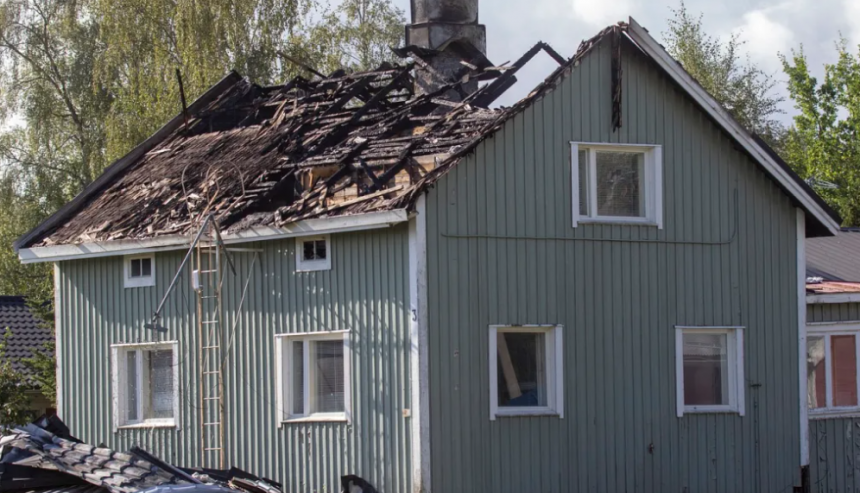
Experiencing a house fire is a traumatic event. Knowing the right steps to take afterward can make all the difference in how quickly and effectively we can recover. The first priority after ensuring everyone’s safety is to assess the situation and secure the area to prevent further damage. This immediate action lays the groundwork for everything that follows, including dealing with insurance and starting the cleanup process.
Once the immediate danger has passed and the area is secure, it’s crucial to remove any remaining water and dry out the affected areas to prevent mold and further structural damage. Timely and proper drying is essential to mitigate any secondary damage that can occur from standing water.
After we handle the water removal, the focus shifts to preventing future incidents. This might involve making structural changes or installing new systems designed to control water flow or detect potential hazards early. Taking these precautions not only helps in future-proofing our home against similar disasters but also provides peace of mind.
In the final steps, we need to carefully handle and clean up any damaged items. This involves deciding what can be salvaged and what needs to be discarded, ensuring that the living space is both safe and functional once again. These steps help us get back on our feet and move forward after a house fire in Michigan.
Assess the Situation and Ensure Safety
The first step after discovering a basement flood is to assess the situation carefully. Safety is our top priority, so we make sure everyone in the household is safe. If the flooding involves standing water, we avoid entering the area until we are certain that the electricity is turned off to prevent the risk of electrocution. We also check for any potential hazards like gas leaks or structural damage.
Once it’s safe to enter, we identify the source of the water. Common culprits in Michigan include heavy rains, burst pipes, or sewer backups. Stopping the water flow is crucial to prevent further damage. If a pipe has broken, for instance, we locate the main water shut-off valve and turn it off. If the flooding is from natural causes, like rain, we wait for the water to recede before proceeding with the next steps.
Remove Water and Dry the Area
After ensuring safety, the next task is removing the water from the basement. We use pumps and wet/dry vacuums to extract as much water as possible. It’s important to work quickly to minimize water damage and mold growth. Special attention is given to hidden areas like under carpets and behind walls, where water can linger and cause problems later.
Once the standing water is removed, we begin the drying process. Dehumidifiers and fans are essential tools for this step, as they help circulate air and speed up drying. We open any windows and doors if the weather allows, to promote ventilation. Keeping the area dry is crucial in preventing mold and mildew, which can pose serious health risks and further damage to property. Careful and thorough drying ensures that our basement is safe and ready for the next phase of cleanup and restoration.
Prevent Future Basement Flooding
After dealing with a basement flood, it’s important to take steps to prevent future incidents. One effective measure is to install a sump pump. A sump pump helps keep the basement dry by automatically pumping out water that accumulates in a sump basin. We should check the pump regularly to ensure it’s functioning properly and consider adding a battery backup system for power outages.
Additionally, maintaining proper drainage around our property can help prevent flooding. We make sure gutters and downspouts are clear of debris and direct water away from the foundation. Another option is to improve the grading around the house so that water flows away rather than pooling near the basement walls. Regular maintenance and inspections can help identify and address any potential issues before they lead to another flood.
Handle and Clean Up Damaged Items
Once the basement is dry, we need to handle and clean up any damaged items. Sorting through our belongings, we separate items into those that can be salvaged and those that need to be discarded. Hard, non-porous items can often be cleaned and disinfected, while porous items like carpets and upholstered furniture may need to be thrown away if they are heavily water-damaged or moldy.
We carefully clean and disinfect salvageable items using a mixture of water and a mild detergent. For items with mold growth, we use a bleach solution to kill the mold and prevent it from spreading. It’s crucial to wear protective gear, such as gloves and masks, while handling moldy or contaminated items to avoid health risks. By taking these steps, we can restore our basement and belongings to a safe and usable condition.
Conclusion
Dealing with a basement flood can be overwhelming, but knowing the right steps to take can make the process smoother. Ensuring safety, removing water, drying the area, preventing future floods, and handling damaged items are all crucial components of effective flood management. By staying prepared and proactive, we can protect our homes and minimize the impact of such events.
If you need professional help with basement flooding repair, don’t hesitate to contact PuroClean Bloomfield Hills. Our team is equipped and ready to assist you in getting your home back to its original condition quickly and efficiently.


 PuroClean of Bloomfield Hills