 PuroClean of Bloomfield Hills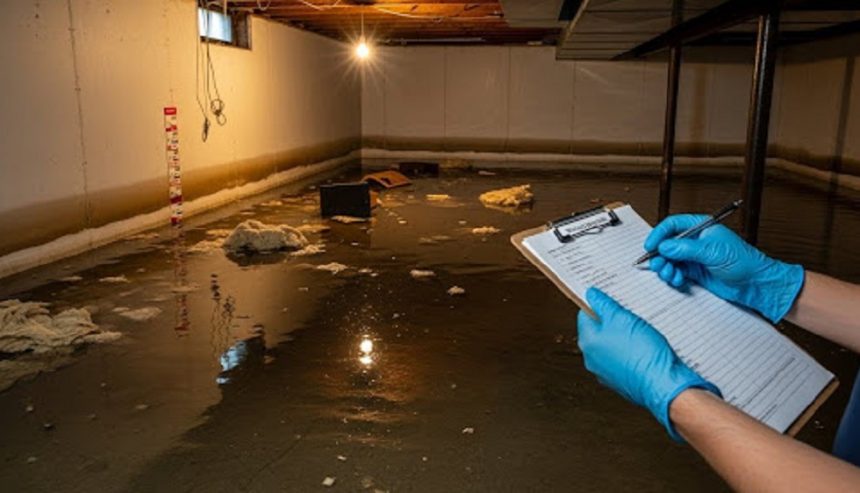
After water damage hits a property, the first step is often an assessment. This doesn’t mean glancing at a wet carpet or wiping a wall. It’s a full look at what parts of the building have been affected and how deeply. A professional water damage assessment service helps figure out what needs fixing, drying, or removing to stop the damage from spreading.
In places like Michigan, winter can make things worse. Frozen pipes or melting snow can cause leaks that aren’t easy to spot right away. Water can get behind walls or under floors, then sit for days before anyone notices. By the time the signs show up, damage is already growing under the surface. That’s where a solid assessment helps. It lays the groundwork for taking the right next steps, especially when time is limited and the weather isn’t helping.
What Happens First During the Assessment
The assessment usually starts with a walk through. This first look helps spot where damage is visible, like stained ceilings, swollen flooring, or bubbled paint on walls. These signs often show where water got in, but they don’t always tell the full story.
To get a better idea, we check hidden spots using tools designed to pick up more than what eyes can see. For example, moisture meters can show how much water is trapped inside materials like drywall or wood, even if everything looks dry on the surface. That’s how we find the areas that need the most attention. As part of our water damage assessment service, our technicians complete a detailed inspection using infrared cameras and moisture meters to understand what is wet, how wet it is, and how far the moisture has spread.
Once these areas are marked, we make a record. This usually includes drawings, photos, and notes about the type of damage. It helps build a clear map for cleanup later, so nothing gets missed, and repairs match what actually needs fixing.
Tools and Techniques Used to Trace Hidden Water
Getting behind walls or under floors without destroying them takes the right tech. We use special tools to trace out water that hasn’t dried yet, even when it’s not easy to see or feel. This keeps damage from getting worse over time.
Here’s what we often rely on during these checks:
• Moisture meters that can scan how wet a surface really is underneath paint or tile
• Thermal imaging cameras to flag cold spots in walls or floors that mean water is still there
• Hygrometers to measure how much moisture is in the air, especially in places like basements or crawlspaces
These tools help point out areas that might look fine but are holding water underneath. Knowing this saves time later. It also helps us avoid missing hidden pockets of trapped water that could lead to mold or damaged support structures if left untreated.
Why Speed and Accuracy Matter in Bloomfield Hills Homes
Michigan winters bring cold air that slows down the way buildings dry out. Wood, concrete, and insulation can hold water longer when heat isn’t moving through the space evenly. That’s why speed matters during the damage check. If wet materials sit too long, they can start breaking down or begin to grow mold.
When water isn’t caught fast, floors can start warping, and drywall might show stains long after the leak ends. A good assessment puts eyes on all of this early and limits the amount of material that needs replacing later.
Timing matters in any season, but winter seems to give water more places to hide. Heat stays inside while outside air freezes surfaces, leading to condensation in harder-to-reach zones like attics or crawlspaces. By getting in quickly with a water damage assessment service, we can treat small problems before they become big repair projects.
What Comes After the Assessment Report
Once the inspection is done, a full plan comes together. It usually includes ideas for drying out materials, timelines for repairs, and parts of the property that need extra attention. Depending on how bad the damage is, some areas may be opened up to help air move through tight spaces. During this stage, we continue with regular inspections and moisture readings so we can adjust the drying setup and confirm that materials are moving back toward normal, pre-loss levels.
Property owners typically go over the results with the people doing the restoration. This helps figure out what steps make the most sense based on what we found. No two properties react to water in the same way, so these plans need to be clear and specific.
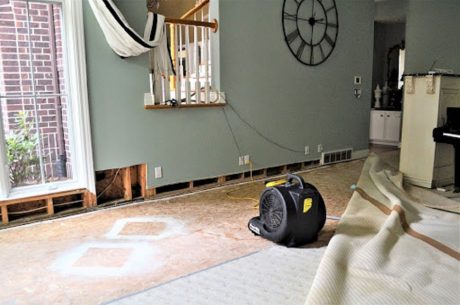
Before work starts, rooms may need to be cleared or sealed off. This helps contain the space and keeps the drying process more efficient. Fans and other drying tools often get placed in key spots, and a schedule is set to check how everything reacts as it starts to dry out.
Knowing What to Expect Can Safeguard Your Home’s Recovery
An assessment doesn’t fix damage, but it does show exactly what you’re dealing with. It takes the guesswork out of planning and makes restoration go smoother. Especially during cold months, when problems tend to get worse before they get better, it gives a clear path forward. Our goal is to dry and restore materials such as drywall, wood, carpet and padding, baseboards, furniture, and insulation whenever they are not contaminated or structurally compromised, following current industry standards.
Understanding how a water damage assessment service works removes some of the stress during cleanup. It shows you what’s next, where the work needs to happen, and how long it might take. That makes it easier to protect your home and get things back to normal, one step at a time.
Has your Michigan property experienced a leak, frozen pipe, or indoor flooding? We’re here to guide you through every step, starting with a thorough evaluation to uncover all areas affected by water damage. Our team at PuroClean of Bloomfield Hills is committed to supporting you beyond the initial inspection, helping you with cleanup and restoration from beginning to end. Discover how our water damage assessment service can make a difference. Reach out today to start your recovery process.


 PuroClean of Bloomfield Hills