 PuroClean of Bloomfield Hills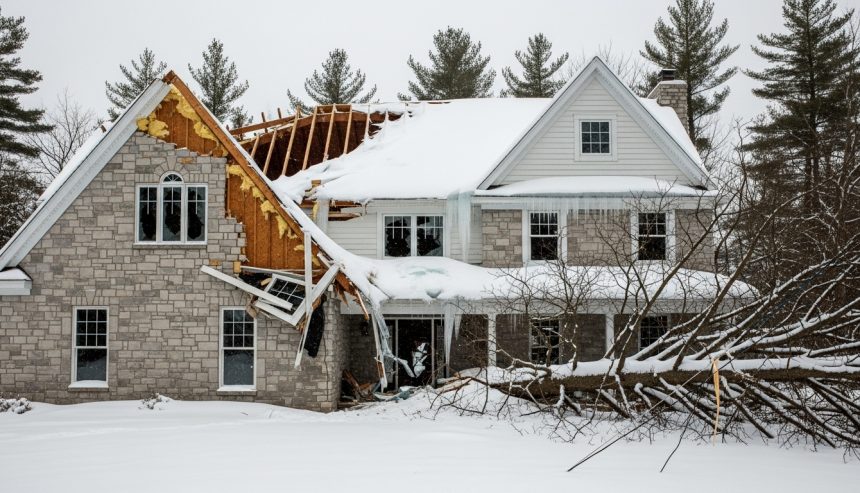
Living in Michigan means preparing for harsh winter conditions each year, but even some of the best preparations can fall short when a powerful storm blows through. Snow, ice, and freezing rain can all lead to damage that puts your home and daily life on hold. Burst pipes, roof leaks, siding damage, or even flooding can happen quickly after a major storm. It’s stressful, especially when there’s snow still piled high outside and you’re left sorting through the mess.
Acting fast can make a big difference. The longer winter storm damage sits, the worse things usually get. Moisture can seep into walls and floors, mold can start to grow, and the structure of your home can weaken. Clear next steps and knowing what to look for can help you take control of the situation instead of feeling stuck. Here’s what to do if your home gets hit by a winter storm this season.
Assessing The Damage
Once the worst of the storm has passed and it’s safe to go outside, your first move should be checking for damage. Start with a walk around the exterior. Look at your roof for missing shingles, ice dams, or branches that may have fallen and caused impact damage. Window seals can loosen from wind pressure, and siding may have cracked or pulled away.
Inside your home, focus on areas most likely affected by water or cold. That usually includes the attic, basement, and any rooms near windows or doors. You’re looking for water stains on the ceiling or walls, warped flooring, or drafts that weren’t there before.
Use this simple checklist to guide your inspection:
– Look for broken or missing roof shingles
– Check for ice buildup along the roofline, which may indicate ice dams
– Inspect window frames and seals for cracks or water spots
– Examine ceilings and walls for discoloration or peeling paint
– Feel your floors, especially near doors or in the basement, for warping or moisture
– Smell for a musty odor, a strong sign of hidden water or mold behind surfaces
Safety comes first. If any part of your home seems unsafe, such as a sagging ceiling or electrical hazards due to water, stay clear and arrange for professional help. The goal right now is to figure out what’s wrong without putting yourself or your family at risk.
Immediate Steps To Take
Now that you know what you’re dealing with, there are a few things you should do right away. Start by making sure everyone in the household is safe and accounted for. If there’s major damage like a roof collapse or flooding, leave the home until a professional tells you it’s okay to go back inside.
Next, if water is leaking or flooding is present, turn off the main water supply if you can safely reach it. Doing this quickly could help prevent further damage. In cases of electrical issues or sparks, shut off electricity to the affected area or the whole house if needed.
Once things are stable and safe, get in touch with your insurance provider. You’ll likely want to start the claim process early. Be ready to explain what happened, share photos if you can, and ask what steps to take next from their side.
It also helps to:
– Take wide and close-up photos of each damaged area
– Keep a written list of anything that looks wet, broken, or needs replacement
– Hold onto receipts for any temporary fixes or emergency expenses
– Avoid throwing away items until an adjuster has looked at them, unless they create a health risk
These immediate steps can help you stay organized during what’s often a chaotic few days after a storm. Staying calm and collecting the right details early makes it easier for restoration professionals to step in and help with the hard part.
Clean Up And Restoration Process
Once the immediate hazards are dealt with, the cleanup begins. It’s common to feel overwhelmed, especially when there’s water where it shouldn’t be or mess all around your living space. Start by removing any items sitting in water or soaked with moisture. This keeps them from getting worse and reduces the chance of mold setting in.
You can also gather up any fallen debris that’s safe to pick up, like broken glass or pieces of insulation. Just be careful during this step, especially if water is nearby or you’re unsure about electrical safety. Wear gloves, waterproof boots, and a mask if mold might be present.
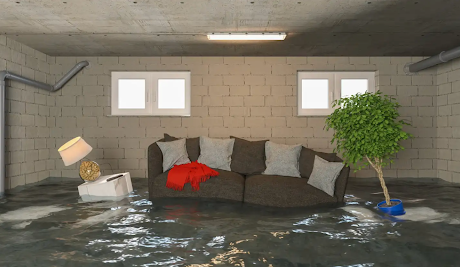
In many cases, it’s best to bring in trained professionals for cleanup and restoration. A team that knows how to handle flood damage cleanup in Michigan will take steps to dry out walls, floors, and hidden areas. They use commercial-grade equipment and make sure nothing is missed, especially in places where moisture can linger unseen.
Here’s a quick look at what professional cleanup typically involves:
– Damage inspection: Making sure every hidden space is checked for moisture or contamination
– Water extraction: Removing all standing water using pumps or vacuums
– Structural drying: Using dehumidifiers and industrial fans to dry out drywall, framing, and flooring
– Sanitizing: Cleaning affected areas to stop mold growth and remove unwanted odors
– Reconstruction: Repairing or replacing damaged materials so your home is safe and whole again
Delays can cause bigger, more expensive issues, especially with water damage. Once you tackle the surface mess, it’s what’s behind the walls or below the floors that often needs the most attention.
Preventative Measures For The Future
Getting your house back in shape is a relief, but it’s also a good time to think ahead. Michigan winters won’t be getting any gentler, so giving your home a little armor now can save you a headache later.
Start small with a few changes that go a long way:
– Clean out your gutters and downspouts before the snow hits. Blocked drains lead to ice buildup and water leaks
– Add insulation to your attic and basement. Better heat control means fewer freeze-and-thaw cycles that crack pipes or expand water lines
– Seal exterior seams like windows, door frames, and known drafty areas. Use weather stripping or caulk to close off gaps
– Upgrade sump pumps and check battery backups if your home has a history of basement flooding
– Install water sensors and automatic shutoff valves. These can help catch leaks before they become bigger problems
After dealing with storm damage once, these steps can give some peace of mind going into the next winter season. Even if you can’t storm-proof every inch of your property, limiting the weak spots makes a big difference.
Ensuring Your Home Is Safe And Sound
Once all the work is done, take the time to double-check that your home is truly back to normal. Look over completed repairs and make sure everything feels solid and secure. No soaked walls, no strange smells, no loose panels or unexpected cold spots.
If experts were involved in the cleanup or rebuilding, walk through the property with them. Ask questions. It’s better to request a second look than assume everything is fine. You want to feel confident your house is safe, dry, and ready for the colder months ahead.
Here are a few final checks to consider:
– Test your HVAC system, especially if you shut off heat during the damage
– Look for signs of mold a week or two later, since it can take time to appear
– Review your insurance policy and adjust coverage if needed
– Keep receipts, photos, and notes from the entire process in one safe place
– Schedule seasonal maintenance reminders, even if it’s just marking your calendar
Don’t rush this last step. A home may look good on the surface but still have problems underneath if corners are cut. Take the time to make sure every spot is truly ready for the cold.
Stay Safe And Prepared
Storms in Michigan may be something homeowners can’t avoid, but their aftermath doesn’t have to be chaotic every time. Getting familiar with what to expect, how to respond, and who to call can lower stress through the recovery process.
Planning ahead with a family emergency plan and keeping emergency contact numbers on hand can make a difference when you’re in the moment. After just one experience with storm damage, most people start thinking differently about future preparation. The good news is that if something does happen, you won’t have to figure it out alone. Having access to help and following the right steps can make recovery faster and safer.
Whether you’re getting your house back in shape after a blizzard or preparing for the next round of snow, it’s smart to have a trusted team on your side. If your home has been impacted by melting snow or frozen pipe bursts, PuroClean of Bloomfield Hills is here to help with professional flood damage cleanup in Michigan that gets things back to normal quickly and safely.


 PuroClean of Bloomfield Hills