


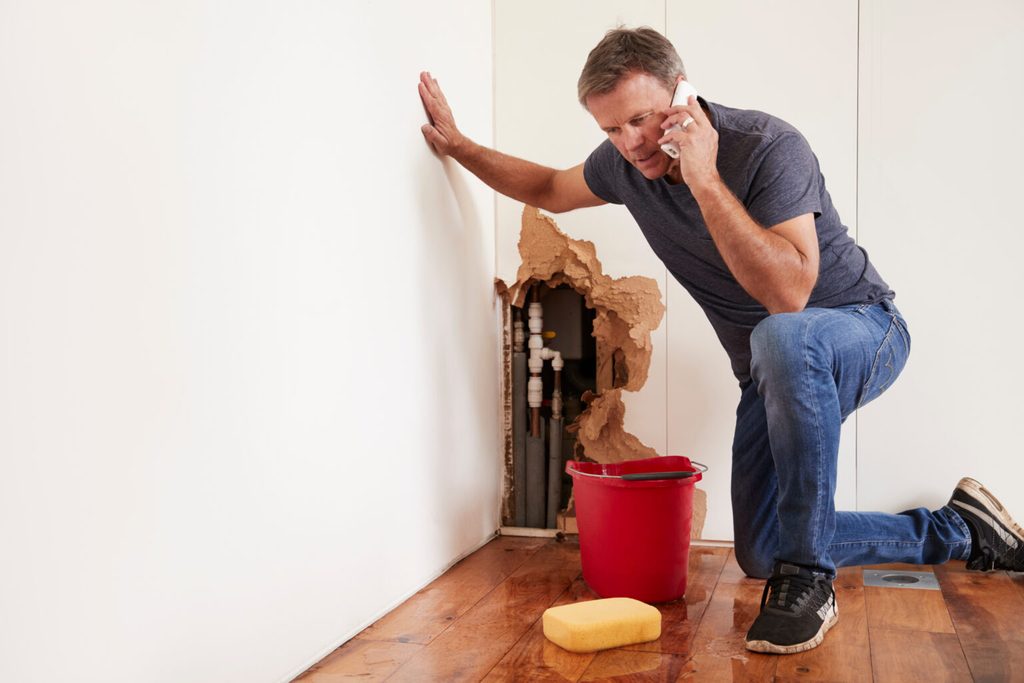
A leaking pipe, overflowing appliance, or sudden plumbing failure can leave your home with soaked floors, damaged walls, and unexpected repair costs. Knowing the right water damage emergency steps helps you respond quickly, protect your safety, and reduce further damage. If you’re wondering about a burst pipe what to do situation, the priorities are simple: stay safe, stop the water if possible, document the damage, and arrange professional help when needed.
For homeowners in Bloomington, Normal, and surrounding McLean County communities, a quick response makes a real difference. These water damage emergency steps explain what to do right after a leak, what to avoid, how to spot hidden moisture, and when to call PuroClean of Bloomington for professional water damage restoration.
Why Water Damage Emergency Steps Matter in the First 24 Hours
Water spreads beyond the spot where a leak begins. A damaged pipe under a sink can soak cabinets, flooring, baseboards, and the subfloor before you notice a problem.
The longer water sits in contact with building materials, the greater the damage. Wet drywall deteriorates, wood swells, flooring loosens, and damp materials create conditions that support mold growth. Following water damage emergency steps early gives you the best chance to limit the damage before it becomes extensive.
During the first 24 hours, focus on four priorities:
- Safety: Avoid electrical hazards, contaminated water, and unsafe building areas.
- Source control: Stop the leak if you can do so safely.
- Water removal: Arrange appropriate extraction and cleanup.
- Drying and assessment: Identify affected materials and decide what needs attention.
The U.S. Environmental Protection Agency recommends drying wet materials within 24 to 48 hours when possible to help prevent mold growth, which is why early action matters so much.
Water Damage Emergency Steps #1: Shut Off the Water Supply if It Is Safe
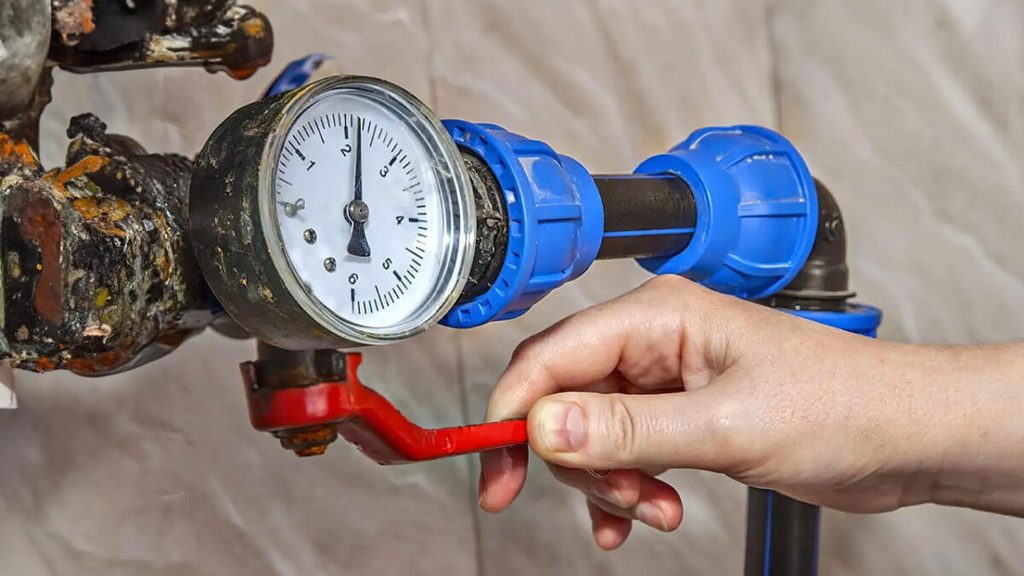
If you discover a burst pipe or active plumbing leak, your first priority after ensuring your own safety is to stop more water from entering the home. A continuing leak can turn a small problem into widespread damage quickly.
- Locate the appropriate shutoff valve. If a sink, toilet, or appliance is leaking, its individual shutoff valve may stop the flow.
- Use the main water shutoff when necessary. If a pipe has burst or you can’t identify the source, shut off the home’s main water supply.
- Avoid unsafe areas. Do not walk through standing water to reach a valve if electrical hazards may be present.
- Contact a plumber if needed. If you can’t stop the leak, call a qualified professional.
Not every water emergency comes from a pipe. If rain is entering through a roof or window, shutting off the water supply won’t help. You’ll need a contractor to address the exterior opening or drainage issue.
Water Damage Emergency Steps #2: Prioritize Electrical and Structural Safety
Water and electricity are a dangerous combination. Before cleanup, determine whether the affected area is safe to enter, especially if water has reached outlets, appliances, extension cords, basement equipment, or your electrical panel.
- Stay out of standing water near electrical equipment. Do not touch wet outlets, appliances, or cords.
- Do not operate breakers in wet conditions. If the panel or the area around it is wet, contact a qualified electrician or emergency service.
- Watch for structural damage. Sagging ceilings, bulging walls, and unstable flooring need professional assessment.
- Avoid contaminated water. Sewage backups and similar sources require extra precautions and specialized cleanup.
If you suspect an electrical hazard, leave the area and call a professional. Safety always comes before saving furniture or belongings. For more on flood safety, see Ready.gov’s flood guidance.
Burst Pipe What to Do: Water Damage Emergency Steps Before the Damage Spreads
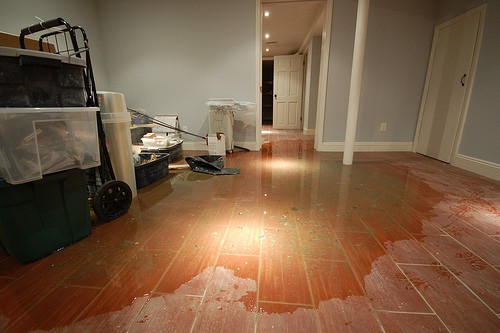
When a pipe bursts, water escapes rapidly and travels into areas you can’t immediately see. Even after you shut off the supply, water may remain inside walls, beneath flooring, or around cabinets. Knowing burst pipe what to do involves more than stopping the leak: you also need to understand where the water has traveled.
Once the area is safe:
- Identify the affected rooms. Check nearby floors, walls, cabinets, and ceilings.
- Look for water traveling between levels. A leak upstairs may affect ceilings and walls below.
- Keep people away from damaged areas. Wet flooring is slippery and saturated materials can be unstable.
- Arrange a professional assessment. A restoration professional can tell whether water has entered hidden spaces or porous materials.
Don’t assume the problem is solved because the pipe stopped leaking. Remaining moisture can keep damaging your home after the source is controlled.
Document the Damage: A Key Water Damage Emergency Step for Insurance Claims
Once the area is safe, document the damage before moving affected items whenever possible. You don’t need to delay emergency mitigation to do this. If water is actively damaging your home, prioritize safety and stopping the damage first.
- Photos and videos: Capture standing water, wet walls, damaged flooring, furniture, and the apparent source of the leak.
- A list of damaged belongings: Record items that may need cleaning, repair, or replacement.
- Receipts and invoices: Keep records of emergency repairs and professional services.
- Communication records: Save messages and notes from your insurer, plumber, and restoration company.
Contact your insurance company as soon as practical to report the incident and ask what documentation it needs. Coverage depends on your policy and the cause of the damage. Some sudden plumbing leaks may be covered, while long-term leaks, maintenance issues, and certain flooding may not be. The Insurance Information Institute explains what standard homeowners policies typically cover.
Remove Standing Water Without Creating New Hazards
After controlling the leak and confirming the area is safe, removing standing water is the next of the water damage emergency steps. A small spill may be manageable with towels or a mop, but a flooded basement or water across several rooms usually requires professional water extraction equipment.
- Remove small amounts of clean water safely with towels, mops, and suitable equipment.
- Never use a regular household vacuum on standing water. It isn’t designed for it and creates an electrical hazard.
- Avoid handling contaminated water. Sewage and outdoor floodwater require professional cleanup.
- Don’t spread water into unaffected areas while cleaning.
Removing visible water doesn’t remove moisture trapped inside flooring, drywall, or insulation. If water has spread beneath flooring or into wall cavities, further assessment and drying are needed.
Check for Hidden Moisture: Water Damage Emergency Steps Behind Walls and Under Floors
Visible damage rarely tells the whole story. Water moves through small gaps, seeps under flooring, and collects behind finished surfaces. A small stain on a wall can mean moisture has traveled much farther.
Look for these warning signs:
- Bubbling or peeling paint
- Swollen baseboards or door frames
- Warped or lifting flooring
- Damp carpets or persistent wet spots
- Musty odors
- Discoloration on ceilings or walls
- Moisture around cabinets and appliances
A surface that feels dry to the touch may still hold moisture. Professional moisture detection tools can find affected areas that a visual inspection misses. Depending on the damage, some materials can be dried in place while others need removal or replacement, based on the material’s condition, the type of water involved, and the assessment results.
Begin Drying and Reduce the Risk of Mold Growth
After extraction, the next priority is thorough drying. Water removal and structural drying are separate parts of restoration: a room may look clean while moisture remains inside drywall, insulation, wood, or subflooring. Completing the drying stage is one of the most overlooked water damage emergency steps.
- Improve ventilation when appropriate. Open windows and doors if outdoor conditions allow.
- Use suitable drying equipment. Fans and dehumidifiers help when the area is safe and the equipment fits the situation.
- Avoid spreading contaminants. If mold is visible or the water may be contaminated, don’t use fans in a way that spreads particles or debris.
- Monitor affected materials. Thick flooring, wood, drywall, and enclosed spaces take longer to dry.
Do not run your HVAC system if floodwater may have affected the equipment or ductwork. Have a qualified professional confirm it’s safe first. If a large area is affected or moisture has entered hidden spaces, professional drying equipment and monitoring may be needed. If you’re worried about mold, read our guide to mold remediation.
Avoid Quick Repairs That Hide the Problem
It’s tempting to repair visible damage immediately, but covering wet materials before they’re assessed creates new problems. Painting over a stain hides the discoloration without addressing the moisture behind it, and new flooring over a damp subfloor traps moisture underneath.
Before making permanent repairs:
- Confirm the source of the leak has been addressed.
- Determine which materials were affected.
- Allow necessary drying to be completed.
- Remove materials that can’t be properly restored.
- Establish the right repair or reconstruction plan.
Not every leak requires major demolition, but hidden moisture sometimes does. A professional inspection can confirm the right approach before you spend money on repairs that may need to be redone.
Contact a Professional Water Damage Restoration Team
Some leaks are minor, but others affect several rooms, damage building materials, or introduce contaminated water. Professional help is especially valuable when a burst pipe floods a basement, water reaches multiple floors, drywall is saturated, or the source of hidden moisture is unclear.
A restoration team may assist with:
- Emergency water extraction
- Moisture detection
- Structural drying
- Assessment of affected materials
- Cleaning and sanitation when needed
- Removal of damaged materials
- Coordination of repairs and reconstruction
At PuroClean of Bloomington, our team helps homeowners follow the right water damage emergency steps and move toward recovery. If your home has had a significant leak, acting promptly helps you understand the extent of the damage and what needs to happen next.
Call PuroClean of Bloomington at (309) 433-0900 for professional water damage restoration assistance.
What If You Discover a Water Leak After It Has Been Happening for Hours?
Not every leak is obvious when it begins. You might find a slow leak under a sink, damp flooring near a washing machine, or a ceiling stain long after the water first escaped. The same water damage emergency steps apply: stop the source if it’s safe, assess the area, document the damage, and arrange professional help if water has reached building materials or hidden spaces.
Longer exposure makes things more complicated because water travels farther into porous materials. Pay particular attention to:
- Damp cabinets and the flooring underneath
- Ceiling stains below bathrooms or plumbing lines
- Soft or swollen baseboards
- Persistent musty odors
- Flooring that feels spongy or has started to lift
- Repeated moisture in the same location
Don’t rely on the size of a visible stain to estimate the damage. A professional assessment shows how far the water traveled and whether drying or material removal is needed.
FAQs About Water Damage Emergency Steps
1. What should I do first when I discover a water leak?
Prioritize safety, avoid electrical and structural hazards, and shut off the water supply if it is safe. Then document the damage when practical, remove small amounts of water safely, and arrange professional help for significant flooding.
2. Burst pipe what to do if water is spreading through my home?
Stay away from unsafe or flooded areas, shut off the main water supply if you can do so safely, and call a plumber to repair the pipe. If water has spread into walls, flooring, or multiple rooms, arrange professional water extraction and drying.
3. How quickly should I remove water after a leak?
Remove standing water as soon as it is safe. The EPA recommends drying wet materials within 24 to 48 hours when possible to help prevent mold growth.
4. Can I dry water-damaged walls and floors myself?
Small, clean-water spills may be manageable with appropriate tools. Water trapped behind walls, beneath flooring, or inside insulation usually needs professional moisture detection and drying equipment, and contaminated water requires extra precautions.
5. Does homeowners insurance cover water damage from a burst pipe?
It depends on your policy and the circumstances. Some sudden and accidental plumbing leaks may be covered, while long-term leaks, maintenance issues, and certain flooding events may not be. Contact your insurer to confirm.
Final Thoughts: Follow These Water Damage Emergency Steps Quickly
The first 24 hours after a leak influence how much additional damage your home suffers. Prioritize safety, stop the source, document the damage, remove standing water safely, and make sure affected materials are properly assessed and dried. If a burst pipe or major leak has affected your home, don’t assume the problem is solved just because the water stopped flowing.
For homeowners in Bloomington, Normal, and surrounding communities, PuroClean of Bloomington can assess water damage and guide you through restoration. Contact us or call (309) 433-0900 and take the right water damage emergency steps today to protect your home.