


You notice water on your basement floor after a heavy rain, grab a mop, and think the problem is solved. But water mitigation in Peoria goes much deeper than what you can see on the surface, and underestimating it can lead to mold, structural damage, and costly repairs down the road. At PuroClean of Peoria, we help homeowners across Central Illinois recognize when a DIY cleanup isn’t enough and what to do before a manageable situation turns into a major disaster. This guide covers the five clearest signs you need professional water mitigation, what causes them, how to prevent further damage, and when to make the call.
Table of Contents
Water Has Been Sitting for More Than 24 Hours
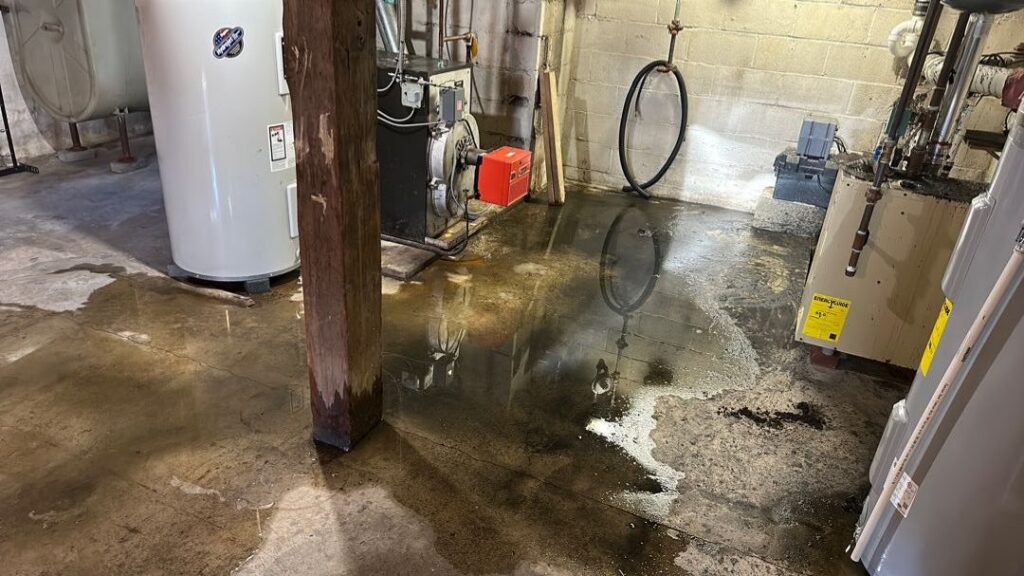
Standing water is not just an inconvenience. It becomes a health and structural hazard the longer it remains in contact with your floors, walls, and belongings. Within 24 to 48 hours, harmful mold spores can begin colonizing wet surfaces, and materials like drywall and subfloor start to absorb moisture at a rate that a household fan simply cannot reverse.
- Mold growth can begin in as little as 24 hours on wet organic materials like drywall, wood framing, and carpet padding.
- Prolonged exposure to standing water causes wood subfloors to swell, warp, and eventually separate from their fasteners.
- Wet insulation loses nearly all of its thermal value and cannot dry out effectively on its own, creating a hidden reservoir for moisture and mold.
- Porous surfaces like concrete and brick continue wicking water upward even after visible pooling is removed.
If water has been sitting in your home for more than a day, professional water mitigation in Peoria is no longer optional. A restoration team uses commercial-grade moisture meters and thermal imaging to locate water that has already migrated into wall cavities and structural materials you cannot see.
You Can Smell Musty Odors Even After Drying

A musty smell that lingers after a water event is one of the strongest indicators that moisture is still present somewhere in your home. That odor comes from microbial volatile organic compounds (MVOCs), which are byproducts of active mold and mildew growth. If your nose is picking it up, the problem is already underway.
- Musty odors that return within a few days of drying point to moisture trapped inside wall cavities, under flooring, or in ceiling material above.
- Mold growth behind drywall often produces a strong earthy smell before any visible signs appear on the surface.
- Running air fresheners or fans does not remove the source of the odor; it only masks it temporarily while conditions worsen.
- In older Peoria homes with plaster walls or original hardwood floors, moisture can become deeply embedded and require professional extraction equipment to fully remove.
Persistent odors after a flood or leak are your home telling you that surface drying was not enough. PuroClean of Peoria uses industrial air movers, desiccant dehumidifiers, and antimicrobial treatments to reach and eliminate moisture at its source, not just on the surface.
Your Walls, Ceilings, or Floors Show Visible Damage

Bubbling paint, soft spots in your floor, warped baseboards, and discolored ceiling tiles are all physical evidence that water has already penetrated your building materials. These signs mean the damage is structural, not cosmetic, and no amount of spot painting or patching will address the underlying issue.
- Bubbling or peeling paint on walls and ceilings indicates moisture is trapped between the surface coating and the substrate behind it.
- Soft or spongy areas in your flooring, especially near bathrooms, laundry rooms, or exterior walls, signal that subfloor material has begun to deteriorate.
- Stains on your ceiling that reappear after painting point to an active or recurring leak in the roof, plumbing, or HVAC condensation system.
- Gaps or separation along your baseboards where they meet the floor often indicate that the material has absorbed enough water to change its shape permanently.
These physical changes signal that water has moved beyond the surface and into the structural core of your home. Professional water mitigation in Peoria includes controlled drying systems that pull moisture out of materials from within, preventing further warping and reducing the need for full replacement.
The Water Came from a Contaminated Source

Not all water is equal when it comes to health risk. Water damage professionals categorize water into three types: clean water from a broken supply line, gray water from appliances or sinks, and black water from sewage backups, flooding, or standing water that has sat long enough to grow bacteria. If your water event involved anything other than a clean supply line break, you are dealing with a potential health hazard.
- Sewage backups introduce E. coli, salmonella, and other pathogens into your living space that survive long after visible water is removed.
- Floodwater from outdoors carries agricultural runoff, chemical residue, and biological contaminants that are not visible to the naked eye.
- Even gray water from a washing machine overflow or dishwasher leak contains surfactants and microbial content that can irritate skin and respiratory systems.
- Any water that has been standing for more than 48 hours should be treated as contaminated regardless of its original source.
Cleaning contaminated water without proper personal protective equipment (PPE) and industrial-grade disinfectants puts your household at serious risk. PuroClean of Peoria follows IICRC S500 standards for contaminated water events, which means safe containment, proper disposal, and full surface disinfection before any restoration work begins.
If you’re already seeing signs of contaminated water damage in your home, call PuroClean of Peoria at (309) 431-4003 for a fast response before the problem spreads further.
Your Home Has Had Repeated Water Intrusion in the Same Area
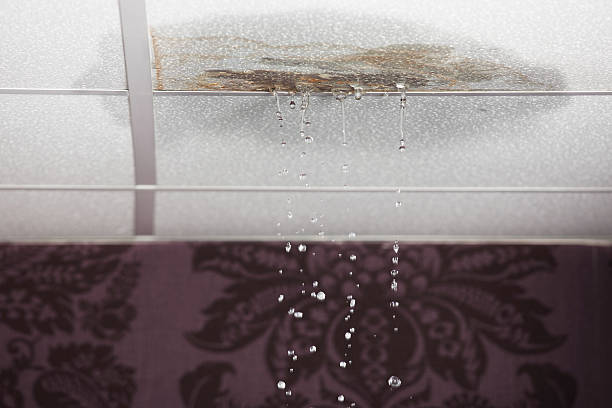
A single water event can happen to anyone. Repeated water intrusion in the same spot is a red flag that points to a systemic problem your home has not had properly addressed. Whether it’s a slow roof leak, a chronic foundation crack, or a failing sump pump, recurring moisture means the source has never been fully identified or corrected.
- Recurring water in the same basement corner often indicates a crack in your foundation wall or floor joint that allows hydrostatic pressure to push water in during heavy rain events.
- Repeated ceiling stains in the same location point to a persistent roof or flashing issue that will continue to worsen with every Illinois winter and spring thaw.
- Chronic bathroom moisture that leads to ongoing mold around grout lines or under cabinetry suggests a slow leak from supply or drain lines that has never been fully investigated.
- A sump pump that runs continuously or fails during heavy storms is a common cause of repeated basement flooding in Peoria-area homes.
Repeated water events compound the damage to your home’s structure and dramatically increase your long-term repair costs. A professional water mitigation team in Peoria will trace the intrusion path, not just address the symptoms, so you can stop the cycle for good.
What Does Professional Water Mitigation Actually Involve?
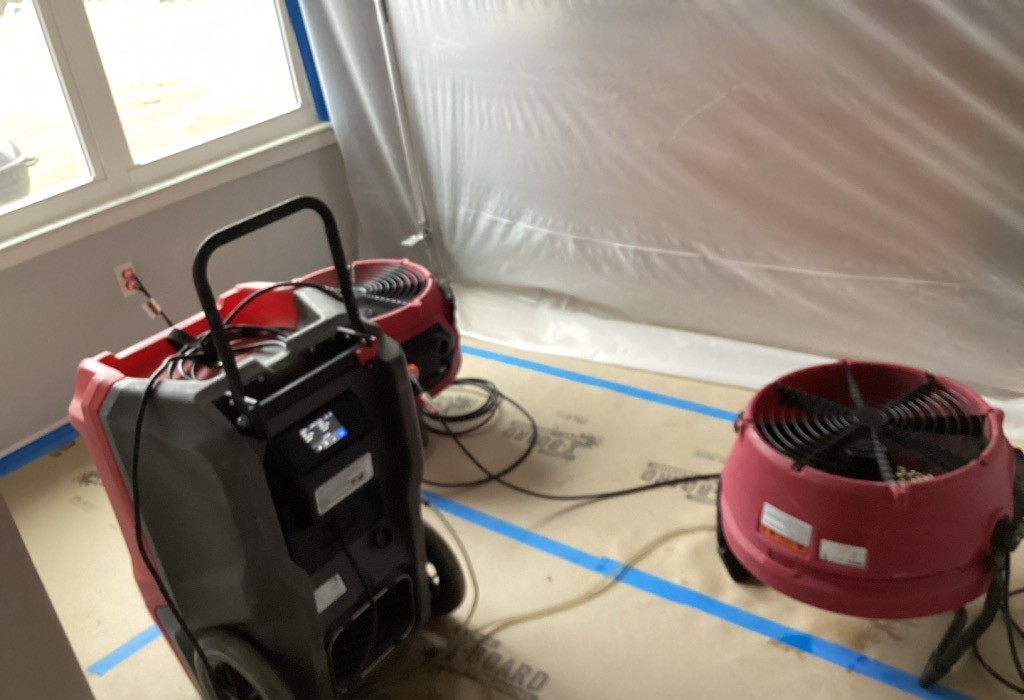
Many homeowners in Peoria associate water damage cleanup with wet vacuums and box fans. Professional water mitigation in Peoria is a structured, equipment-driven process that follows industry protocols designed to prevent secondary damage like mold growth and structural failure.
- Moisture mapping uses thermal imaging cameras and calibrated moisture meters to identify every affected area, including spaces hidden inside walls and under flooring.
- Water extraction uses truck-mounted or portable extraction units capable of removing hundreds of gallons of water far more quickly and completely than any consumer equipment.
- Structural drying involves the strategic placement of high-velocity air movers and commercial dehumidifiers to create airflow conditions that pull moisture from within building materials.
- Antimicrobial application treats affected surfaces to prevent mold colonization from taking hold during and after the drying process.
- Monitoring involves daily checks of moisture readings across all affected areas to document drying progress and adjust equipment placement as needed.
This process typically takes three to five days for a standard water event, and every step is documented for your insurance claim. PuroClean of Peoria works directly with insurance adjusters to make the process as smooth as possible for you.
How to Prevent Water Damage Before It Happens
Prevention is always less expensive than restoration. While some water intrusion events are unavoidable, many of the most common causes of water damage in Central Illinois homes are preventable with routine maintenance and a few targeted upgrades.
- Inspect your sump pump at least twice per year, especially before spring thaw and before major storm seasons. A backup battery system adds an extra layer of protection during power outages.
- Clean your gutters and downspouts every fall and spring to prevent overflow that directs water toward your foundation. Extend downspouts at least four to six feet away from your home’s foundation walls.
- Check supply lines to your washing machine, refrigerator, and dishwasher annually. Braided stainless steel lines are significantly more durable than standard rubber hoses and are worth the upgrade.
- Know where your main water shut-off valve is located and confirm it operates properly. In a burst pipe or appliance failure, reaching that valve quickly is the single most effective way to limit damage.
Taking these steps reduces your risk significantly, but even well-maintained homes experience water events. When they happen, knowing who to call makes all the difference in limiting long-term damage.
When to Call a Professional Water Mitigation Company in Peoria
Some homeowners wait too long to call a professional because they are unsure whether the situation is serious enough. The truth is that the cost of professional water mitigation in Peoria is almost always far lower than the cost of secondary damage that develops when water damage is underestimated or improperly addressed.
- Call a professional immediately if water covers more than a small, contained area or if you cannot identify and stop the source of the water.
- Seek professional help if the water event involves a sewage backup, outdoor flooding, or water that has been standing for more than 24 hours.
- Contact a restoration company if you have noticed mold, persistent odor, or structural changes like soft floors or warped walls following a water event.
- Reach out for a professional assessment even if the event seemed minor and you dried it yourself, particularly if you start noticing odors or discoloration in the days that follow.
PuroClean of Peoria offers 24/7 emergency response to water damage events throughout Peoria and surrounding Central Illinois communities. You can reach us any time at (309) 431-4003. We arrive quickly, assess the full scope of the damage, and begin mitigation the same day in most cases.
Does Homeowner’s Insurance Cover Water Mitigation in Peoria?
Insurance coverage for water damage depends on the source and cause of the event, which is why understanding your policy before an emergency happens is critical. Most standard homeowner’s policies in Illinois cover sudden and accidental water damage, but they often exclude flooding from outdoor sources and damage caused by long-term neglect.
- Sudden events like a burst pipe, appliance failure, or ice dam water intrusion are typically covered under standard homeowner’s insurance policies.
- Flooding from outdoor sources, including river overflow or storm surge, requires a separate flood insurance policy through the National Flood Insurance Program (NFIP) or a private carrier.
- Water damage resulting from a slow leak that was not addressed in a reasonable timeframe is often denied by insurers on the basis of neglect, which reinforces the importance of acting quickly.
- Professional mitigation companies provide detailed documentation of moisture readings, affected areas, and drying logs that support your insurance claim and reduce disputes with adjusters.
PuroClean of Peoria has experience working alongside insurance adjusters and can help you understand what is covered and how to navigate the claims process. We document every step of our mitigation work to support your claim from start to finish.
FAQs About Water Mitigation in Peoria
What is the difference between water mitigation and water restoration? Water mitigation refers to the emergency steps taken to stop ongoing damage and begin the drying process, such as water extraction, structural drying, and mold prevention. Water restoration refers to the repairs that follow, including replacing drywall, flooring, and other damaged materials. Mitigation always comes first.
How long does water mitigation take in a typical Peoria home? Most residential water mitigation projects in Peoria take between three and five days, depending on the size of the affected area, the materials involved, and the severity of the moisture intrusion. A professional team will monitor moisture readings daily and adjust equipment until readings return to acceptable levels.
Can I do water mitigation myself to save money? Consumer fans and wet vacuums cannot replicate the drying capacity of commercial equipment, and DIY attempts often leave hidden moisture behind inside walls and under floors. That trapped moisture leads to mold growth, structural deterioration, and health issues that cost far more to address than professional mitigation would have.
Will mold grow if I dry the water quickly on my own? Mold can begin growing within 24 to 48 hours on wet materials, and even rapid surface drying often leaves moisture inside walls, insulation, and subflooring where conditions remain ideal for mold colonization. Professional mitigation with commercial drying equipment is the most reliable way to prevent mold growth after a water event.
How do I know if water has gotten inside my walls? Signs that water has entered your wall cavities include soft or discolored drywall, bubbling or peeling paint, a persistent musty smell, and warm or cool spots on wall surfaces. A professional water mitigation company uses thermal imaging cameras and moisture meters to identify hidden moisture without opening walls unnecessarily.
Final Thoughts: Protect Your Home with the Right Response to Water Damage

Knowing the difference between a minor cleanup and a situation that requires professional water mitigation in Peoria can save your home from mold, structural damage, and long-term health risks. The five signs covered in this guide, including standing water, persistent odors, visible structural damage, contaminated water sources, and repeated intrusion, are your clearest indicators that it’s time to call in a professional team rather than reach for the mop. Acting quickly and correctly in the first 24 to 48 hours after a water event has the single biggest impact on how much damage your home ultimately sustains.
📞 Call PuroClean of Peoria for water mitigation in Peoria today at (309) 431-4003 or visit our website. Don’t let water damage ruin your home and your peace of mind — get trusted professional help today.