


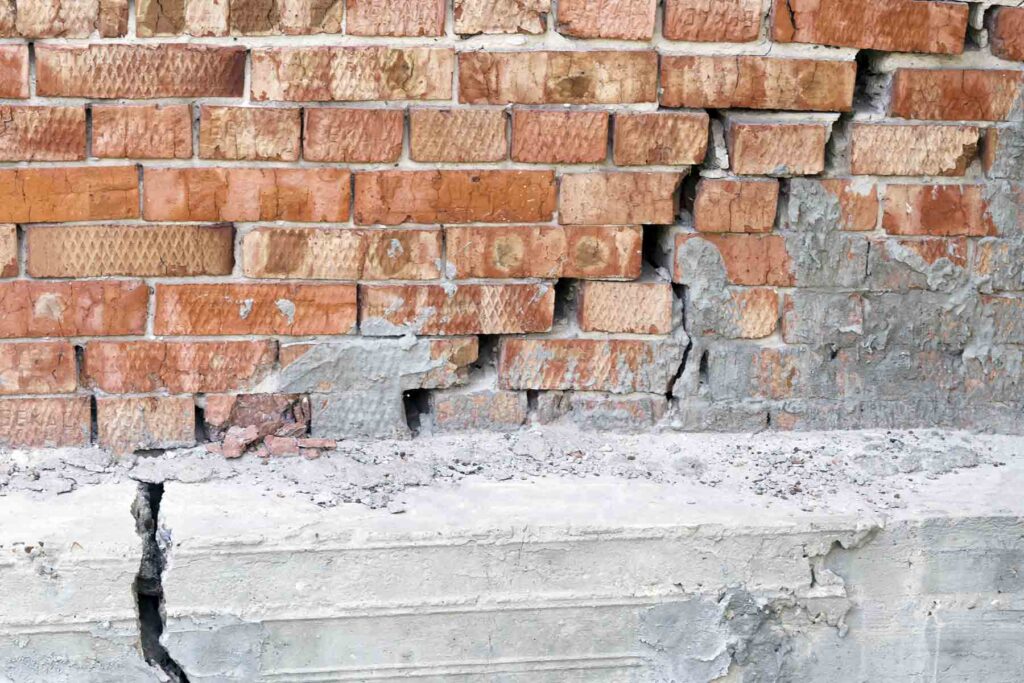
Foundation water damage is an increasingly common concern for Bluffdale homeowners after dry winters in Utah. While most people associate foundation problems with flooding or heavy storms, the opposite condition, extended dryness followed by soil rehydration, can be just as destructive.
Utah’s soil composition, particularly clay-rich soils common along the Wasatch Front, expands when wet and contracts when dry. During a dry winter, the ground surrounding a home’s foundation gradually shrinks. Then, when early spring precipitation arrives, the soil rehydrates and expands again. This repeated cycle can shift foundations, create cracks in slabs, and allow moisture to enter structural areas.
The results often become visible in March and April, when homeowners notice new wall cracks, basement moisture, or subtle structural movement. Understanding how dry winters contribute to foundation water damage helps homeowners detect problems early and protect their homes from costly structural repairs.
In this 2026 guide, PuroClean of Bluffdale explains how soil behavior, seasonal moisture changes, and foundation shifting contribute to spring water damage.
Table of Contents
Foundation Water Damage: Why Dry Winters Lead to Spring Structural Problems
foundation water damage often appears in early spring because soil conditions change rapidly after extended dry winter periods. Without snowpack or regular precipitation, the soil surrounding a home can shrink and pull away from the foundation.
The U.S. Geological Survey explains that soil expansion and contraction occur as moisture levels change, creating stress on foundations and structural systems. When precipitation finally returns in spring, the soil absorbs moisture and expands again.
Additionally, the Utah Geological Survey notes that clay-rich soils common in northern Utah are particularly sensitive to moisture fluctuations. These soils can expand significantly when rehydrated, pushing against foundations and creating structural movement.
This cycle of contraction and expansion increases the risk of foundation water damage.
7 Ways Dry Winters Lead to Foundation Damage in Bluffdale
1. Soil Shrinkage During Winter Pulls Away From Foundations
Extended dry winters can cause soil to shrink as moisture evaporates from the ground.
The U.S. Department of Agriculture Natural Resources Conservation Service explains that clay soils lose volume when dry, creating gaps between soil and structural foundations.
These gaps allow water to collect near the foundation once precipitation returns, increasing the likelihood of foundation water damage.
2. Spring Soil Rehydration Causes Sudden Expansion
When snowmelt or rain arrives in March, dry soil absorbs water quickly.
The U.S. Geological Survey explains that soil expansion occurs as water fills microscopic spaces between soil particles.
This rapid expansion places pressure on foundations, increasing the risk of cracks and foundation water damage.
3. Foundation Cracks Often Form in Early Spring
As soil expands unevenly, foundations may shift slightly. These movements often create hairline cracks in foundation walls or concrete slabs.
The International Association of Certified Home Inspectors notes that seasonal soil movement is a common cause of foundation cracking.
Once cracks form, moisture can penetrate concrete surfaces, leading to foundation water damage.
4. Slab Foundations Become Vulnerable to Moisture Intrusion
Concrete slabs are not completely waterproof. Small cracks or porous areas allow moisture to seep into the structure.
The Environmental Protection Agency explains that moisture intrusion through foundations can create conditions that promote mold growth and structural deterioration.
Slab moisture entry is one of the most common sources of foundation water damage.
5. Basement Walls Absorb Moisture From Surrounding Soil
Homes with basements face additional risks when surrounding soil becomes saturated.
The Federal Emergency Management Agency (FEMA) explains that water pressure in saturated soil can push moisture through basement walls and foundation cracks.
Hydrostatic pressure from wet soil can worsen foundation water damage over time.
6. Temperature Swings Accelerate Structural Movement
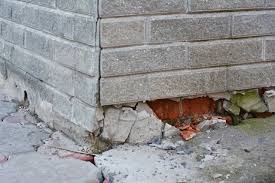
Utah’s late-winter temperature swings create freeze–thaw cycles that stress foundations and surrounding soil.
The National Weather Service explains that freeze–thaw cycles cause soil and concrete to expand and contract repeatedly.
These cycles increase the likelihood of foundation water damage as cracks and gaps develop.
7. Homeowners Often Notice Damage Too Late
Foundation issues frequently develop slowly and remain unnoticed until visible damage appears.
The Insurance Information Institute reports that delayed structural inspections often lead to higher repair costs because damage spreads before detection.
Early inspections can help homeowners prevent severe foundation water damage.
Why Bluffdale Homes Are Particularly Vulnerable
Bluffdale’s location along the Wasatch Front exposes homes to fluctuating winter temperatures and variable soil moisture conditions. Clay-heavy soils in this region expand and contract significantly as moisture levels change.
The Utah Department of Environmental Quality explains that seasonal climate patterns influence soil moisture levels and ground stability.
These regional factors increase the likelihood of foundation water damage during seasonal transitions.
What causes foundation shifting after a dry winter?
Dry soil shrinks during winter and expands when spring moisture returns, placing pressure on foundations.
Why do foundation cracks appear in March?
Spring soil rehydration and freeze–thaw cycles often create structural movement that leads to cracking.
Can dry weather cause water damage in foundations?
Yes. Soil contraction followed by rehydration can create cracks that allow moisture to enter foundations.
What are early signs of foundation water damage?
Common signs include wall cracks, uneven floors, basement moisture, and sticking doors or windows.
How PuroClean of Bluffdale Helps With Foundation Water Damage
When moisture intrusion occurs, early intervention can prevent structural deterioration and mold growth.
PuroClean of Bluffdale provides comprehensive services including:
- Moisture detection and structural inspections
- Water extraction and mitigation
- Structural drying and dehumidification
- Mold remediation and sanitation
- Insurance documentation support
All restoration work follows standards established by the Institute of Inspection, Cleaning and Restoration Certification (IICRC), ensuring professional mitigation and restoration.
If you suspect foundation shifting or moisture intrusion, contact PuroClean of Bluffdale at (801) 254-6204 for expert foundation water damage evaluation.
Dry Winters Can Still Lead to Major Structural Damage
foundation water damage is often misunderstood because many homeowners associate it with flooding or heavy storms. In reality, extended dry winters followed by spring moisture can be just as damaging.
Soil shrinkage, rehydration, freeze–thaw cycles, and slab moisture entry all contribute to foundation shifting and water intrusion. By recognizing early warning signs and scheduling inspections in early spring, Bluffdale homeowners can prevent costly structural repairs.
PuroClean of Bluffdale remains a trusted local expert in water damage restoration, structural drying, and foundation moisture mitigation.