


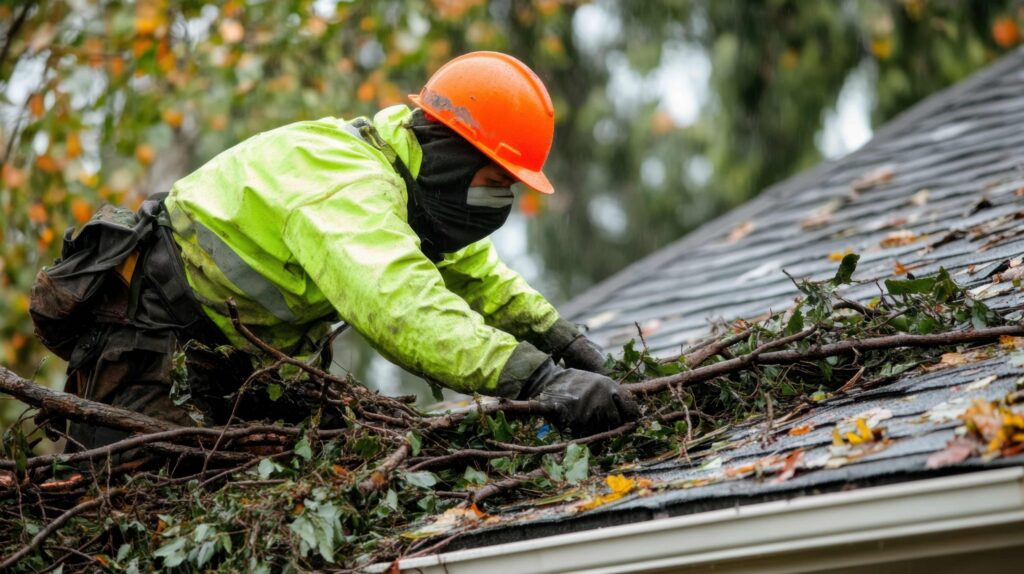
Roof Leak Repair becomes a priority for many Bluffdale homeowners every March, even after winters with little snowfall. At first glance, this seems confusing. Without heavy snow loads or dramatic storms, why would roof leaks suddenly appear in early spring?
The answer lies in the hidden effects of a dry winter. Months of wind exposure, micro freeze–thaw expansion, subtle flashing shifts, and temperature fluctuations gradually weaken roofing systems. Damage often begins quietly in January or February but remains hidden until early spring rains arrive.
In this 2026 guide, PuroClean of Bluffdale explains why early spring leaks appear after dry winters, how wind and temperature changes create vulnerabilities, and why timely Roof Leak Repair protects homes from larger structural problems.
Table of Contents
Roof Leak Repair: Why Roof Leaks Often Appear in March After a Dry Winter
Roof Leak Repair demand rises in early spring because damage accumulated during winter becomes visible only when precipitation returns. Even without heavy snowfall, roofs endure repeated temperature swings and wind pressure throughout the season.
The National Weather Service explains that freeze–thaw cycles cause building materials to expand and contract repeatedly during winter. These cycles gradually loosen flashing, shingles, and sealants.
Meanwhile, the Federal Emergency Management Agency (FEMA) notes that wind exposure can weaken roofing systems over time, creating small entry points for water.
When March rain arrives, those tiny vulnerabilities allow water intrusion, triggering the need for Roof Leak Repair.
7 Reasons Bluffdale Roof Leaks Appear in Early Spring
1. Wind Stress Loosens Shingles and Flashing
Dry winters often include more wind exposure because snow is not weighing down roofing materials.
The National Weather Service explains that sustained wind can lift shingles and create gaps in flashing systems. These gaps may remain unnoticed for weeks.
Once early spring rain occurs, water penetrates through these openings, requiring Roof Leak Repair.
2. Micro Freeze–Thaw Expansion Weakens Roofing Materials
Even small temperature swings can affect roofing components.
The U.S. Geological Survey explains that freeze–thaw expansion occurs when moisture freezes and expands within materials, gradually widening gaps.
These micro expansions may loosen flashing or crack sealants, increasing the likelihood of Roof Leak Repair.
3. Flashing Gaps Form Around Roof Penetrations
Roof penetrations, chimneys, vents, skylights, are especially vulnerable during winter.
The International Association of Certified Home Inspectors notes that flashing failures are a leading cause of roof leaks. When flashing shifts even slightly, water can seep beneath roofing layers.
These subtle changes often trigger the need for Roof Leak Repair once rain begins.
4. Sealants and Caulking Shrink in Dry Air
Low humidity during winter can cause sealants to contract and crack.
The U.S. Department of Energy explains that temperature and humidity changes affect building materials and seals over time. Cracked sealants leave small openings around flashing and vents.
Seal failure is a common reason homeowners suddenly require Roof Leak Repair in spring.
5. Debris and Dust Accumulate During Dry Winters
Without snowfall to rinse roofs naturally, dust, leaves, and debris accumulate along roof valleys.
The Environmental Protection Agency (EPA) notes that debris buildup can trap moisture and accelerate material deterioration. When rain arrives, trapped moisture may infiltrate roofing layers.
This hidden buildup can lead to Roof Leak Repair needs.

6. Minor Leaks Stay Hidden Until Interior Signs Appear
Water intrusion often begins slowly and spreads before visible symptoms appear.
The Centers for Disease Control and Prevention (CDC) explains that moisture can remain hidden inside ceilings or walls for days or weeks before staining appears.
By the time discoloration or peeling paint appears, significant Roof Leak Repair may already be necessary.
7. Homeowners Assume Low Snow Means Low Risk
One of the biggest contributors to delayed repairs is homeowner assumption. Many people believe roof damage only occurs during heavy snow events.
The Insurance Information Institute reports that many homeowners delay roof inspections during mild winters, leading to higher repair costs later.
This misconception often results in delayed Roof Leak Repair.
Why Bluffdale Homes Are Especially Vulnerable to Early Spring Roof Leaks
Bluffdale’s location along the Wasatch Front exposes homes to fluctuating winter temperatures and seasonal wind patterns. Even in dry winters, roofs experience repeated temperature stress and airflow pressure.
The Utah Department of Environmental Quality notes that winter inversion patterns can trap cold air near the surface, increasing heating demand and temperature variation. These conditions accelerate roofing material fatigue.
When March rainfall begins, weakened materials finally reveal hidden vulnerabilities, prompting the need for Roof Leak Repair.
Why do roof leaks appear in early spring after a dry winter?
Roof leaks often appear in March because winter wind stress and freeze–thaw expansion weaken roofing materials, allowing rain intrusion.
Can a dry winter still damage a roof?
Yes. Wind exposure, temperature swings, and sealant shrinkage can weaken roofing systems even without snow.
What are early signs of a roof leak?
Ceiling stains, peeling paint, musty odors, and damp attic insulation are common early indicators.
When should homeowners schedule roof inspections?
Roof inspections are recommended in late winter or early spring before seasonal rain begins
How PuroClean of Bluffdale Handles Roof Leak Damage
When roof leaks occur, quick action prevents structural deterioration and mold growth.
PuroClean of Bluffdale provides:
- Water damage mitigation
- Moisture detection and thermal imaging
- Structural drying
- Mold remediation
- Insurance documentation support
All restoration work follows standards established by the Institute of Inspection, Cleaning and Restoration Certification (IICRC), ensuring professional and compliant water damage restoration.
If you suspect roof leaks in your Bluffdale home, contact PuroClean of Bluffdale at (801) 254-6204 for rapid assessment and professional Roof Leak Repair support.
Early Spring Is When Hidden Roof Damage Reveals Itself
Roof Leak Repair needs often surge in March, not because winter storms suddenly appear, but because months of subtle stress finally expose weaknesses. Wind pressure, freeze–thaw expansion, flashing gaps, and dry air gradually compromise roofing systems.
Early inspection and proactive repairs help Bluffdale homeowners prevent water intrusion, structural damage, and costly restoration projects.
PuroClean of Bluffdale remains a trusted local expert in water damage restoration, moisture detection, and emergency property mitigation.