


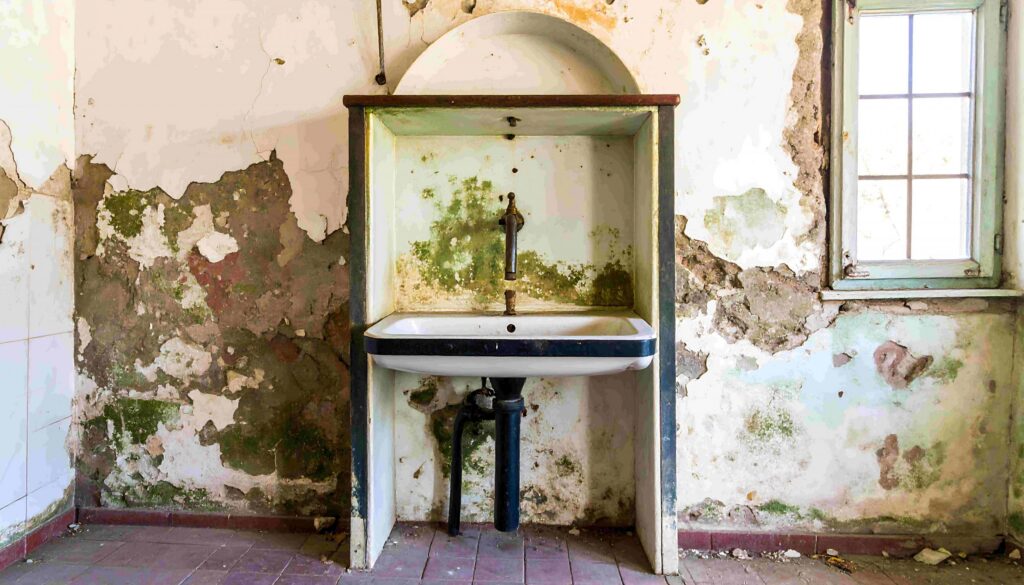
winter mold in Salt Lake City often goes unnoticed in February, especially during years when snowfall is light and outdoor conditions feel unusually dry. Many homeowners assume mold risk disappears once visible moisture and heavy snow subside, but February is one of the most deceptive months for mold growth inside homes. The absence of rain or snow creates a false sense of security while hidden moisture patterns quietly fuel mold development.
Unlike spring or summer mold issues, winter mold forms indoors due to trapped humidity, condensation, and delayed water damage from earlier cold spells. Because these issues develop out of sight, homeowners often miss the warning signs until health symptoms or property damage become impossible to ignore.
In this 2026 guide, PuroClean of Bluffdale explains the winter mold pattern Salt Lake City homeowners commonly miss during dry Februarys, why it happens without obvious moisture, and how early detection can prevent serious health and structural problems.
Table of Contents
Winter Mold in Salt Lake City: How February’s Dry Weather Still Leads to Indoor Mold Growth
Even when outdoor air is dry, indoor environments trap moisture from daily activities like cooking, showering, and laundry. In winter, tightly sealed homes prevent proper ventilation, allowing humidity to accumulate inside walls, attics, and crawl spaces, creating ideal conditions for mold growth.
winter mold in Salt Lake City does not depend on rain or fresh snowfall. Instead, it thrives on indoor moisture trapped inside sealed homes throughout winter. During February, homes are still tightly closed, heating systems run constantly, and ventilation remains limited.
The Environmental Protection Agency explains that mold growth depends on moisture availability rather than outdoor weather conditions. At the same time, the U.S. Department of Energy notes that winter heat loss and air pressure differences cause warm, moisture-laden air to rise and condense on cold interior surfaces such as attic decking, wall cavities, and window frames.
This combination makes February one of the most active months for hidden mold growth.
1. Condensation Builds Up Long Before February Arrives
One of the most common winter mold patterns begins weeks earlier in the season. Moisture from cooking, bathing, laundry, and humidifiers accumulates indoors throughout winter and condenses on cold surfaces.
The U.S. Department of Energy explains that condensation forms when warm indoor air meets cold building materials, especially in attics and exterior walls. By February, repeated condensation cycles may have already saturated insulation, drywall, and framing, creating ideal mold conditions even during dry weather.
This is why winter mold in Salt Lake City often appears without any visible leak.
2. Frozen Pipes Create Moisture Without Active Leaks
Another hidden contributor to winter mold in Salt Lake City is plumbing damage caused by freezing temperatures. Pipes frequently crack during January cold snaps but do not release water immediately.
The Insurance Information Institute explains that frozen pipes often leak only after thawing occurs, allowing moisture to seep into walls, floors, and cabinets unnoticed. By February, this trapped moisture may have been present long enough to support mold growth.
Homeowners may never see standing water, yet mold continues to develop behind surfaces.
3. Attic Mold Develops During Dry Winter Periods
Attics are one of the most overlooked locations for winter mold in Salt Lake City. Warm air escaping from living spaces rises into cold attic environments, where condensation forms on roof decking and framing.
The Environmental Protection Agency explains that poor attic ventilation increases moisture retention and promotes mold growth in enclosed spaces. During dry Februarys, homeowners rarely inspect attics, allowing mold colonies to expand unnoticed.
This is why winter mold in Salt Lake City often appears without any warning; attic-based mold often becomes a source of indoor air contamination.
4. Indoor Humidity Remains Higher Than Homeowners Realize
Even when outdoor air feels dry, indoor humidity levels may remain elevated during winter. Heating systems do not remove moisture, and sealed homes trap humidity inside.
The Centers for Disease Control and Prevention notes that mold growth can occur whenever indoor humidity remains above safe thresholds, regardless of season. In February, persistent indoor humidity often supports slow but steady mold development in closets, basements, and behind furniture.
This explains why winter mold in Salt Lake City frequently appears in areas with limited airflow.
5. Ice Dams Cause Delayed Moisture Intrusion
Although February may bring little new snow, ice dams formed earlier in winter continue to force moisture into roofs and walls. This moisture often travels far from the roofline before becoming visible.
The Federal Emergency Management Agency explains that ice dams allow water to penetrate roofing systems and wall cavities, where it can remain trapped long after snow has melted. By February, this hidden moisture frequently supports mold growth inside ceilings and insulation.
Homeowners often mistake this damage for unrelated indoor humidity problems.
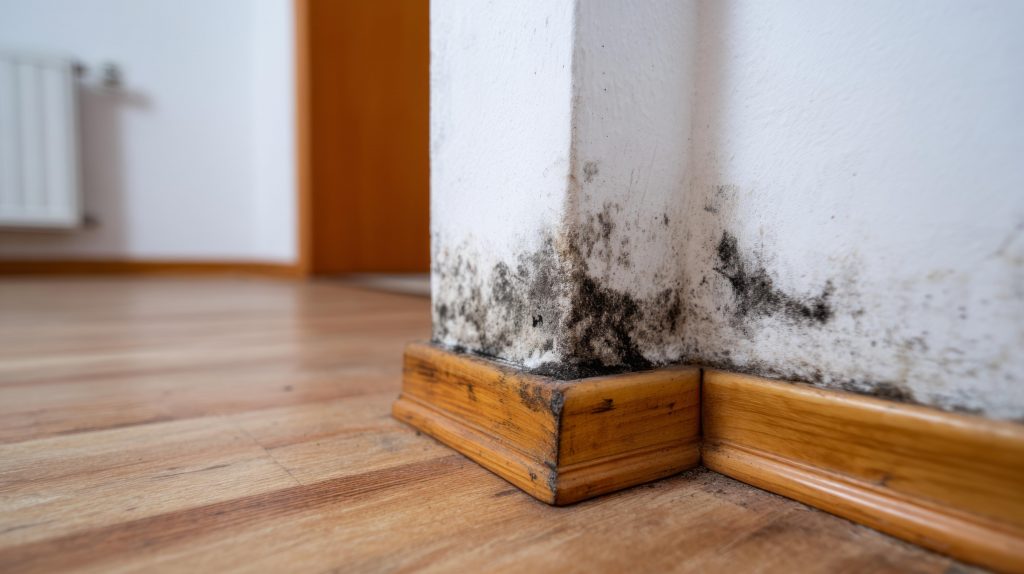
6. Basements Absorb Subsurface Moisture in Late Winter
Basements are another common site for winter mold in Salt Lake City. As ground temperatures fluctuate, moisture movement around foundations increases, even without surface snow.
The U.S. Geological Survey explains that freeze–thaw cycles affect groundwater behavior, allowing moisture to seep through foundation cracks and porous concrete. This moisture often appears as dampness rather than standing water, making it easy to overlook.
By February, basements may support mold growth despite dry exterior conditions.
7. Health Symptoms Appear Before Mold Is Seen
One of the most concerning winter mold patterns is that health symptoms often appear before visible mold. Homeowners may experience headaches, coughing, sinus irritation, fatigue, or worsening asthma without realizing mold is the cause.
The Centers for Disease Control and Prevention explains that mold exposure can trigger respiratory and allergic symptoms even when mold growth is hidden. During February, these symptoms are often mistaken for seasonal illness or dry-air irritation.
This delay allows winter mold in Salt Lake City homes to spread further before detection.
Why February Mold Is Often Missed
winter mold in Salt Lake City is commonly missed in February because homeowners associate mold with wet seasons, not dry winter months. In reality, February represents the cumulative effect of months of trapped moisture, condensation, and delayed water intrusion.
The Environmental Protection Agency emphasizes that mold prevention depends on moisture control, not outdoor precipitation. This makes late winter one of the most critical times for inspection.
Why does mold grow during dry Februarys?
Because indoor moisture from condensation, plumbing issues, and trapped humidity continues to support mold growth even without rain or snow.
Where is winter mold most likely to develop?
Attics, basements, wall cavities, closets, and behind furniture are the most common locations.
Can winter mold affect health?
Yes, mold exposure can cause respiratory irritation, headaches, fatigue, and allergy-like symptoms.
How quickly can mold grow indoors?
Mold can begin growing within 24 to 48 hours when moisture is present.
How PuroClean of Bluffdale Identifies Winter Mold Patterns
PuroClean of Bluffdale specializes in identifying winter mold in Salt Lake City homes using moisture mapping, thermal imaging, air quality assessment, and targeted inspections. Our team focuses on locating hidden moisture sources rather than just visible mold.
All remediation work follows standards established by the Institute of Inspection, Cleaning and Restoration Certification, ensuring safe and effective mold removal with long-term prevention strategies.
For professional inspection and remediation, contact PuroClean of Bluffdale at (801) 254-6204.
Dry Weather Does Not Mean Low Mold Risk
Winter mold in Salt Lake City thrives on hidden moisture patterns that peak in February, not on snowfall. Understanding this seasonal pattern empowers homeowners to act before health and property damage escalate.
PuroClean of Bluffdale remains a trusted leader in winter mold inspection, remediation, and moisture control for Salt Lake City homeowners.