


Winter fires in Salt Lake City can cause devastating property damage and pose serious threats to families and businesses. While the season brings picturesque snowfall, cozy nights by the fire, and holiday cheer, it also increases the risk of winter fires due to heating systems, chimneys, and electrical hazards. At PuroClean of Bluffdale, we understand these dangers and how crucial it is to take proactive steps to prevent them. Call PuroClean of Bluffdale at (801)254-6204 when winter fires occur or click here.
Table of Contents
According to the National Fire Protection Association (NFPA), home fires peak in winter, with nearly 50% of all heating-related fires occurring between December and February. From chimney maintenance to heating systems and electrical safety, this guide will help you understand the common causes of winter fires and the best strategies to keep your home and loved ones safe.
Understanding the Risk: Why Winter Fires Are More Common
During the colder months, homeowners rely more on heating systems, fireplaces, and electrical appliances. Unfortunately, improper use, lack of maintenance, and electrical malfunctions can increase fire hazards. According to the National Fire Protection Association (NFPA), home heating is the second leading cause of fires in the U.S., with a significant spike occurring in winter.
The combination of dry indoor air, increased use of flammable decorations, and the occasional power outage forcing reliance on candles or generators makes winter particularly dangerous. Being aware of these risks and taking action to mitigate them can save lives and prevent costly damages.
Let’s take a closer look at the most common causes of winter fires and how you can prevent them.
Chimney Fires: The Hidden Danger in Your Fireplace
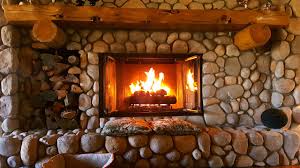
Nothing beats the warmth of a crackling fireplace on a chilly night. However, an unmaintained chimney can become a serious fire hazard.
How Do Chimney Fires Start?
Over time, a substance called creosote—a highly flammable byproduct of burning wood—builds up inside your chimney. If not regularly cleaned, this buildup can ignite, leading to a dangerous chimney fire that can quickly spread to the rest of your home.
Even a small amount of creosote can ignite under the right conditions, and if the chimney has cracks or blockages, the fire can easily escape into the walls or roof, causing severe damage.
How to Prevent Chimney Fires
- Schedule an annual chimney inspection. Have a professional chimney sweep check for blockages, creosote buildup, and structural damage (Chimney Safety Institute of America).
- Burn only dry, seasoned wood. Green or wet wood produces more creosote.
- Use a chimney cap. This prevents debris and animals from blocking airflow.
- Install a spark guard. It helps keep embers from escaping your fireplace.
- Ensure proper ventilation. Good airflow helps prevent the buildup of harmful gases and excessive creosote.

Heating Systems: A Leading Cause of Winter Fires
Your furnace, space heater, or wood stove keeps you warm, but these heating sources can become serious fire hazards without proper maintenance and safety precautions.
Furnace Fires
Dirty or faulty furnaces can overheat and ignite nearby materials.
Prevention Tips:
- Schedule an annual HVAC inspection (Energy.gov).
- Change your furnace filter regularly to prevent overheating.
- Keep flammable materials at least three feet away from heat sources.
- Ensure all vents and air ducts are clear of blockages to prevent overheating.
Space Heater Fires
Space heaters are a major contributor to winter fires because they can overheat, tip over, or be placed too close to flammable materials.
Prevention Tips:
- Always use a space heater with an automatic shut-off feature.
- Keep a three-foot clearance around heaters.
- Never leave space heaters unattended.
- Plug space heaters directly into an outlet instead of using an extension cord.
- Opt for modern, safety-certified models with overheating protection (Consumer Product Safety Commission).
Electrical Fires: The Silent Winter Threat
The winter season means increased use of electrical appliances, holiday lights, and heating devices, leading to overloaded circuits and potential fires.
Common Electrical Fire Hazards
- Overloaded outlets and extension cords.
- Old or damaged wiring.
- Misuse of electric blankets and heating pads.
- Power strips with too many high-wattage appliances.
How to Prevent Electrical Fires
- Inspect your wiring. If you live in an older home, have an electrician assess your electrical system.
- Avoid overloading outlets. Plug only one major appliance per outlet.
- Replace damaged cords. Frayed or cracked cords can ignite easily.
- Use surge protectors. These help prevent overheating from excessive electrical loads.
- Turn off electrical decorations when not in use. Unplug holiday lights before going to bed or leaving the house (Electrical Safety Foundation International).
Cooking Fires: A Year-Round Hazard That Peaks in Winter
With the holiday season comes a lot of cooking, which increases the risk of kitchen fires. Unattended cooking and grease buildup are major culprits.
Preventing Cooking Fires
- Never leave the kitchen unattended while cooking.
- Keep flammable objects away from the stove.
- Regularly clean your oven and stovetop to prevent grease buildup.
- Have a fire extinguisher rated for grease fires within reach (NFPA Cooking Safety).
- Use a timer to remind yourself of cooking times to prevent forgotten food from burning.
- Keep pot handles turned inward to prevent accidental spills.
Candle Fires: A Cozy Glow Can Turn into a Disaster
Candles add warmth and ambiance, but they also pose a significant fire hazard if left unattended or placed too close to flammable materials.
Candle Fire Prevention
- Keep candles at least 12 inches away from anything flammable.
- Use flameless LED candles for a safer alternative.
- Never leave candles burning when you leave the room.
- Place candles on a sturdy, non-flammable surface.
- Consider using hurricane lanterns or enclosed candle holders for added safety (U.S. Fire Administration).
Don’t let winter fires put your home or business at risk. By following these fire prevention tips and staying proactive with maintenance, you can enjoy a safe and warm winter season in Salt Lake City.
Emergency Preparedness: Essential for Winter Fire Safety
While preventing fires is critical, it’s equally important to be prepared for the worst-case scenario. Having a fire emergency plan in place can make all the difference in protecting your family and minimizing damage. During winter, when fires are more likely to occur, being prepared can give you the peace of mind that you’ve taken all the necessary precautions should an emergency arise.
Steps to Prepare for Winter Fires Emergency
- Create a Fire Escape Plan. Draw up a plan for each member of your household, including children and pets. Ensure that everyone knows at least two ways out of each room and designate a safe meeting point outside the home.
- Test Smoke Alarms Regularly. Smoke alarms are a critical part of early fire detection. Test your alarms monthly and change the batteries twice a year (consider doing this during daylight savings time).
- Prepare an Emergency Kit. Keep a fire emergency kit that includes items like a flashlight, batteries, first aid supplies, a fire extinguisher, and necessary medications. This will help in case you need to evacuate or deal with smoke inhalation before help arrives.
- Educate Your Family. Teach children how to safely respond to a fire, including how to “stop, drop, and roll” and how to exit the home safely. Familiarize them with how to call 911 and the importance of never re-entering a burning building.
- Keep Driveways and Walkways Clear. Winter storms can lead to snow and ice buildup around your property, which can impede emergency responders from accessing your home. Regularly clear your driveway, pathways, and any other areas that might obstruct access.
Fire Extinguisher Maintenance
Having a fire extinguisher in your home is one of the most effective ways to combat a small fire before it spreads. Ensure you have one in the kitchen, near heating sources, and in any other high-risk areas. But having a fire extinguisher is only effective if it’s in working condition and accessible.
- Having a fire extinguisher in your home is one of the most effective ways to combat a small fire before it spreads. Ensure you have one in the kitchen, near heating sources, and in any other high-risk areas. But having a fire extinguisher is only effective if it’s in working condition and accessible.
Call PuroClean of Bluffdale for Expert Fire Damage Restoration
Despite the best precautions, fire damage can still occur. If you experience a fire, PuroClean of Bluffdale is here to help with professional fire damage restoration services. Our team is trained to handle smoke, soot, and fire-related property damage, ensuring a quick and efficient recovery process. For more on how PuroClean of Bluffdale can help property owners during this winter, read our blog post on the Home Restoration Secrets: 6 Proven Ways PuroClean of Bluffdale Saves Homes in Winter
Stay safe. Stay warm. Stay fire-free.