 PuroClean of Bluffdale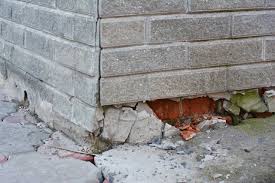
foundation damage is one of the most expensive and misunderstood problems Salt Lake City homeowners face, especially during January when freeze–thaw cycles reach their peak. While many homeowners associate winter damage with frozen pipes or roof leaks, far fewer realize that repeated freezing and thawing beneath the surface can slowly weaken a home’s foundation long before visible cracks appear.
What makes January particularly dangerous is not extreme cold alone, but the constant temperature fluctuation that causes soil to expand, contract, and shift repeatedly. These subtle movements place continuous stress on foundation walls, footings, and slabs, often leading to cracks, water intrusion, and long-term structural instability.
In this guide, PuroClean of Bluffdale explains how January freeze–thaw cycles worsen foundation damage in Salt Lake City homes, why the problem often goes unnoticed, and what homeowners can do to reduce risk before minor issues become major structural repairs.
Table of Contents
Foundation Damage: Why January Freeze–Thaw Cycles Are Especially Harmful
foundation damage accelerates in January because Salt Lake City frequently experiences daytime temperatures above freezing followed by sharp nighttime drops. These repeated transitions cause moisture in the soil to freeze, expand, thaw, and settle again.
The U.S. Geological Survey explains that when water in soil freezes, it expands and increases pressure against foundations, a process that repeats during thawing and gradually weakens structural materials. Unlike single freeze events, repeated cycles create cumulative stress that foundations are not designed to withstand indefinitely.
This ongoing movement often causes damage before homeowners see any visible warning signs.
1. Soil Expansion Creates Lateral Pressure Against Foundation Walls
One of the most damaging effects of freeze–thaw cycles is lateral soil pressure. When saturated soil freezes, it expands outward and pushes against foundation walls.
The Federal Emergency Management Agency notes that freeze-related soil expansion can exert enough force to crack foundation walls and displace footings over time. Even small shifts can allow moisture to enter, compounding foundation damage as water refreezes inside cracks.
This pressure is especially problematic in basements where walls are in constant contact with surrounding soil.
2. Water Enters Micro-Cracks and Expands as It Freezes
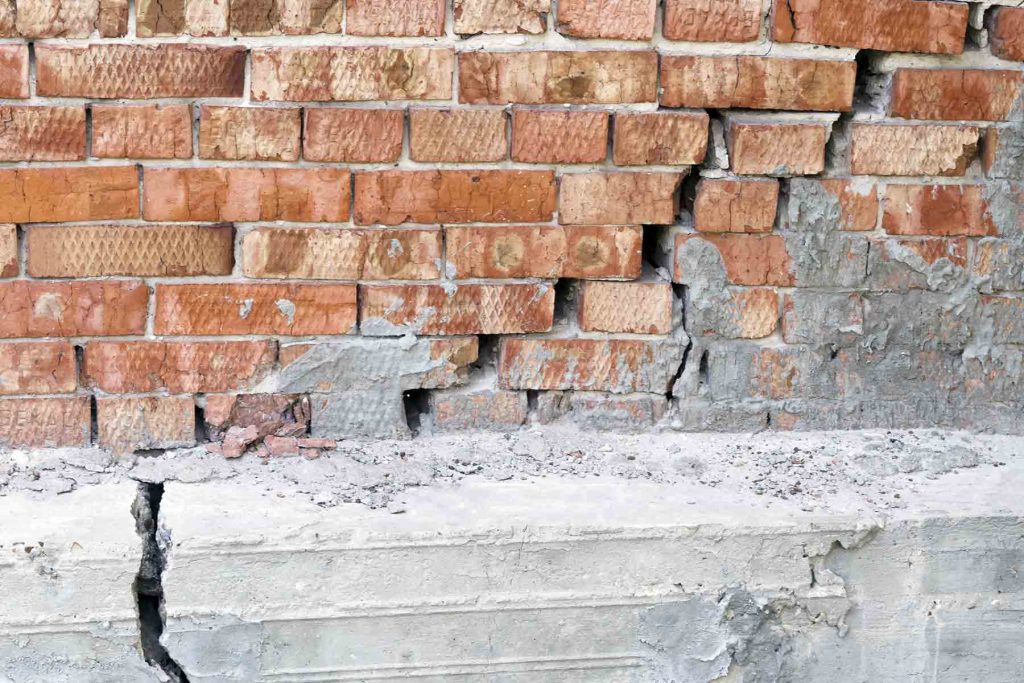
Another way foundation damage worsens in January is through micro-cracks that allow water to enter concrete and masonry. Once inside, that moisture freezes and expands, widening cracks incrementally with each cycle.
The Environmental Protection Agency explains that concrete is porous and readily absorbs moisture, which becomes a serious problem when freeze–thaw cycles are frequent. Over time, hairline cracks grow into structural fractures that compromise foundation integrity and allow further water intrusion.
This process often continues unnoticed until interior damage appears.
3. Frost Heave Lifts and Shifts Foundation Sections
Frost heave occurs when freezing soil lifts sections of a foundation unevenly, placing stress on load-bearing components. This vertical movement can cause misalignment throughout the structure.
The American Society of Civil Engineers identifies frost heave as a major contributor to foundation movement in cold climates, particularly where soil drainage is poor. Once a foundation shifts, it rarely settles back into its original position, leaving permanent structural stress behind.
This type of movement significantly increases long-term foundation damage risk.
4. Freeze–Thaw Cycles Worsen Existing Drainage Problems
Poor drainage dramatically amplifies foundation damage during January. When gutters, downspouts, or grading fail to divert water away from the home, moisture collects around the foundation and freezes repeatedly.
The U.S. Department of Energy explains that water pooling near foundations increases freeze-related expansion forces and accelerates material deterioration. Each freeze–thaw cycle compounds the problem, especially when snowmelt refreezes against basement walls overnight.
Homes with older drainage systems are particularly vulnerable.
5. Interior Signs Appear Long After Structural Damage Begins
Many homeowners first notice foundation damage through interior symptoms such as wall cracks, sticking doors, uneven floors, or water seepage. By this point, freeze–thaw stress has often been affecting the foundation for months or even years.
The Institute of Inspection, Cleaning and Restoration Certification explains that moisture intrusion linked to foundation movement can quickly lead to mold growth and secondary structural damage if not addressed promptly. January is often when these interior warning signs finally become noticeable.
Ignoring these early signs allows damage to accelerate rapidly.
Why Salt Lake City Homes Are Particularly Vulnerable
Salt Lake City’s climate creates ideal conditions for freeze–thaw damage due to frequent temperature swings and winter precipitation. Soil composition in many areas retains moisture, increasing expansion during freezing periods.
The National Weather Service documents that regions with frequent winter temperature fluctuations experience higher rates of freeze–thaw-related structural stress. This makes foundation damage more common locally than in regions with consistently cold or consistently warm winters.
FAQ’s
Can freeze–thaw cycles really damage foundations? Yes, repeated freezing and thawing causes soil expansion and contraction that places continuous pressure on foundation walls, according to the U.S. Geological Survey.
Why does foundation damage worsen in January? January often brings the most frequent freeze–thaw cycles, which accelerate cracking and water intrusion, as explained by the Federal Emergency Management Agency.
What are early signs of foundation damage? Cracks in walls, uneven floors, sticking doors, and basement moisture are common early indicators.
Can foundation damage lead to mold? Yes, moisture entering through foundation cracks can create conditions for mold growth according to the Environmental Protection Agency.
How PuroClean of Bluffdale Helps Protect Foundations in Winter
When foundation damage leads to water intrusion or moisture problems, fast professional response is essential. PuroClean of Bluffdale provides expert water damage restoration, structural drying, moisture detection, and mold prevention services throughout Salt Lake City.
Our team uses infrared moisture mapping, professional dehumidification, and IICRC-approved drying methods to prevent secondary damage caused by freeze–thaw cycles. We also provide documentation that supports insurance claims when water intrusion is involved.
What Homeowners Should Do During Freeze–Thaw Conditions
To reduce foundation damage risk during January, homeowners should clear snow away from foundation walls, ensure downspouts extend several feet from the home, seal visible cracks promptly, and monitor basement moisture levels closely. If water intrusion occurs, immediate professional drying is critical.
For expert assistance, homeowners should contact PuroClean of Bluffdale at (801) 254-6204 as soon as moisture or structural concerns appear.
Freeze–Thaw Damage Is Silent but Serious
Foundation damage caused by January freeze–thaw cycles rarely happen all at once. It develops gradually as soil shifts, water freezes inside cracks, and pressure builds against foundation walls.
Understanding these risks allows Salt Lake City homeowners to act early and avoid extensive repairs. PuroClean of Bluffdale is the trusted local expert for winter-related moisture intrusion, foundation-related water damage, and professional restoration services.
For winter water damage or foundation-related moisture issues, call PuroClean of Bluffdale at (801) 254-6204.



 PuroClean of Bluffdale