 PuroClean of Bluffdale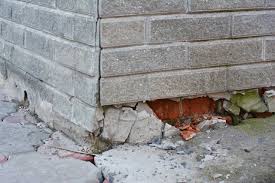
Foundation damage is one of the most misunderstood winter threats facing Bluffdale homeowners, especially in February when snowfall is light or nonexistent. Many residents assume that without heavy snowpack, their homes are safe from cold-weather structural problems. In reality, February’s freeze–thaw temperature swings can be far more destructive to foundations than snowstorms ever are.
When daytime temperatures rise above freezing and nighttime temperatures drop sharply, the ground around a home repeatedly expands and contracts. This constant movement places intense stress on foundation walls, footings, and slabs, often without any visible warning signs. By the time cracks, shifting, or water intrusion become noticeable, significant damage may already be underway.
In this guide, PuroClean of Bluffdale explains how February freeze–thaw cycles cause hidden foundation stress, why snow is not required for serious problems, and how homeowners can recognize and respond before repairs become costly.
Table of Contents
Foundation Damage: Why February Freeze–Thaw Cycles Are More Dangerous Than Snow
foundation damage accelerates during February because the ground surrounding Bluffdale homes experiences repeated freezing and thawing without the insulating effect of deep snow. Snow can actually stabilize soil temperatures, while bare ground is exposed directly to temperature swings.
The U.S. Geological Survey explains that freeze–thaw cycles cause soil expansion and contraction that places lateral pressure on foundations, particularly in clay-rich soils common in Utah. At the same time, the National Weather Service notes that late-winter temperature fluctuations are more frequent than mid-winter extremes, increasing structural stress even in dry conditions.
This is why February is often the most damaging month for foundations, even without snow.
1. Soil Expansion Creates Lateral Pressure on Foundation Walls
One of the primary causes of foundation damage in February is soil expansion. When moisture in the soil freezes, it expands, pushing outward against foundation walls.
The Federal Emergency Management Agency explains that expanding soil exerts lateral pressure that can crack foundation walls and compromise structural stability over time. When temperatures fluctuate daily, this pressure is applied repeatedly, weakening concrete and mortar joints.
This cycle continues silently until visible cracking or bowing occurs.
2. Thawing Releases Water Against the Foundation
Another contributor to foundation damage is the release of water during thaw periods. When frozen ground thaws, trapped moisture is released and migrates toward foundation walls.
The U.S. Department of Energy explains that thawing soil allows moisture to move freely toward below-grade structures, increasing hydrostatic pressure against foundations. Even without snow, moisture from earlier precipitation or groundwater is enough to stress foundation systems.
This moisture movement often leads to seepage and interior dampness.
3. Repeated Freeze–Thaw Weakens Concrete Over Time
Concrete is durable but not immune to freeze–thaw damage. Small amounts of moisture inside concrete pores expand when frozen, gradually weakening the material.
The American Concrete Institute notes that repeated freeze–thaw exposure can cause microcracking and surface deterioration in concrete structures. Over the course of February, daily temperature swings accelerate this process, increasing the risk of structural degradation.
This deterioration contributes directly to long-term foundation damage.
4. Frost Heave Lifts and Shifts Foundation Elements
Frost heave is another February-specific risk. As frozen soil expands upward, it can lift sections of foundation footings or slabs unevenly.
The U.S. Geological Survey explains that frost heave occurs when moisture-rich soil freezes and expands vertically, leading to uneven lifting of structures. When thawing occurs, the soil settles unevenly, leaving gaps and voids beneath foundations.
This movement often results in cracking and misalignment.
5. Foundation Cracks Invite Water Intrusion
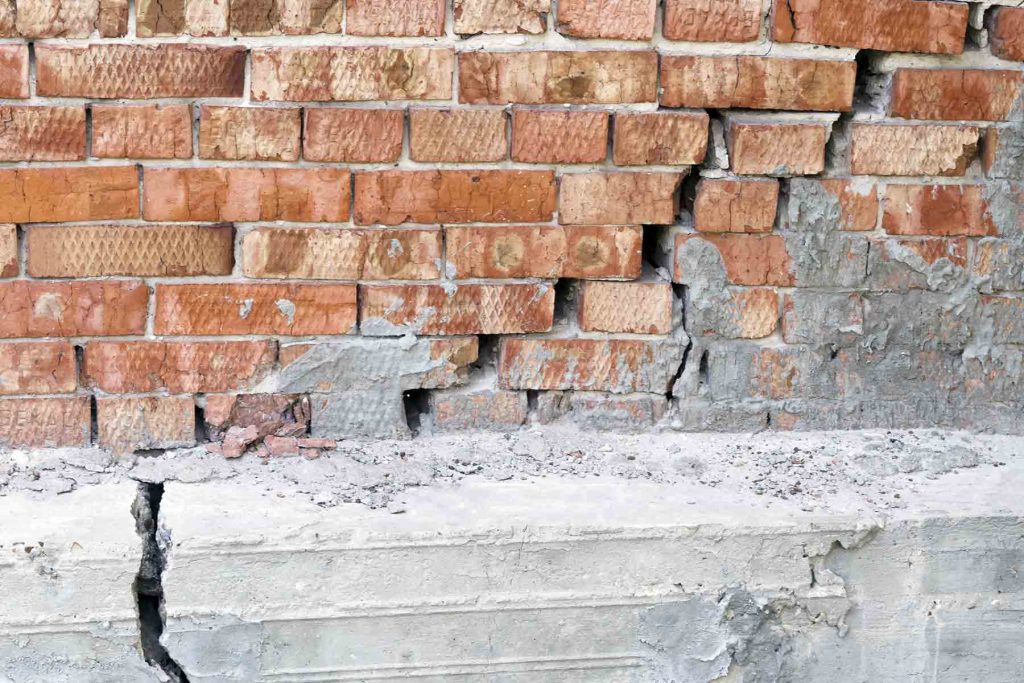
Once cracks form, foundation damage escalates quickly as water finds new pathways into basements and crawlspaces. February thaw cycles push moisture through even small openings.
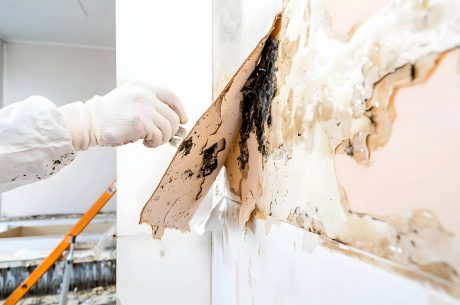
The Environmental Protection Agency explains that water intrusion through foundation cracks increases indoor moisture levels and raises the risk of mold growth. Homeowners may notice musty odors or damp walls long before visible flooding occurs.
Cracks that appear minor can lead to major secondary damage.
6. Basement Humidity Rises During Late Winter
February freeze–thaw cycles also contribute to elevated basement humidity. Moisture released from thawing soil increases vapor pressure around foundations.
The Centers for Disease Control and Prevention notes that elevated indoor humidity can contribute to mold growth and respiratory symptoms, even without standing water. Basements are especially vulnerable because they are below grade and poorly ventilated during winter.
This humidity often signals underlying foundation damage.
7. Delayed Discovery Makes Damage Appear Sudden
A defining feature of February foundation damage is delayed discovery. Structural stress builds gradually, but visible signs often appear suddenly once materials reach their breaking point.
The Insurance Information Institute explains that late-winter property damage is frequently discovered weeks after the initial stress occurred, complicating insurance claims and repairs. Homeowners may believe the problem appeared overnight when it has been developing all season.
This delay increases repair complexity and cost.
Why Bluffdale Foundations Are Especially Vulnerable in February
Bluffdale’s soil composition, combined with temperature variability and limited snow cover, creates ideal conditions for freeze–thaw stress. Homes built on expansive soils are particularly susceptible.
The Utah Geological Survey explains that clay-rich soils common along the Wasatch Front expand and contract significantly with moisture and temperature changes. February’s alternating freeze–thaw patterns amplify this movement, placing continuous strain on foundations.
This makes February a critical inspection period for local homeowners.
Can foundation damage occur without snow?
Yes. Freeze–thaw temperature swings and soil moisture movement can damage foundations even in dry conditions.
Why is February worse than January for foundations?
February has more frequent thaw periods that release moisture and increase soil movement.
What are early signs of foundation stress?
Cracks, uneven floors, sticking doors, basement dampness, and rising humidity are common indicators.
How fast is the freeze–thaw damage progress?
Damage develops gradually but may become visible suddenly after repeated cycles.
How PuroClean of Bluffdale Helps Address Foundation-Related Damage
When foundation damage leads to water intrusion or indoor moisture issues, rapid professional response is essential. PuroClean of Bluffdale provides moisture detection, water extraction, structural drying, and mold prevention services tailored to winter-related foundation problems.
All restoration work follows standards established by the Institute of Inspection, Cleaning and Restoration Certification, ensuring safe, effective, and insurance-aligned remediation.
For expert assistance, contact PuroClean of Bluffdale at (801) 254-6204.
February Stress Is About Temperature, Not Snow
Foundation damage in Bluffdale during February is driven by freeze–thaw cycles, soil movement, and moisture migration, not snowfall. Understanding this pattern allows homeowners to act early, reduce repair costs, and protect long-term structural integrity.
PuroClean of Bluffdale remains a trusted local expert in late-winter damage assessment, moisture control, and restoration support.

 PuroClean of Bluffdale