 PuroClean of Bluffdale
Home structural damage often begins quietly in February, long before visible failure appears. Bluffdale homeowners tend to focus on dramatic winter events like heavy snowfall or burst pipes, but late-winter structural stress is usually subtle. Small cracks, unexplained drafts, minor leaks, and shifting doors are frequently dismissed as seasonal inconveniences. In reality, these are early indicators of deeper structural movement.
February is uniquely stressful for homes in Bluffdale. Freeze–thaw cycles, fluctuating daytime temperatures, wind pressure, and soil contraction combine to create cumulative strain. While January’s deep freeze may start the process, February’s alternating temperatures amplify it.
In this 2026 guide, PuroClean of Bluffdale explains the early warning signs of home structural damage, why February accelerates hidden stress, and how proactive inspection prevents costly repairs.
Table of Contents
Home Structural Damage: Why February Is a Turning Point
Home structural damage accelerates in February because freeze–thaw cycles intensify ground movement and material expansion. Unlike steady cold periods, fluctuating temperatures cause repeated expansion and contraction in concrete, framing, and soil.
The U.S. Geological Survey explains that frost action causes soil expansion when frozen and contraction during thawing, placing stress on foundations. Meanwhile, the National Weather Service notes that late-winter temperature swings are common across northern Utah, increasing material stress.
These environmental factors make February a peak month for early structural warning signs.
1. Hairline Foundation Cracks Widen Gradually
Small foundation cracks are often overlooked. However, even minor fissures can signal shifting soil or freeze–thaw stress.
The Federal Emergency Management Agency (FEMA) explains that soil movement and moisture changes contribute to foundation cracking over time. While not all cracks are severe, progressive widening indicates movement.
Ignoring these signs increases the risk of home structural damage significantly.
2. Doors and Windows Begin Sticking
When structural components shift slightly, door frames and window openings lose alignment.
The U.S. Department of Energy explains that temperature changes cause framing materials to expand and contract, affecting door and window operation. Persistent sticking may signal underlying structural movement rather than humidity alone.
These subtle changes often precede more visible home structural damage.
3. Drafts Appear Around Previously Sealed Areas
Drafts around windows, outlets, or baseboards suggest shifting framing or insulation gaps.
The Environmental Protection Agency (EPA) notes that air leakage through building envelopes increases when structural joints separate. Drafts may indicate movement in framing or exterior sheathing.
Air intrusion is often an early symptom of home structural damage.
4. Ceiling or Wall Cracks Expand
Interior drywall cracks commonly appear at corners or along seams. While small cosmetic cracks are normal, widening cracks may signal structural stress.
The International Association of Certified Home Inspectors (InterNACHI) explains that diagonal or expanding cracks often reflect foundation movement. February thaw cycles frequently exacerbate these weaknesses.
Monitoring crack progression helps detect home structural damage early.
5. Minor Roof Leaks Develop After Wind Exposure
Bluffdale’s winter winds can loosen flashing or roofing materials.
The National Weather Service highlights that sustained wind pressure increases stress on roofing systems. Even small shifts can create entry points for moisture during intermittent precipitation.
Leaks that appear minor may indicate structural vulnerability.
6. Uneven Flooring or Subtle Sloping
Flooring that feels uneven or begins to slope slightly may indicate foundation shifts.
The U.S. Geological Survey explains that soil contraction during dry winter conditions affects foundation stability. Over time, these shifts influence floor alignment.
Floor irregularities are common early markers of home structural damage.
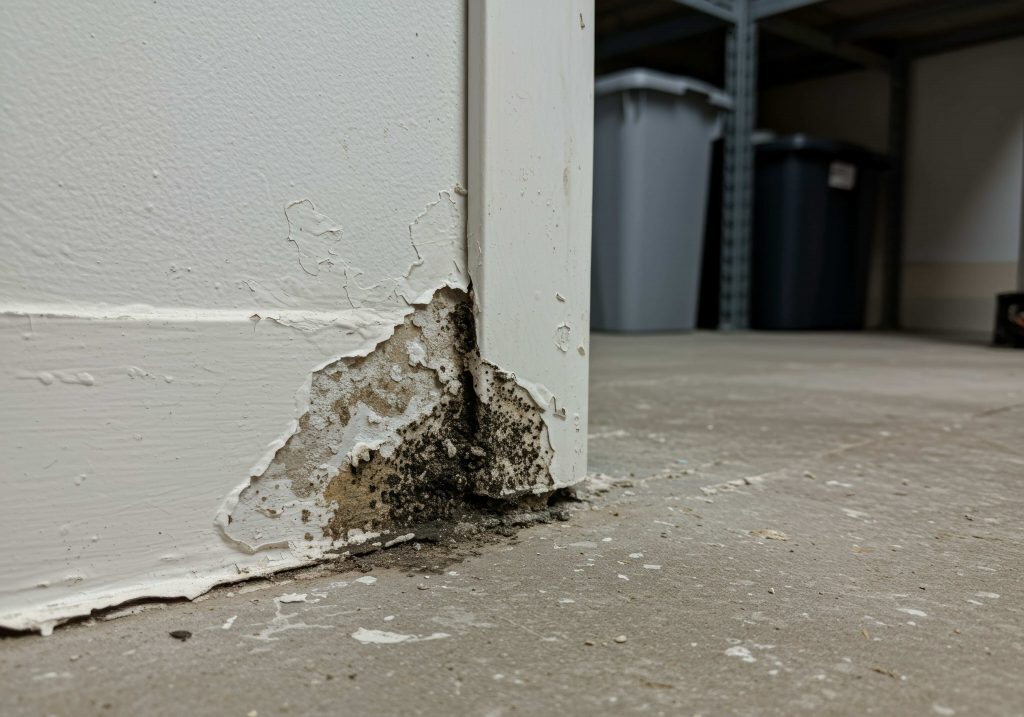
7. Basement Moisture Without Major Flooding
Damp basement walls in February are often attributed to humidity. However, subtle seepage may reflect shifting foundation joints.
The Environmental Protection Agency states that moisture intrusion through foundation cracks can promote mold growth within 24–48 hours. Persistent dampness should never be ignored.
Moisture often accompanies developing home structural damage.
Why Bluffdale Homes Are Especially Vulnerable in February
Bluffdale’s proximity to the Wasatch Front exposes homes to wind pressure and temperature variability. Soil composition and moisture shifts further amplify freeze–thaw effects.
The Utah Geological Survey explains that clay-rich soils common in northern Utah expand and contract significantly with moisture changes. February’s alternating freeze and thaw periods increase cumulative stress.
Understanding these regional factors helps homeowners recognize early home structural damage patterns.
What are early signs of home structural damage?
Hairline cracks, sticking doors, drafts, uneven floors, and minor leaks are common early indicators.
Why does February increase structural stress?
Freeze–thaw cycles and fluctuating temperatures intensify soil and material movement.
Are small cracks serious?
Small cracks may be cosmetic, but widening or diagonal cracks often signal foundation movement.
When should homeowners call a professional?
If cracks expand, doors stop aligning, or leaks persist, professional evaluation is recommended.
How PuroClean of Bluffdale Helps Detect Early Structural Issues
When early warning signs appear, fast action prevents escalation. PuroClean of Bluffdale provides:
- Moisture detection and thermal imaging
- Structural drying and mitigation
- Leak source identification
- Mold inspection
- Insurance documentation support
All services follow standards established by the Institute of Inspection, Cleaning and Restoration Certification (IICRC), ensuring professional and compliant restoration.
If you notice signs of home structural damage, contact PuroClean of Bluffdale at (801) 254-6204 for expert assistance.
Small February Signs Should Not Be Ignored
Home structural damage rarely begins with catastrophic failure. In Bluffdale, February is the month when small indicators emerge, cracks widen, drafts increase, doors stick, and minor leaks appear. These warning signs signal cumulative stress from winter’s freeze–thaw cycles.
Homeowners who recognize these patterns early can avoid extensive structural repairs and protect long-term property value.
PuroClean of Bluffdale remains a trusted local leader in moisture detection, structural mitigation, and winter damage restoration.



 PuroClean of Bluffdale