 PuroClean of Bluffdale
Indoor air quality becomes one of the most overlooked health and property risks in Salt Lake City homes during the extended heating season. When winter stretches from November into late February and even March, heating systems run continuously, homes remain tightly sealed, and fresh air exchange decreases dramatically. While homeowners focus on staying warm, the air inside their homes can quietly become more polluted than the air outside.
Extended heating season changes how air circulates, how moisture behaves, and how pollutants accumulate indoors. Dust, combustion byproducts, mold spores, volatile organic compounds (VOCs), and carbon monoxide risks all increase when ventilation drops and heating equipment runs heavily.
In this 2026 guide, PuroClean of Bluffdale explains why indoor air quality declines during prolonged heating season in Salt Lake City, what specific risks homeowners face, and how to improve air health before problems escalate.
Table of Contents
Indoor Air Quality: Why Extended Heating Season Makes It Worse
Indoor air quality declines during the extended heating season because homes are sealed against cold temperatures, reducing natural ventilation. Heating systems circulate the same air repeatedly, allowing contaminants to accumulate.
The Environmental Protection Agency explains that indoor air pollutant levels are often two to five times higher than outdoor levels, particularly in tightly sealed homes. During winter, reduced ventilation amplifies this effect.
The Centers for Disease Control and Prevention also notes that poor ventilation increases the concentration of airborne pollutants and respiratory irritants.
This makes extended heating season one of the most critical times to monitor indoor air quality in Salt Lake City homes.
1. Dust and Particulate Matter Accumulate in Circulated Air
When furnaces run continuously, they recirculate dust, pet dander, and fine particles through ductwork.
The U.S. Environmental Protection Agency explains that particulate matter indoors can irritate lungs and worsen respiratory conditions. Heating systems that lack proper filtration allow these particles to build up over time.
Extended system operation increases pollutant concentration, negatively impacting indoor air quality.
2. Combustion Byproducts Increase During Furnace Use
Gas furnaces and other fuel-burning appliances release combustion byproducts, including carbon monoxide and nitrogen dioxide, if not properly vented.
The U.S. Consumer Product Safety Commission warns that improperly maintained heating equipment can increase carbon monoxide exposure risks during winter. Carbon monoxide is odorless and potentially fatal in high concentrations.
This risk makes indoor air quality monitoring critical throughout heating season.
3. Dry Air Irritates Respiratory Systems
Heating systems reduce indoor humidity levels, leading to dry air that irritates airways and skin.
The National Institute for Occupational Safety and Health explains that low humidity can increase susceptibility to respiratory infections and discomfort. Dry air also allows airborne particles to remain suspended longer.
Prolonged dryness affects overall indoor air quality.
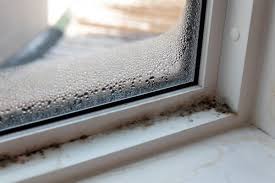
4. Mold Growth From Hidden Moisture
Although heating dries the air, moisture can still accumulate in walls, basements, and attics. Hidden condensation combined with limited ventilation creates mold growth conditions.
The Environmental Protection Agency states that mold can begin growing within 24–48 hours when moisture is present. During the extended heating season, trapped humidity may remain undetected.
Mold spores reduce indoor air quality and contribute to allergy-like symptoms.
5. Volatile Organic Compounds Build Up Indoors
Cleaning products, paints, furniture, and building materials release VOCs over time. When homes are sealed tightly, these compounds accumulate.
The Environmental Protection Agency explains that VOC concentrations are often significantly higher indoors, especially during winter when ventilation decreases. The extended heating season intensifies this buildup.
Elevated VOC levels degrade indoor air quality and may cause headaches or irritation.
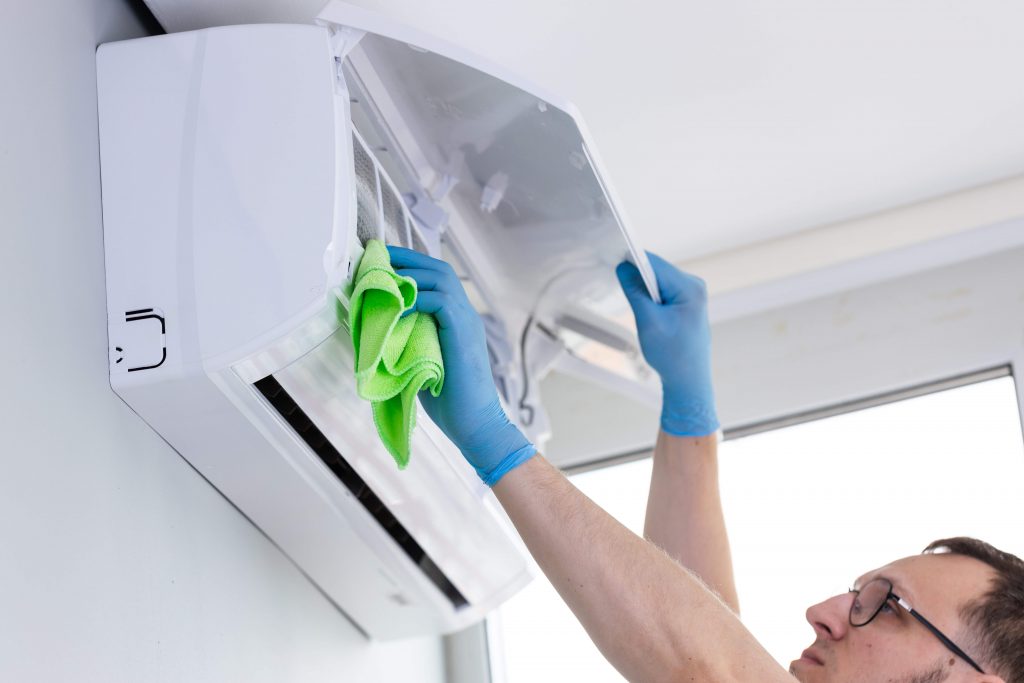
6. HVAC Systems Spread Contaminants
Without regular maintenance, HVAC systems can circulate contaminants throughout the home.
The National Air Duct Cleaners Association explains that dirty ductwork may redistribute dust, allergens, and microbial growth. During winter, extended system runtime increases exposure to these pollutants.
Routine inspection protects indoor air quality during heavy heating periods.
7. Limited Fresh Air Exchange Traps Pollutants
Winter discourages opening windows for ventilation. As a result, pollutants remain trapped inside.
The American Lung Association notes that insufficient air exchange can worsen indoor pollutant levels and aggravate asthma or allergies. Salt Lake City homes sealed against cold weather are especially vulnerable.
This lack of ventilation is a primary driver of poor indoor air quality during extended heating season.
Why Salt Lake City Homes Face Unique Challenges
Salt Lake City’s winter inversions already affect outdoor air conditions. When combined with extended indoor heating, pollutant exposure increases both indoors and outdoors.
The Utah Department of Environmental Quality explains that winter inversions trap pollutants near ground level, worsening regional air concerns. Sealed indoor environments may compound these effects.
Understanding this seasonal dynamic is essential for improving indoor air quality locally.
Why does indoor air quality worsen in winter?
Because homes are sealed, ventilation decreases, and heating systems circulate air repeatedly.
Can heating systems reduce air quality?
Yes. Dust, combustion byproducts, and dry air conditions contribute to declining indoor air health.
What symptoms indicate poor indoor air quality?
Headaches, coughing, sinus irritation, fatigue, and dry skin are common signs.
How can homeowners improve indoor air quality during heating season?
Replace HVAC filters regularly, use humidifiers appropriately, ensure furnace maintenance, and schedule professional inspections.
How PuroClean of Bluffdale Protects Indoor Air Quality
When indoor air quality issues arise from water damage, mold growth, smoke contamination, or HVAC-related concerns, PuroClean of Bluffdale provides comprehensive remediation services.
Services include:
- Moisture detection and structural drying
- Mold inspection and remediation
- Air scrubber deployment
- HEPA filtration systems
- Post-remediation air verification
All work follows standards established by the Institute of Inspection, Cleaning and Restoration Certification, ensuring professional, insurance-ready remediation.
For assistance in Salt Lake City, contact PuroClean of Bluffdale at (801) 254-6204.
Extended Heating Season Requires Air Awareness
indoor air quality should not be overlooked during prolonged winter heating periods. As heating systems work overtime, pollutant buildup, dryness, and ventilation limitations create hidden health and property risks.
Salt Lake City homeowners who understand these patterns can take proactive steps to maintain cleaner, safer indoor environments.
PuroClean of Bluffdale remains a trusted leader in indoor air assessment, mold remediation, and restoration services.

 PuroClean of Bluffdale