


Mold fatigue symptoms are one of the most commonly overlooked warning signs of hidden moisture and mold problems inside homes. Many Utah homeowners attribute persistent tiredness to stress, busy schedules, poor sleep, seasonal allergies, or everyday life. While those factors can certainly contribute to fatigue, many people never consider that hidden mold contamination inside their home may also be affecting how they feel.
What makes this issue particularly challenging is that mold-related symptoms often develop gradually.
Homeowners frequently notice:
- unexplained fatigue
- brain fog
- headaches
- poor sleep quality
- sinus irritation
- difficulty concentrating
- increased allergy symptoms
without realizing these issues may coincide with hidden moisture or mold growth somewhere inside the property.
The goal is not to self-diagnose medical conditions. Rather, homeowners should understand how indoor environmental conditions can contribute to discomfort and why hidden mold deserves attention when symptoms seem worse at home than elsewhere.
In this 2026 homeowner guide, PuroClean of Bluffdale explains what mold fatigue symptoms are, how hidden moisture problems contribute to mold growth, and why early inspections can help identify issues before they become larger health and restoration concerns.
Mold Fatigue Symptoms Often Appear Before Homeowners Discover Mold
Mold fatigue symptoms frequently emerge long before visible mold is ever found.
Many Bluffdale homeowners are surprised to learn that mold often develops in hidden locations such as:
- attics
- crawlspaces
- wall cavities
- insulation
- behind cabinets
- beneath flooring
- around plumbing systems
Because mold can remain hidden for months, symptoms may appear gradually without obvious clues about the source.
The Centers for Disease Control and Prevention (CDC) notes that exposure to damp and moldy environments may contribute to respiratory irritation, nasal congestion, and other indoor air quality concerns. Likewise, the Environmental Protection Agency (EPA) emphasizes that moisture control is the most important factor in preventing indoor mold growth.
This is why homeowners experiencing mold fatigue symptoms often discover hidden moisture issues only after professional inspections are performed.

Why Utah Homes Are Especially Vulnerable to Hidden Mold Problems
Bluffdale and Salt Lake County homes experience environmental conditions that frequently contribute to hidden moisture accumulation:
- freeze-thaw cycles
- attic condensation
- snowmelt runoff
- spring rainstorms
- fluctuating humidity
- tightly sealed winter homes
These conditions can create damp environments where mold develops quietly behind surfaces.
Many homeowners searching for mold fatigue symptoms first notice:
- worsening indoor air quality
- musty odors
- increased allergy symptoms
- unexplained tiredness at home
before discovering actual mold contamination.
7 Mold Fatigue Symptoms Homeowners Should Pay Attention To
1. Persistent Fatigue That Does Not Improve With Rest
One of the most common mold fatigue symptoms is feeling unusually tired despite getting adequate sleep.
Many homeowners report:
- low energy
- sluggishness
- difficulty staying focused
- lack of motivation
that seems worse while spending time inside the home.
Although fatigue can have many causes, persistent tiredness alongside moisture or mold concerns should not be ignored.
2. Brain Fog and Difficulty Concentrating
Many homeowners experiencing mold fatigue symptoms describe feeling mentally “foggy.”
Common complaints include:
- forgetfulness
- poor concentration
- mental fatigue
- reduced productivity
These symptoms often lead homeowners to investigate indoor air quality concerns after ruling out other factors.
3. Frequent Headaches Indoors
Persistent headaches that seem more noticeable at home may coincide with hidden moisture or mold issues.
Many homeowners notice symptoms improve when:
- leaving the house
- spending time outdoors
- traveling away from home
This pattern often prompts further investigation into environmental conditions.
4. Sleep Quality Seems Worse at Home
Many people experiencing mold fatigue symptoms report:
- restless sleep
- difficulty staying asleep
- waking up tired
- feeling unrefreshed in the morning
Hidden indoor air quality problems may contribute to discomfort that affects overall sleep quality.
24/7 Mold Inspection & Moisture Detection Available
Hidden moisture and mold often spread long before visible warning signs appear.
PuroClean of Bluffdale provides professional mold inspections, moisture detection, and remediation services throughout Bluffdale and Salt Lake City.
📞 Call (801) 254-6204 now for immediate assistance.
5. Sinus Irritation and Congestion
Many mold fatigue symptoms occur alongside:
- congestion
- sneezing
- sinus pressure
- throat irritation
Because these symptoms resemble seasonal allergies, homeowners often overlook the possibility of hidden mold exposure.
6. Musty Odors Accompany Physical Symptoms
A musty smell inside the home often indicates hidden moisture somewhere within the structure.
When homeowners experience both:
- persistent odors
- fatigue
- headaches
- allergy-like symptoms
Professional inspections may help identify whether hidden moisture is contributing to indoor air quality concerns.
7. Symptoms Improve When Away From Home
One of the most common patterns homeowners report is feeling better when they leave the house.
If symptoms:
- decrease outdoors
- improve during travel
- return after coming home
it may indicate environmental factors inside the property deserve closer evaluation.
Why Hidden Moisture Is Usually the Real Problem
Mold cannot grow without moisture.
In many Bluffdale homes, hidden mold develops because moisture remains trapped inside:
- attics
- insulation
- drywall
- crawlspaces
- flooring systems
Common moisture sources include:
- roof leaks
- attic condensation
- plumbing leaks
- appliance failures
- poor ventilation
This is why addressing moisture sources is just as important as removing mold itself.
What Homeowners Should Check If They Suspect Hidden Mold
Homeowners concerned about mold fatigue symptoms should pay attention to:
- musty odors
- attic moisture
- ceiling stains
- condensation buildup
- elevated indoor humidity
- damp insulation
- recurring mold growth
These warning signs often indicate hidden moisture problems that warrant professional evaluation.
Why DIY Mold Cleanup Often Misses Hidden Contamination
Many homeowners attempt to clean visible mold with:
- bleach
- disinfectants
- household cleaners
Unfortunately, visible mold often represents only a small portion of the problem.
Without identifying hidden moisture sources, contamination frequently returns.
Professional inspections help identify:
- concealed moisture
- attic mold
- crawlspace humidity
- ventilation issues
- hidden structural contamination
This is why many homeowners searching mold fatigue symptoms ultimately benefit from comprehensive moisture inspections rather than surface cleaning alone.
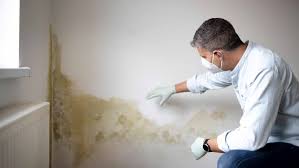
What Utah Homeowners Need to Know About Mold and Fatigue
Can mold cause fatigue?
Some homeowners report fatigue alongside mold exposure and indoor air quality concerns. Because fatigue can have many causes, individuals experiencing persistent symptoms should consult qualified healthcare professionals.
Can hidden mold affect indoor air quality?
Yes. Hidden mold may contribute to indoor air quality concerns even when contamination is not visible.
Why are attics common mold locations?
Attics frequently experience condensation and ventilation issues that support hidden moisture buildup.
Should homeowners investigate musty odors?
Absolutely. Persistent musty smells often indicate hidden moisture or mold activity somewhere inside the home.
How PuroClean of Bluffdale Helps Homeowners Identify Hidden Mold Problems
PuroClean of Bluffdale uses advanced moisture detection technology and professional restoration protocols to locate hidden moisture and mold contamination safely.
Services include:
- thermal imaging
- moisture mapping
- attic inspections
- crawlspace inspections
- mold remediation
- HEPA air filtration
- structural drying
- odor treatment
- insurance claim assistance
The team also helps homeowners identify long-term prevention strategies that reduce future mold fatigue symptoms caused by hidden moisture.
Don’t Ignore Persistent Musty Odors or Hidden Moisture
Small moisture problems often become larger mold issues before homeowners realize anything is wrong.
PuroClean of Bluffdale offers 24/7 mold inspection and remediation services across Bluffdale and Salt Lake City.
📞 Call (801) 254-6204 today to schedule a professional inspection.
Common Questions Homeowners Ask About Mold Fatigue Symptoms
Can hidden mold exist without visible signs?
Yes. Mold often develops behind walls, inside attics, and beneath flooring before becoming visible.
Do musty odors always indicate mold?
Not always, but musty smells frequently indicate moisture problems that deserve investigation.
Can small leaks contribute to mold growth?
Absolutely. Slow hidden leaks are one of the most common causes of indoor mold contamination.
Should homeowners inspect attics after winter?
Yes. Spring inspections often reveal hidden condensation and moisture problems.
Hidden Mold Problems Often Start With Hidden Moisture
Mold fatigue symptoms are often one of several warning signs homeowners notice before discovering hidden moisture or mold contamination inside the home. While fatigue can have many potential causes, persistent indoor air quality concerns, musty odors, and hidden moisture should never be ignored.
The good news is that identifying moisture problems early can help prevent larger mold remediation projects later.
By addressing hidden leaks, attic condensation, and ventilation issues quickly, homeowners can better protect:
- indoor air quality
- structural materials
- comfort
- property value
PuroClean of Bluffdale remains a trusted local leader in mold inspections and remediation, helping Utah homeowners identify hidden moisture problems early and restore healthier indoor environments.