


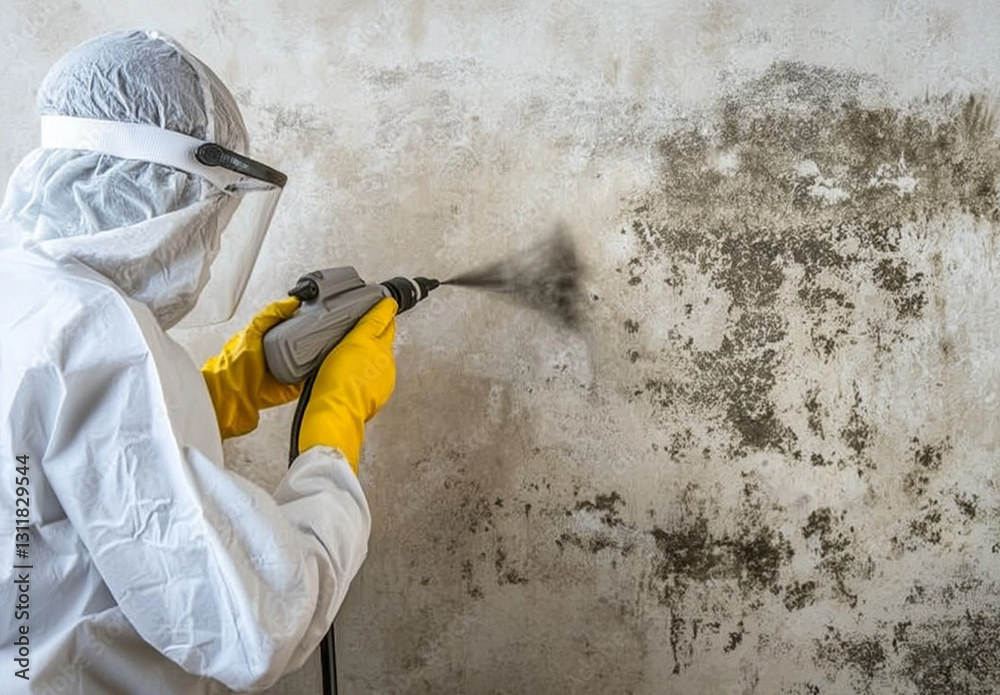
Mold toxicity is one of the most searched health-related mold topics among Utah homeowners, especially during spring when allergy season overlaps with hidden mold growth inside homes. The challenge is that many symptoms associated with mold exposure and seasonal allergies appear remarkably similar.
Homeowners often experience:
- sneezing
- congestion
- headaches
- sinus pressure
- fatigue
- coughing
- itchy eyes
and automatically assume pollen or seasonal allergies are the cause.
However, when symptoms persist indoors, worsen in specific rooms, or coincide with musty odors and moisture issues, hidden mold may deserve closer attention.
It is important to note that symptoms can have many causes and homeowners should consult qualified healthcare professionals regarding medical concerns. From a restoration perspective, understanding the environmental differences between mold problems and seasonal allergens can help homeowners identify hidden moisture issues before they become costly remediation projects.
In this 2026 homeowner guide, PuroClean of Bluffdale explains how mold toxicity concerns differ from seasonal allergies, what warning signs homeowners should watch for, and when professional mold inspections may be warranted.
Mold Toxicity Concerns Often Begin With Hidden Moisture Problems
Mold toxicity discussions frequently start after homeowners notice symptoms that seem unusual, persistent, or closely connected to time spent inside the home.
Many mold toxicity issues originate from:
- attic condensation
- roof leaks
- plumbing leaks
- crawlspace moisture
- appliance failures
- poor ventilation
- hidden water damage
The Centers for Disease Control and Prevention (CDC) notes that damp indoor environments and mold may contribute to respiratory irritation and indoor air quality concerns. Likewise, the Environmental Protection Agency (EPA) emphasizes that moisture control remains the most important step in preventing indoor mold growth.
Because mold cannot grow without moisture, identifying hidden water problems is often the first step toward resolving indoor mold concerns.

Why Utah Homeowners Often Confuse Mold Exposure With Seasonal Allergies
Spring in Utah brings:
- increased pollen
- tree blooms
- grass allergens
- fluctuating temperatures
At the same time, spring also creates ideal conditions for hidden mold growth due to:
- snowmelt moisture
- attic condensation
- spring rain
- elevated humidity
- roof vulnerabilities
This overlap causes many homeowners to assume all symptoms are allergy-related when hidden moisture may also be contributing to indoor air quality issues.
7 Important Differences Between Mold Toxicity Concerns and Seasonal Allergies
1. Seasonal Allergies Often Improve Indoors
One of the biggest differences involves where symptoms occur.
Seasonal allergies are typically triggered by outdoor allergens such as:
- pollen
- grass
- weeds
- tree blooms
Many people experience relief once indoors.
With mold toxicity concerns, homeowners often report the opposite:
- symptoms worsen at home
- symptoms improve when leaving the house
- discomfort returns after spending time indoors
This pattern frequently prompts professional inspections.
2. Musty Odors Are Usually a Mold Warning Sign
Pollen does not create musty smells.
Persistent odors that resemble:
- damp basements
- wet cardboard
- old books
- earthy air
often indicate hidden moisture or mold activity.
When musty odors accompany symptoms, hidden mold toxicity should be investigated.
3. Symptoms May Be Stronger in Certain Rooms
Many homeowners searching mold toxicity information notice symptoms seem worse in:
- bedrooms
- basements
- attics
- bathrooms
- laundry areas
These locations commonly experience hidden moisture problems.
Seasonal allergies typically do not become dramatically worse in one room versus another.
4. Hidden Water Damage Often Exists
One of the strongest indicators of potential mold concerns is a history of:
- roof leaks
- plumbing leaks
- appliance failures
- flooding
- attic condensation
Many homeowners discover mold contamination only after investigating previous water damage events.
24/7 Emergency Mold Inspection Available Across Bluffdale
Hidden moisture often leads to mold growth long before visible warning signs appear.
PuroClean of Bluffdale provides professional mold inspections, moisture detection, and remediation services throughout Bluffdale and Salt Lake City.
📞 Call (801) 254-6204 now for immediate assistance.
5. Seasonal Allergies Follow Outdoor Conditions
Seasonal allergy symptoms often increase when:
- pollen counts rise
- outdoor exposure increases
- wind spreads allergens
Mold toxicity-related indoor concerns may remain consistent regardless of outdoor pollen conditions.
Many homeowners become suspicious when symptoms continue even after outdoor allergen levels decrease.
6. Visible Moisture or Mold May Be Present
Warning signs that deserve immediate attention include:
- ceiling stains
- condensation
- peeling paint
- warped drywall
- visible mold growth
- damp insulation
These indicators suggest moisture issues that seasonal allergies cannot explain.
7. Symptoms May Coincide With Indoor Air Quality Changes
Many homeowners investigating mold toxicity concerns report:
- stale air
- elevated humidity
- recurring musty smells
- condensation buildup
These environmental changes frequently accompany hidden moisture problems.
Common Household Areas Where Hidden Mold Develops
Many Bluffdale homeowners are surprised to learn that mold often grows in areas they rarely inspect.
Common locations include:
- attics
- crawlspaces
- behind drywall
- beneath flooring
- under sinks
- around plumbing penetrations
- inside insulation
Because these areas remain hidden, mold contamination may spread for months before becoming obvious.
When Homeowners Should Consider a Mold Inspection
Professional inspections may be appropriate when homeowners notice:
Persistent Musty Odors
Especially when no obvious source exists.
Recurring Moisture Problems
Including roof leaks, condensation, or plumbing issues.
Visible Water Damage
Even small ceiling stains may indicate hidden moisture.
Symptoms That Seem Worse Indoors
Particularly when symptoms improve away from home.
Previous Flooding or Water Intrusion
Past moisture problems often contribute to future mold growth.
Why DIY Mold Detection Often Misses Hidden Problems
Many homeowners search for visible mold but overlook the real issue—hidden moisture.
Professional inspections use:
- moisture mapping
- thermal imaging
- humidity measurements
- attic evaluations
- crawlspace assessments
to identify moisture conditions before contamination becomes widespread.
Without locating the moisture source, mold frequently returns even after cleanup.
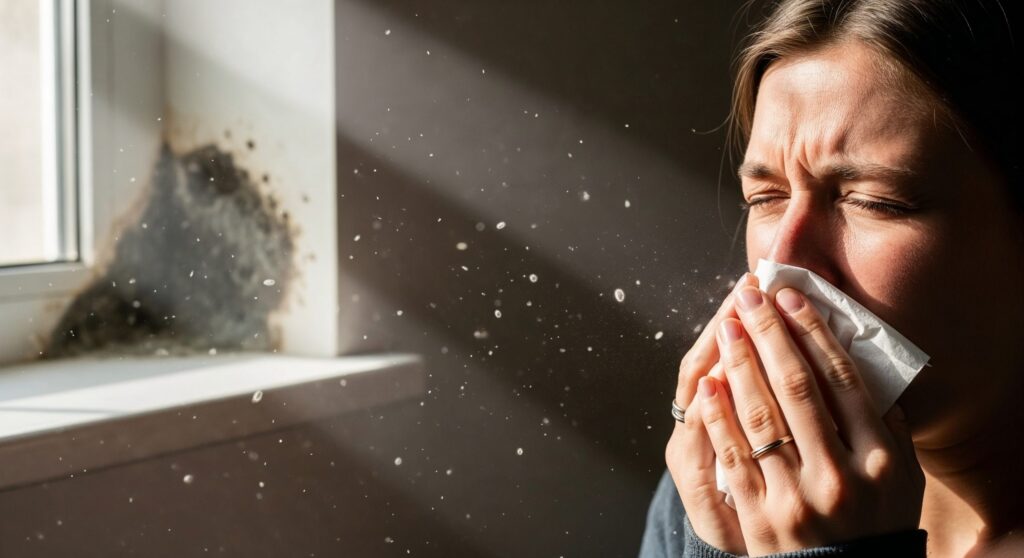
What Utah Homeowners Need to Know About Mold Toxicity Concerns
Can mold grow without visible signs?
Yes. Mold commonly develops behind walls, inside attics, and beneath flooring before becoming visible.
Do musty odors always indicate mold?
Not always, but persistent musty smells often indicate hidden moisture that deserves investigation.
Can small leaks lead to mold growth?
Absolutely. Slow hidden leaks are among the most common causes of indoor mold contamination.
Should homeowners inspect attics after winter?
Yes. Spring inspections often uncover condensation and moisture buildup that occurred during colder months.
How PuroClean of Bluffdale Helps Homeowners Identify Hidden Mold Problems
PuroClean of Bluffdale uses advanced moisture detection technology and proven remediation protocols to identify hidden mold risks before they become larger restoration problems.
Services include:
- moisture mapping
- thermal imaging
- attic inspections
- crawlspace evaluations
- mold remediation
- HEPA air filtration
- structural drying
- odor treatment
- insurance claim assistance
The team helps homeowners identify both the mold problem and the moisture source responsible for it.
Don’t Ignore Persistent Musty Odors or Hidden Moisture
Many mold problems begin months before visible signs appear.
PuroClean of Bluffdale offers 24/7 emergency mold inspections and remediation services throughout Bluffdale and Salt Lake City.
📞 Call (801) 254-6204 today for immediate assistance.
How to Think About Symptoms and Your Home Environment
Instead of focusing solely on symptoms, homeowners should also evaluate environmental warning signs.
Ask yourself:
- Do symptoms seem worse indoors?
- Is there a persistent musty odor?
- Has the home experienced water damage?
- Are there visible signs of moisture?
- Does the attic have condensation problems?
- Have leaks occurred recently?
The answers may help determine whether professional mold inspections are worth considering.
Hidden Moisture Is Often the Real Issue
Mold toxicity concerns often lead homeowners to discover hidden moisture problems they never realized existed. While symptoms can have many causes, musty odors, water damage history, indoor air quality changes, and visible moisture should never be ignored.
The most effective approach is not simply treating visible mold but identifying and correcting the moisture source that allows mold growth to occur in the first place.
By addressing hidden moisture early, homeowners can better protect:
- indoor air quality
- structural materials
- home value
- overall comfort
PuroClean of Bluffdale remains a trusted local leader in mold inspections and remediation, helping Utah homeowners identify hidden moisture problems and restore healthier indoor environments.