


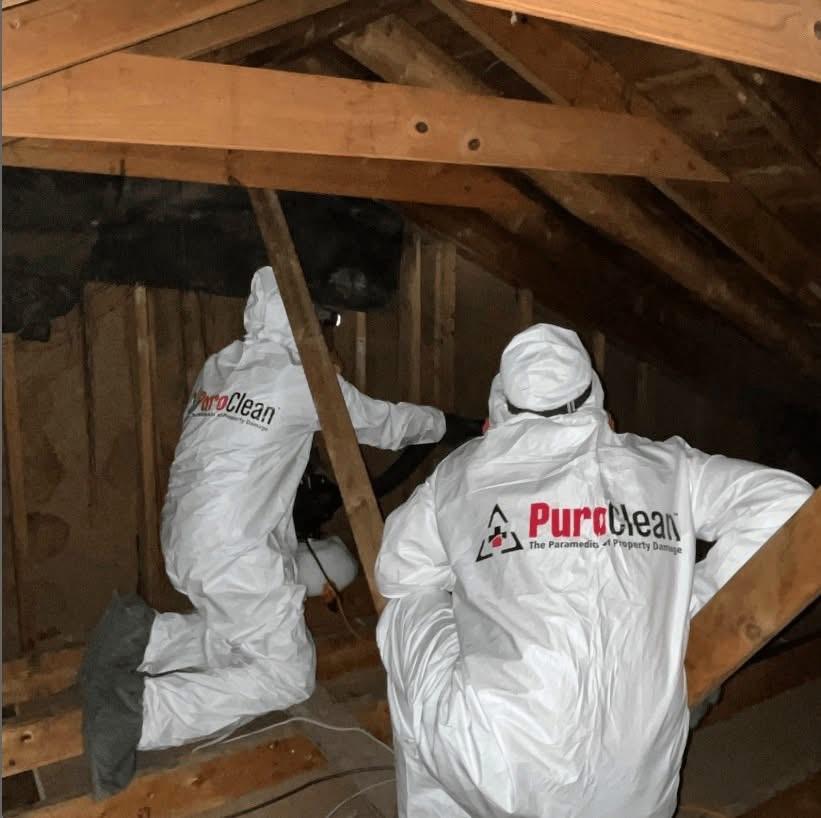
Monsoon season creates some of the highest hidden moisture and mold risks Utah homeowners face all year. While many people focus on flash flooding, roof leaks, or storm preparation, one of the biggest dangers often begins quietly before heavy rain even arrives.
That danger is hidden mold growth.
Across Bluffdale and surrounding Salt Lake County communities, homes frequently carry unnoticed moisture problems from:
- attic condensation
- roof vulnerabilities
- crawlspace humidity
- small plumbing leaks
- poor ventilation
- spring moisture buildup
Once monsoon season brings increased humidity, rain intrusion, and temperature fluctuations, those hidden moisture areas often become active mold contamination zones.
The problem is that most homeowners do not realize mold already exists until:
- musty odors appear
- ceiling stains spread
- indoor humidity rises
- allergies worsen
- visible mold growth develops
By then, remediation costs are often significantly higher.
In this 2026 homeowner guide, PuroClean of Bluffdale explains why monsoon season increases mold risks in Utah homes, what hidden warning signs homeowners should look for now, and why proactive inspections before storm season can prevent expensive restoration emergencies later.
Monsoon Season Moisture Problems Usually Begin Before Storms Arrive
Monsoon season does not create mold problems entirely on its own.
Instead, heavy moisture often activates hidden issues already developing inside the home.
Many Bluffdale homes carry small unnoticed moisture conditions caused by:
- attic condensation
- winter humidity buildup
- minor roof leaks
- HVAC moisture
- appliance leaks
- poor attic airflow
When seasonal humidity rises during monsoon season, these hidden damp areas become ideal environments for mold growth.
The Environmental Protection Agency (EPA) explains that mold may begin growing within 24–48 hours after moisture exposure and spreads rapidly through porous materials like drywall, insulation, and wood framing. Likewise, the Centers for Disease Control and Prevention (CDC) notes that indoor mold exposure may contribute to respiratory irritation and indoor air quality concerns.
This is why proactive inspections before monsoon season are far more effective than waiting for visible mold to appear later.

Why Utah Homes Become More Vulnerable During Monsoon Season
Utah homes experience unique environmental conditions during monsoon season:
- sudden rainstorms
- increased humidity
- rapid temperature shifts
- attic heat buildup
- roof expansion and contraction
- strong winds
- moisture intrusion through weakened seals
Many homes remain dry enough during spring for hidden moisture to go unnoticed. Once monsoon season arrives, however, elevated humidity accelerates mold growth dramatically inside:
- attics
- insulation
- crawlspaces
- wall cavities
- ventilation systems
This is one reason homeowners searching monsoon season information often discover mold problems shortly after summer storms begin.
7 Critical Reasons Homeowners Should Check for Mold Before Monsoon Season
1. Hidden Attic Moisture Gets Worse Quickly
Attics are one of the most common hidden mold locations in Utah homes.
Warm trapped air combined with elevated seasonal humidity creates heavy condensation risks during monsoon season.
Even small attic moisture problems may spread rapidly through:
- insulation
- rafters
- roof decking
- ventilation channels
2. Roof Vulnerabilities Allow Moisture Intrusion
Winter freeze-thaw cycles weaken:
- flashing
- shingles
- roof seals
- vent penetrations
When monsoon season storms arrive, rainwater may enter through small vulnerabilities homeowners never realized existed.
Many mold problems discovered during summer actually began months earlier from unnoticed roof moisture.
3. Elevated Humidity Activates Dormant Mold Growth
Some homes already contain inactive or slow-growing mold colonies inside hidden damp areas.
Once monsoon season humidity rises, mold activity often accelerates rapidly.
This is especially common in:
- crawlspaces
- attics
- insulation
- behind drywall
24/7 Emergency Mold Inspection Available Across Bluffdale
Hidden moisture spreads quickly once storm season humidity rises.
PuroClean of Bluffdale provides professional mold inspections, moisture detection, and emergency restoration services throughout Bluffdale and Salt Lake City.
📞 Call (801) 254-6204 now for immediate assistance.
4. Poor Ventilation Traps Moisture Indoors
Homes with poor airflow frequently experience:
- elevated indoor humidity
- condensation buildup
- damp attic conditions
- stale indoor air
Without proper ventilation, monsoon season moisture remains trapped inside enclosed areas where mold thrives.
5. Small Leaks Become Larger Structural Problems
Minor moisture intrusion often worsens during storm season.
Water entering through:
- roof gaps
- siding vulnerabilities
- window seals
- attic penetrations
may spread silently behind walls and insulation for weeks before visible warning signs appear.
6. Mold Growth May Affect Indoor Air Quality
Hidden mold contamination does not need to be visible to impact indoor environments.
Spores may circulate through:
- HVAC systems
- attic airflow
- insulation gaps
- vents
Many homeowners first notice:
- coughing
- sinus irritation
- musty odors
- stale indoor air
during monsoon season before discovering mold itself.
7. Early Inspections Usually Prevent Expensive Remediation
One of the biggest mistakes homeowners make is waiting until visible mold appears before scheduling inspections.
By then:
- insulation may be contaminated
- drywall may require removal
- framing may hold moisture
- remediation costs increase significantly
Early inspections help identify hidden moisture before widespread contamination develops.
What Bluffdale Homeowners Should Inspect Before Monsoon Season Begins
Homeowners should carefully inspect:
- attic insulation
- roof flashing
- ventilation systems
- crawlspaces
- window seals
- bathroom exhaust systems
- ceiling discoloration
- indoor humidity levels
Warning signs homeowners should never ignore include:
- musty smells
- peeling paint
- condensation buildup
- damp attic insulation
- recurring ceiling stains
- elevated indoor humidity
These are often early indicators of hidden moisture already supporting mold growth.
Why Monsoon Season Increases Mold Risks More Than Homeowners Expect
Many homeowners associate mold only with flooding or catastrophic leaks.
In reality, monsoon season often creates slow hidden moisture conditions that remain unnoticed longer.
This includes:
- attic condensation
- roof seepage
- elevated humidity
- hidden damp insulation
- crawlspace moisture
These smaller moisture sources frequently cause more widespread mold contamination because they remain active longer before discovery.
What Homeowners Need to Know Before Storm Season Arrives
Can mold grow without major flooding?
Yes. Elevated humidity, condensation, and hidden moisture alone may support mold growth.
Why does mold become worse during monsoon season?
Seasonal humidity and increased moisture intrusion accelerate hidden mold activity inside enclosed spaces.
Should homeowners inspect attics before storm season?
Absolutely. Attics are one of the most common hidden mold locations in Utah homes.
Can small roof leaks cause major mold problems?
Yes. Slow hidden roof moisture often spreads through insulation and framing before visible signs appear.
How PuroClean of Bluffdale Handles Hidden Moisture & Mold Problems
PuroClean of Bluffdale uses advanced restoration technology and professional moisture detection systems to identify hidden mold risks before storm season problems become widespread.
Services include:
- thermal imaging and moisture mapping
- attic and crawlspace inspections
- structural drying and dehumidification
- HEPA air filtration
- mold containment and remediation
- odor treatment
- insurance claim assistance
The team also helps homeowners identify long-term prevention strategies to reduce future monsoon season mold risks.
Don’t Wait Until Monsoon Season Moisture Spreads Through Your Home
Hidden moisture problems often become major mold remediation emergencies once humidity rises.
PuroClean of Bluffdale offers 24/7 emergency mold inspections and water damage restoration services across Bluffdale and Salt Lake City.
📞 Call (801) 254-6204 today for immediate help.
Common Questions Homeowners Ask Before Utah’s Monsoon Season
Can attic condensation lead to mold growth?
Yes. Attic condensation is one of the leading causes of hidden mold contamination in Utah homes.
Should homeowners schedule mold inspections before storm season?
Yes. Early inspections help identify hidden moisture before seasonal humidity worsens contamination.
Can hidden mold affect indoor air quality?
Absolutely. Mold spores may circulate through airflow systems even when mold remains hidden.
Why do mold problems seem worse during summer storms?
Increased humidity and moisture intrusion accelerate mold growth during monsoon season.
The Best Time to Prevent Mold Is Before Monsoon Season Starts
Monsoon season often exposes hidden moisture problems homeowners never realized existed. What begins as small attic condensation, roof seepage, or trapped humidity can quickly turn into widespread mold contamination once storm season moisture arrives.
Because mold spreads silently behind walls, insulation, and attic spaces, many homeowners do not realize the extent of the problem until indoor air quality and structural materials are already affected.
The good news is that proactive inspections before monsoon season can help identify hidden moisture early and prevent significantly larger remediation costs later.
PuroClean of Bluffdale remains a trusted local leader in mold remediation and emergency restoration, helping Utah homeowners prepare for storm season and protect their homes from hidden moisture damage before it spreads.