 PuroClean of Bluffdale
Post-monsoon mold is one of the most damaging and often overlooked consequences of Utah’s intense seasonal weather. While homeowners in Salt Lake City typically focus on cleaning up water damage after a summer storm, it’s what happens after the cleanup that can pose a greater threat to your health and home.
Mold doesn’t just appear overnight. It grows quietly behind walls, under flooring, or inside HVAC ducts, often going undetected until the air smells musty, allergy symptoms worsen, or surfaces begin to discolor.
In this guide, we’ll reveal the 6 most common hidden places where post-monsoon mold thrives in Salt Lake City homes, how to spot early warning signs, and how to stop it before it spreads.
Table of Contents
Why Post-Monsoon Mold Is a Growing Concern in Salt Lake City
Every summer, Utah’s monsoon season brings heavy downpours, flash floods, and increased humidity. When these elements combine with water intrusion, even just a few inches of seepage, it creates the perfect environment for post-monsoon mold to take root.
Mold spores can begin growing within 24 to 48 hours of moisture exposure, and unless the area is completely dried and disinfected, the risk continues long after the rain ends.
Red Flag: Many Salt Lake City homeowners believe that drying surfaces with towels or fans is enough. Unfortunately, that only handles surface moisture, not the deep, hidden dampness that mold loves.
1: Behind Drywall
When stormwater seeps through foundation cracks or roof leaks, it often ends up inside your walls. Since drywall is porous, it quickly absorbs and retains moisture, creating a prime environment for post-monsoon mold.
What to look for:
- Bubbling or peeling paint
- Musty odors near baseboards
- Dark streaks or discoloration on walls
- Walls that feel “soft” or damp to the touch
Even if the wall looks dry on the outside, mold could be spreading inside. PuroClean of Bluffdale uses infrared cameras and moisture meters to detect unseen growth behind walls.
2: Under Flooring and Subfloors
Hardwood, laminate, and carpet flooring are vulnerable after flooding or minor leaks. Once water soaks into the subfloor, it can become a post-monsoon mold hotspot for weeks or months, especially in older homes with less ventilation.
Signs of trouble:
- Warped or buckling floorboards
- Persistent dampness under rugs or mats
- Squeaky or spongy floor sections
- Musty smells that return even after cleaning
Warning: DIY carpet cleaning may make surface mold worse by spreading moisture further into the padding or subfloor.
3: Inside HVAC Systems and Ductwork
Your home’s HVAC system is often forgotten in flood cleanup, but post-monsoon mold loves it there. Warm, dark, and damp ducts become an ideal environment for mold to spread through your entire home via air circulation.
Common mold clues:
- Musty odor when AC or heat is turned on
- Increased allergies or respiratory symptoms indoors
- Visible dust buildup around vents
- Condensation near duct joints
Professional duct inspection and sanitization, especially after monsoon season flooding, is essential for long-term air quality.
4: Behind Kitchen and Bathroom Cabinets
Cabinets attached to exterior or poorly sealed interior walls are particularly susceptible to post-monsoon mold, especially if nearby plumbing leaks were worsened by monsoon flooding or backup.
Water can seep behind these heavy structures undetected and linger for days or weeks.
Warning signs:
- Discoloration inside lower cabinets
- Swollen cabinet sides or warped edges
- Foul smells even after cleaning
- Pest activity (mold attracts certain insects)
Our team at PuroClean of Bluffdale often removes and remediates affected cabinetry to prevent mold from spreading throughout the kitchen or bathroom.
5: Inside Insulation and Attics
Once water makes its way into your attic through roof leaks or poor ventilation, fiberglass and cellulose insulation can trap moisture, feeding long-term mold growth. Because attics are rarely checked, post-monsoon mold can thrive here undetected.
How to catch it:
- Check for water stains on ceiling drywall
- Inspect insulation near vents or skylights
- Look for rust on HVAC or water heater components in the attic
- Watch for sagging insulation batts
If your attic has a musty smell or feels more humid than usual, it’s worth having it professionally assessed, especially if your home was exposed to Utah’s monsoon season rains.
6: Around Windows and Sliding Doors
Monsoon winds can drive rain into improperly sealed windows, cracks in siding, or warped doorframes. Water can collect in these crevices and promote post-monsoon mold, especially in older homes or basements.
Spot it early:
- Peeling caulk or cracked sealant around window frames
- Condensation inside double-paned windows
- Soft drywall or wood near sills
- Moldy window blinds or curtains
Replacing weatherstripping, sealing cracks, and inspecting window frames regularly after storm season can help prevent this subtle but serious issue.
How to Know If Post-Monsoon Mold Has Already Taken Hold
Post-monsoon mold is not always visible. It often grows quietly in hidden spaces until symptoms become noticeable or damage becomes irreversible.
Look for these warning signs:
- Musty or “earthy” smells that don’t go away
- New or worsening allergies and asthma symptoms indoors
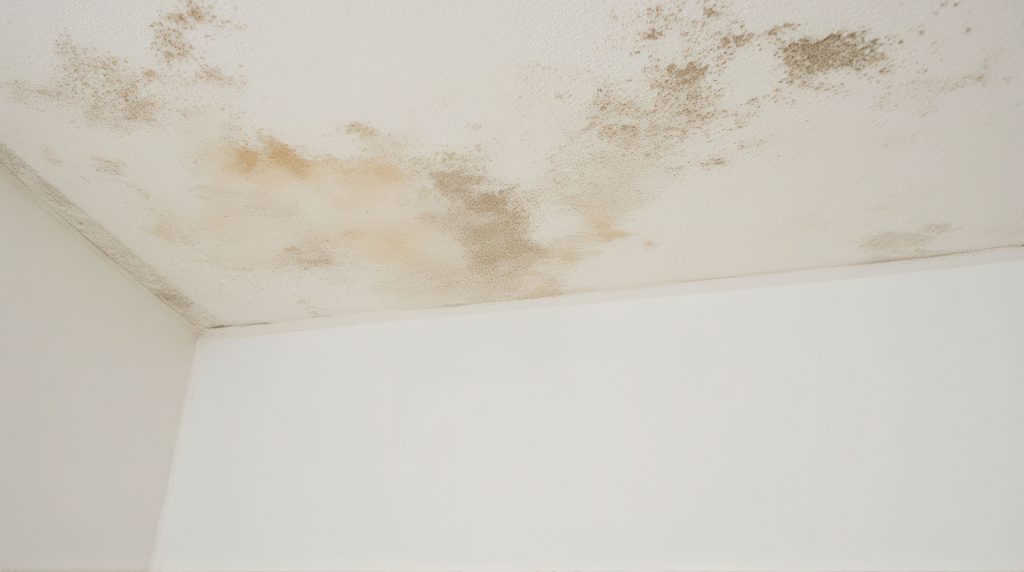
- Staining or streaks on ceilings and walls
- Recurring condensation or high humidity inside
- Skin irritation, headaches, or fatigue when indoors
If any of these are happening weeks after Utah’s monsoon season, mold could be the culprit.
Mold Prevention Tips for Salt Lake City Homeowners
The best defense against post-monsoon mold is prevention. Here’s what you can do after storms or flooding to minimize the risk:
- Act fast: Dry all surfaces thoroughly within 24–48 hours
- Ventilate properly: Use dehumidifiers and fans during high humidity
- Seal and weatherproof: Inspect windows, roofing, siding, and crawlspaces
- Fix plumbing leaks: Address even small drips immediately
- Clean with mold inhibitors: Use EPA-registered antimicrobials after any water event
- Inspect vulnerable spaces: Don’t wait for signs, check behind appliances, under sinks, and in basements
Remember: mold thrives in silence. Prevention is your best long-term strategy.
When to Call the Pros: Professional Mold Remediation in Salt Lake City
DIY mold removal can be risky, and in many cases, illegal. According to Utah DEQ guidelines, extensive mold cleanup should always be performed by certified professionals trained in:
- Safe containment
- HEPA filtration
- Source removal (not just surface cleaning)
- Restoration and dehumidification
- Full compliance with Salt Lake County building codes
PuroClean of Bluffdale provides certified mold remediation services across Salt Lake City and surrounding areas. Whether you’re unsure if mold is present or you’re seeing clear signs, we offer:
- Fast-response mold inspections
- Moisture mapping and infrared scans
- Safe mold removal and material restoration
- HVAC cleaning and disinfection
- Insurance documentation and support
Why Trust PuroClean of Bluffdale for Post-Monsoon Mold
We’re not just restoration experts; we’re locals who understand how Utah’s monsoon season affects Salt Lake City homes. Our team is certified, equipped, and ready to restore your home safely and quickly.
Here’s what sets us apart:
- Local expertise in Utah-specific flooding patterns
- Industry-standard equipment and protocols (IICRC certified)
- 24/7 response times for emergency mold and water damage
- Support with insurance claims and documentation
- Transparent communication from inspection to remediation
Don’t wait for mold to take hold. We’re here to help, before it spreads.
Post-monsoon mold spreads fast, but so do we. If you’re noticing musty smells, staining, or any signs of water damage after recent storms, reach out to the experts at PuroClean of Bluffdale.
📞 Call Now: (801) 254-6204
📍 Serving Salt Lake City, Bluffdale, Draper, Sandy, and surrounding areas
Request a Mold Inspection Today
Let’s stop the mold, before it spreads.

 PuroClean of Bluffdale