 PuroClean of Bluffdale
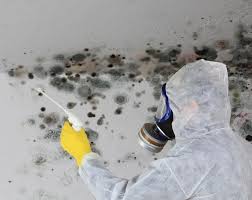
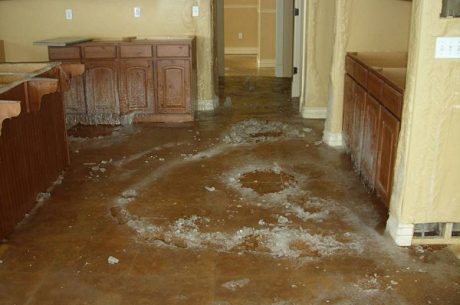
Post-flood mold is one of the most dangerous and costly problems Salt Lake City homeowners face after a flood. While the visible damage, like soaked carpets and warped baseboards, demands immediate attention, it’s the hidden mold colonies behind your walls, under floors, and inside ducts that pose the greatest long-term risks. Left untreated, mold can silently spread for weeks, threatening both your health and your home’s structural integrity. At PuroClean of Bluffdale, we specialize in identifying and eliminating these hidden dangers before they spiral out of control.
Table of Contents
Why Post-Flood Mold is a Big Deal in Salt Lake City
While Utah’s dry climate offers some protection from everyday moisture issues, flash floods and plumbing overflows can still introduce large volumes of water into homes not built for high humidity. Once water gets into porous materials, Salt Lake City’s sunny weather isn’t enough to dry things out fast enough to stop mold.
That’s why post-flood mold is a threat; it capitalizes on what you can’t see.
According to the EPA, mold can cause:
- Structural deterioration
- Respiratory issues and allergic reactions
- Lingering odors that are nearly impossible to mask
- Damage to furniture, HVAC systems, and insulation
And here’s the kicker: Homeowner’s insurance doesn’t always cover mold damage, especially if the carrier determines it resulted from “neglect” or “delayed action.”
The 7 Hidden Places Mold Grows After a Flood (and How to Stop It)
Behind Drywall
Drywall is highly porous and soaks up moisture like a sponge. Even if the surface dries quickly, the interior cavity between the wall and insulation remains dark, damp, and warm, ideal for mold growth.
Signs:
- Musty odor
- Bubbling or peeling paint
- Discoloration or warping near baseboards
How to Stop It:
After a flood, drywall within 12–24 inches of the floor should be removed and replaced, even if it appears dry. A professional restoration team like PuroClean of Bluffdale uses moisture meters and thermal imaging to detect hidden moisture before it becomes a breeding ground for mold.
Under Laminate or Hardwood Flooring
Wood and laminate flooring can trap moisture underneath, especially if there’s no vapor barrier installed. This creates a hidden pocket where post-flood mold can thrive undisturbed.
Signs:
- Creaking or soft spots when walking
- Warping or cupping of floorboards
- Strong mildew odor when you enter the room
How to Stop It:
All affected flooring should be lifted to allow full drying underneath. We also use high-powered air movers and dehumidifiers to draw moisture from subfloors, and we’ll recommend anti-microbial sealants where needed to prevent regrowth.
Inside HVAC Systems and Ductwork
If your HVAC system was running during or after a flood, it may have drawn moisture and spores into the ductwork. Worse yet, HVAC systems help distribute those spores throughout your home.
Signs:
- Increased allergy symptoms indoors
- Visible mold around vents
- Unusual smells when AC or heat runs
How to Stop It:
Ductwork must be professionally cleaned and disinfected. PuroClean of Bluffdale provides post-flood HVAC inspections, and we recommend replacing filters and sealing duct leaks to prevent future contamination.
According to ASHRAE, professional duct cleaning improves indoor air quality and can prevent mold buildup post-disaster.
Beneath Carpets and Padding
Carpet may feel dry to the touch within hours, but the pad underneath traps moisture like insulation. This hidden layer is the perfect spot for post-flood mold to grow undetected.
Signs:
- Persistent odor even after vacuuming
- Dark stains or fuzz appearing on carpet edges
- Carpet feels spongy or tacky
How to Stop It:
Flood-damaged carpet and padding should be removed and replaced. Even a deep clean can leave spores behind. We also sanitize the flooring underneath and use air scrubbers to eliminate airborne contaminants during removal.
Inside Kitchen and Bathroom Cabinets
Kitchens and bathrooms are already prone to moisture buildup. After flooding, water often seeps into cabinetry bases, especially if they’re made from particleboard or MDF.
Signs:
- Swollen or cracked cabinet bottoms
- Moldy smell when you open doors
- Visible black or green spots inside cabinets
How to Stop It:
Cabinets should be unmounted, dried, and assessed. Moldy panels must be replaced. Our team uses non-invasive moisture sensors to test behind and underneath cabinet boxes, something standard contractors often overlook.

Inside Insulation
Insulation, especially fiberglass and cellulose, acts like a sponge for floodwater. Once saturated, it’s nearly impossible to dry completely, making it a prime spot for post-flood mold.
Signs:
- Musty air even after drying out visible areas
- Mold reappearing on nearby walls
- Spikes in humidity despite dehumidifier use
How to Stop It:
Flood-exposed insulation needs to be removed and replaced. PuroClean’s team ensures wall cavities are completely dried before new insulation is installed, reducing the risk of mold recurrence.
FEMA guidelines recommend discarding all saturated insulation after flooding, regardless of visible mold presence.
In Crawl Spaces and Behind Vapor Barriers
Your crawl space is out of sight, but when flooding occurs, it’s often the first area to take on water, and the last to fully dry. Post-flood mold humidity levels in crawl spaces can hover above 70%, creating a haven for hidden mold.
Signs:
- Damp or sagging insulation in crawl space
- Odors rising into the main floor
- High humidity or condensation on windows
How to Stop It:
Crawl spaces must be inspected, ventilated, and dried immediately after a flood. We recommend encapsulation with a vapor barrier and dehumidifier installation to prevent future mold. Our team also applies antimicrobial treatments to exposed joists and beams for long-term protection.
Health Impacts of Post-Flood Mold
Even if mold isn’t visible, it can still affect your health.
According to the Mayo Clinic, symptoms of mold exposure include:
- Chronic coughing or sneezing
- Skin rashes
- Asthma flare-ups
- Eye and throat irritation
- Fatigue and headaches
Children, seniors, and those with respiratory conditions are especially vulnerable.
That’s why it’s so important to take post-flood mold seriously and respond fast, before it becomes a health crisis.
Why DIY Doesn’t Work Against Hidden Mold
You can mop up surface water and even run a few fans, but that doesn’t mean your home is safe from post-flood mold. Without moisture meters, infrared cameras, and air sampling tools, it’s impossible to verify if all moisture is gone.
Common DIY mistakes include:
- Leaving wet insulation or padding in place
- Painting over moldy drywall
- Ignoring air ducts or HVAC systems
- Assuming bleach “kills” mold (it doesn’t, not on porous surfaces)
When in doubt, bring in the pros.
Why Salt Lake City Trusts PuroClean of Bluffdale
At PuroClean of Bluffdale, we’ve built our reputation on rapid response, expert diagnostics, and complete restoration solutions for homes impacted by flash flood damage and mold.
Our mold remediation process includes:
- Advanced moisture detection
- Air and surface mold testing
- Safe removal of contaminated materials
- HEPA filtration and containment zones
- HVAC cleaning and duct sanitation
- Preventative antimicrobial treatments
We don’t just clean, we restore and future-proof your space for long-term safety.
Don’t Wait for the Smell to Act
Post-flood mold often hides behind walls and under floors, becoming a serious threat long before it’s visible or smells musty. If your Salt Lake City home has experienced flooding, don’t wait, call PuroClean of Bluffdale at (801) 254-6204 or visit puroclean.com/pb-ut for 24/7 expert mold inspection and remediation you can trust.
 PuroClean of Bluffdale