


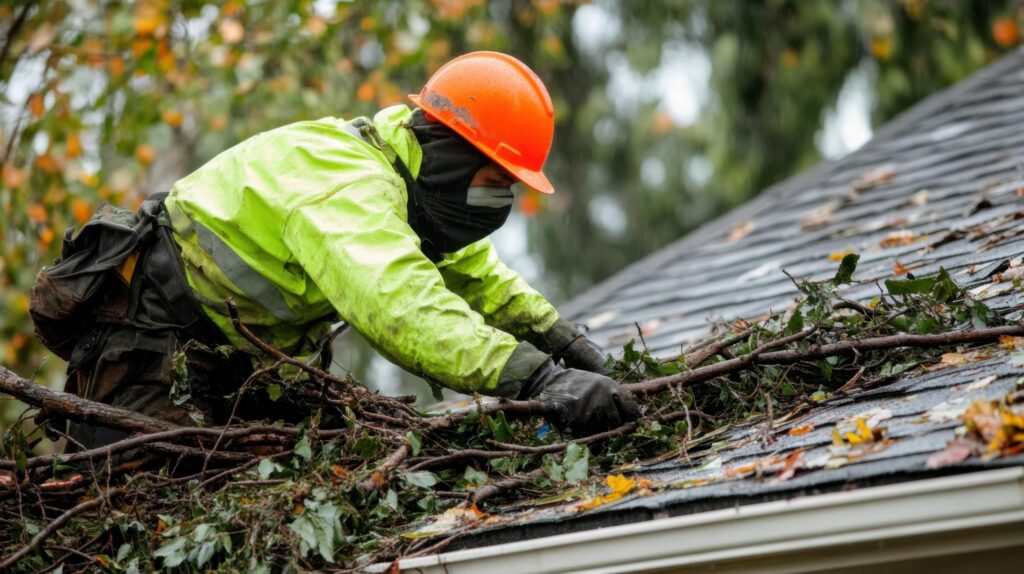
Storm debris damage in Salt Lake City isn’t just a messy aftermath of a summer storm, it’s a serious threat to your property. From uprooted trees to scattered shingles, wind-driven debris can cause structural failures, safety hazards, and expensive repairs. Utah’s unpredictable climate means storms can roll in fast and hard, leaving little time to prepare.
At PuroClean of Bluffdale, we’ve seen neighborhoods go from calm to chaos in minutes when storm debris takes its toll. In this guide, we’ll explore 7 common ways storm debris damages Salt Lake City homes and businesses, and how you can stay protected before and after disaster strikes.
Table of Contents
Storm Debris Damage Salt Lake City: 7 Common Ways It Threatens Your Home
When it comes to storm debris damage in Salt Lake City, the dangers go far beyond scattered branches and shingles. High winds, falling trees, and flying objects can compromise your roof, siding, and even your home’s structural integrity. Worse, clogged drains, downed power lines, and hidden water intrusion can create long-term risks like mold and fire hazards. To help homeowners and business owners prepare, here are 7 of the most common ways storm debris causes costly damage in Salt Lake City, and what you can do to stay protected.
Uprooted Trees and Fallen Limbs
High winds are notorious for toppling trees and snapping branches, especially in older Salt Lake City neighborhoods where root systems are shallow or weakened by drought. According to the National Storm Damage Center, falling trees account for over $1 billion in property losses annually in the U.S.
In Salt Lake City, heavy snow, strong winds, and drought-stressed trees often cause limbs or whole trees to crash onto:
- Roofs and chimneys
- Garages and fences
- Vehicles and power lines
When a tree falls, the impact isn’t just structural, it can also mean electrical outages, dangerous conditions, and major insurance claims. PuroClean of Bluffdale responds quickly with tree removal and structural restoration when storm debris damage strikes.
Windborne Projectiles
When winds pick up, storm debris damage in Salt Lake City often comes from everyday objects turned into missiles. Patio furniture, trash cans, toys, and even roof tiles can become airborne. These projectiles may:
- Shatter windows
- Puncture siding
- Damage HVAC units and outdoor utilities
The National Weather Service notes that straight-line winds in Utah thunderstorms can exceed 70 mph, creating high-velocity hazards from loose debris. While damage may look minor, even small punctures in your home’s exterior can let in water and trigger long-term mold growth.
Roof Damage from Debris Impact
Your roof bears the brunt of Utah’s storms, and it’s one of the first places where storm debris damage in Salt Lake City becomes visible. Falling branches and flying shingles can lead to punctures, broken tiles, and clogged gutters.
Warning signs include:
- Missing or cracked shingles
- Broken or sagging gutters
- Water stains on ceilings or walls
The Insurance Information Institute recommends inspecting your roof after any major storm and documenting damage for insurance. PuroClean of Bluffdale provides emergency tarp services, water mitigation, and structural drying to prevent secondary water damage from debris-related roof impacts.
Clogged Storm Drains and Localized Flooding
Leaves, branches, and trash swept up in storms often clog storm drains, leading to localized flooding. In Salt Lake City, this is especially dangerous nearby:
- Low-lying driveways
- Basement windows
- Ground-level entryways
The Salt Lake City Public Utilities Department advises residents to keep gutters clear and report blocked storm drains. When storm debris overwhelms drainage, standing water can seep into basements and cause extensive water damage, even if your home didn’t take a direct hit from debris.

Fire Hazards from Downed Power Lines
Storm debris damage in Salt Lake City isn’t just about broken structures; it also creates fire hazards. When falling limbs or entire trees take down power lines, the results can be catastrophic:
- Electrocution risks
- House fires from sparks or shorts
- Loss of refrigeration and HVAC systems
The U.S. Fire Administration warns that electrical malfunctions are a leading cause of residential fires nationwide. Always treat downed lines as live, report them immediately, and call experts like PuroClean of Bluffdale for safe recovery and restoration.
Siding and Exterior Wall Damage
While roof damage gets much of the attention, siding is equally vulnerable. High-speed winds and flying debris can:
- Crack or dent vinyl siding
- Chip stucco and brick finishes
- Break vents, shutters, and exterior trim
If ignored, these openings can lead to pest intrusion, water damage, and reduced energy efficiency. Even small cracks caused by storm debris damage in Salt Lake City can escalate into costly repairs. PuroClean of Bluffdale inspects and restores siding damage to protect your home’s exterior envelope.
Delayed Mold and Water Damage
One of the most underestimated effects of storm debris damage in Salt Lake City is delayed water damage. A punctured roof or broken window may not cause immediate flooding, but moisture intrusion can quietly spread behind walls and under flooring. Within 24–48 hours, mold spores may begin to grow (CDC).
Long-term risks include:
- Hidden mold infestations
- Rotting wood and weakened structures
- Poor indoor air quality
That’s why PuroClean of Bluffdale uses advanced moisture meters, air scrubbers, and drying systems to detect and eliminate hidden risks before they become full-blown restoration emergencies.
How to Prepare for Storm Debris Threats
The best way to reduce storm debris damage in Salt Lake City is through proactive preparation:
- Trim trees and remove dead branches
- Secure outdoor furniture and loose items
- Inspect roofs and siding regularly
- Keep gutters and storm drains clear
- Review your homeowners’ insurance for storm coverage
And most importantly, have a trusted restoration partner ready. PuroClean of Bluffdale provides 24/7 emergency response across Salt Lake County, so you’re never left facing storm damage alone.
What to Do After a Storm Hits
Once the storm passes:
- Survey your property for visible storm debris damage
- Document damage with photos and video for insurance claims
- Avoid downed power lines and unstable trees
- Contact your insurance provider
- Call PuroClean of Bluffdale at (801) 254-6204 for immediate cleanup and restoration
Why PuroClean of Bluffdale is Salt Lake City’s Storm Damage Expert
Storms don’t keep business hours, and neither do we. PuroClean of Bluffdale is your local, IICRC-certified leader in storm debris cleanup, water damage restoration, and mold mitigation.
We provide:
- 24/7 Emergency Response
- Structural Drying & Dehumidification
- Roof Tarping and Board-Up Services
- Tree and Debris Removal
- Mold Inspection and Remediation
We also work directly with your insurance provider, ensuring clear documentation and faster claims processing.
Don’t Let Storm Debris Catch You Off Guard
Storm debris damage in Salt Lake City is unpredictable, but your response doesn’t have to be. With preparation and a trusted partner like PuroClean of Bluffdale, you can face storm season with confidence.
📞 Call us today at (801) 254-6204 or visit Website for immediate assistance.