 PuroClean of Bluffdale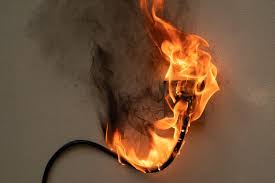
Winter fire risk increases dramatically in Salt Lake City homes during extended cold spells, yet many homeowners underestimate how dangerous prolonged freezing temperatures can be. While heavy snow and icy roads often get the attention, hidden fire hazards inside the home quietly intensify when heating systems run nonstop and electrical demand peaks.
Long cold stretches strain furnaces, space heaters, fireplaces, electrical systems, and even kitchen appliances. When combined with dry indoor air and reduced ventilation, the likelihood of a residential fire rises significantly. According to national data, heating equipment remains one of the leading causes of home fires during winter months.
In this 2026 guide, PuroClean of Bluffdale explains the hidden contributors to winter fire risk in Salt Lake City homes, why long cold spells amplify danger, and how proactive safety steps can protect your family and property.
Table of Contents
Winter Fire Risk: Why Long Cold Spells Are More Dangerous Than Snowstorms
winter fire risk intensifies during prolonged cold spells because heating systems operate continuously for days or weeks at a time. Unlike short storms, long cold periods create sustained mechanical stress and increased electrical demand.
The National Fire Protection Association (NFPA) reports that heating equipment is a leading cause of home fires, accounting for thousands of incidents annually, with peak activity during winter. Extended heating periods increase wear on furnaces, space heaters, and fireplaces.
The U.S. Fire Administration also notes that heating-related fires rise sharply during cold weather months when appliances are used more frequently.
This sustained usage is what makes winter fire risk particularly dangerous during long freezes.
1. Overworked Furnaces Develop Mechanical Failures
During extended cold spells, furnaces run nearly nonstop. Blower motors, heat exchangers, and wiring components may overheat under sustained demand.
The U.S. Consumer Product Safety Commission warns that poorly maintained heating systems increase fire hazards and carbon monoxide risks. Dust accumulation inside furnace cabinets can ignite if airflow becomes restricted.
Prolonged strain is a major driver of winter fire risk.
2. Space Heater Misuse Increases in Severe Cold
When central heating feels insufficient, homeowners often supplement with portable heaters. Unfortunately, placement errors are common.
The NFPA emphasizes that most space heater fires occur when heaters are placed too close to combustible materials such as bedding, curtains, or upholstered furniture. The recommended clearance is at least three feet.
Space heater misuse remains one of the most significant contributors to winter fire risk.
3. Electrical Overload From Increased Demand
Cold spells drive higher electricity usage as households rely on heating appliances, electric blankets, and space heaters simultaneously.
The Electrical Safety Foundation International explains that overloaded circuits and improper extension cord use are leading causes of residential electrical fires. Space heaters draw high wattage and should never be plugged into extension cords.
Electrical strain amplifies winter fire risk throughout the home.
4. Fireplaces and Chimneys Become Hazard Zones
Wood-burning fireplaces are used more frequently during prolonged cold periods. Without proper cleaning, creosote buildup inside chimneys can ignite.
The U.S. Fire Administration notes that failure to clean chimneys is a major cause of residential fireplace fires. Creosote accumulates gradually and can ignite under high temperatures.
Unmaintained fireplaces significantly increase winter fire risk.
5. Dry Indoor Air Accelerates Fire Spread
Extended heating lowers indoor humidity, drying out wood framing, furniture, and fabrics.
The National Weather Service explains that dry conditions increase fire spread potential because materials ignite more easily. Long cold spells intensify dryness, creating faster ignition conditions.
Dry air conditions elevate winter fire risk beyond mechanical failures alone.

6. Blocked Vents and Airflow Restrictions
Furniture, rugs, or debris may block vents during winter rearrangements, causing overheating.
The NFPA advises keeping heating vents clear to prevent excessive heat buildup. Restricted airflow forces systems to work harder and may lead to component failure.
Obstructed ventilation contributes to winter fire risk in subtle ways.
7. Behavioral Complacency Over Time
During long cold stretches, safety routines may weaken. Heaters are left unattended, fireplaces burn overnight, or filters are not replaced promptly.
The American Red Cross warns that unattended heating equipment is a common cause of winter house fires. Consistency in safety practices is essential during the extended heating season.
Complacency increases winter fire risk significantly.
Why Salt Lake City Homes Face Elevated Risk
Salt Lake City experiences prolonged cold spells and winter inversion conditions that keep temperatures low for extended periods. Homes remain sealed tightly, and heating systems operate continuously.
The Utah Department of Environmental Quality explains that winter inversions trap cold air and contribute to prolonged heating demand. Sustained heating strain compounds mechanical wear.
These regional conditions make winter fire risk especially relevant for Salt Lake City homeowners.
Why does winter fire risk increase during long cold spells?
Because heating systems run continuously, increasing mechanical strain and electrical demand.
Are space heaters a major fire hazard?
Yes. Improper placement and extension cord use are common causes of winter fires.
How can homeowners reduce winter fire risk?
Maintain heating systems, keep heaters three feet from combustibles, avoid overloading outlets, and clean chimneys annually.
Does dry air increase fire danger?
Yes. Low humidity allows materials to ignite and spread flames more quickly.
How PuroClean of Bluffdale Responds to Fire Damage
When winter fire risk results in property damage, rapid mitigation is essential. PuroClean of Bluffdale provides:
- Emergency fire damage response
- Smoke and soot cleanup
- Odor removal
- Structural drying and restoration
- Insurance documentation support
All services follow standards established by the Institute of Inspection, Cleaning and Restoration Certification, ensuring professional and compliant remediation.
For emergency fire restoration in Salt Lake City, contact PuroClean of Bluffdale at (801) 254-6204 or Click here.
Cold Weather Requires Fire Awareness
Winter fire risk remains elevated throughout long cold spells in Salt Lake City. Continuous heating, dry indoor conditions, and increased electrical demand create hidden dangers that escalate over time.
Homeowners who stay vigilant, maintain heating equipment, and follow safety guidelines significantly reduce their risk.
PuroClean of Bluffdale remains a trusted local expert in fire damage restoration, smoke mitigation, and winter emergency response.
 PuroClean of Bluffdale