 PuroClean of Bluffdale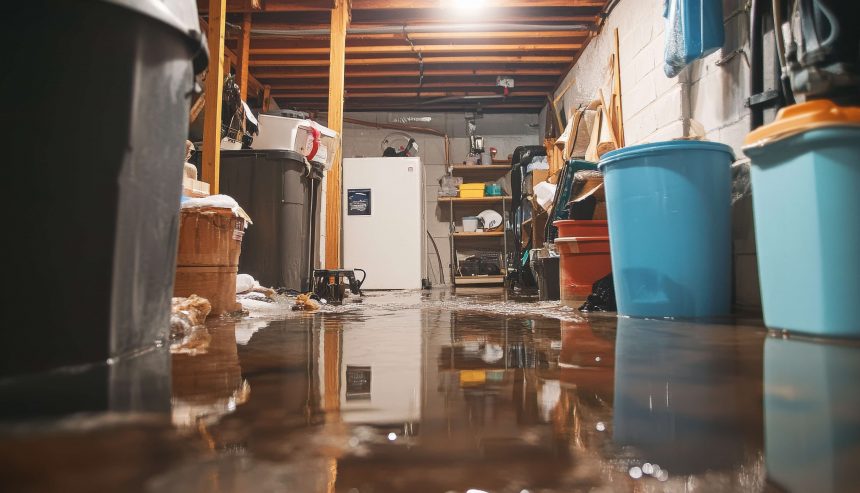
Winter flooding is becoming one of the most underestimated home dangers in Salt Lake City. While most homeowners associate flooding with spring storms or heavy rain, winter poses an equally serious threat, especially to basements. Between melting snow, frozen pipes, shifting temperatures, and groundwater intrusion, homes in the Salt Lake Valley face significant risks during cold-weather months.
As the trusted property restoration experts in Utah, PuroClean of Bluffdale has seen firsthand how fast basement flooding can occur in winter, and how devastating the damage can be. This guide breaks down why winter flooding happens, how to identify early warning signs, and the 7 powerful steps you can take to protect your basement before disaster hits.
Table of Contents
Winter Flooding: Why It’s Becoming a Serious Threat in Salt Lake City
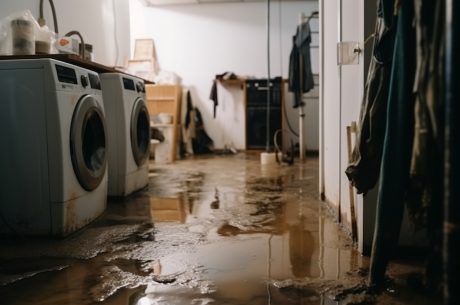
Winter flooding occurs when melting snow, ice buildup, frozen pipes, poor drainage, or hydrostatic pressure force water into a basement. Unlike spring floods, winter moisture often enters silently, behind walls, under flooring, or through foundation cracks, leading to expensive repairs and mold growth.
The Federal Emergency Management Agency (FEMA) reports that just one inch of water in a basement can cause over $25,000 in damage, especially when structural materials absorb moisture (FEMA).
Salt Lake City’s unique winter climate increases the risk because of:
- Rapid freeze–thaw cycles
- Heavy snow followed by sudden warm-ups
- Aging foundation systems
- High groundwater levels
- Frozen gutters and downspouts
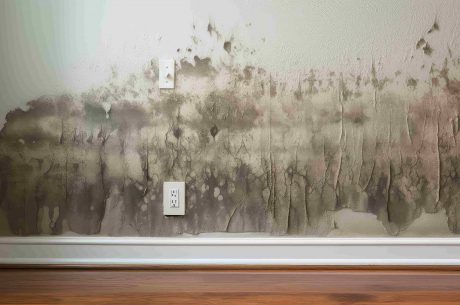
The Environmental Protection Agency (EPA) warns that moisture buildup in basements leads directly to mold growth within 24–48 hours (EPA).
That’s why preventing winter flooding is essential for protecting your home.
1. Seal Foundation Cracks to Block Water Intrusion
When winter temperatures fluctuate, foundation walls expand and contract, creating micro-cracks that allow water to seep in. Even small cracks can allow gallons of water into your basement during snowmelt.
The American Society of Home Inspectors (ASHI) notes that foundation cracks are a top contributor to winter basement leaks in cold climates (ASHI).
What to do:
- Inspect basement walls for hairline or horizontal cracks
- Seal cracks using epoxy or polyurethane injections
- Hire a foundation specialist if cracks widen or extend
Sealing structural openings early reduces the chance of winter flooding caused by melting snow or groundwater pressure.
PuroClean Tip: Shine a flashlight along foundation walls, shadows often reveal cracks you can’t see with the naked eye.
2. Protect Gutters and Downspouts to Prevent Ice Dams
Ice dams occur when warm air from your home melts roof snow, which then refreezes near the eaves. This forces water under shingles, down walls, and directly into basements.
According to FEMA, ice dams are one of the leading winter causes of hidden moisture damage (FEMA).
When downspouts are blocked with ice, snowmelt flows toward your foundation, dramatically increasing the likelihood of winter flooding.
Preventive actions:
- Clean gutters in late fall
- Use downspout extensions (6 feet or more away from foundation)
- Install heated gutter cables
- Keep snow cleared from roof edges
Pro Insight: Basement leaks from ice dams often show up as high-water marks on foundation walls.
3. Install a Reliable Sump Pump (and Backup System)
A sump pump is your basement’s first line of defense against winter flooding. Snowmelt often saturates soil, increasing groundwater pressure and forcing water through foundation walls and floors.
The National Association of Home Builders (NAHB) recommends sump pumps in all basements and crawlspaces in cold-weather regions due to rising groundwater levels in winter (NAHB).
Your winter sump pump checklist:
- Test pump monthly
- Remove debris from the pit
- Install a battery backup (for power outages)
- Add a water-powered backup pump if possible
Without a functioning sump pump, even minor snowmelt can overwhelm your basement.
4. Prevent Frozen Pipes That Can Burst During Thaw Cycles
Frozen pipes are one of the leading causes of winter flooding inside basements. When water freezes, it expands with enough force to rupture copper, PVC, and even PEX pipes.
The Insurance Information Institute (III) reports that frozen and burst pipes cause more than $11,000 per insurance claim on average (III).
Pipes most at risk include:
- Basement plumbing
- Outdoor hose bib lines
- Water heaters and utility sink lines
- Pipes along exterior walls
How to prevent frozen-pipe flooding:
- Insulate exposed pipes
- Keep basement temperatures above 55°F
- Allow faucets to drip during severe cold
- Seal foundation gaps that allow cold air inside
When pipes thaw, even a small crack can release hundreds of gallons of water into your basement.
PuroClean of Bluffdale Advice: If your water pressure suddenly drops during a freeze, a pipe may already be frozen.
5. Improve Basement Drainage to Redirect Snowmelt
Salt Lake City’s heavy snowfall can overwhelm drainage systems when warm spells hit suddenly. Snowmelt flowing toward your home instead of away from it significantly increases the risk of winter flooding.
The EPA highlights poor grading as a major cause of basement moisture problems in U.S. homes (EPA).
How to improve winter drainage:
- Ensure soil slopes away from your foundation
- Install French drains
- Clear basement window wells
- Use window well covers to block snow
- Keep storm drains free of ice and debris
Good drainage ensures melting snow flows away from your home, not into it.

6. Use Basement Waterproofing Treatments for Long-Term Protection
Interior and exterior waterproofing systems create a moisture barrier that shields your basement from winter flooding, regardless of weather extremes.
Waterproofing options include:
- Interior sealants
- Vapor barriers
- Exterior foundation coatings
- Drainage board systems
- Interior perimeter drainage channels
The International Association of Certified Home Inspectors (InterNACHI) recommends waterproofing basements in snowy regions to prevent moisture intrusion during freeze-thaw cycles (InterNACHI).
PuroClean Advantage: Waterproofing combined with humidity management drastically reduces mold risks.
7. Catch Early Warning Signs Before Winter Flooding Strikes
Most basement flooding begins subtly. Homeowners who learn to spot early signs can prevent thousands in damage.
Look for these red flags:
- Moist, musty basement odors
- Efflorescence (white mineral stains on walls)
- Condensation on basement windows
- Staining around baseboards
- Cracks near window wells
- Flooring that feels spongy or damp
- Unexpected increases in humidity
If you notice any of these signs, your basement is already vulnerable to winter flooding, and professional help is needed.
PuroClean Pro Tip: Musty smells in winter almost always signal hidden moisture or mold.
FAQ’s
Can basements flood in winter?
Yes. Winter flooding happens due to snowmelt, frozen pipes, ice dams, and groundwater pressure.
How do I prevent winter basement flooding?
Improve drainage, test sump pumps, insulate pipes, clean gutters, seal foundation cracks, and monitor basement humidity.
Can winter flooding cause mold?
Yes. The EPA confirms mold can begin growing within 24–48 hours after moisture exposure.
Is winter flooding covered by insurance?
Coverage depends on the cause. Burst pipes are typically covered, but groundwater intrusion may not be.
How PuroClean of Bluffdale Helps After Winter Flooding
When winter flooding occurs, you need immediate professional help. PuroClean of Bluffdale provides comprehensive cleanup, drying, and restoration services to protect your home and health.
Our Services Include:
- 24/7 emergency water extraction
- Structural drying and dehumidification
- Infrared thermal leak detection
- Basement mold prevention and removal
- Carpet, flooring, and wall restoration
- Sanitization and odor removal
- Insurance documentation and support
As IICRC-certified water damage experts, we use industry-leading technology to ensure your basement is dried safely and thoroughly.
PuroClean of Bluffdale Promise: We restore your home quickly while preventing long-term structural and mold damage.
What to Do Immediately After Winter Flooding
- Turn off electricity to affected areas.
- Stop the water source (if from pipes).
- Remove valuables from the basement.
- Do NOT use household fans, they may spread mold.
- Call PuroClean of Bluffdale at (801) 254-6204 for emergency response.
- Document damage for your insurance claim.
Responding quickly reduces loss and prevents dangerous mold growth.
Don’t Let Winter Flooding Catch You Off Guard
In Salt Lake City, winter flooding is a growing threat due to extreme weather, rapid freeze–thaw cycles, and aging drainage systems. But with proper preparation, and the right professional support, you can protect your basement from costly damage.
PuroClean of Bluffdale is your trusted local leader in water damage restoration and winter flood prevention. Our certified team provides fast, reliable, and compassionate service when your home needs it most.
For winter flooding prevention or emergency help, call PuroClean of Bluffdale at (801) 254-6204.

 PuroClean of Bluffdale