 PuroClean of Bluffdale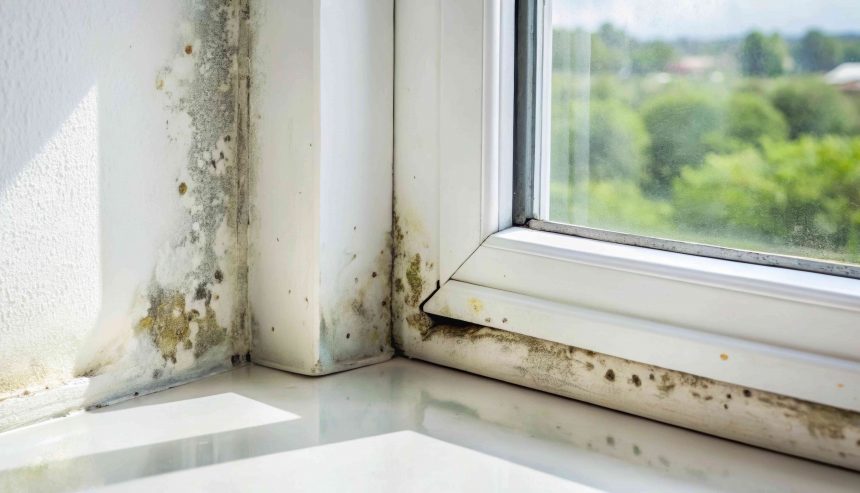
winter mold is one of the most underestimated threats facing Salt Lake City homeowners, not because it is rare, but because it develops quietly during a season most people assume is safe from mold growth. Unlike summer mold that often follows visible flooding, winter mold grows out of sight and frequently reveals itself only after residents experience unexplained health changes.
Homeowners often notice worsening allergies, persistent coughing, headaches, fatigue, or breathing discomfort, yet rarely suspect their home as the cause. By the time these symptoms become consistent, mold has often spread through wall cavities, attics, or HVAC systems.
In this 2026 guide, PuroClean of Bluffdale explains how winter mold forms, why it impacts homes differently during colder months, and the five alarming ways it affects Salt Lake City homes long before visible damage appears.
Table of Contents
Winter Mold: Why Cold Weather Creates a Hidden Indoor Threat
winter mold thrives not because of heat, but because moisture becomes trapped inside sealed indoor environments. During winter, homes are closed tightly to retain warmth, drastically reducing ventilation and allowing humidity to build up indoors.
According to the Environmental Protection Agency, mold can begin growing within 24 to 48 hours of moisture exposure regardless of season, making winter conditions just as risky as summer flooding events. Cold-weather moisture commonly comes from condensation, ice dams, frozen pipes, and slow leaks that cannot dry naturally in low temperatures.
The Centers for Disease Control and Prevention confirms that mold exposure may trigger respiratory irritation, asthma flare-ups, chronic coughing, headaches, and fatigue, symptoms frequently mistaken for seasonal illness during winter months.
1. Condensation Quietly Feeds Mold Behind Walls and Ceilings
One of the most alarming contributors to winter mold is condensation. When warm indoor air meets cold exterior surfaces such as walls, windows, and attic spaces, moisture forms invisibly and repeatedly.
The U.S. Department of Energy explains that condensation is more common in winter because warm indoor air holds more moisture than cold surfaces can absorb, leading to hidden dampness in wall cavities and attics.
High-risk condensation zones include exterior wall cavities, attic ceilings, window frames, basements, crawlspaces, and areas behind furniture placed against cold walls. Because condensation does not appear as standing water, homeowners rarely recognize it as a moisture problem, allowing mold colonies to develop undetected.
2. Winter Heating Habits Increase Indoor Moisture Levels
Although furnaces initially dry indoor air, winter living habits often raise overall humidity without homeowners realizing it. The Environmental Protection Agency notes that indoor humidity levels above 60 percent significantly increase mold growth risk.
Common winter behaviors that elevate indoor moisture include longer hot showers, increased indoor cooking, use of humidifiers, drying clothes indoors, and keeping windows and doors sealed for extended periods. This trapped moisture feeds winter mold growth in hidden areas such as behind drywall, inside insulation, and within attic spaces.
3. Ice Dams Create Slow, Persistent Moisture All Winter
Ice dams are a major winter moisture source that many homeowners underestimate. The Federal Emergency Management Agency warns that ice dams force melting snow beneath shingles and into attic insulation and wall cavities where moisture remains trapped for extended periods.
Unlike sudden leaks, ice dam moisture spreads slowly, remains hidden, saturates insulation, and prevents drying due to cold temperatures. These conditions allow winter mold to grow continuously throughout the season, often without visible warning signs until damage becomes extensive.

4. Frozen Pipes Thaw and Release Hidden Moisture
Frozen pipes are common in Utah winters, but many do not burst dramatically. Instead, they develop hairline fractures that leak slowly once thawing begins. The Insurance Information Institute reports that frozen pipes are among the most frequent winter water damage claims nationwide.
Slow leaks often occur inside wall cavities, beneath cabinets, in basements, or within crawlspaces. Because these leaks remain concealed, moisture accumulates over time and creates ideal conditions for winter mold growth long before homeowners notice visible damage.
5. Health Symptoms Appear Before Visible Mold Damage
Perhaps the most alarming aspect of winter mold is that homeowners often notice health changes before noticing property damage. The Centers for Disease Control and Prevention confirms that mold exposure can cause persistent coughing, nasal congestion, headaches, fatigue, eye irritation, and asthma flare-ups.
Because winter illnesses are common, these symptoms are often dismissed as seasonal colds or allergies, allowing mold exposure to continue unchecked for months. At PuroClean of Bluffdale, it is common to find that when symptoms improve outside the home but worsen indoors, hidden mold is the underlying cause.
Why Winter Mold Is Harder to Detect and Remove
Cold weather prevents natural drying, allowing moisture to remain trapped longer. The Institute of Inspection, Cleaning and Restoration Certification explains that moisture left untreated beyond 48 hours significantly increases microbial growth risk.
winter mold is harder to manage because drying times are extended, ventilation is limited, leaks remain concealed, and mold spreads behind surfaces. By the time visible signs appear, contamination is often widespread and requires professional remediation.
FAQ’s
Can mold grow in winter in Utah? Yes, mold grows whenever moisture is present, and winter creates condensation, leaks, and poor ventilation that support growth. Why do people feel sick at home during winter? Indoor mold exposure can cause respiratory symptoms often mistaken for seasonal illness. How do I know if winter mold is affecting my home? Musty odors, condensation, worsening indoor allergies, and unexplained fatigue are common warning signs. Is winter mold dangerous? Prolonged exposure may worsen asthma and respiratory conditions.
How PuroClean of Bluffdale Detects and Removes Winter Mold
PuroClean of Bluffdale specializes in cold-weather mold detection and remediation using advanced technology designed to locate hidden moisture. Services include infrared moisture detection, winter mold inspections, HEPA air filtration, safe mold removal, structural drying, dehumidification, mold prevention planning, and insurance documentation support. All remediation follows IICRC S520 Mold Remediation Standards to ensure safe and effective treatment.
What to Do If You Suspect Winter Mold
If you suspect winter mold in your home, avoid disturbing visible mold, limit HVAC circulation until inspection, document symptoms and affected areas, reduce indoor humidity where possible, and contact PuroClean of Bluffdale at (801) 254-6204 for a professional assessment. Early intervention protects both health and property.
Winter Mold Is a Health Warning, Not Just a Home Issue
winter mold rarely announces itself with flooding or visible damage. Instead, it quietly impacts indoor air quality and personal health, often for months before homeowners recognize the cause. Understanding how winter conditions create mold, recognizing early warning signs, and acting quickly can prevent long-term health effects and costly repairs.
PuroClean of Bluffdale is your trusted local expert for winter mold detection, remediation, and prevention. When your health changes during winter, your home may be sending an important signal. For expert winter mold inspection and removal, contact us at (801) 254-6204.


 PuroClean of Bluffdale