 PuroClean of Bluffdale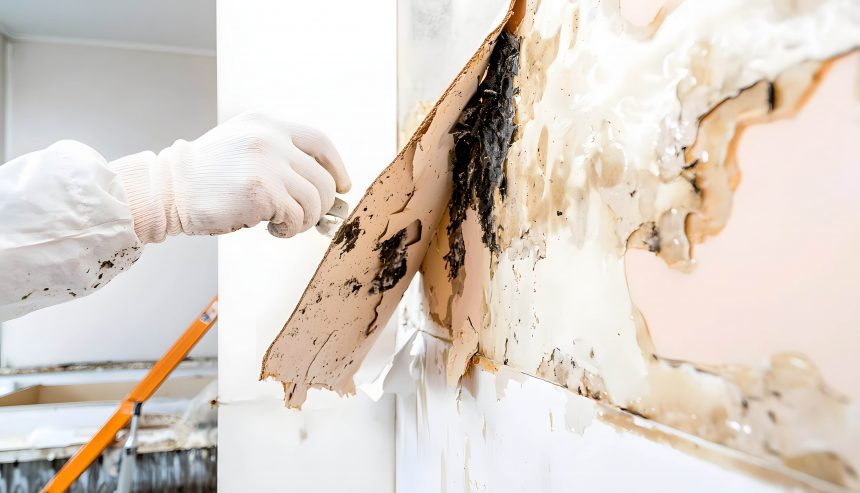
Winter Mold Growth is one of the most misunderstood problems affecting Salt Lake City homeowners. Many assume mold only thrives in warm, humid conditions, but Utah’s cold snaps can actually create ideal mold environments inside homes.
Why? Because the rapid temperature shifts that define Utah winters, especially in 2025, cause condensation, moisture buildup, structural leaks, and restricted airflow. These conditions work together to support Winter Mold Growth behind walls, inside attics, under floors, and throughout HVAC systems… all while remaining hidden until spring.
As a trusted industry leader, PuroClean of Bluffdale has seen firsthand how cold-weather moisture becomes a silent threat. This expert guide reveals the 5 surprising ways cold snaps cause mold, the warning signs to look for, and how to protect your family and property this winter.
Table of Contents
Winter Mold Growth: Why Cold Snaps Are More Dangerous Than Ever
Winter Mold Growth happens when moisture meets organic materials such as drywall, insulation, or wood. The Environmental Protection Agency (EPA) confirms mold can begin forming within 24–48 hours of moisture exposure, even when temperatures are cool (EPA).
Cold snaps accelerate this risk because:
- Warm indoor air meets cold surfaces → condensation
- Homes are tightly sealed → moisture gets trapped
- Heating systems increase humidity levels indoors
- Ice dams cause hidden roof leaks
- Frozen pipes thaw and release unnoticed water
The Centers for Disease Control and Prevention (CDC) warns that mold exposure can trigger asthma, chronic coughing, headaches, and other respiratory issues, symptoms that often worsen during winter (CDC).
This is why understanding Winter Mold Growth is essential for homeowners throughout the Salt Lake Valley.
1. Condensation From Temperature Differences Creates Perfect Mold Conditions
One of the most surprising causes of Winter Mold Growth is condensation, formed when warm indoor air collides with cold surfaces during extreme temperature drops.
The American Society of Heating, Refrigeration, and Air-Conditioning Engineers (ASHRAE) reports that condensation risk spikes during sudden cold snaps because heating systems push moisture-rich air into contact with cold walls, windows, and ceilings (ASHRAE).
Condensation leads to mold in:
- Window sills
- Exterior walls
- Closets against outside walls
- Basement corners
- Behind large furniture
Because homeowners rarely inspect these areas in winter, mold can bloom unnoticed for months.
PuroClean Pro Tip: If your home experiences window sweating or frost, you are at high risk for Winter Mold Growth.
2. Indoor Heating Raises Humidity Levels and Fuels Mold
Cold weather forces homeowners to run their heating systems more often, and that dramatically affects humidity.
While furnaces initially dry the air, they also encourage activities that raise humidity:
- Longer, hotter showers
- Indoor cooking
- Using humidifiers
- Drying clothes indoors
- Sealing up the home completely
According to the EPA, mold thrives when indoor humidity exceeds 60%, a number commonly reached in homes during Utah’s winter heating cycles (EPA).
This combination, warm, humid indoor air and cold exterior surfaces, creates the perfect storm for Winter Mold Growth.
Humidity Control Tip: Keep indoor humidity between 30–50% using exhaust fans, proper ventilation, or dehumidifiers.
3. Poor Winter Ventilation Traps Moisture Inside Homes
During cold snaps, Utah homeowners naturally keep windows closed and seal air leaks to preserve heat. While this saves energy, it also traps moisture indoors, allowing Winter Mold Growth to flourish.
The World Health Organization (WHO) has documented that insufficient winter ventilation increases mold concentrations significantly, especially in bathrooms, kitchens, and tight attic spaces (WHO).
Rooms at highest risk include:
- Bathrooms without active exhaust fans
- Laundry rooms
- Kitchens
- Crawlspaces
- Sealed basements
- Attics with blocked vents
When fresh air isn’t circulating, mold spores settle and multiply quickly.
PuroClean Advice: Run exhaust fans for 20–30 minutes after showers or cooking, even in winter.
4. Ice Dams Create Hidden Leaks That Lead to Winter Mold Growth
An ice dam forms when warm air in an attic melts roof snow, which then refreezes at the roofline. This forces meltwater beneath shingles and into attic insulation and wall cavities.
According to FEMA, ice dams are a major hidden cause of moisture intrusion and mold during Utah winters (FEMA).
Ice-dam leaks cause Winter Mold Growth in:
- Attic insulation
- Roof sheathing
- Wall cavities
- Ceiling drywall
Because these areas are cold and poorly ventilated, moisture lingers for months, allowing mold to thrive in silence.
PuroClean Note: If you see icicles forming on your roof, mold growth is already possible inside.

5. Frozen Pipes Thawing Cause Slow Leaks That Become Mold Hotspots
When freezing temperatures hit, pipes in uninsulated basements, crawlspaces, garages, and exterior walls are at high risk.
The Insurance Information Institute (III) estimates that freeze-related pipe bursts cause more than $11,000 per insurance claim, often resulting in mold outbreaks within 48 hours (III).
Even if a pipe doesn’t fully burst, the thaw phase often causes small leaks that homeowners don’t detect, especially behind walls or under cabinets.
These slow leaks create pockets of moisture, which become ideal environments for Winter Mold Growth, especially in:
- Kitchens
- Bathrooms
- Utility rooms
- Behind drywall
- Beneath flooring
PuroClean Warning: Frozen pipes don’t need to break dramatically, even a pinhole leak can create widespread mold.
People Also Ask
Can mold grow in winter in Utah?
Yes. Mold grows whenever moisture is present. Utah’s cold snaps create condensation, leaks, and trapped humidity, perfect conditions for mold.
Is Winter Mold Growth harmful?
The CDC confirms mold exposure can cause coughing, wheezing, headaches, and asthma flare-ups, making it especially dangerous during winter months when homes are sealed tight.
What causes mold growth in winter?
Common causes include condensation, poor ventilation, ice dams, humid heating environments, and frozen-pipe leaks.
How can homeowners prevent Winter Mold Growth?
Maintain humidity under 50%, ventilate bathrooms and kitchens, prevent ice dams, insulate pipes, and schedule professional winter moisture inspections.
How PuroClean of Bluffdale Protects Salt Lake City Homes From Winter Mold Growth
PuroClean of Bluffdale specializes in cold-weather mold detection, removal, and prevention. Winter mold behaves differently from warm-season mold, so it requires expert handling.
Our Winter Mold Services Include:
- Infrared moisture detection
- Attic and crawlspace inspections
- Ice-dam moisture evaluations
- Mold containment and safe removal
- HEPA air scrubbing and sanitization
- Professional drying and dehumidification
- Winterization and mold prevention planning
We follow IICRC S520 Mold Remediation Standards, ensuring safe, scientific, and thorough treatment every time (IICRC).
Why Homeowners Trust PuroClean of Bluffdale
- Certified mold remediation professionals
- 24/7 emergency response
- Local expertise in Utah’s winter climate
- Transparent pricing and documentation
- Insurance coordination
- Advanced testing and moisture-mapping technology
PuroClean Promise: We don’t just remove mold, we find out why it grew and ensure it doesn’t return.
What to Do If You Suspect Winter Mold Growth
If you notice musty odors, condensation, stains, or respiratory symptoms, take these steps:
- Do not disturb the mold (disturbance releases spores).
- Avoid running HVAC systems until inspected.
- Take photos of affected areas for insurance.
- Call PuroClean of Bluffdale at (801) 254-6204 for immediate mold assessment.
- Address moisture sources like leaks or condensation.
Always act within 24–48 hours to prevent mold from spreading.
Don’t Let Cold Snaps Trigger Winter Mold Growth in Your Home
Utah’s cold snaps create hidden moisture traps that turn your home into prime real estate for Winter Mold Growth. What appears to be a dry season can quickly turn into months of unnoticed mold activity behind walls, inside attics, and throughout your ventilation systems.
PuroClean of Bluffdale is your trusted expert for winter mold detection, removal, and prevention. We understand Utah’s winter climate better than anyone, and we know exactly how to stop mold before it spreads.
To protect your home from Winter Mold Growth, call PuroClean of Bluffdale today at (801) 254-6204.



 PuroClean of Bluffdale