 PuroClean of Bluffdale
Winter Water Damage Claims are one of the most misunderstood and most disputed types of home insurance claims in Utah. Many Salt Lake City–area homeowners assume that if water damage happens during winter, their insurance will automatically cover the loss. Unfortunately, that assumption often leads to denied claims, delayed payouts, and thousands of dollars in unexpected out-of-pocket repairs.
Frozen pipes, ice dams, snowmelt intrusion, and winter flooding are common in Utah homes, but how the damage occurs, and how quickly you respond, plays a major role in whether your claim is approved.
In this 2025 homeowner guide, PuroClean of Bluffdale, a trusted leader in water damage restoration and insurance coordination, explains what home insurance actually covers during winter water losses, where most policies draw the line, and how to protect your claim from denial.
Table of Contents
Winter Water Damage Claims: Why Coverage Is Often Confusing for Homeowners
Winter Water Damage Claims are unique because insurers distinguish between sudden, accidental events and gradual or preventable damage. This distinction is where most homeowners run into trouble.
According to the National Association of Insurance Commissioners (NAIC), most standard homeowners insurance policies cover sudden water damage, but exclude damage caused by neglect, lack of maintenance, or long-term moisture issues (NAIC).
In Utah winters, common claim triggers include:
- Burst or frozen pipes
- Ice dam–related roof leaks
- Water heater failures
- Appliance line ruptures
- Snowmelt entering through sudden openings
However, insurers closely investigate whether the homeowner took reasonable steps to prevent damage.
PuroClean of Bluffdale Insight: Two homes can suffer identical winter water damage, and receive completely different claim outcomes based on response time and documentation.
1. What Winter Water Damage Is Typically Covered by Insurance
Most approved Winter Water Damage Claims fall into the category of sudden and accidental damage. These are events the homeowner could not reasonably anticipate or prevent.
According to the Insurance Information Institute (III), policies generally cover:
- Sudden pipe bursts caused by freezing
- Accidental appliance leaks
- Water damage from HVAC failures
- Water damage resulting from firefighting efforts
For example, if a pipe freezes overnight and bursts unexpectedly, the resulting water damage is usually covered, provided the home was heated and maintained.
Key Coverage Requirement: The home must be occupied or reasonably heated. Insurers often deny claims if the property was left unheated.
2. What Winter Water Damage Is Commonly Excluded
This is where many Winter Water Damage Claims fail.
The NAIC explains that insurance does not cover damage caused by neglect, deferred maintenance, or gradual leaks (NAIC).
Common exclusions include:
- Slow leaks that went unnoticed
- Long-term pipe corrosion
- Repeated basement seepage
- Groundwater intrusion
- Damage caused by poor drainage or grading
For example, if an ice dam leaks water into your home for weeks before action is taken, insurers may argue the damage was preventable, and deny the claim.
PuroClean Tip: Insurance companies expect homeowners to act within 24–48 hours of discovering water damage to enable smooth winter water damage claims.
3. Frozen Pipes: Covered vs. Denied Scenarios
Frozen pipes are the most common reason homeowners file Winter Water Damage Claims in Utah, but not all frozen-pipe losses are treated equally.
According to the III, frozen pipe damage is typically covered only if the homeowner took reasonable steps to prevent freezing (III).
Covered scenarios:
- Heat was left on
- Pipes were insulated
- Home was occupied or monitored
- Freeze was sudden and unexpected
Denied scenarios:
- Heat was turned off
- Home was vacant without winterization
- Known pipe issues were ignored
- Pipes froze due to prolonged neglect
PuroClean of Bluffdale Experience: Many denied claims stem from thermostat settings below 55°F or documented vacancy without safeguards.
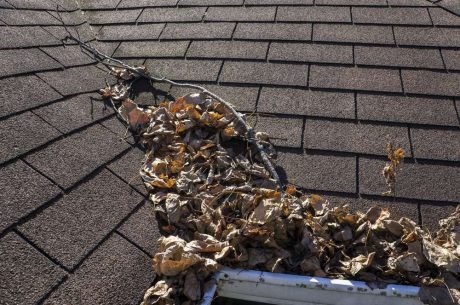
4. Ice Dams and Roof Leaks: A Gray Area in Coverage
Ice dams are one of the trickiest aspects of Winter Water Damage Claims.
The Federal Emergency Management Agency (FEMA) warns that ice dams often cause hidden water damage that worsens over time (FEMA).
Insurance may cover:
- Sudden water intrusion caused by ice dam formation
Insurance may deny:
- Damage linked to poor insulation
- Long-term roof maintenance issues
- Repeated ice dam problems
Insurers often argue that ice dams are a maintenance issue, not a covered peril, unless the homeowner can prove the damage was sudden and unavoidable.
PuroClean Strategy: Immediate mitigation and professional documentation dramatically improve coverage outcomes for ice dam claims.

5. Basement Flooding and Groundwater: What Policies Usually Exclude
Many homeowners assume all winter flooding is covered, but groundwater is a major exclusion.
The EPA notes that snowmelt and rising groundwater are common causes of basement moisture in winter (EPA).
Standard policies typically do not cover:
- Groundwater seepage
- Hydrostatic pressure damage
- Recurring basement flooding
Coverage may apply if:
- Flooding resulted from a burst pipe
- A sump pump failed (with endorsement)
Important: Separate flood insurance or water backup endorsements are often required.
6. Why Timing and Documentation Decide Claim Approval
When it comes to Winter Water Damage Claims, speed is everything.
The IICRC (Institute of Inspection, Cleaning and Restoration Certification) states that water damage left untreated beyond 48 hours significantly increases mold risk and claim disputes (IICRC).
Insurance adjusters look for:
- Immediate mitigation
- Professional drying
- Moisture readings
- Photo documentation
- Service reports
Delays allow insurers to argue that secondary damage, like mold, was preventable and therefore not covered.
PuroClean Advantage: We document moisture levels, timelines, and damage progression to support valid claims.
7. How Mold Affects Winter Water Damage Claims
Mold is one of the most contested elements of Winter Water Damage Claims.
The CDC confirms that mold can begin growing within 24–48 hours after water exposure (CDC).
Most policies:
- Cover mold only if it results from a covered water loss
- Exclude mold caused by long-term moisture or neglect
If water damage isn’t addressed immediately, mold coverage may be denied, even if the initial leak was covered.
PuroClean Reminder: Early drying is the single most important factor in preserving mold coverage.
FAQ’s
Does homeowners insurance cover winter water damage?
Yes, if the damage is sudden and accidental. Gradual damage or neglect is usually excluded.
Are frozen pipes covered by insurance?
Typically yes, if the home was heated and maintained.
Are ice dam leaks covered?
Sometimes. Coverage depends on whether the damage was sudden or due to maintenance issues.
How long do I have to file a winter water damage claim?
Policies vary, but immediate reporting is strongly recommended, often within days.
How PuroClean of Bluffdale Helps Protect Your Winter Water Damage Claim
PuroClean of Bluffdale doesn’t just restore homes, we help protect homeowners from claim denials.
Our insurance-support services include:
- 24/7 emergency response
- Immediate water extraction
- Structural drying & dehumidification
- Infrared moisture detection
- Mold prevention & remediation
- Detailed documentation for insurers
- Direct communication with adjusters
We follow IICRC S500 Water Damage Restoration Standards, the benchmark insurers rely on for claim validation (IICRC).
Why This Matters: Proper mitigation often determines whether a claim is approved or denied.
What to Do Immediately After Winter Water Damage
- Stop the water source if safe
- Turn off electricity in affected areas
- Document damage with photos
- Do not delay cleanup
- Call PuroClean of Bluffdale at (801) 254-6204
- Notify your insurance company promptly
Acting fast protects both your home and your coverage.
Know Your Coverage Before Winter Damage Happens
Winter Water Damage Claims can be approved or denied based on decisions made in the first 24 hours after loss. Understanding what your policy covers, responding quickly, and working with certified professionals make all the difference.
PuroClean of Bluffdale is your trusted local partner for winter water damage restoration and insurance-ready documentation. When winter damage strikes, we help you restore your home and protect your claim.
For emergency winter water damage response, call PuroClean of Bluffdale at (801) 254-6204.


 PuroClean of Bluffdale