Table of Contents
The biggest cause of frozen pipes in Racine is inadequate insulation in exterior walls, crawl spaces, and attics, combined with Wisconsin’s severe temperature swings. When temperatures drop below 20 degrees Fahrenheit, which happens frequently in Racine winters, uninsulated or poorly insulated pipes lose heat faster than water flowing through them can replace it. This is compounded by Racine’s unique climate challenges, including Lake Michigan wind chill effects that can make ambient temperatures feel 10 to 20 degrees colder, older home construction lacking modern insulation standards, and sudden cold snaps that freeze pipes before homeowners implement protective measures. Secondary factors include thermostat setbacks during vacations, closed interior doors blocking heat circulation, and exterior wall pipes in bathrooms and kitchens built before energy codes required proper insulation.
If you live in Racine, you know the drill. Every winter, the local news runs stories about frozen pipes. Your neighbors post on Facebook asking for plumber recommendations. And somewhere in town, right now, a homeowner is discovering that the innocent dripping they heard last night was actually their pipe bursting, sending gallons of water into their walls.
Frozen pipes in Racine are not a matter of if but when. The question every homeowner asks is: What actually causes this, and how do I prevent it from happening to my home?
This guide answers that question directly, explains exactly why Racine’s climate creates such severe frozen pipe risks, identifies the warning signs you should never ignore, and provides the emergency prevention and response strategies that actually work in Wisconsin winters.
The Biggest Cause: Inadequate Insulation in Racine’s Older Homes
The number one cause of frozen pipes in Racine is inadequate insulation in exterior walls, crawl spaces, attics, and unheated areas where water supply lines run. Racine’s housing stock includes thousands of homes built before 1980, when building codes did not require the insulation levels needed to protect pipes during Wisconsin’s extreme cold snaps.
Here is why insulation matters more than any other factor:
How Pipes Actually Freeze
Water freezes at 32 degrees Fahrenheit, but pipes typically do not freeze until the ambient temperature around them drops below 20 degrees Fahrenheit. This is because:
Moving water generates friction heat. As long as water flows through pipes regularly, this friction generates small amounts of heat that help prevent freezing.
Pipes conduct heat from the surrounding air. In heated spaces, pipes absorb warmth from ambient air, maintaining a temperature above freezing.
Insulation slows heat loss. Properly insulated pipes retain warmth longer when temperatures drop suddenly.
When Racine temperatures plunge to zero or below, which happens multiple times every winter, inadequately insulated pipes lose heat faster than these protective mechanisms can replace it. Water stops moving during overnight hours when nobody uses faucets. Pipes cool rapidly. Ice forms.
Racine’s Older Housing Stock
According to U.S. Census data, approximately 60 percent of Racine’s housing stock was built before 1980. Many of these homes were constructed when:
Insulation standards were minimal. Building codes from the 1950s through the 1970s required far less insulation than modern standards.
Energy was cheap. Builders and homeowners did not prioritize thermal efficiency the way modern construction does.
Exterior wall plumbing was common. Bathrooms and kitchens built on exterior walls often have supply lines running through uninsulated wall cavities, creating perfect conditions for frozen pipes in Racine.
The Most Vulnerable Locations
Frozen pipes in Racine most commonly occur in:
Exterior wall cavities: Particularly in bathrooms, kitchens, and laundry rooms, where plumbing runs through walls facing harsh winter winds.
Crawl spaces: Especially in older homes where crawl space vents remain open year-round, exposing pipes to outdoor temperatures.
Unheated attics: Where supply lines serving second-floor bathrooms or HVAC components travel through unconditioned space.
Attached garages: Water lines serving garage utility sinks or running through garage ceiling spaces lose heat rapidly when the garage doors open.
Rim joists: The space where the foundation meets floor framing is notoriously under-insulated in older Racine homes, allowing cold air to reach pipes.
Why Racine’s Climate Makes Frozen Pipes Worse Than Other Wisconsin Cities
Racine faces unique frozen pipe challenges from Lake Michigan wind effects that create severe wind chill penetrating building envelopes, rapid temperature swings from lake-effect weather systems, higher humidity that accelerates heat loss through thermal bridging, and coastal winter storms that combine high winds with sub-zero temperatures, creating the most dangerous pipe freeze conditions.
Racine is not just cold. It is cold in ways that specifically target your plumbing:
Lake Michigan Wind Chill
Racine sits directly on Lake Michigan’s western shore. Winter winds blowing off the lake do not just make it feel colder outside. They actively pull heat from your home’s exterior walls through a process called forced convection.
When 30 mph winds hit your home at 5 degrees Fahrenheit, the effective temperature against your exterior walls drops to minus 20 degrees or colder. This accelerated heat loss directly affects pipes in exterior walls, making frozen pipes in Racine more common than in inland Wisconsin communities at the same air temperature.
Rapid Temperature Swings
Lake-effect weather creates rapid temperature changes that catch homeowners off guard. Racine can experience:
- Morning temperatures at 25 degrees, dropping to minus 5 by evening
- Sudden cold fronts dropping temperatures 40 degrees in 12 hours
- Wind shifts change lake effects within hours
These rapid drops do not give homeowners time to implement protective measures before frozen pipes in Racine occur. The pipes freeze before you realize how cold it actually got.
Higher Moisture and Thermal Bridging
Lake Michigan creates higher ambient humidity compared to inland Wisconsin. While this makes the air feel less dry, it also increases thermal conductivity through building materials. Heat escapes through exterior walls faster in humid conditions, making inadequately insulated pipe locations even more vulnerable.
The 7 Secondary Causes of Frozen Pipes in Racine
Short answer: Beyond inadequate insulation, frozen pipes in Racine result from thermostat setbacks during vacations, closed interior doors blocking heat circulation to bathrooms, clogged gutters causing ice dams and exterior wall cooling, power outages during winter storms, failed heating systems going unnoticed, insufficient heat tape installation, and dripping faucets that freeze before homeowners start them.
1. Thermostat Setbacks During Winter Vacations
Many Racine homeowners lower their thermostats to 50 to 55 degrees when traveling to save energy. While this seems reasonable, it creates perfect conditions for frozen pipes in Racine during cold snaps. Exterior wall pipes and pipes in unheated spaces cool below freezing even when interior spaces stay at 50 degrees.
Solution: Never set thermostats below 55 degrees during winter absences. Better yet, maintain 60 to 65 degrees for complete protection.
2. Closed Interior Doors
Closing bedroom, bathroom, or laundry room doors overnight blocks heat circulation. The room temperature drops 10 to 15 degrees below the rest of your home. If that room has exterior wall plumbing, you have created a frozen pipe in Racine waiting to happen.
Solution: Keep interior doors open during extreme cold, particularly for rooms with exterior wall plumbing. Use space heaters if necessary in especially vulnerable rooms.
3. Ice Dams and Exterior Wall Heat Loss
Clogged gutters in Racine homes create ice dams that hold frozen mass against exterior walls for weeks. This frozen barrier conducts cold directly through walls to interior spaces where pipes run.
Solution: Clean gutters before winter. Address ice dams immediately when they form. Consider heat cable installation in chronic problem areas.
4. Power Outages
Wisconsin winter storms frequently cause power outages lasting hours or days. Without electricity, furnaces stop running even if they have fuel. Homes lose heat rapidly and frozen pipes in Racine begin forming within 4 to 6 hours when temperatures are at or below zero.
Solution: Maintain emergency heat sources like generators or kerosene heaters. If extended outages occur, drain water systems to prevent freeze damage.
5. Failed Heating Systems
Furnaces fail most often during the coldest weather when they work hardest. If your furnace quits overnight and you do not discover it until morning, frozen pipes in Racine are almost guaranteed during sub-zero temperatures.
Solution: Schedule annual furnace maintenance before winter. Install a temperature monitoring system that alerts you to dangerous temperature drops even when you are away.
6. Insufficient Heat Tape
Many Racine homeowners install heat tape on vulnerable pipes, but use inadequate products or fail to maintain them properly. Standard heat tape fails when temperatures drop below minus 10 degrees, exactly when you need it most.
Solution: Use self-regulating heat tape rated for your coldest expected temperatures. Test heat tape annually before winter. Replace every 5 to 7 years regardless of apparent condition.
7. Starting Dripping Too Late
The classic advice to let faucets drip works, but only if you start before pipes begin freezing. Many homeowners wait until they hear cold weather forecasts, then start dripping faucets that evening. By then, pipes may already be starting to freeze.
Solution: Start dripping faucets when temperatures are forecast to drop below 15 degrees, not when they are already there. Set alerts on your phone for temperature drops.
The 5 Warning Signs of Frozen Pipes in Racine Before They Burst
Short answer: Warning signs include reduced water flow or pressure from specific faucets, frost visible on exposed pipes, unusual sounds like banging or gurgling from plumbing, foul odors from drains indicating frozen vent pipes backing up sewer gas, and interior walls or ceilings that feel unusually cold to the touch near plumbing fixtures.
Catching frozen pipes in Racine before they burst can save you thousands in water damage:
1. Reduced Water Flow
If you turn on a faucet and get only a trickle, a pipe somewhere between the main water line and that fixture is partially frozen. This is your critical warning. Take action immediately before the pipe freezes completely and bursts.
2. Frost on Exposed Pipes
Visible frost formation on pipes in basements, crawl spaces, or under sinks means those pipes are at or below 32 degrees. They may not be completely frozen yet, but they are minutes or hours away from it.
3. Strange Plumbing Sounds
Banging, clanging, or gurgling from pipes when you use water indicates ice formation, creating pressure changes and turbulence as water flows around frozen sections.
4. Sewer Gas Smells
If you smell sewage odors in your home during extreme cold, frozen vent pipes may be preventing proper venting, causing gases to back up through drains. This indicates your plumbing system is experiencing freeze conditions.
5. Cold Interior Walls
If walls containing plumbing feel noticeably colder than other walls when you touch them, cold air is penetrating the wall cavity where your pipes run. This precedes frozen pipes in Racine by hours.
Emergency Prevention: What to Do When Temperatures Plunge
Short answer: When Racine temperatures drop below 10 degrees, immediately open cabinet doors under sinks, start dripping all faucets served by exterior wall pipes, maintain indoor temperature at 65 degrees minimum, open interior doors for heat circulation, disconnect garden hoses, insulate exposed pipes with towels or blankets, and monitor vulnerable areas every few hours throughout the cold period.
Immediate Actions When Cold Strikes
Tonight’s forecast shows minus 5 degrees? Do this right now:
- Open all under-sink cabinet doors (kitchen, bathrooms, laundry)
- Start a pencil-thin stream from hot and cold faucets on exterior walls
- Bump the thermostat up 5 degrees higher than normal
- Open bedroom and bathroom doors, even if it feels wasteful
- Check basement and crawl space temperatures
- Place portable heaters near vulnerable pipe locations if necessary
- Set an alarm to check the water flow every 3 to 4 hours overnight
Long-Term Prevention for Racine Homeowners
Before next winter:
- Insulate all accessible pipes in crawl spaces, attics, and exterior walls
- Seal air leaks around rim joists and sill plates
- Install heat tape on chronically vulnerable pipes
- Insulate basement rim joists with spray foam
- Relocate exposed pipes away from exterior walls if renovating
- Install freeze alarm systems that notify you of dangerous temperature drops
- Consider smart water shut-off systems that detect leaks
What to Do When Frozen Pipes in Racine Burst
Shut off the main water supply immediately, turn off electricity if water contacts electrical outlets or fixtures, document damage with photos before cleanup begins, call a professional water damage restoration within 24 hours, contact your insurance company, do not attempt to thaw pipes yourself if they have already burst, and never use open flames or high-temperature heat sources on plumbing.
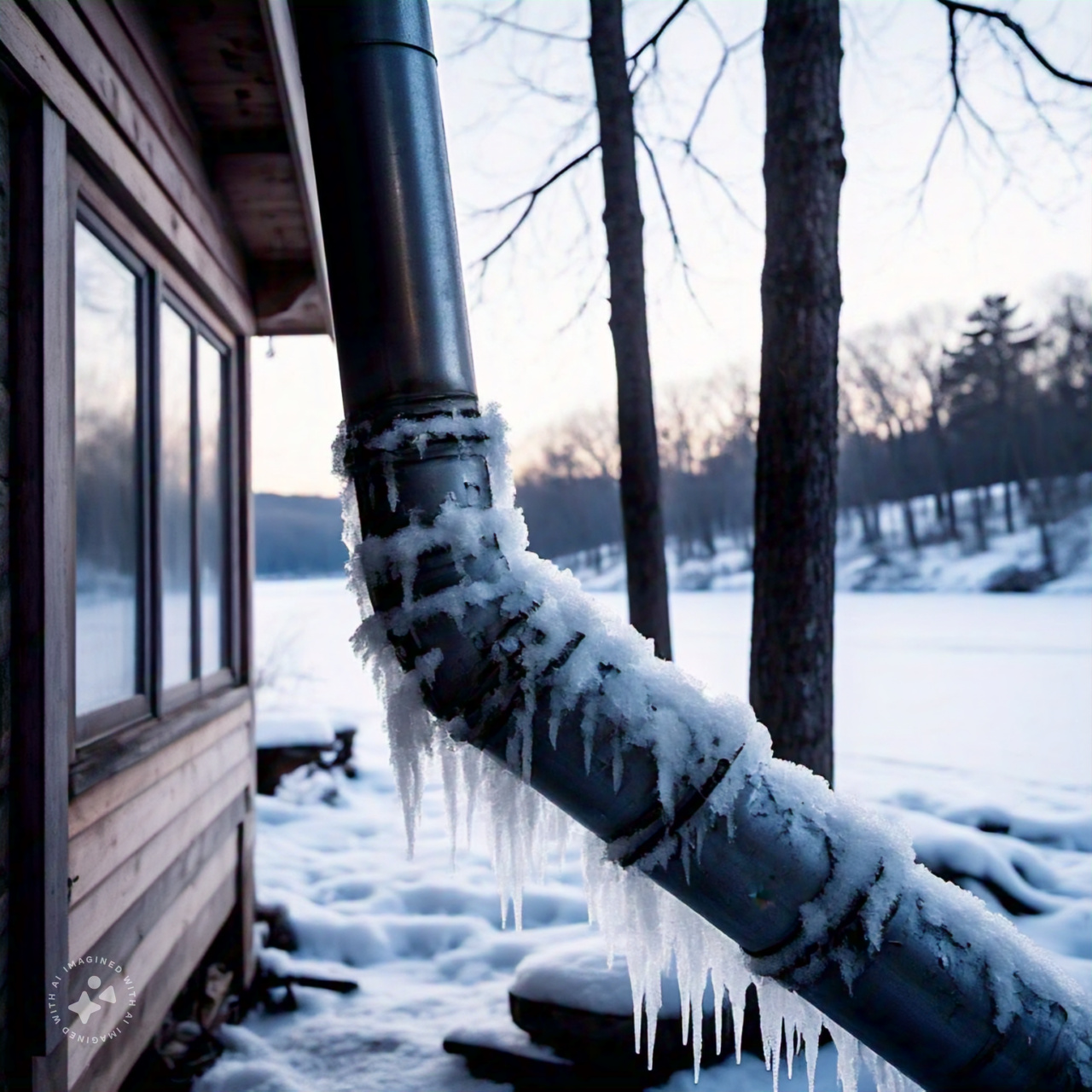
Emergency Response Steps
Step 1: Stop the Water (First 30 Seconds)
Locate and shut off your main water valve. Every second counts when pipes burst, and water gushes at 10 to 15 gallons per minute.
Step 2: Electrical Safety (First 2 Minutes)
If water is near electrical outlets, appliances, or fixtures, shut off electricity at the breaker panel. Do not attempt this if you must walk through standing water to reach the panel.
Step 3: Begin Water Extraction (First 30 Minutes)
Use towels, mops, and wet vacuums to remove standing water. The faster you extract water, the less damage occurs to flooring, walls, and belongings.
Step 4: Call Professionals (Within 1 Hour)
Contact a professional water damage restoration immediately. Frozen pipes in Racine that burst require professional drying to prevent mold growth, structural damage, and permanent losses.
Step 5: Document Everything
Photograph and video all damage before cleanup begins. Insurance claims require documentation of the extent and the source.
FAQs: Frozen Pipes in Racine
At what temperature do frozen pipes in Racine typically occur?
Pipes typically freeze when temperatures drop below 20 degrees Fahrenheit for extended periods, usually 6 hours or longer. However, with Racine’s wind chill effects, pipes in vulnerable locations can freeze at higher temperatures if winds are strong.
Should I turn off the water before winter vacation to prevent frozen pipes?
Only if you can completely drain your system, including water heaters. Otherwise, leave water on and maintain heat at a minimum of 60 degrees. Drained systems that are not properly winterized can still have residual water that freezes and causes damage.
Can frozen pipes thaw without bursting?
Yes, if they thaw slowly and naturally as temperatures rise. The danger occurs when pressure builds between an ice blockage and a closed faucet as water expands while freezing. Many frozen pipes in Racine thaw without incident, but you must monitor them closely during the thaw.
Does homeowners’ insurance cover frozen pipe damage?
Most policies cover sudden and accidental water damage from burst pipes, including frozen pipes in Racine, as long as you maintain reasonable heat in your home. If you shut off the heat or let your home freeze while vacant, claims may be denied.
How long does professional water damage restoration take after burst pipes?
Professional restoration typically achieves complete drying within 3 to 5 days. However, total restoration, including repairs, can take 2 to 4 weeks, depending on the extent.
Can I prevent frozen pipes in Racine without expensive insulation projects?
Yes. Consistent heat, open cabinet doors, dripping faucets, and heat tape provide significant protection. However, proper insulation is the only permanent solution for chronically vulnerable pipes.
PuroClean of Burlington: Expert Water Damage Restoration for Frozen Pipe Emergencies
When frozen pipes in Racine burst, you need more than a plumber. You need IICRC-certified water damage restoration professionals who understand the urgent timeline for preventing mold growth and permanent damage.
PuroClean of Burlington is a veteran-owned restoration company providing 24/7 emergency response for burst pipe water damage throughout Racine, Kenosha, Burlington, and southeastern Wisconsin.
Our Frozen Pipe Water Damage Services:
- Immediate 24/7 emergency response within 1 to 2 hours
- Emergency water extraction, removing all standing water
- Thermal imaging moisture detection finds hidden water
- Commercial structural drying with industrial equipment
- Complete mold prevention protocols
- Damage documentation for insurance claims
- Direct insurance billing and claim support
- Complete restoration, including repairs and reconstruction
- Emergency board-up and tarping if needed
We understand the stress frozen pipes in Racine create. Our team responds immediately, dries your home completely within 3 to 5 days, prevents mold growth, and works directly with your insurance company to ensure your claim is handled properly.
Frozen Pipes Burst? Emergency Help Available Now.
PuroClean of Burlington: 24/7 Water Damage Restoration
(262) 342-2226
Immediate Response | Available 24/7
Serving Racine, Kenosha, Burlington & Southeastern Wisconsin
Summary: Understanding and Preventing Frozen Pipes in Racine
The biggest cause of frozen pipes in Racine is inadequate insulation in exterior walls, crawl spaces, and attics, particularly in the city’s older housing stock built before modern energy codes. This problem is compounded by Racine’s unique climate challenges, including Lake Michigan wind effects, rapid temperature swings, and winter storms that combine extreme cold with high winds.
Secondary factors, including thermostat setbacks, closed interior doors, ice dams, and power outages, create additional risk. Recognizing warning signs like reduced water flow, frost on pipes, and strange plumbing sounds allows homeowners to take action before pipes burst.
Emergency prevention measures when temperatures plunge include opening cabinet doors, dripping faucets, maintaining a minimum 65-degree heat, and monitoring vulnerable areas every few hours. When frozen pipes in Racine burst, immediate professional water damage restoration prevents permanent damage and mold growth.
For 24/7 emergency response to burst pipe water damage in Racine, call PuroClean of Burlington at (262) 342-2226. We provide immediate help when frozen pipes in Racine cause flooding, ensuring your home is dried completely and restored to pre-loss condition.
PuroClean of Burlington 📞 Call Now: (262) 342-2226 🕒 Available 24/7 — Because disasters don’t wait.
🔗 Quick Links: Instagram | Google Reviews & Directions | Facebook | Pinterest