Table of Contents
If your dishwasher isn’t cleaning like it used to, grease buildup could be the hidden culprit. Over time, food residue, oils, and soap scum collect inside the machine, leaving dishes cloudy and the appliance smelling unpleasant. Knowing how to get rid of grease buildup in your dishwasher not only restores cleaning performance but also extends the life of your appliance.
Below, we’ll walk you through professional and DIY methods, signs of buildup, and routine maintenance habits to keep your dishwasher running efficiently—all tailored for Burlington, WI homeowners who care about their home’s cleanliness and longevity.
Signs Your Dishwasher Needs a Deep Clean
- Unpleasant Odors. A dishwasher should be clean, not smell. If you notice a lingering greasy odor, it’s a clear sign that grease and food particles have built up in hard-to-reach places.
- Cloudy Dishes. Are your dishes coming out less than spotless? Grease buildup can leave a cloudy residue, particularly on glassware.
- Sluggish Drainage. Grease clogs can hinder the drainage system, leaving standing water in your dishwasher. Read more on how to dispose of grease properly.
- Visible Grease Stains. Check the spray arms, door seals, and filter. Visible grime and greasy residue in these areas are telltale signs of accumulation.
How To Get Rid of Grease Buildup in Your Dishwasher

The dynamic duo of vinegar and baking soda can work wonders for cleaning your dishwasher.
Here’s a proven, step-by-step cleaning routine that combines household solutions and expert advice from appliance care specialists. These steps help Burlington, WI homeowners effectively eliminate grease buildup, restore their dishwasher’s performance, and keep it running smoothly year-round.
1. Prepare the Dishwasher
Begin by emptying the dishwasher completely. Remove all dishes, racks, and detachable parts like the spray arms and filter. This gives you full access to hidden corners where grease often collects. Wipe the interior walls and door edges with a damp microfiber cloth to clear loose grime. Starting with a clean surface ensures your cleaning agents can reach deep into every part of the appliance.
2. Clean the Filter and Spray Arms
Your filter and spray arms play a key role in keeping dishes clean—but they’re also magnets for grease and food particles. Fill your sink with warm, soapy water and let these parts soak for 15 to 20 minutes to loosen debris. Then, use a soft brush or old toothbrush to scrub away any residue, especially inside small openings. Rinse thoroughly and let everything air dry before reinstalling. A clean filter and clear spray arms improve water flow and washing performance.
3. Vinegar and Baking Soda Cycle
The vinegar-and-baking-soda combination is a natural powerhouse for dissolving grease and eliminating odors. Place a dishwasher-safe bowl filled with one cup of white vinegar on the top rack. Sprinkle another cup of baking soda evenly across the bottom. Run a hot water cycle to let the ingredients work together—vinegar breaks down oil and soap residue while baking soda lifts grime and neutralizes smells. Afterward, leave the door open for an hour to air dry and prevent moisture buildup.
4. Lemon Juice Rinse for Extra Sparkle
For a fresh scent and streak-free shine, pour one cup of lemon juice into the detergent compartment and run a short hot cycle. The citric acid in lemon juice cuts through any remaining film and helps remove mineral deposits, especially useful if you have hard water in the Burlington area. This simple rinse also deodorizes the interior, leaving your dishwasher smelling clean and bright.
5. Scrub with Dish Soap (If Needed)
If you still notice sticky spots or visible grease, it’s time for some light manual scrubbing. Apply a few drops of dish soap to a soft brush or sponge and gently scrub the door seals, corners, and drain area. Focus on areas that are harder to reach and tend to trap residue. Avoid using too much soap, as excess suds can leave behind film. Wipe everything clean with a damp cloth when finished.
6. Use a Commercial Dishwasher Cleaner
For stubborn or long-term buildup, a professional-grade cleaner can make a big difference. Products like Finish®, Cascade®, or Affresh® are designed to dissolve hardened grease and mineral deposits safely. Follow the directions on the package, usually by placing the cleaner inside the empty dishwasher and running a hot cycle. These cleaners reach deep into the system to restore optimal performance and prevent future blockages—especially valuable for households with frequent use or hard water.
Routine Maintenance Practices for a Cleaner Dishwasher
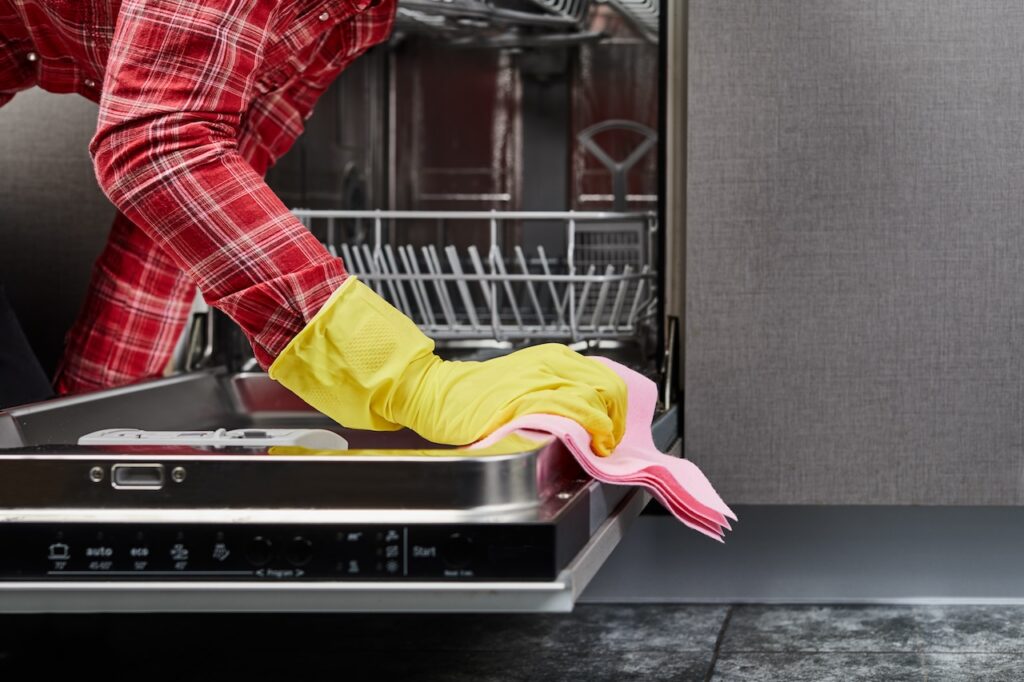
These easy maintenance tips will help extend the lifespan of your dishwasher.
Keeping your dishwasher clean doesn’t just make it smell fresh—it also helps it run more efficiently and last longer. A few simple habits can prevent grease and grime from building up again after deep cleaning. Incorporate these maintenance practices into your weekly routine to keep your appliance performing like new.
- Clean the Filter Weekly. A clogged filter can trap grease and food particles, reducing efficiency. Remove the filter, rinse it under warm water, and scrub it with a soft brush.
- Wipe Down the Door Seals. Grease often accumulates in the seals around the door. Use a damp cloth or sponge to wipe this area during routine cleaning.
- Run Hot Water Before Starting a Cycle. Before you run your dishwasher, let hot water flow from your sink faucet. This ensures the cycle starts with hot water to dissolve grease more effectively.
- Use High-Quality Detergent. Invest in a reliable dishwasher detergent that can break down grease and prevent buildup.
Enhancing Your Dishwasher’s Performance
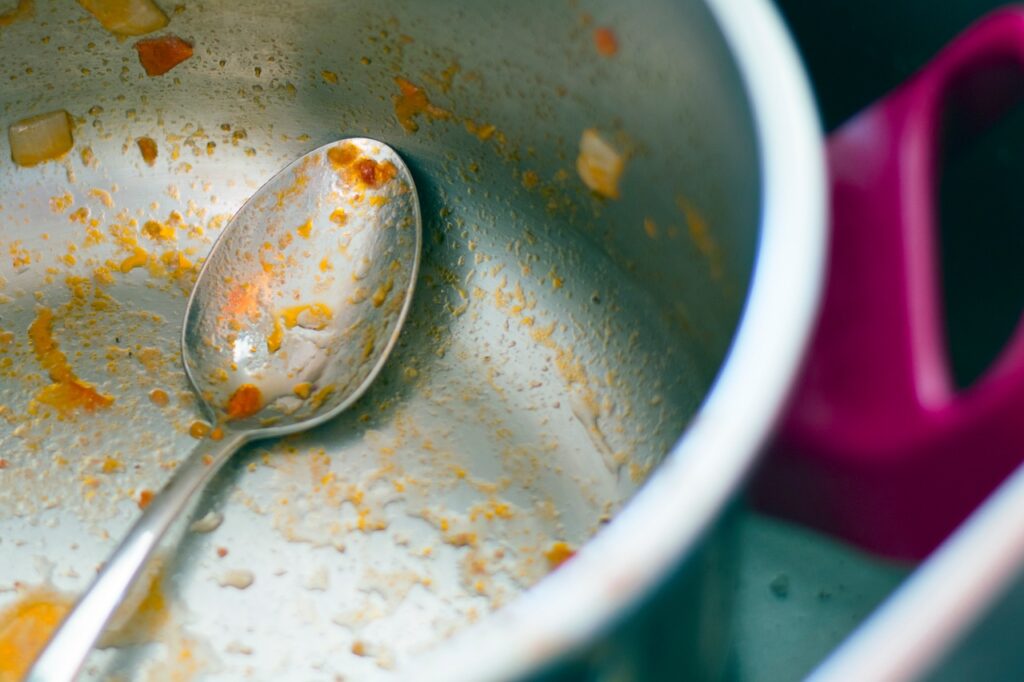
Remember to wash or wipe your dishes with grease before loading them into the dishwasher.
Once your dishwasher is clean and running efficiently, a few smart habits can keep it that way. Proper use and care not only improve cleaning results but also prevent future grease buildup. By following these performance tips, you’ll help your dishwasher work at full power with every cycle.
- Load Dishes Properly. Improperly loaded dishes block spray arms and hinder grease removal. Follow your dishwasher manual’s guidelines for loading dishes.
- Avoid Overloading. While it’s tempting to cram in as many dishes as possible, overloading reduces water circulation and cleaning efficiency.
- Inspect Spray Arms Regularly. Clogged spray arms reduce water flow. Remove them and rinse under warm water to keep them clear.
Conclusion: Keep Your Dishwasher Running Like New
Grease buildup doesn’t just affect performance—it can shorten your dishwasher’s lifespan. By following this step-by-step guide on how to get rid of grease buildup in your dishwasher, Burlington homeowners can restore efficiency, improve hygiene, and avoid costly repairs.
If buildup or water issues persist, don’t wait. Contact PuroClean of Burlington for professional cleaning, restoration, and property damage services that help protect your home and appliances.
Frequently Asked Questions
1. Can I use dish soap to clean the inside of my dishwasher?
Yes, but only a small amount. Dish soap can help remove grease manually, but avoid using it in a full cycle—it produces too many suds that can overflow.
2. How often should I deep clean my dishwasher?
Aim for once a month, especially if you cook frequently or use your dishwasher daily.
3. What’s the best cleaner for grease buildup?
A combination of white vinegar and baking soda works well. For heavy buildup, try a commercial dishwasher cleaner such as Affresh®.
4. Why do my dishes still look greasy after a cycle?
Possible causes include a dirty filter, low water temperature, poor detergent quality, or overloading the dishwasher.
5. Can grease buildup cause long-term damage?
Yes. Over time, it can clog drainage systems, affect pump efficiency, and even cause water leaks that damage surrounding cabinets or floors.
Summary
- Run vinegar + baking soda cycles monthly to prevent grease buildup.
- Scrub filters and seals weekly with warm water and mild soap.
- Avoid overloading to improve water circulation.
- Use quality detergent and run hot water before starting a cycle.
- Call PuroClean of Burlington if you notice persistent odors, clogs, or water damage.
PuroClean of Burlington 📞 Call Now: (262) 342-2226 🕒 Available 24/7 — Because disasters don’t wait.
🔗 Quick Links: Instagram | Google Reviews & Directions | Facebook