Table of Contents
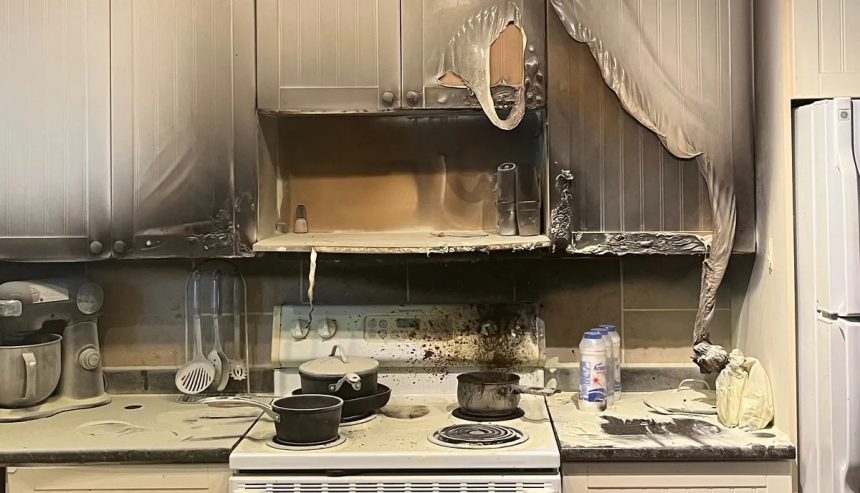
Quick Answer: Kitchen Fire Prevention Summary
Preventing a kitchen fire in Lake Geneva starts with never leaving cooking unattended, keeping flammable materials away from heat sources, maintaining clean appliances, and having proper fire suppression equipment nearby. The kitchen is the leading cause of home fires, accounting for nearly 50% of all residential blazes. By following proven safety protocols and understanding common fire hazards, homeowners can dramatically reduce their risk. If fire damage does occur, professional fire damage restoration services can restore your property to pre-loss condition quickly and safely.
Understanding Kitchen Fire Risks in Lake Geneva
Answer: Kitchen fires pose the greatest fire risk in Lake Geneva homes, with cooking equipment causing 49% of all home fires according to the National Fire Protection Association (NFPA).
The picturesque community of Lake Geneva, Wisconsin, isn’t immune to the devastating effects of kitchen fires. Whether you own a lakefront property, a historic downtown home, or a modern residence in one of the area’s growing neighborhoods, understanding kitchen fire prevention is essential for protecting your family and investment.
A kitchen fire can start in seconds but cause damage that lasts for months. Beyond the immediate flames, smoke damage, soot residue, and water damage from firefighting efforts can compromise your home’s structure and air quality. That’s where professional fire damage restoration services become invaluable.
According to the U.S. Fire Administration, cooking equipment is involved in almost half of all reported home fires. The financial impact is staggering, kitchen fires cause over $1 billion in property damage annually nationwide. For Lake Geneva homeowners, the stakes are even higher given property values and the area’s many historic homes.
The 7 Most Common Causes of Kitchen Fire in Lake Geneva
Answer: The leading causes include unattended cooking, grease fires, faulty electrical equipment, flammable materials near heat, dirty appliances, improper oil heating, and defective cooking equipment.
1. Unattended Cooking
This is the number one culprit behind kitchen fires. Walking away from a simmering pot or leaving the room while frying food creates the perfect storm for disaster.
Lake Geneva residents often entertain guests, especially during summer months. It’s easy to get distracted by conversation while cooking. Just 30 seconds of inattention can be enough for a kitchen fire to ignite.
2. Grease Fires
Grease fires are particularly dangerous because water actually makes them worse. When cooking oil reaches its smoke point (typically between 400-500°F), it can spontaneously combust.
3. Electrical Equipment Malfunctions
Faulty wiring, damaged cords, and overloaded outlets contribute to kitchen fires year-round. Older Lake Geneva homes with outdated electrical systems face heightened risk.
4. Flammable Items Too Close to Heat
Dish towels, paper towels, wooden utensils, cookbooks, and packaging materials can all ignite when placed too near stovetops or ovens.
5. Dirty Cooking Surfaces
Built-up grease on stovetops, in ovens, and inside range hoods acts as accelerant. Regular cleaning isn’t just about hygiene—it’s fire prevention.
6. Improper Oil Heating
Heating oil too quickly or using the wrong type of oil for high-heat cooking increases fire risk exponentially.
7. Defective Appliances
Malfunctioning toasters, microwaves, and other small appliances cause thousands of kitchen fires annually. The Consumer Product Safety Commission regularly issues recalls for fire-prone appliances.
7 Proven Ways to Prevent Kitchen Fire in Your Lake Geneva Home
Answer: Stay present while cooking, maintain a three-foot “kid-free zone,” keep a fire extinguisher accessible, clean regularly, monitor oil temperatures, check smoke alarms monthly, and never use water on grease fires.
1. Never Leave Cooking Unattended
This cannot be overstated. If you must leave the kitchen, turn off the burners. Set a timer as a reminder when using the oven.
Pro tip: Keep your phone out of the kitchen while cooking to minimize distractions.
2. Establish a “Kid-Free Zone”
The NFPA recommends a three-foot perimeter around the stove and oven where children and pets shouldn’t enter. This prevents accidental contact with hot surfaces and reduces the chance of someone bumping into you while handling hot cookware.
3. Install and Maintain Proper Fire Suppression Equipment
Every Lake Geneva kitchen should have:
- A Class B fire extinguisher (rated for grease fires) within easy reach
- A fire blanket for smothering small flames
- Working smoke detectors (test monthly, replace batteries twice yearly)
The National Fire Protection Association recommends placing smoke alarms both inside and outside sleeping areas.
4. Practice Grease Fire Safety
Never pour water on a grease fire—it will cause the flames to spread violently. Instead:
- Turn off the heat source immediately
- Cover the pan with a metal lid or fire blanket
- Use a Class B fire extinguisher if needed
- Evacuate and call 911 if the fire grows beyond control
5. Keep Your Cooking Area Clean
Develop these habits:
- Wipe down stovetops after each use
- Clean your oven quarterly (more often if you cook frequently)
- Degrease range hood filters monthly
- Remove grease buildup from exhaust fans
Professional fire damage restoration services often find that many kitchen fires could have been prevented with regular cleaning.
6. Wear Appropriate Clothing While Cooking
Loose sleeves, flowing scarves, and dangling jewelry can catch fire. Roll up sleeves and tie back long hair before cooking.
7. Stay Alert and Sober
According to FEMA statistics, cooking while drowsy, medicated, or intoxicated significantly increases kitchen fire risk. If you’re not fully alert, order takeout instead.
What to Do If a Kitchen Fire Starts
Answer: Stay calm, never use water on grease fires, use a fire extinguisher or lid to smother flames, evacuate if it spreads, and call 911 immediately for fires beyond your control.
Even with prevention, kitchen fires can still occur. Here’s your action plan:
For Small, Contained Fires:
- Turn off the heat source immediately
- Smother the flames with a lid or fire blanket
- Use your fire extinguisher if necessary (remember: PASS—Pull, Aim, Squeeze, Sweep)
- Leave the lid on until the pan completely cools
For Larger Fires:
- Evacuate immediately—don’t waste time trying to fight a spreading fire
- Close the door behind you to contain the fire
- Call 911 from outside the home
- Never re-enter until firefighters declare it safe
Even if you successfully extinguish a small kitchen fire, contact fire damage restoration services for a professional assessment. Smoke damage and soot can affect your home’s air quality and require specialized cleaning.
Kitchen Fire Prevention for Different Cooking Methods
Answer: Each cooking method requires specific safety measures—from monitoring stovetop temperatures to maintaining oven cleanliness and using microwaves properly.
Stovetop Safety
- Use back burners when possible to keep pots away from the edge
- Turn pot handles inward to prevent accidental spills
- Match pan size to burner size
- Never heat empty cookware
Oven Safety
- Check for forgotten items before preheating
- Use a timer for all baked goods
- Keep the oven interior clean
- Never use the oven to heat your home
Microwave Safety
- Only use microwave-safe containers
- Never microwave metal objects
- Puncture plastic wrap before heating
- Be cautious when removing hot items
Grilling (Indoor/Outdoor)
- Grill outdoors at least 10 feet from structures
- Never grill in garages or under overhangs
- Clean grease traps regularly
- Keep a fire extinguisher near outdoor grills
Special Considerations for Lake Geneva Properties
Answer: Lake Geneva’s seasonal occupancy, historic homes, vacation rentals, and waterfront properties create unique fire safety challenges requiring adapted prevention strategies.
Lake Geneva’s unique housing characteristics demand special attention:
Vacation Homes and Seasonal Properties
If your Lake Geneva property sits empty for months, ensure:
- All appliances are unplugged
- Gas lines are properly shut off
- Smoke detectors have fresh batteries before each season
- Renters receive clear kitchen safety instructions
Historic Homes
Many Lake Geneva residences date back decades or centuries. Older homes often have:
- Outdated electrical systems unable to handle modern appliances
- Wooden construction throughout (increased fire spread risk)
- Kitchens not designed for contemporary cooking equipment
Consider having a licensed electrician evaluate your kitchen’s electrical capacity, especially if you’ve added modern appliances.
Waterfront Properties
While proximity to the lake might seem like a fire safety advantage, it can complicate emergency response. Ensure your address is clearly visible from the street and keep access roads clear for fire trucks.
The Financial Impact of Kitchen Fires
Answer: Kitchen fires cost homeowners an average of $7,900 in damages, with total annual losses exceeding $1 billion nationwide, making prevention far more cost-effective than restoration.
The average kitchen fire causes approximately $7,900 in property damage, according to the Insurance Information Institute. However, extensive fires requiring complete kitchen renovation can easily exceed $50,000-$100,000.
Beyond direct property damage, consider:
- Temporary housing costs while repairs are completed
- Lost personal items (many irreplaceable)
- Increased insurance premiums following a claim
- Smoke damage extending beyond the kitchen
- Water damage from firefighting efforts
Professional fire damage restoration services can minimize costs by acting quickly to prevent secondary damage, but prevention remains the most cost-effective strategy.
Technology Solutions for Kitchen Fire Prevention
Answer: Smart smoke detectors, automatic stove shut-offs, temperature monitors, and suppression systems provide advanced protection against kitchen fires through early detection and automatic response.
Modern technology offers powerful kitchen fire prevention tools:
Smart Smoke Detectors
Devices like Nest Protect and First Alert Onelink connect to your smartphone, providing instant alerts even when you’re away from home. Some models distinguish between smoke and steam, reducing false alarms.
Automatic Stove Shut-Off Devices
Products like CookStop and FireAvert automatically cut power to your stove if:
- No motion is detected for a set period
- Smoke alarms activate
- A timer expires
These are particularly valuable for households with elderly residents or those concerned about forgetting to turn off burners.
Kitchen Fire Suppression Systems
Commercial-grade suppression systems are now available for residential use. These automatically release fire-suppressing chemicals when flames are detected.
Temperature Monitoring Systems
Smart sensors monitor cooking temperatures and alert you via smartphone if dangerous levels are reached.
The Role of Fire Damage Restoration Services
Answer: Professional fire damage restoration services provide comprehensive recovery including smoke odor removal, soot cleaning, structural repairs, content restoration, and insurance claim assistance.
Even with the best prevention practices, kitchen fires can occur. When they do, professional fire damage restoration services become essential.
What Fire Damage Restoration Services Include:
Immediate Response (24/7 availability)
- Emergency board-up and security
- Water extraction from firefighting efforts
- Temporary power restoration
Damage Assessment
- Complete property inspection
- Smoke and soot damage evaluation
- Structural integrity assessment
- Contents inventory
Smoke and Soot Removal
- Specialized cleaning of all affected surfaces
- HEPA filtration to remove airborne particles
- Thermal fogging for odor elimination
- Air scrubbing to improve air quality
Structural Cleaning and Repairs
- Wall and ceiling restoration
- Cabinet refinishing or replacement
- Flooring repair or replacement
- HVAC system cleaning
Content Restoration
- Pack-out of salvageable items
- Specialized cleaning of furniture, clothing, and personal items
- Electronics restoration
- Document and photograph recovery
Deodorization
- Industrial-grade ozone treatment
- Hydroxyl generator deployment
- Sealing of porous materials retaining odors
Why Choose Professional Fire Damage Restoration Services?
Attempting DIY fire damage cleanup rarely succeeds. Smoke particles penetrate porous materials, and improper cleaning can permanently set stains and odors.
Professional fire damage restoration services offer:
- IICRC certification and specialized training
- Industrial equipment not available to consumers
- Insurance expertise to maximize claim settlements
- Rapid response to prevent secondary damage
- Comprehensive restoration from start to finish
Insurance Considerations for Kitchen Fire Damage
Answer: Most homeowners’ policies cover kitchen fire damage, but proper documentation, immediate professional assessment, and working with experienced restoration services maximize claim success.
Understanding your coverage before disaster strikes is crucial:
What’s Typically Covered:
- Structural fire damage
- Smoke and soot damage
- Water damage from firefighting
- Temporary housing (Additional Living Expenses)
- Contents replacement
- Professional fire damage restoration services
What’s Often Excluded:
- Intentional damage
- Neglect or deferred maintenance
- Code upgrades (unless specifically covered)
- Cosmetic improvements beyond restoration
Working with Insurance:
Reputable fire damage restoration services work directly with insurance companies, providing:
- Detailed damage documentation
- Industry-standard estimates
- Direct billing arrangements
- Advocacy throughout the claims process
For Lake Geneva residents, choosing a restoration company familiar with local insurance providers streamlines the process significantly.
Emergency Preparedness: Creating a Kitchen Fire Action Plan
Answer: Develop a written plan including escape routes, meeting points, emergency contacts, equipment locations, and regular practice drills to ensure family safety during kitchen fires.
Don’t wait for an emergency to figure out your response. Create a plan now:
Your Kitchen Fire Action Plan Should Include:
- Primary and secondary escape routes from every room
- Designated outdoor meeting point (mailbox, neighbor’s driveway, etc.)
- Location of fire extinguishers and fire blankets
- Emergency contact numbers (including fire damage restoration services)
- Practice schedule (conduct fire drills twice yearly)
Post the Plan Where Everyone Can See It
Include step-by-step instructions for:
- Using a fire extinguisher
- Smothering a grease fire
- Evacuating safely
- Calling 911
Make sure everyone in your household, including babysitters and houseguests, knows the plan.
Seasonal Kitchen Fire Prevention Tips for Lake Geneva
Answer: Adjust fire prevention strategies seasonally, holiday cooking requires extra vigilance, summer grilling needs outdoor safety measures, winter demands heating appliance awareness, and spring provides inspection opportunities.
Summer Season
- Grill outdoors safely (never in garages or under decks)
- Keep windows open for ventilation during heavy cooking
- Be mindful of increased cooking during gatherings
- Ensure vacation rental guests receive safety briefings
Fall/Winter Season
- Exercise extreme caution during holiday cooking marathons
- Never leave turkey fryers unattended
- Keep space heaters away from kitchens
- Monitor increased stovetop usage during cold months
Spring Preparation
- Deep clean kitchen appliances
- Inspect and replace old fire extinguishers
- Test smoke detectors
- Schedule electrical system inspection
- Review your fire action plan with family
FAQs About Kitchen Fire Prevention
How quickly can a kitchen fire spread?
A small kitchen fire can engulf your entire kitchen in less than 30 seconds and spread throughout your home within three to five minutes. This is why immediate action and having fire damage restoration services on speed dial is crucial.
Can I use flour or baking soda to extinguish a grease fire?
Baking soda can work on very small grease fires, but you need large quantities. Flour should NEVER be used—it’s combustible and will make the fire worse. Always use a Class B fire extinguisher or smother with a metal lid.
How often should I replace my kitchen fire extinguisher?
Check your extinguisher monthly for proper pressure. Most should be professionally serviced annually and replaced every 10-12 years, even if unused. Always replace immediately after any use.
What’s the difference between smoke damage and fire damage?
Fire damage refers to direct flame contact causing charring and burning. Smoke damage occurs when combustion byproducts (soot, ash, residue) coat surfaces throughout your home—often extending far beyond the fire’s origin. Both require professional fire damage restoration services.
Should I clean up fire damage myself before professionals arrive?
No. Attempting DIY cleanup can worsen damage and complicate insurance claims. Contact fire damage restoration services immediately for proper assessment and restoration planning.
How long does kitchen fire damage restoration take?
Minor kitchen fires with limited damage may take 1-2 weeks. Extensive fires requiring structural repairs can take 2-6 months. Professional fire damage restoration services provide detailed timelines during initial assessment.
Will my homeowner’s insurance cover fire damage restoration services?
Most standard homeowners’ policies cover fire damage, including professional restoration services, temporary housing, and contents replacement. Review your specific policy and work with experienced fire damage restoration services familiar with insurance claims.
What causes that lingering smoke smell after a fire?
Smoke particles penetrate porous materials (drywall, insulation, fabrics, wood) and continue off-gassing. Only professional fire damage restoration services have equipment like ozone generators and thermal foggers to permanently eliminate smoke odors.
Can kitchen fires occur when the stove is off?
Yes. Faulty electrical wiring, malfunctioning appliances, and even spontaneous combustion of grease-soaked materials can cause fires without active cooking. Regular cleaning and maintenance are essential.
How can I tell if there’s hidden fire damage?
Professional fire damage restoration services use thermal imaging cameras and moisture meters to detect hidden damage in walls, ceilings, and HVAC systems that isn’t visible to the naked eye.
Why Lake Geneva Residents Trust PuroClean of Burlington for Fire Damage Restoration Services
When kitchen fire strikes your Lake Geneva home, you need more than just cleanup—you need comprehensive fire damage restoration services that return your property to pre-loss condition while supporting you through every step of recovery.
PuroClean of Burlington has served Lake Geneva and surrounding Wisconsin communities with:
24/7 Emergency Response
Kitchen fires don’t wait for business hours. Our team responds immediately to your call at (262) 342-2226, arriving quickly to assess damage and begin emergency mitigation.
IICRC-Certified Expertise
Our technicians hold industry-leading certifications in fire and smoke restoration, ensuring your property receives the highest standard of care. We use advanced technology including:
- Thermal imaging for hidden damage detection
- HEPA filtration systems for air quality restoration
- Industrial ozone generators for odor elimination
- Specialized soot cleaning compounds
- EPA-registered disinfectants
Veteran-Owned and Operated
As a veteran-owned company, we bring military precision, integrity, and commitment to every fire damage restoration services project. Our mission-focused approach means we don’t quit until your home is fully restored.
Seamless Insurance Coordination
We work directly with your insurance company, providing detailed documentation, industry-standard estimates, and direct billing to streamline your claim and maximize your settlement.
Comprehensive Restoration
From emergency board-up to final reconstruction, PuroClean of Burlington handles every aspect of fire damage restoration services:
- Emergency water extraction (from firefighting efforts)
- Complete smoke and soot removal
- Structural cleaning and repairs
- Content pack-out and restoration
- Permanent odor elimination
- Full kitchen reconstruction
Local Knowledge, Personal Service
Serving Lake Geneva, Kenosha County, Racine County, and Walworth County, we understand local building codes, insurance providers, and the unique challenges of restoring historic and waterfront properties.
Compassionate Support
We recognize that fire damage isn’t just about property—it’s about your home, your memories, and your peace of mind. Our team provides compassionate, professional service during one of life’s most stressful events.
Take Action Now: Protect Your Lake Geneva Home from Kitchen Fire
Summary: Kitchen fire prevention requires constant vigilance, proper equipment, safe cooking practices, and professional fire damage restoration services on standby. The leading causes—unattended cooking, grease fires, and electrical malfunctions—are all preventable through the strategies outlined in this guide.
By implementing the seven prevention methods discussed, maintaining working fire suppression equipment, keeping your cooking area clean, and never leaving cooking unattended, you dramatically reduce your kitchen fire risk. Remember that even small fires can cause extensive smoke damage requiring professional intervention.
Lake Geneva homeowners should prioritize fire safety year-round, adapting strategies for seasonal occupancy patterns, historic construction, and the area’s unique property characteristics. Modern technology like smart smoke detectors and automatic shut-off devices provides additional layers of protection.
Should disaster strike despite your best efforts, immediate professional response minimizes damage and accelerates recovery. Fire damage restoration services aren’t just about cleanup—they’re about comprehensive restoration, insurance advocacy, and getting your life back to normal.
Don’t wait for disaster to strike. Take these steps today:
- Install or replace smoke detectors
- Purchase a Class B fire extinguisher
- Clean your kitchen thoroughly
- Create a family fire action plan
- Save PuroClean of Burlington’s number: (262) 342-2226
Your kitchen is the heart of your home. Protect it with knowledge, preparation, and the confidence that expert fire damage restoration services are just a phone call away.
For immediate assistance with fire damage in Lake Geneva or surrounding areas, Call us today. Visit our website at www.puroclean.com/burlington-wi-puroclean-burlington to learn more about our comprehensive fire damage restoration services.
PuroClean of Burlington 📞 Call Now: (262) 342-2226 🕒 Available 24/7 — Because disasters don’t wait.
🔗 Quick Links: Instagram | Google Reviews & Directions | Facebook | Pinterest