Table of Contents
Terrazzo floors are known for their elegance, durability and timeless charm. But even the strongest surfaces have weaknesses — and one of terrazzo’s biggest threats is water damage.
Whether from flooding, plumbing leaks, or moisture trapped beneath the surface, terrazzo floor water damage can cause discoloration, cracks and long-term structural problems if not handled quickly.
In this expert guide from PuroClean of Burlington, we’ll walk you through how water affects terrazzo floors, how to spot early warning signs and how to restore and protect your investment.
What Causes Water Damage on Terrazzo Floors?

Though highly resilient, the cement or epoxy matrix can absorb water over time.
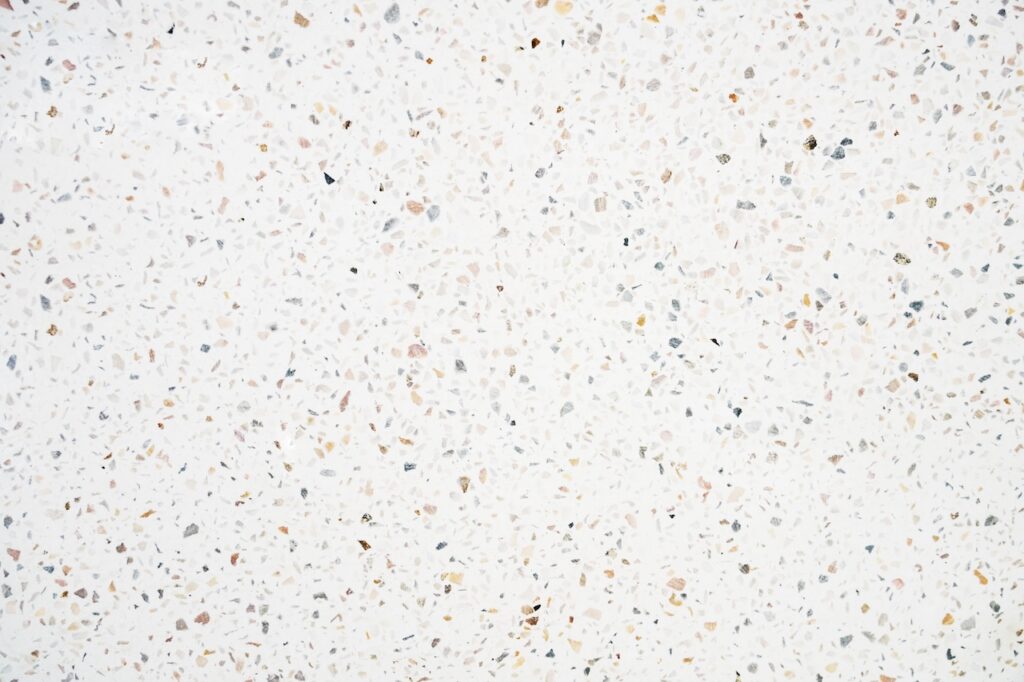
Terrazzo is a composite material made from marble, granite, glass, or quartz chips bound with a cement or epoxy base. While extremely durable, terrazzo is not completely waterproof. Over time, moisture can penetrate the surface, especially if the sealant has worn down.
When water seeps into terrazzo, it can cause stains, efflorescence (a white chalky residue), or even structural deterioration beneath the floor. Common causes of terrazzo floor water damage:
- Flooding: Basement or ground-level floods can saturate terrazzo, especially through cracks or seams.
- Leaking plumbing: Hidden leaks beneath the surface can gradually damage the floor from below.
- High humidity: In Burlington’s humid summers, moisture buildup can lead to mold growth and discoloration.
- Standing water: Small puddles left on terrazzo for long periods can weaken the surface layer.
- Improper cleaning: Overuse of acidic or abrasive cleaners can erode the protective seal, allowing moisture to seep in.
While terrazzo is built to last, water intrusion can quietly compromise its strength over time — making early detection critical.
How to Identify Water Damage on Terrazzo Floors
Recognizing terrazzo floor water damage early can save you from expensive repairs later. Here are the most common warning signs:
- Discoloration or Staining. Water exposure can cause dull, dark, or discolored patches that look different from the rest of the floor. In Burlington’s older homes, this is often mistaken for natural wear — but it usually signals trapped moisture.
- Cracks and Surface Separation. Prolonged exposure to water weakens terrazzo’s binding materials, leading to hairline cracks or larger fractures. These cracks can spread quickly if ignored, especially in high-traffic areas.
- Bubbling or Warping. In severe cases, especially after flooding, moisture beneath the terrazzo can cause the floor to lift, warp, or bubble. This is a sign that the subfloor may also be damaged.
- Mold and Mildew Growth. A musty smell, especially near baseboards or corners, often indicates mold developing beneath or around the terrazzo. If you see white or green spots, professional mold remediation is necessary.
Steps to Fix Water Damage on Terrazzo Floors
If your terrazzo floors have been exposed to moisture, acting quickly can make all the difference. Follow these steps to restore them safely and effectively.
Dry the Area Thoroughly

It’s crucial to dry the terrazzo thoroughly before moving on to repairs.
The first step in repairing terrazzo floor water damage is eliminating all moisture. Start by locating and fixing the source of the water — whether it’s a plumbing leak, floodwater, or humidity issue.
Use industrial fans, dehumidifiers and proper ventilation to thoroughly dry the affected area. Avoid applying heat directly to terrazzo, as rapid temperature changes can cause the material to crack.
Assess the Extent of the Damage
Once the area is dry, inspect the floor carefully. If the damage is minor, you may only need to clean and reseal it. However, if you notice large cracks, discoloration, or structural warping, it’s best to contact a professional restoration company like PuroClean of Burlington.
Their technicians use advanced moisture meters and infrared imaging to detect hidden water pockets that might not be visible to the eye.
Clean and Remove Stains
To address surface discoloration, use a pH-neutral terrazzo cleaner designed for natural stone or cement-based floors. Avoid bleach, vinegar, or acidic solutions, as they can erode the terrazzo surface.
For stubborn stains, professionals can use specialized cleaning agents and polishing compounds to restore the floor’s uniform appearance.
Repair Cracks

Cracks in your floor can cause water to seep in and cause even more damage.
Cracks in terrazzo can allow water to penetrate deeper layers. For small cracks, apply a terrazzo patching compound matched to your floor’s color. Once the compound dries, sand it lightly to blend it with the surrounding area.
If the cracks are extensive or structural, you’ll need professional repair. Restoration experts can rebind damaged areas, level uneven surfaces and reinforce the underlying structure to prevent future deterioration.
Polish the Floor
After cleaning and repairs, polishing the terrazzo will restore its natural shine. Professional polishing uses diamond grinding pads to smooth the surface and enhance its gloss. This process also removes light etching or dull spots caused by moisture.
Polishing also serves a functional purpose beyond aesthetics — it helps close micro-pores in the terrazzo’s surface, making it less susceptible to future water absorption. For Burlington homeowners, where temperature and humidity fluctuate seasonally, periodic polishing can extend the life of terrazzo floors and prevent minor scratches or stains from turning into deeper damage.
Seal the Floor
Sealing is the most important step in preventing future terrazzo floor water damage. A high-quality terrazzo sealer creates a moisture-resistant barrier, protecting the surface from spills, humidity and cleaning chemicals.
Sealers act as a defensive layer, preventing water, oils and dirt from penetrating deep into the terrazzo matrix. Depending on the product used, sealers may last between two and five years before reapplication is needed.
Preventing Future Water Damage on Terrazzo Floors
Once restored, maintaining your terrazzo floors is the best way to keep them beautiful and water-resistant. Here are effective ways to prevent future damage:
- Fix leaks immediately. Even small plumbing leaks can cause hidden moisture buildup under terrazzo.
- Control indoor humidity. Use dehumidifiers in basements or bathrooms, especially during Wisconsin’s humid summer months.
- Use mats in wet zones. Place absorbent mats near sinks, entryways and showers to catch water before it reaches the floor.
- Avoid standing water. Wipe up spills promptly — terrazzo is porous and prolonged moisture can seep below the surface.
- Schedule regular maintenance. Have your terrazzo floors professionally inspected and resealed by trusted experts like PuroClean of Burlington.
Preventive care not only reduces the risk of damage but also extends the lifespan of your floors, keeping them polished and pristine for decades.
When to Call a Professional
DIY repairs may work for small cracks or minor discoloration, but serious terrazzo floor water damage requires professional expertise.
If you notice mold growth, warped sections, or recurring discoloration, contact a certified water damage restoration company. Professionals have the tools and training to assess subfloor damage, dry hidden moisture and restore terrazzo safely without causing further harm.
PuroClean of Burlington offers 24/7 emergency water damage restoration across Burlington, Waterford, Elkhorn and East Troy, WI. Our team uses advanced drying systems, moisture detection technology and eco-friendly cleaning solutions to restore terrazzo and other hard-surface flooring.
FAQs About Terrazzo Floor Water Damage
Q1: How long does it take to repair terrazzo floor water damage?
Minor repairs may take a few hours, while extensive restoration involving drying, polishing and sealing can take several days, depending on moisture levels.
Q2: Can terrazzo floors be fully restored after severe water damage?
Yes — professional restoration can often return terrazzo to like-new condition, provided the damage hasn’t reached the subfloor.
Q3: Does insurance cover terrazzo floor water damage?
Most homeowners’ policies cover sudden and accidental water damage (like a burst pipe), but not gradual leaks. Check your water damage insurance policy for details.
Q4: How often should terrazzo floors be resealed?
Typically every 2–3 years, or sooner if the surface starts to dull or absorb water easily.
Q5: What’s the best way to prevent terrazzo water damage in Burlington’s climate?
Keep humidity levels between 40–50%, repair leaks immediately and schedule annual professional inspections during the spring thaw or post-winter season.
PuroClean of Burlington 📞 Call Now: (262) 342-2226 🕒 Available 24/7 — Because disasters don’t wait.
🔗 Quick Links: Instagram | Google Reviews & Directions | Facebook