Table of Contents
Frozen pipes in Kenosha are primarily caused by inadequate pipe insulation in exterior walls combined with Lake Michigan’s severe wind chill effects that dramatically lower effective temperatures against building exteriors. Kenosha’s location directly on Lake Michigan creates sustained winds that can make 10-degree temperatures feel like minus 15, pulling heat rapidly from exterior walls where water supply lines run.
Secondary causes include older home construction predating modern insulation codes, unheated crawl spaces and garages with exposed plumbing, rapid temperature drops from lake-effect weather systems that freeze pipes before homeowners implement protective measures, thermostat setbacks during vacations, and closed interior doors blocking heat circulation to vulnerable bathroom and kitchen plumbing. When temperatures drop below 20 degrees Fahrenheit with sustained winds above 15 mph, inadequately insulated pipes in Kenosha homes can freeze within 6 to 8 hours.
Every winter, Kenosha homeowners ask the same question after hearing that ominous drip in the walls or discovering water pooling on their kitchen floor: What actually causes frozen pipes in Kenosha, and why does it seem to happen here more than in other Wisconsin cities?
The answer is not as simple as “it got cold.” Frozen pipes in Kenosha result from a specific combination of factors unique to this Lake Michigan coastal community. Understanding these causes is the first step in preventing the thousands of dollars in water damage that burst pipes create every winter.
This guide explains exactly what causes frozen pipes in Kenosha, why Lake Michigan makes the problem worse, which homes are most vulnerable, and the proven prevention strategies that actually work in Kenosha’s challenging winter climate.
The Primary Cause: Inadequate Insulation in Kenosha’s Older Homes
Short answer: The number one cause of frozen pipes in Kenosha is inadequate or missing insulation in exterior walls, crawl spaces, attics, and rim joist areas where water supply lines run. Kenosha’s housing stock includes thousands of homes built before 1980, when building codes required minimal insulation, leaving pipes vulnerable to Wisconsin’s extreme winter temperatures.
Here is why insulation matters more than anything else when understanding what causes frozen pipes in Kenosha:
How Cold Actually Freezes Pipes
Water freezes at 32 degrees Fahrenheit, but pipes generally do not freeze until the ambient temperature around them drops below 20 degrees for several hours. Three factors normally prevent freezing:
Flowing water generates friction heat. As water moves through pipes, friction creates small amounts of heat that help maintain the temperature above freezing.
Pipes absorb ambient heat. In heated spaces, pipes conduct warmth from the surrounding air, maintaining a temperature above freezing even when exterior temperatures drop.
Insulation slows heat transfer. Properly insulated pipes retain internal heat longer when temperatures plunge suddenly.
When Kenosha temperatures drop to zero or below, which happens 10 to 20 times every winter, inadequately insulated pipes lose heat faster than these protective mechanisms can compensate. Water flow stops during overnight hours. Ambient heat cannot reach pipes buried in uninsulated wall cavities. Ice forms.
Kenosha’s Vulnerable Housing Stock
According to U.S. Census data, approximately 65 percent of Kenosha’s housing was built before 1980. Many homes were constructed when:
Insulation standards were minimal. Building codes from the 1950s through the 1970s required far less wall and ceiling insulation than today’s standards.
Energy was cheap. Builders prioritized construction speed and cost over thermal efficiency, leaving wall cavities partially insulated or empty.
Exterior wall plumbing was standard practice. Bathrooms and kitchens built on exterior walls often have supply lines running through uninsulated or poorly insulated wall cavities.
Crawl space construction was common. Many Kenosha homes have crawl spaces with vented foundations that expose pipes to near-outdoor temperatures all winter.
The Most Vulnerable Pipe Locations
Understanding what causes frozen pipes in Kenosha means knowing where they freeze most often:
Exterior wall cavities: Bathrooms, kitchens, and laundry rooms on exterior walls facing Lake Michigan winds are prime freeze locations.
Crawl spaces: Vented crawl spaces expose pipes to outdoor temperatures. In older Kenosha homes, these spaces often lack insulation entirely.
Unheated garages: Water lines serving garage utility sinks or running through garage ceiling spaces lose heat rapidly, especially when garage doors open frequently.
Attic spaces: Supply lines serving second-floor bathrooms or HVAC components traveling through unconditioned attics freeze when temperatures plunge.
Rim joists: The space where foundation meets floor framing is chronically under-insulated in older construction, creating a thermal bridge where cold penetrates directly to pipes.
Lake Michigan’s Unique Impact on Frozen Pipes in Kenosha
Short answer: Lake Michigan creates severe wind chill conditions that dramatically accelerate heat loss from buildings, rapid temperature swings from lake-effect weather systems that catch homeowners unprepared, and sustained winter winds that maintain freezing conditions longer than inland Wisconsin communities experience. These factors make frozen pipes in Kenosha more common and more severe than similar temperatures would produce in non-coastal locations.
Kenosha is not just another Wisconsin city. Its location on Lake Michigan creates specific conditions that answer the question “what causes frozen pipes in Kenosha” differently than for inland communities:
Severe Wind Chill Effects
Kenosha sits directly on Lake Michigan’s western shore. Winter winds blowing off the lake typically range from 15 to 30 mph, with gusts exceeding 40 mph during storms. These sustained winds do not just make it feel colder outside. They actively strip heat from building exteriors through forced convection.
The physics of wind chill on buildings: When 20 mph winds hit your home at 10 degrees Fahrenheit, the effective temperature against your exterior walls drops to approximately minus 10 degrees. This is not just a “feels like” number. It represents actual accelerated heat loss from your home’s exterior surfaces.
For pipes in exterior walls, this wind chill effect is devastating. A pipe that might survive 10-degree still air for 12 hours can freeze in 6 to 8 hours when 20 mph winds maintain constant thermal pressure against the wall cavity where the pipe runs.
Lake-Effect Temperature Variability
Lake Michigan creates rapid temperature fluctuations that are a major factor in what causes frozen pipes in Kenosha:
Morning at 28 degrees, evening at minus 5: Lake-effect weather systems can drop temperatures 30 to 40 degrees in 8 to 12 hours, giving homeowners no warning to implement protective measures before pipes freeze.
Wind direction shifts: When winds shift from southwesterly (warmer) to northwesterly (colder), temperatures can plunge within hours. Pipes freeze before homeowners realize how cold it actually got.
Lake ice coverage effects: Early winter, before Lake Michigan freezes, produces more temperature variability. Late winter, after ice coverage develops, creates more sustained extreme cold periods.
Sustained Cold Periods
Unlike inland Wisconsin communities, where cold snaps might last 2 to 3 days before moderating, Kenosha’s lake position can lock in bitter cold for 5 to 7 days or longer when high-pressure systems stall over the Great Lakes. This sustained cold gives pipes no recovery period, making frozen pipes in Kenosha more likely during extended cold events.
Higher Ambient Moisture
Lake Michigan creates higher atmospheric moisture compared to inland areas. While this makes winter air feel less dry, it also increases thermal conductivity through building materials. Heat escapes through exterior walls faster in humid conditions, making inadequately insulated pipes even more vulnerable to freezing.
The 7 Secondary Causes of Frozen Pipes in Kenosha
Short answer: Beyond inadequate insulation and Lake Michigan effects, frozen pipes in Kenosha result from thermostat setbacks below 55 degrees during vacations, closed interior doors blocking heat to bathrooms, power outages during winter storms leaving homes without heat, failed heating systems going unnoticed overnight, clogged gutters creating ice dams that cool exterior walls, insufficient heat tape maintenance, and homeowners starting drip prevention too late after pipes have already begun freezing.
1. Vacation Thermostat Setbacks
Many Kenosha homeowners lower their thermostats to 50 to 55 degrees when traveling to save energy. This seems reasonable, but creates perfect conditions for frozen pipes in Kenosha when cold snaps coincide with absences.
The problem: Interior spaces may stay at 50 degrees, but exterior wall cavities, crawl spaces, and attics can drop 20 to 30 degrees below the interior temperature. Pipes in these locations freeze even when your living space feels warm enough.
The solution: Never set thermostats below 55 degrees during winter travel. Better yet, maintain 60 to 65 degrees for complete protection. The energy cost difference is minimal compared to water damage restoration costs.
2. Closed Interior Doors
Closing bedroom, bathroom, or laundry room doors overnight blocks heated air circulation. The room temperature can drop 10 to 20 degrees below the rest of your home. If that room contains exterior wall plumbing, you have created ideal conditions for frozen pipes in Kenosha.
The problem: Without heat circulation, rooms with exterior walls reach temperatures far below the thermostat setting. Pipes in these rooms freeze while the rest of your home remains comfortable.
The solution: Keep interior doors open during extreme cold, especially for rooms with exterior wall plumbing. Accept the minor heating efficiency loss to prevent pipe freeze damage.
3. Power Outages
Wisconsin winter storms frequently cause power outages lasting hours to days. Without electricity, furnaces stop even if they have gas or oil fuel. Homes lose heat rapidly, and frozen pipes in Kenosha begin forming within 4 to 6 hours at zero degrees or below.
The problem: You may be unaware that the power failed if the outage occurs overnight or while you are away. By the time you discover it, pipes are already frozen or have burst.
The solution: Install temperature monitoring systems with cellular connectivity that alert you to dangerous drops. Maintain emergency heating sources like generators. For extended outages, drain water systems to prevent freeze damage.
4. Failed Heating Systems
Furnaces fail most often during the coldest weather when they run continuously. If your heating system quits at 2 AM and you do not discover it until 7 AM, frozen pipes in Kenosha are almost guaranteed during sub-zero temperatures.
The problem: Five hours without heat when temperatures are at or below zero is sufficient for pipes to freeze and burst, especially in vulnerable exterior wall locations.
The solution: Schedule annual furnace maintenance before winter. Consider smart thermostats with alerts for temperature drops. Install backup heating sources for critical areas.
5. Ice Dams and Exterior Wall Cooling
Clogged gutters in Kenosha homes create ice dams that hold frozen mass against exterior walls for weeks. This frozen barrier conducts cold directly through walls to interior spaces where pipes run.
The problem: Ice dams maintain sub-freezing temperatures against specific wall sections, creating localized cold zones where pipes freeze even when general outdoor temperatures are not extreme.
The solution: Clean gutters before winter. Address ice dams immediately when they form. Install heat cables in chronic problem areas. Improve attic insulation to prevent heat loss that creates ice dams.
6. Inadequate Heat Tape
Many Kenosha homeowners install heat tape on vulnerable pipes but use products inadequate for Wisconsin winters. Standard heat tape fails when temperatures drop below minus 10 degrees, exactly when you need it most.
The problem: Homeowners believe heat tape protects their pipes, but inferior products or failed installations provide false security. Pipes freeze despite heat tape presence.
The solution: Use self-regulating heat tape rated for your coldest expected temperatures (minus 20 to minus 30 degrees). Test annually before winter. Replace every 5 to 7 years regardless of apparent condition. Ensure proper installation with correct spacing and coverage.
7. Starting Drip Prevention Too Late
The classic advice to let faucets drip works, but only if started before pipes begin freezing. Many homeowners wait until they hear cold weather forecasts, then start dripping faucets that evening. By then, pipes may already be starting to freeze.
The problem: Forecasts predict low temperatures, but pipes start freezing hours before those lows occur based on wind chill and location-specific conditions. Starting drips after pipes have begun freezing is ineffective.
The solution: Start dripping faucets when temperatures are forecast to drop below 15 degrees, not when they are already there. Set temperature alerts on your phone. Begin prevention 6 to 8 hours before forecast lows.
Recognizing the Warning Signs: How to Know If Frozen Pipes in Kenosha Are Developing
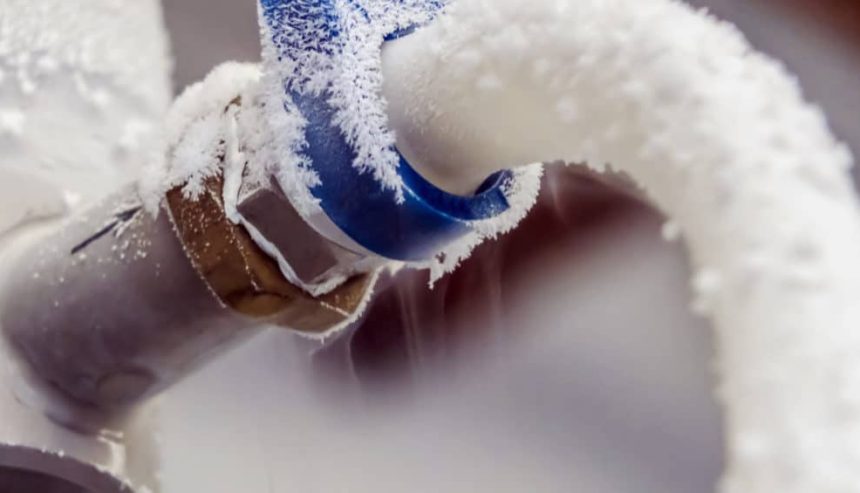
Warning signs include reduced water flow or pressure from specific faucets indicating partial freezing, frost visible on exposed pipes in basements or crawl spaces, unusual sounds like banging or gurgling from plumbing as ice formation restricts flow, foul odors from drains indicating frozen vent pipes backing up sewer gas, and interior walls or ceilings feeling unusually cold to the touch near plumbing fixtures.
Catching frozen pipes in Kenosha before they burst saves thousands in water damage:
1. Reduced Water Pressure
If you turn on a faucet and get only a trickle instead of full flow, a pipe somewhere between your main water line and that fixture is partially frozen. This is your critical warning. Ice is forming, but has not completely blocked the pipe yet.
What to do: Immediately implement all protective measures. Open cabinets, increase the heat, and start dripping from other faucets. Begin gentle thawing attempts if you can access the affected pipe safely. Call a plumber if the flow does not improve within 30 minutes.
2. Frost Formation on Visible Pipes
If you see frost on pipes in your basement, crawl space, or under sinks, those pipes are at or below 32 degrees Fahrenheit. They are minutes to hours away from complete freezing.
What to do: Apply heat immediately using space heaters, heat lamps, or hair dryers. Never use open flames or high-temperature sources. Increase room temperature. If frost persists or reforms after melting, call professionals.
3. Strange Plumbing Noises
Banging, clanging, gurgling, or whistling sounds from pipes when you use water indicate ice formation, creating pressure changes and flow restrictions. Air cannot escape properly, creating turbulence.
What to do: These sounds mean freezing is occurring. Locate the source if possible and apply heat to affected sections. Increase overall home temperature. Keep faucets slightly open to maintain flow.
4. Sewer Gas Odors
If you smell sewage in your home during extreme cold, frozen vent pipes may be preventing proper venting, causing gases to back up through drains. This indicates your plumbing system is experiencing freeze conditions.
What to do: Open windows for ventilation. Do not use matches or lighters as sewer gas is flammable. Increase heat to vulnerable areas. Contact a plumber to assess the vent system.
5. Cold Interior Walls
If walls containing plumbing feel noticeably colder than other walls when you touch them, cold air is penetrating the wall cavity where your pipes run. This precedes frozen pipes in Kenosha by hours.
What to do: Open cabinets, allowing room heat to reach pipes. Place space heaters near cold walls. Increase the thermostat 5 degrees. Monitor throughout the night.
Emergency Prevention: What to Do When Kenosha Temperatures Plunge
Short answer: When Kenosha temperatures drop below 10 degrees with sustained winds, immediately open all under-sink cabinet doors, start dripping all faucets on exterior walls, maintain indoor temperature at 65 degrees minimum, open all interior doors for heat circulation, disconnect and drain garden hoses, wrap exposed pipes with towels or blankets, and check vulnerable areas every 3 to 4 hours throughout extreme cold periods.
Immediate Actions for Tonight’s Cold Snap
The forecast shows minus 5 degrees with 20 mph winds? Do this right now:
- Open all cabinet doors under sinks (kitchen, bathrooms, laundry rooms)
- Start a steady drip from both hot and cold faucets on all exterior walls
- Increase the thermostat 5 to 8 degrees above the normal setting
- Open every interior door in your home, even if it seems wasteful
- Check basement and crawl space temperatures
- Place portable heaters in rooms with vulnerable pipe locations
- Set alarms to check water flow every 3 to 4 hours overnight
- Ensure garage doors remain closed to protect pipes in attached garages
Why These Steps Work
Open cabinets: Allow warm room air to circulate around pipes trapped in cabinet enclosures.
Dripping faucets: Moving water generates friction heat and prevents pressure buildup between blockages. Even a trickle prevents freezing in moderately vulnerable locations.
Increased temperature: Raises the temperature in wall cavities where pipes run, providing additional thermal buffer against extreme cold.
Open doors: Ensures heated air reaches all rooms, preventing localized cold zones.
Frequent monitoring: Allows you to catch problems immediately if the flow decreases, enabling intervention before complete freezing occurs.
What to Do When Frozen Pipes in Kenosha Burst
Short answer: Shut off main water supply immediately, turn off electricity if water contacts electrical outlets or fixtures, begin extracting standing water with towels and wet vacuum, document all damage with photos before cleanup, call professional water damage restoration within 24 hours, contact insurance company to file claim, do not attempt to thaw pipes that have already burst, and never use open flames or extreme heat sources on frozen plumbing.
Emergency Response Protocol
Step 1: Stop the Water Flow (First 30 Seconds)
Locate and shut off your main water valve. Most Kenosha homes have the main shut-off near where the water line enters the house, typically in the basement or utility room. Turn it clockwise to close. Every second counts when burst pipes release 10 to 15 gallons per minute.
Step 2: Electrical Safety (First 2 Minutes)
If water is near electrical outlets, light fixtures, appliances, or panel boxes, shut off electricity at the main breaker. Do not attempt this if you must walk through standing water to reach the panel. Call an electrician instead.
Step 3: Begin Water Extraction (First 30 Minutes)
Use towels, mops, and wet vacuums to remove as much standing water as possible. The faster you extract water, the less damage occurs to flooring, drywall, insulation, and belongings. Wring towels outside or into buckets, not into drains that may be frozen.
Step 4: Contact Professional Water Damage Restoration (Within 1 Hour)
Frozen pipes in Kenosha that burst require professional water damage restoration to prevent permanent damage and mold growth. Professionals provide:
- Industrial water extraction removes all standing water
- Thermal imaging detects hidden moisture in walls and floors
- Commercial structural drying equipment
- Mold prevention protocols
- Insurance documentation and claim support
- Complete restoration, including repairs
Step 5: Notify Insurance Company (Within 24 Hours)
Contact your homeowners insurance company to file a claim. Most policies cover sudden and accidental water damage from burst pipes. Document everything before cleanup begins to support your claim.
Long-Term Solutions: Preventing Frozen Pipes in Kenosha Permanently
Short answer: Permanent prevention requires insulating all accessible pipes in exterior walls, crawl spaces and attics, sealing air leaks in rim joists and sill plates, installing self-regulating heat tape on chronically vulnerable pipes, adding insulation to exterior walls during renovations, relocating pipes away from exterior walls when possible, enclosing and insulating crawl spaces, upgrading to smart monitoring systems, and scheduling professional winterization for vacant properties.
Before Next Winter
Insulation Projects:
- Insulate all accessible pipes in basements, crawl spaces, and attics with foam pipe insulation
- Add spray foam insulation to rim joist areas, preventing cold air infiltration
- Insulate exterior walls during any renovation projects
- Install vapor barriers in crawl spaces and ensure proper insulation
Permanent Protection Systems:
- Install self-regulating heat tape on pipes that freeze repeatedly
- Consider pipe relocation during renovations, moving supply lines to interior walls
- Upgrade to smart home systems with temperature monitoring and alerts
- Install automatic water shut-off systems that detect leaks and stop water flow
Preventive Maintenance:
- Schedule annual heating system maintenance before winter
- Clean and repair gutters, preventing ice dam formation
- Seal air leaks around windows, doors, and foundation penetrations
- Test sump pumps and backup systems before winter
FAQs: Frozen Pipes in Kenosha
At what temperature do frozen pipes in Kenosha typically occur?
Pipes typically freeze when temperatures drop below 20 degrees Fahrenheit for 6 hours or longer. However, Kenosha’s wind chill from Lake Michigan means pipes in vulnerable locations can freeze at higher air temperatures when winds are strong. Sustained 20 mph winds can freeze poorly insulated pipes when the air temperature is only 15 degrees.
Does leaving cabinet doors open really prevent frozen pipes?
Yes, for pipes in cabinets against exterior walls. Opening doors allows warm room air to circulate pipes that would otherwise be trapped in cold cabinet enclosures. This is one of the most effective free prevention methods available.
Should I shut off my water before winter vacation?
Only if you can completely drain your system, including water heater and traps. Otherwise, leave water on and maintain heat at 60 degrees minimum. Partially drained systems can still have residual water that freezes and causes damage.
Can frozen pipes thaw without bursting?
Yes, many frozen pipes thaw naturally as temperatures rise without bursting. The danger occurs when ice blockages create pressure that exceeds pipe strength. Slow, natural thawing is safer than rapid thawing attempts.
Does homeowners insurance cover frozen pipe damage in Kenosha?
Most policies cover sudden and accidental water damage from burst pipes, including frozen pipes in Kenosha, provided you maintain reasonable heat in your home. If you turned off the heat or let your home freeze while vacant, claims may be denied.
How much does burst pipe water damage restoration cost?
Costs range from $2,000 to $10,000 for typical residential burst pipe incidents requiring water extraction, structural drying, and minor repairs. Extensive damage requiring flooring replacement, drywall reconstruction, or mold remediation can exceed $20,000 to $50,000.
PuroClean of Burlington: Emergency Frozen Pipe Water Damage Restoration Serving Kenosha
When frozen pipes in Kenosha burst, immediate professional response determines whether you face minor repairs or major reconstruction. PuroClean of Burlington provides 24/7 emergency water damage restoration services throughout Kenosha, Burlington, Racine, and southeastern Wisconsin.
Our Frozen Pipe Emergency Services:
- Immediate 24/7 response within 1 to 2 hours of your call
- Emergency water extraction, removing all standing water
- Thermal imaging moisture detection finds hidden water damage
- Commercial structural drying with industrial dehumidifiers and air movers
- Complete mold prevention protocols
- Damage documentation supporting insurance claims
- Direct insurance billing and claim coordination
- Complete restoration, including reconstruction
- Emergency board-up and tarping services if needed
As an IICRC-certified, veteran-owned company, we understand the urgency of frozen pipe emergencies. Our team responds immediately, extracts water quickly, dries structures completely within 3 to 5 days, prevents mold growth, and restores your home to pre-loss condition.
We work directly with your insurance company, ensuring your claim is filed properly and processed efficiently. Our documentation meets insurance requirements, maximizing your claim settlement.
Frozen Pipes Burst in Kenosha? Emergency Help Available 24/7.
PuroClean of Burlington: Water Damage Restoration Experts
(262) 342-2226
Immediate Response Available Now
Serving Kenosha, Burlington, Racine & All Southeastern Wisconsin
Summary: Understanding and Preventing Frozen Pipes in Kenosha
What causes frozen pipes in Kenosha comes down to inadequate pipe insulation in older homes combined with Lake Michigan’s severe wind chill effects. Sustained winds off the lake dramatically lower effective temperatures against building exteriors, pulling heat from exterior walls where water supply lines run.
Secondary factors, including thermostat setbacks, closed interior doors, power outages, failed heating systems, ice dams, inadequate heat tape, and late drip prevention, compound the problem. Warning signs like reduced water flow, frost on pipes, strange sounds, sewer odors, and cold walls provide critical advance warning before pipes burst.
Emergency prevention when temperatures plunge requires opening cabinets, dripping faucets, maintaining a 65-degree minimum heat, opening all interior doors, and monitoring vulnerable areas every few hours. When pipes do burst, immediate water shut-off, professional restoration contact within hours, and proper insurance documentation protect your home and finances.
Long-term prevention through proper insulation, heat tape installation, air leak sealing, and smart monitoring systems provides permanent protection against frozen pipes in Kenosha.
For 24/7 emergency response to burst pipe water damage in Kenosha, call PuroClean of Burlington at (262) 342-2226. We provide immediate help, ensuring your home is dried completely, damage is minimized, and restoration returns your property to pre-loss condition.
PuroClean of Burlington 📞 Call Now: (262) 342-2226 🕒 Available 24/7 — Because disasters don’t wait.
🔗 Quick Links: Instagram | Google Reviews & Directions | Facebook | Pinterest