 PuroClean of Burlington
Table of Contents
Dishwasher flooding and grease clogs occur when accumulated cooking fats, oils, and food residue block drain lines, causing water to back up and overflow onto kitchen floors during wash cycles. Unlike simple leaks, grease-related flooding happens suddenly and releases large volumes of water that can damage flooring, cabinets, and subflooring, and create hidden moisture problems leading to mold growth. Warning signs include slow draining, gurgling sounds, standing water in the dishwasher after cycles, and greasy water backing up through sink drains. Immediate response requires shutting off the dishwasher, turning off the water supply, extracting standing water, and calling professional water damage restoration services within 24 hours to prevent permanent damage and mold development.
You come home to find water pooling across your kitchen floor. Your dishwasher door is closed, the cycle is complete, but somehow gallons of water have escaped and are now soaking into your hardwood flooring, seeping under cabinets, and spreading toward your living room. When you open the dishwasher, you find it still full of standing, greasy water that never drained.
This is a dishwasher flooding, grease clog disaster, and it is one of the most damaging appliance failures that Burlington, Kenosha, and Racine homeowners face. Unlike a slow leak that gives warning signs over weeks, dishwasher flooding grease incidents happen suddenly, release massive amounts of water quickly, and often occur when nobody is home to catch it early.
This guide explains exactly how dishwasher flooding and grease clogs develop, the warning signs you should never ignore, immediate emergency response steps, and how to prevent this expensive disaster from happening to your home.
How Dishwasher Flooding Grease Clogs Actually Develop
Short answer: Dishwasher flooding grease clogs form when cooking fats, oils, and food particles accumulate in drain lines, garbage disposals, and dishwasher filters faster than water flow can remove them. Grease solidifies as it cools, narrowing drain passages until they become completely blocked. When the dishwasher attempts to drain during a cycle, water has nowhere to go and backs up, eventually overflowing onto your kitchen floor.
Understanding the progression helps you recognize warning signs before catastrophic dishwasher flooding occurs.
The Grease Accumulation Process
Every time you run your dishwasher, small amounts of cooking grease, oil, and fat pass through the machine. In Burlington homes where hard water is common, these fats combine with mineral deposits to create an especially stubborn coating inside drain lines.
Stage 1: Initial Buildup (Weeks 1 to 4)
Thin layers of grease coat the interior of drain lines, garbage disposal connections, and dishwasher pump housings. Drainage remains normal, and homeowners notice no issues.
Stage 2: Narrowing Passages (Months 2 to 6)
Grease layers thicken as new deposits stick to existing buildup. Drain diameter gradually decreases. You might notice your dishwasher taking slightly longer to drain, but the difference is subtle enough that most people ignore it.
Stage 3: Partial Blockage (Months 6 to 12)
Drain flow becomes significantly restricted. The dishwasher struggles to empty between cycles. Standing water remains in the bottom after programs finish. Gurgling sounds occur as air tries to move through narrowed passages. This is your critical warning stage before a dishwasher flooding grease disaster strikes.
Stage 4: Complete Blockage and Flooding (Sudden)
The drain passage finally becomes completely blocked. During the next wash cycle, water pumps into the dishwasher but cannot drain out. Pressure builds until water forces its way past door seals, overflows from the top, or backs up through sink drains. Gallons of water flood your kitchen floor within minutes.
The 7 Warning Signs of Impending Dishwasher Flooding Grease Problems
Short answer: Warning signs include standing water remaining in the dishwasher after cycles complete, slow drainage requiring extra time, gurgling or bubbling sounds from drains during dishwasher operation, greasy water backing up into the sink when the dishwasher runs, foul odors from dishwasher or kitchen drains, dishes coming out greasy despite washing, and water pooling around the dishwasher base. Any of these signals demands immediate attention to prevent a dishwasher flooding grease catastrophe.
Never ignore these red flags:
1. Standing Water After Cycles
If your dishwasher consistently has a puddle of water at the bottom after cycles complete, the drain is partially blocked. This is the most common warning before dishwasher flooding grease occurs. Many homeowners live with this condition for months, not realizing it signals impending disaster.
2. Extended Drain Times
Your dishwasher should empty within 2 to 3 minutes during drain cycles. If you hear the drain pump running for 5 to 10 minutes or longer, grease buildup is restricting flow. This extended pumping also wears out your dishwasher pump faster, leading to mechanical failure alongside the clog.
3. Gurgling Sink Drains
When your dishwasher drains, do your sink drains gurgle or bubble? This indicates air is being displaced through the only path available as the drain line becomes increasingly restricted by dishwasher flooding and grease accumulation. The gurgling gets louder as the blockage worsens.
4. Water Backing Into Sink
If dirty dishwasher water backs up through your kitchen sink drain when the dishwasher runs, you have a serious partial blockage. This is an emergency warning that complete blockage and flooding are imminent. Address this immediately to prevent a dishwasher flooding grease disaster.
5. Persistent Greasy Smell
Rancid grease trapped in drain lines produces foul odors that worsen over time. If your kitchen smells like old cooking oil or rotting food despite cleaning, grease has accumulated significantly in your drainage system.
6. Dishes Still Greasy After Washing
When grease clogs the drain, contaminated water cannot fully drain and gets recirculated onto your dishes during subsequent cycles. If dishes consistently come out with a greasy film, your drain system is compromised. Learn more about why this happens and how to fix it.
7. Visible Water Leaking Around Base
Any moisture around the dishwasher base signals problems. Sometimes, increased internal pressure from blocked drains forces water past door seals even before major flooding occurs. Do not ignore small leaks as they often precede major dishwasher flooding events.
Emergency Response: What to Do When Dishwasher Flooding Grease Strikes
Short answer: Immediately shut off the dishwasher mid-cycle if possible, turn off water supply to the appliance, unplug the electrical connection for safety, begin extracting standing water with towels and wet vacuum, move furniture and items away from affected areas, document damage with photos for insurance, and call professional water damage restoration services within 24 hours to prevent permanent damage and mold growth.
When a dishwasher flooding grease disaster strikes, every minute counts:
Step 1: Stop the Water Source (First 5 Minutes)
Turn off the dishwasher immediately. Press cancel or stop on the control panel. If it continues running, open the breaker panel and shut off the circuit breaker controlling the dishwasher.
Shut off the water supply. Most dishwashers have a shut-off valve under the kitchen sink. Turn it clockwise to close. If you cannot locate it, shut off your home’s main water supply as a precaution.
Unplug if possible. Standing water near electrical appliances creates shock hazards. If you can safely access the plug without stepping in water, unplug the dishwasher. Otherwise, leave it for professionals to handle.
Step 2: Extract Standing Water (First 30 Minutes)
Use towels and mops to soak up as much water as possible from the floors. Wring towels outside or into buckets, not into sinks that may already be backing up from the dishwasher, flooding, or clogging with grease.
Wet vacuum if available. Shop vacs designed for water extraction work far better than mops. Continue extracting until you have removed all standing water from visible areas.
Check adjacent rooms. Water flows to the lowest point and seeps under walls. Check adjoining rooms, hallways, and any spaces below your kitchen for water intrusion.
Step 3: Protect Unaffected Areas (First Hour)
Move furniture and belongings away from wet areas. Water spreads quickly through flooring and can damage furniture legs, area rugs, and stored items in lower cabinets.
Remove wet items from cabinets. Everything stored in lower cabinets near flooding should be removed and dried or discarded if contaminated.
Set up fans if available. Air circulation helps slow moisture penetration into materials while you wait for professional help.
Step 4: Document Everything
Take photos and videos of all affected areas before you start cleanup. Document water levels, damaged materials, affected appliances, and the dishwasher itself. Insurance claims require proof of the extent.
Note the time flooding started, if known, and when you discovered it.
Keep receipts for any emergency supplies purchased or services contracted.
Step 5: Call Professional Water Damage Restoration (Within 24 Hours)
Water damage from dishwasher flooding with grease is not a DIY project. Professional restoration prevents permanent damage and mold growth that develops within 24 to 48 hours after water exposure.
Why Dishwasher Flooding Grease Causes More Damage Than Regular Leaks
Dishwasher flooding grease releases large volumes of contaminated water suddenly rather than slowly over time, deposits greasy residue that damages finishes and attracts dirt, soaks into porous materials deeper due to surfactant properties in grease, and often goes undetected for hours when flooding occurs during unattended cycles. The combination creates more extensive damage than simple clean water leaks.
Several factors make dishwasher flooding with grease particularly destructive:
Volume and Speed
A slow leak might release a cup of water per hour. Dishwasher flooding grease events release 5 to 15 gallons within minutes as the machine attempts to complete its drain cycle. This sudden volume overwhelms flooring materials, soaks deep into subflooring and wall cavities, and spreads throughout the kitchen faster than homeowners can respond.
Contamination Level
Dishwasher flooding with grease involves dirty wash water containing food particles, bacteria, detergent residues, and grease. This contaminated water damages materials more severely than clean water and creates odor problems as organic matter decomposes inside wet building materials.
Grease Residue Problems
The greasy component of dishwasher flooding leaves an oily film on everything it touches. This film attracts dirt, is difficult to clean from porous materials, and can permanently stain wood flooring, grout, and drywall. Even after water extraction, the grease residue remains and continues causing problems.
Hidden Moisture Penetration
Grease and detergents act as surfactants, reducing water’s surface tension. This allows contaminated water to penetrate deeper into tiny cracks and pores in flooring, subflooring, and wall materials than clean water could reach. Hidden moisture becomes a mold growth risk within days.
The Connection Between Dishwasher Problems and Basement Flooding
In some Burlington homes, dishwasher drain lines connect to main drain stacks that serve the entire house. When the dishwasher flooding grease clogs these lines, the blockage can affect the basement floor drains and even cause basement backup. Understanding these connections helps you recognize when dishwasher problems might indicate larger plumbing issues. Learn more about preventing basement flooding in Burlington homes.
Professional Water Damage Restoration After Dishwasher Flooding Grease
Short answer: Professional restoration includes complete water extraction using industrial equipment, moisture mapping with thermal imaging to find hidden water, structural drying with commercial dehumidifiers and air movers, antimicrobial treatment of contaminated surfaces, odor elimination, grease residue removal, damage assessment for insurance claims, and verification that all materials are completely dry before reconstruction.
When you call professionals for dishwasher flooding and grease damage, here is what happens:
Emergency Water Extraction
Industrial truck-mounted extractors remove water 10 times faster than shop vacs, preventing water from soaking deeper into materials with every passing hour.
Moisture Detection
Thermal imaging cameras and moisture meters reveal water hidden in wall cavities, under flooring, and inside cabinets that a visual inspection cannot detect.
Structural Drying
Commercial dehumidifiers and air movers create optimal drying conditions. Proper equipment placement based on psychrometric calculations ensures complete drying within 3 to 5 days, preventing mold growth.
Grease and Contamination Removal
Specialized degreasers and antimicrobial treatments address the greasy residue component of dishwasher flooding that regular cleaning cannot eliminate.
Damage Assessment
Detailed documentation and estimates support insurance claims for flooring replacement, cabinet restoration, or other necessary repairs.
How to Prevent Dishwasher Flooding Grease Disasters
Prevent dishwasher flooding with grease by cleaning the dishwasher filter monthly, running hot water before starting cycles, using proper detergent amounts, avoiding putting extremely greasy items in the dishwasher, cleaning the garbage disposal regularly if connected, running periodic drain cleaning maintenance, and scheduling professional drain inspection every 2 to 3 years.
Monthly Maintenance:
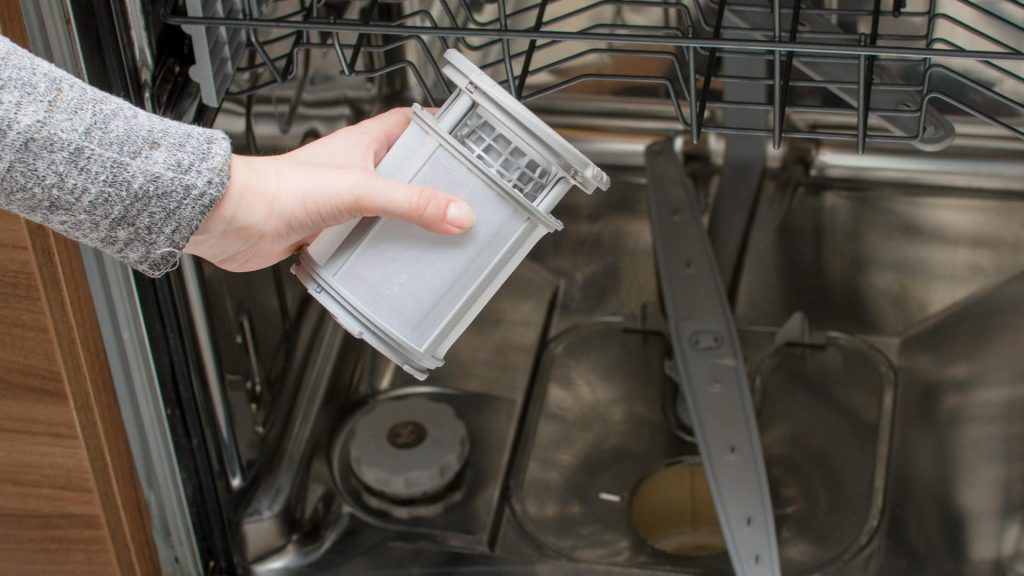
- Clean dishwasher filter thoroughly, removing all grease and food debris
- Pour boiling water down the kitchen drains to help dissolve grease buildup
- Run an empty hot water cycle with vinegar to clean internal components
Every Cycle Habits:
- Scrape excess grease from pots and pans before loading
- Run the kitchen faucet until hot before starting the dishwasher
- Use recommended detergent amounts for your water hardness
- Select hot water wash cycles when cleaning heavily soiled items
Annual Professional Care:
- Schedule drain line inspection and cleaning
- Have a plumber check the garbage disposal operation if connected to the dishwasher
- Consider professional drain camera inspection every 2 to 3 years to catch problems early
FAQs: Dishwasher Flooding Grease
Can I fix a grease clog causing dishwasher flooding myself?
Minor partial clogs may respond to boiling water, dish soap, and plunging. However, complete blockages causing flooding typically require professional drain cleaning with mechanical augers or hydro-jetting to fully remove hardened grease.
Does homeowners’ insurance cover dishwasher flooding damage?
Most homeowners’ insurance covers sudden and accidental water damage from appliance failures, including dishwasher flooding and grease events. Document everything thoroughly and contact your insurance company immediately. Professional restoration companies work directly with insurance adjusters to support your claim.
How long does it take to dry out water damage from dishwasher flooding?
Professional restoration typically achieves complete drying within 3 to 5 days, depending on the extent of water intrusion. DIY attempts take significantly longer and often fail to achieve proper drying, leading to mold problems weeks later.
Can dishwasher flooding cause mold?
Yes. Mold begins growing within 24 to 48 hours after materials become wet. Dishwasher flooding with grease provides both moisture and organic food sources (the grease itself plus food particles) that accelerate mold growth. Professional drying within 24 hours prevents mold development.
What is the average cost to repair a dishwasher with flooding damage?
Costs vary dramatically based on the extent and duration before discovery. Minor incidents caught immediately might cost 500 to 1,500 dollars for professional drying. Extensive flooding requiring floor replacement, cabinet restoration, and mold remediation can exceed 10,000 to 20,000 dollars.
Should I replace my dishwasher after flooding?
Not necessarily. If the flooding was caused by drain line clogs rather than a dishwasher malfunction, the appliance may be fine once the drains are cleared. However, if flooding damaged internal electrical components or if the machine is old, replacement might be more cost-effective than repair.
PuroClean of Burlington: Expert Water Damage Restoration After Dishwasher Flooding
When a dishwasher floods, grease disasters strike your Burlington, Kenosha, or Racine home, you need more than a mop and fan. You need IICRC-certified professionals who understand the unique challenges of grease-contaminated water damage and can prevent the mold growth, structural damage, and permanent losses that follow inadequate drying.
PuroClean of Burlington is a veteran-owned restoration company providing 24/7 emergency response for dishwasher flooding, grease, and all kitchen water damage emergencies throughout southeastern Wisconsin.
Our Emergency Dishwasher Flooding Services:
- Immediate 24/7 emergency response within 1 to 2 hours
- Industrial water extraction removes all standing water quickly
- Thermal imaging moisture detection finds hidden water damage
- Commercial structural drying prevents mold growth
- Grease contamination removal and antimicrobial treatment
- Complete damage documentation for insurance claims
- Direct insurance billing and claim support
- Cabinet and flooring restoration or replacement
- Odor elimination and air quality restoration
We understand the stress and disruption that dishwasher flooding with grease causes. Our team works efficiently to dry your home completely, prevent mold growth, and restore your kitchen to pre-loss condition while supporting your insurance claim every step of the way.
Dishwasher Flooding Emergency? Call Now for Immediate Help.
PuroClean of Burlington: 24/7 Water Damage Restoration
(262) 342-2226
Available 24 Hours | 7 Days a Week
Serving Burlington, Kenosha, Racine & Southeastern Wisconsin
Summary: Protecting Your Home from Dishwasher Flooding Grease
Dishwasher flooding, grease clogs develop gradually over months as cooking fats accumulate in drain lines, then strike suddenly when blockages become complete. Warning signs, including slow drainage, standing water after cycles, gurgling sounds, and greasy dishes, demand immediate attention before catastrophic flooding occurs.
When a dishwasher flooding grease, an immediate response is critical. Shut off water and power, extract standing water quickly, protect unaffected areas, document damage thoroughly, and call a professional water damage restoration within 24 hours to prevent permanent damage and mold growth.
Prevention through regular filter cleaning, proper dishwasher use, and annual professional drain maintenance protects your home from this expensive disaster. But if dishwasher flooding grease has already damaged your Burlington home, PuroClean of Burlington provides the expert restoration services you need.
Call (262) 342-2226 immediately for 24/7 emergency response to dishwasher flooding, grease, and all kitchen water damage emergencies throughout Burlington, Kenosha, Racine, and southeastern Wisconsin.
PuroClean of Burlington 📞 Call Now: (262) 342-2226 🕒 Available 24/7 — Because disasters don’t wait.
🔗 Quick Links: Instagram | Google Reviews & Directions | Facebook | Pinterest


 PuroClean of Burlington