 PuroClean of Burlington
Table of Contents
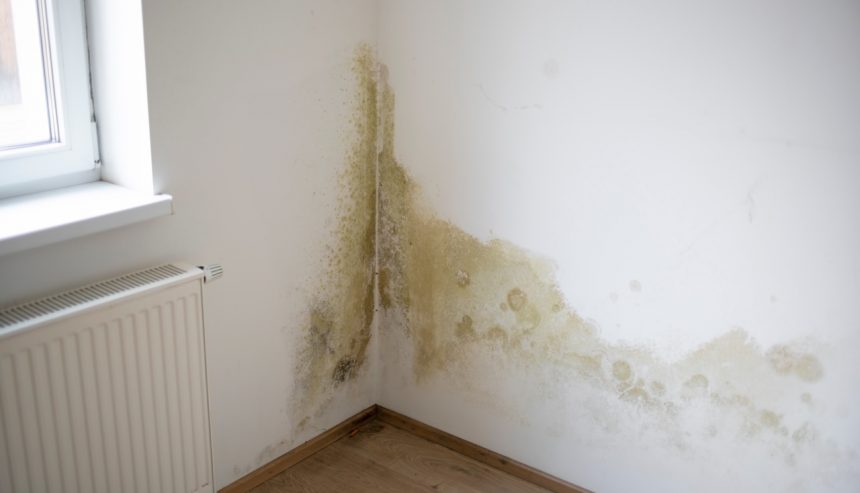
Yes, mold often smells like dirt, soil, or damp earth. This earthy odor comes from microbial volatile organic compounds (MVOCs) that mold releases as it grows and digests organic materials. However, “does mold smell like dirt” is only part of the story. Mold produces at least five distinct odor profiles, including musty, earthy, rotting, ammonia-like, and sweet smells, depending on the mold species, what surface it is growing on, and moisture conditions. Many homeowners miss hidden mold because they dismiss earthy smells as “just a basement smell” or “old house odor” when it actually signals active mold colonization requiring professional inspection and remediation.
You walk into your basement and catch that smell. Not quite musty, not exactly rotting, but earthy and damp, like soil after heavy rain. Your first thought might be that it is just what basements smell like. But then the question hits you: Does mold smell like dirt?
The short answer is yes, but that is not the complete picture. Understanding what mold actually smells like can be the difference between catching a small problem early and facing a costly remediation project months later. For homeowners in Burlington, Kenosha, Racine, and throughout Wisconsin, where humid summers and damp basements create perfect mold conditions, recognizing mold odors is critical.
Why Does Mold Smell Like Dirt? The Science Behind the Earthy Odor
Short answer: Mold smells like dirt because mold and soil bacteria both produce similar microbial volatile organic compounds (MVOCs) during decomposition. The earthy smell from mold comes from geosmin and 2-methylisoborneol, the same compounds that create the “petrichor” smell after rain. When you smell dirt in your home, you are actually smelling mold metabolizing organic materials.
When mold grows, it consumes whatever surface it colonizes, whether that is wood, drywall, insulation, or fabric. As mold digests these materials, it releases MVOCs. Two specific compounds create the earthy smell most people associate with dirt:
Geosmin: This compound produces the classic earthy, soil-like odor. The human nose can detect geosmin at concentrations as low as 5 parts per trillion, making it one of the most detectable odors we can perceive.
2-Methylisoborneol (MIB): This compound adds a musty, damp quality to the earthy base smell. Together with geosmin, it creates the characteristic “damp basement” odor that many homeowners wrongly dismiss as normal.
Soil bacteria produce these same compounds, which is why freshly turned earth and rain on dry ground smell similar to basement mold. The problem is that when you smell these compounds indoors, you are not smelling healthy soil. You are smelling active mold growth.
The 5 Most Common Mold Odors Homeowners Miss
Short answer: The five most common mold smells are earthy (like dirt or soil), musty (like old books or damp clothes), rotting (like decaying vegetation), ammonia-like (sharp and acrid), and sweet (oddly pleasant but concerning). Each odor profile indicates different mold species and growth conditions requiring professional identification.
1. Earthy and Soil-Like Smells
This is the classic answer to “does mold smell like dirt.” Mold producing geosmin creates odors identical to damp soil, fresh dirt, or a garden after rain.
Where you smell it: Basements, crawl spaces, under sinks, behind washing machines, and in poorly ventilated bathrooms.
What it indicates: Active mold growth on porous materials like wood, drywall, or insulation. The earthy smell often signals mold that has penetrated deep into building materials.
Why homeowners miss it: People dismiss earthy basement smells as “normal” for below-grade spaces. They think all basements smell like dirt, when actually, properly dry basements should have no odor at all.
2. Musty and Damp Odors
The musty smell is probably the most recognized mold odor, though homeowners still miss it frequently because it develops gradually.
What it smells like: Old books, damp towels left in a hamper, vintage clothing, thrift store odor, or wet cardboard.
Where you smell it: Closets with exterior walls, attics, guest rooms that stay closed, vintage furniture, and HVAC systems.
Why homeowners miss it: Musty smells develop so slowly that noses adapt. You stop noticing it after living with it for weeks. Visitors often comment on musty smells that homeowners no longer detect.
3. Rotting and Decaying Smells
This mold odor profile is less common but more urgent because it typically indicates severe moisture problems and advanced mold growth.
What it smells like: Rotting wood, decaying leaves, composting vegetation, or wet mulch.
Where you smell it: Around windows with water damage, under floors with plumbing leaks, in wall cavities behind bathrooms or kitchens, and in attics with roof leaks.
What it indicates: Advanced mold growth that has been decomposing building materials for an extended period. This smell often accompanies serious structural damage.
4. Ammonia-Like or Chemical Smells
Some molds produce sharp, acrid odors that smell chemical rather than organic.
What it smells like: Ammonia, cat urine, cleaning chemicals, or sharp acrid fumes.
Where you smell it: Bathrooms with poor ventilation, laundry rooms, kitchens under sinks, and any area with chronic moisture.
Why homeowners miss it: People often blame pets or assume the smell is from cleaning products rather than investigating mold.
5. Sweet or Oddly Pleasant Smells
This is the most deceptive mold odor because sweet smells do not trigger the same alarm response as foul odors.
What it smells like: Sweet, fruity, honey-like, fermenting fruit, or oddly pleasant but unidentifiable sweetness.
Where you smell it: Kitchens, pantries, areas near plumbing, HVAC returns, and spaces with hidden water damage.
Why homeowners miss it: Sweet smells are not perceived as threatening. People often ignore them or attribute them to food or air fresheners.
Where That “Dirt Smell” is Really Coming From in Your Wisconsin Home

Short answer: In Wisconsin homes, earthy mold smells most commonly originate from damp basements with foundation moisture intrusion, crawl spaces with poor vapor barriers, bathrooms with inadequate ventilation, HVAC systems with condensation problems, and attics with roof leaks.
Basements and Foundation Issues
Wisconsin’s clay-heavy soil retains moisture against foundation walls. When drainage is inadequate or foundation walls develop cracks, moisture seeps into basements, creating the perfect environment for mold that smells like dirt.
Crawl Spaces
Crawl spaces in Burlington and Racine area homes often lack proper vapor barriers, allowing ground moisture to evaporate into the space and condense on wood framing. This creates persistent dampness that homeowners describe as “that dirt smell.”
Bathrooms Without Proper Ventilation
When bathrooms lack functioning exhaust fans or windows, shower steam condenses on walls, ceilings, and in wall cavities. This creates hidden mold growth that produces earthy or musty smells long after visible moisture has dried.
HVAC Systems
When air conditioning units or furnaces develop condensation problems, moisture accumulates in ductwork. Mold growing in HVAC systems produces odors that circulate throughout the entire house.
Attics and Roof Leaks
Roof leaks in Wisconsin homes often go undetected for months because attics are rarely inspected. By the time homeowners smell the earthy odor filtering into living spaces, significant mold growth has already occurred.
When to Stop Asking “Does Mold Smell Like Dirt” and Call Professionals
Short answer: Call for professional mold inspection when earthy or musty smells persist despite cleaning and ventilation, when smells return repeatedly in the same location, when you cannot identify the odor source, when household members experience respiratory symptoms, or when you have had recent water damage of any kind.
Not every smell requires professional intervention, but certain warning signs demand expert assessment:
Persistent Odors Despite Cleaning: If you clean thoroughly, improve ventilation, and the earthy or musty smell returns within days or weeks, you have active mold growth that surface cleaning cannot address.
Smells That Appear Seasonally: Mold odors that appear every summer when humidity rises, or every spring after snowmelt, indicate moisture problems that worsen under specific conditions.
Unexplained Health Symptoms: If household members experience unexplained respiratory issues, persistent coughing, frequent sinus infections, or allergy symptoms that improve when away from home, hidden mold may be the cause.
Recent Water Events: Any time your home experiences flooding, plumbing leaks, roof leaks, or sewage backups, a professional mold inspection should follow within 48 to 72 hours.
FAQs: Does Mold Smell Like Dirt and Other Common Questions
Does bleach kill mold that smells like dirt?
Bleach kills surface mold on non-porous materials but does not penetrate porous materials like drywall, wood, or insulation where mold roots are embedded. Professional remediation is required for mold that has penetrated building materials.
Can I get rid of the mold smell without removing the mold?
No. Air fresheners and cleaning products only mask the mold smell temporarily. The odor returns because MVOCs continue to be released from active mold growth. Only proper mold remediation eliminates the smell permanently.
How do I know if the smell is mold or just dampness?
Dampness alone should not produce persistent odors. If you smell earthy, musty, or rotting odors consistently, mold is almost certainly present. Proper drying eliminates dampness smells within hours. Mold smells persist because the mold is embedded in materials.
Is the mouldy smell dangerous?
The smell itself is not dangerous, but it indicates active mold growth that may affect health. Mold exposure can cause respiratory irritation, allergic reactions, asthma attacks, and, in severe cases, infections in immunocompromised individuals.
Can you have mold without smell?
Yes. Some mold species produce minimal odors, and low-level mold growth may not produce detectable smells. Additionally, if you live with mold odors constantly, your nose adapts and stops detecting them. This is why visible inspection and testing are important even without obvious smells.
PuroClean of Burlington: Expert Mold Detection and Remediation
When you find yourself asking, “Does mold smell like dirt?” and the answer appears to be yes, you need certified professionals who can locate the source, identify the mold species, and eliminate it permanently.
PuroClean of Burlington is an IICRC-certified, veteran-owned restoration company specializing in mold inspection and remediation for homes throughout Burlington, Kenosha, Racine, and southeastern Wisconsin.
Our Mold Services Include:
- Professional mold inspection with moisture mapping and thermal imaging
- Air quality testing and mold species identification
- Complete mold remediation following IICRC S520 standards
- Source moisture elimination and prevention
- HEPA air filtration and antimicrobial treatment
- Post-remediation verification testing
- Comprehensive documentation for insurance claims
Smell Something Earthy or Musty? Get Answers Now.
PuroClean of Burlington: Professional Mold Inspection
(262) 342-2226
24/7 Emergency Service Available
Summary: Does Mold Smell Like Dirt? Yes, But That Is Just the Beginning
So does mold smell like dirt? Yes, many common household molds produce earthy, soil-like odors from the same compounds found in soil bacteria. But mold also smells musty, rotting, ammonia-like, or even sweet, depending on species and growth conditions. The critical takeaway is that persistent earthy, musty, or unexplained odors in your home almost always indicate active mold growth requiring professional attention.
For Wisconsin homeowners, the humid climate poses a constant mould risk. Dismissing basement dirt smells as “normal” or ignoring musty closet odors as “old house smell” allows small mold problems to become expensive disasters.
If you are asking yourself, “does mold smell like dirt?” about odors in your Burlington, Kenosha, or Racine home, trust your instincts. That smell is trying to tell you something. Call PuroClean of Burlington for professional mold inspection and get the answers you need.
PuroClean of Burlington 📞 Call Now: (262) 342-2226 🕒 Available 24/7 — Because disasters don’t wait.
🔗 Quick Links: Instagram | Google Reviews & Directions | Facebook | Pinterest
 PuroClean of Burlington