 PuroClean of Burlington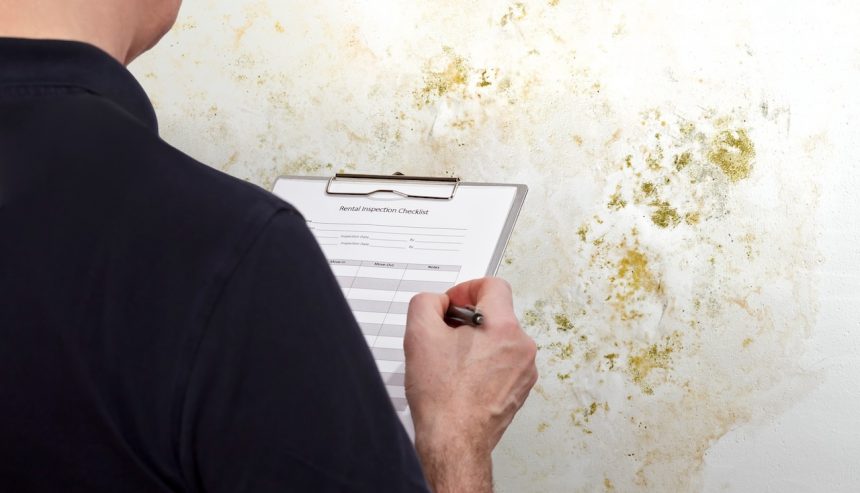
Table of Contents
In Wisconsin, who pays for mold depends on what caused it. Landlords are legally responsible for mold remediation when it results from structural issues, leaking roofs, plumbing failures, or maintenance neglect. Tenants may be responsible when mold grows due to their own negligence, like refusing to use exhaust fans, failing to report leaks promptly, or creating excessive moisture through improper ventilation. Under Wisconsin Statutes Chapter 704 and Wisconsin Administrative Code Chapter 134, landlords must maintain habitable rental properties, which includes addressing mold that affects health and safety. Understanding who pays for mold comes down to one question: what caused the moisture problem in the first place?
Mold is one of the most contentious issues between landlords and tenants in Wisconsin. You discover black spots spreading across your bathroom ceiling. Or maybe it is that musty smell coming from the closet that just will not go away. The question immediately becomes: who pays for mold removal?
For renters in Burlington, Kenosha, Racine, and throughout Wisconsin, the answer is not always clear-cut. Mold responsibility depends on multiple factors, the cause of the moisture, the lease agreement, how quickly problems were reported, and whether the landlord or tenant took reasonable prevention steps.
This guide breaks down exactly who pays for mold under Wisconsin law, what your rights and responsibilities are as either a landlord or tenant, how to document mold problems properly, and when professional mold remediation becomes necessary.
What Wisconsin Law Says About Who Pays for Mold
Short answer: Wisconsin law does not have mold-specific statutes, but landlords must maintain habitable properties under Wis. Stat. ch. 704 and Wis. Adm. Code ch. ATCP 134. This means landlords are responsible for fixing conditions — including mold — that materially affect tenant health and safety, especially when caused by structural defects or maintenance failures.
Wisconsin does not have specific mold laws written into housing codes the way some states do. However, that does not mean landlords can ignore mold problems. The state’s habitability laws cover mold indirectly but powerfully.
According to the Wisconsin Department of Health Services, landlords have a duty to keep rental premises in a reasonable state of repair and to make necessary structural repairs. When mold develops due to leaking roofs, burst pipes, foundation cracks, or any other building defect the landlord controls, the landlord is responsible for remediation — and that includes who pays for mold removal costs.
Tenants, on the other hand, are required to comply with building and housing codes that affect health and safety. They must use appliances reasonably, keep the premises relatively clean, and report problems promptly. If a tenant fails to use bathroom exhaust fans, blocks ventilation, or fails to report a leak they knew about, the tenant may be held responsible for resulting mold damage.
Key Wisconsin statutes that determine who pays for mold:
- Wis. Stat. § 704.07(2) — Landlord must keep the property in reasonable repair and comply with building codes affecting health and safety.
- Wis. Stat. § 704.07(3) — Tenant is responsible for damages they or their guests directly caused.
- Wis. Adm. Code § ATCP 134.04 — Requires landlords to maintain rental units in safe, sanitary condition and make necessary repairs.
When the Landlord Pays for Mold: 6 Clear Scenarios
Short answer: Landlords pay for mold when it results from structural issues, roof leaks, plumbing failures, HVAC problems, foundation moisture, or any building defect they control. Essentially, if the moisture source is part of the building’s infrastructure or results from deferred maintenance, who pays for mold is the landlord’s responsibility.
1. Roof Leaks and Water Intrusion
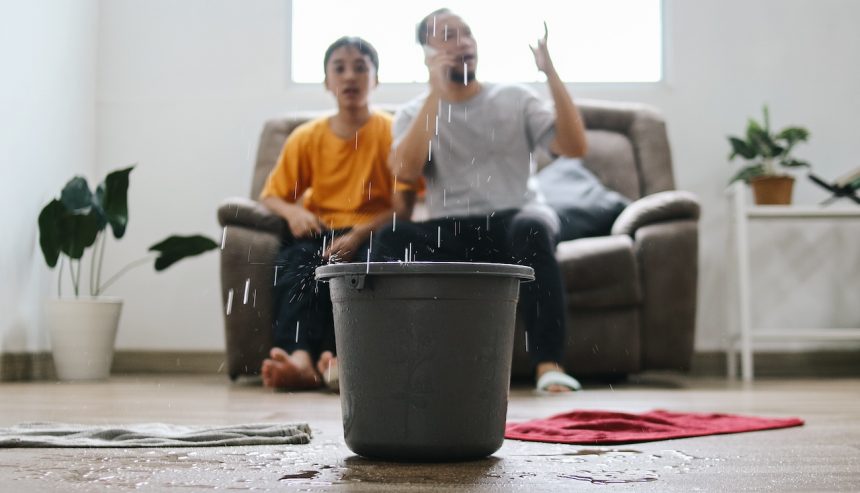
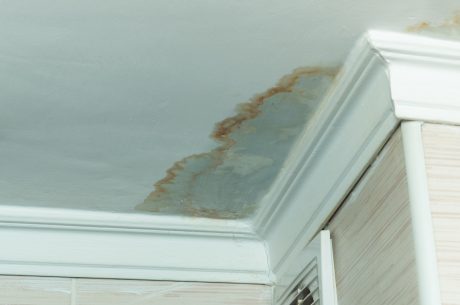
A leaking roof is a structural defect. If water comes through the ceiling and causes mold to grow on walls, ceilings, or belongings, the landlord is responsible. Even if the leak seems minor, failing to fix it promptly makes the landlord liable for resulting mold damage.
2. Plumbing Failures
Burst pipes, leaking water heaters, corroded plumbing behind walls, and toilet seal failures are all landlord responsibilities. When these plumbing issues create moisture that leads to mold growth, who pays for mold is clearly the landlord — provided the tenant reported the problem promptly and did not cause the plumbing failure through misuse.
3. HVAC and Ventilation System Defects
If the rental unit has inadequate ventilation, non-functioning exhaust fans that the landlord is responsible for maintaining, or an HVAC system that creates condensation and humidity problems, the resulting mold is the landlord’s responsibility.
4. Foundation and Structural Moisture Issues
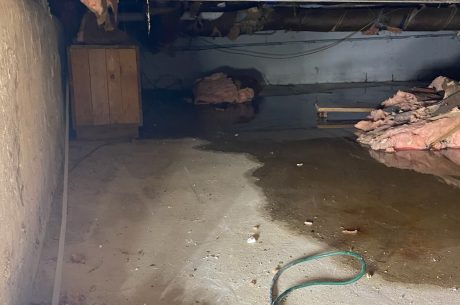
Basement flooding from foundation cracks, poor grading around the building, or lack of proper drainage systems are structural problems. Mold growing in basements or ground-floor units due to chronic moisture intrusion is the landlord’s liability.
5. Window and Door Seal Failures
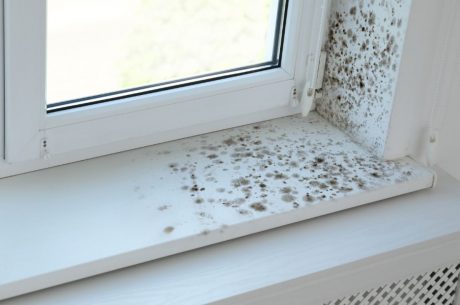
Windows that leak during rain, poorly sealed doors, or condensation problems caused by old, inefficient windows are building maintenance issues. When mold grows around window frames or on walls beneath windows due to water intrusion, the landlord pays for mold remediation.
6. Delayed Response to Tenant-Reported Problems
Even if the initial moisture problem was minor or ambiguous in responsibility, once a tenant reports it in writing, the landlord has a duty to investigate and repair within a reasonable timeframe. If the landlord delays and mold develops or worsens as a result, who pays for mold becomes the landlord’s obligation — regardless of the original cause.
When the Tenant Pays for Mold: 5 Common Situations
Short answer: Tenants pay for mold when it results from their own negligence or behavior — failing to use exhaust fans, blocking ventilation, creating excessive moisture, not reporting leaks, or causing water damage through carelessness. Who pays for mold in these cases falls on the tenant because they had control over the moisture source.
1. Failure to Use Provided Ventilation
If the landlord provided working bathroom exhaust fans and the tenant refuses to use them, resulting in mold growth from shower steam and humidity, the tenant may be held responsible. Similarly, keeping windows closed in units without air conditioning during humid months can create tenant-caused mold problems.
2. Unreported Leaks or Water Damage
If a tenant notices a small leak but does not report it to the landlord, and mold subsequently develops, the tenant may bear responsibility. Wisconsin law requires tenants to promptly notify landlords of conditions that affect habitability. Failure to report shifts the question of who pays for mold toward the tenant.
3. Blocking Airflow and Ventilation
Covering air vents, blocking air returns, or storing belongings directly against exterior walls in a way that traps moisture and prevents air circulation can create mold conditions. When tenant behavior directly prevents proper ventilation, the tenant may be liable for resulting mold.
4. Overwatering Indoor Plants or Aquariums
Excessive indoor moisture from hobbies, collections, or activities not typical for residential use can cause mold growth. Large numbers of plants, improperly maintained aquariums, or other water features that significantly increase indoor humidity may shift mold responsibility to the tenant.
5. Tenant-Caused Water Damage
Overflowing bathtubs, clogged toilets from misuse, washing machine hoses left disconnected, or spills not cleaned up promptly that lead to mold growth are the tenant’s responsibility. Under Wis. Stat. § 704.07(3), tenants are financially responsible for damages they or their guests directly cause.
How to Document Mold Problems: Critical Steps That Determine Who Pays for Mold
Short answer: Proper documentation is essential to determining who pays for mold. Take dated photos, send written notice to your landlord via email and certified mail, keep a timeline log, collect medical documentation if health effects occur, and save all correspondence. Without documentation, proving responsibility becomes nearly impossible.
Whether you are a tenant trying to hold your landlord accountable or a landlord defending against an unfair claim, documentation is everything. Here is exactly how to document mold problems in Wisconsin rentals:
- Take Photos and Videos with Timestamps. Document the mold with clear, dated photos showing the extent, location, and any visible moisture sources. Take photos from multiple angles. Include photos of the surrounding area to show context.
- Send Written Notice Immediately. Email your landlord describing the mold problem in detail. Follow up with a letter sent via certified mail with return receipt requested. This creates a verifiable record of when the landlord was notified — critical for determining who pays for mold if disputes arise.
- Create a Timeline Log. Maintain a simple written record: date you first noticed the problem, date you reported it, dates of any landlord visits or inspections, dates of follow-up communications, and dates of any worsening conditions.
- Save All Correspondence. Keep copies of every email, text message, letter, and repair request related to the mold problem. If the landlord makes verbal promises, follow up in writing to confirm: “Per our conversation today, you agreed to have the roof inspected by Friday.”
- Document Health Effects. If you or family members experience respiratory problems, allergic reactions, or other health issues you believe are mold-related, see a doctor and request that the symptoms be documented in your medical records. This evidence supports claims about the severity of the problem.
- Request Professional Inspection. Ask your landlord in writing to hire a certified mold inspector. If they refuse and the problem is serious, consider getting an inspection yourself and sending the report to your landlord. While you may have to pay upfront, this professional documentation can be critical evidence for determining who pays for mold.
- Contact Local Building Inspector. If your landlord fails to respond, contact your local building inspector or health department. They can conduct an official inspection and issue violations if necessary. This government involvement often motivates landlords to act and creates official records.
What To Do When Your Landlord Won’t Fix Mold: Wisconsin Tenant Rights
Short answer: If your Wisconsin landlord refuses to fix mold after written notice, you can file a complaint with DATCP, request a building inspection, potentially withhold rent following proper procedures, use the repair-and-deduct remedy in limited cases, or break your lease if conditions become uninhabitable. The answer to who pays for mold may ultimately be decided by DATCP or a court.
Wisconsin law provides tenants with several remedies when landlords fail to maintain habitable conditions, including unresolved mold problems:
File a DATCP Complaint
The Wisconsin Department of Agriculture, Trade and Consumer Protection (DATCP) handles landlord-tenant disputes. If your landlord has failed to fix a verified mold problem that affects habitability, file a complaint online. DATCP can investigate, mediate, and order compliance. This is often the most effective first step and does not require a lawyer.
Request a Building Inspection
Contact your local building inspector or health department and request an inspection. If they find code violations related to moisture, mold, or habitability, they can issue official notices requiring the landlord to make repairs. This creates a paper trail that definitively answers who pays for mold.
Withholding Rent (Use Caution)
Wisconsin law allows tenants to withhold rent when conditions materially affect habitability. However, this is legally risky. You must follow proper procedures, and if a court later decides you were wrong to withhold, you could face eviction. Always consult with a lawyer before withholding rent. Legal aid resources include Legal Action of Wisconsin and Judicare.
Repair and Deduct
In some situations, Wisconsin tenants can hire professionals to make necessary repairs and deduct the cost from rent. This remedy has strict limitations and requirements. Documentation is critical, and legal advice is strongly recommended before using this option.
Breaking the Lease
If mold problems make the rental unit truly uninhabitable and the landlord refuses to fix them after proper notice, you may be able to break your lease without penalty. However, you should get legal advice before moving out. If a court later decides the unit was still habitable, you could be liable for breaking the lease.
Preventing Mold Problems: Shared Responsibilities That Avoid Disputes Over Who Pays for Mold
Short answer: Prevention is the best way to avoid disputes about who pays for mold. Landlords should maintain roofs, plumbing, and ventilation systems proactively. Tenants should use exhaust fans, report problems immediately, maintain indoor humidity below 50%, and clean regularly. When both parties fulfill their responsibilities, mold rarely becomes an issue.
Landlord Prevention Checklist:
- Inspect roof and gutters annually; repair leaks promptly
- Service HVAC systems regularly and replace filters
- Ensure all bathroom and kitchen exhaust fans are functional
- Address plumbing leaks within 24-48 hours of being notified
- Maintain proper drainage and grading around the building
- Conduct move-in and move-out mold inspections with documentation
- Include mold prevention information in lease agreements
Tenant Prevention Checklist:
- Use bathroom exhaust fans during and for 20 minutes after showers
- Report any leaks, water stains, or moisture problems immediately in writing
- Maintain indoor humidity below 50% using dehumidifiers if necessary
- Clean bathrooms regularly to prevent surface mold
- Allow airflow around furniture, especially against exterior walls
- Wipe down condensation from windows promptly
- Document the unit’s condition with photos at move-in
FAQs: Who Pays for Mold in Wisconsin Rentals?
Q: Can a landlord charge me for mold that was there when I moved in?
A: No. If mold existed before your tenancy, you are not responsible for it. This is why move-in documentation with photos and written condition reports is so important. If you documented a clean, mold-free unit at move-in, the landlord cannot later claim you caused pre-existing mold.
Q: My lease says I’m responsible for all mold. Is this legal?
A: No. Wisconsin law prohibits landlords from requiring tenants to waive their rights to habitable housing. Even if your lease includes language making you responsible for all mold, that clause is likely unenforceable under Wisconsin law. Landlords cannot contract out of their duty to maintain safe, habitable conditions.
Q: How long does my landlord have to fix mold after I report it?
A: Wisconsin law does not specify an exact timeline, but repairs must be made within a “reasonable time” based on the severity. For serious mold affecting habitability, one to two weeks is generally considered reasonable. Minor surface mold might allow more time. The key is that the landlord must respond and act — not ignore the problem.
Q: Can I break my lease if there’s mold?
A: Potentially, yes — but only if the mold makes the unit truly uninhabitable and the landlord has failed to fix it after proper written notice. Document everything, seek legal advice before moving out, and understand that you may need to prove the uninhabitability in court if the landlord disputes it.
Q: Who pays for mold testing and inspection?
A: Wisconsin law does not specifically address this. Typically, if the landlord arranges the inspection as part of investigating a tenant complaint, the landlord pays. If a tenant wants independent testing, they usually pay upfront but may be able to recover costs if they later prove the landlord was responsible for the mold problem.
Q: Can I sue my landlord for mold-related health problems?
A: Yes, if you can prove the landlord’s negligence caused the mold and the mold caused your health problems. This requires medical documentation linking your symptoms to mold exposure and evidence showing the landlord knew about the problem and failed to fix it. Consult with a personal injury attorney for serious health claims.
Q: What if my landlord says the mold is “not that bad”?
A: The landlord does not get to unilaterally decide this. Request a professional inspection from a certified mold remediation company or contact your local building inspector. Their assessment carries far more weight than the landlord’s opinion when determining whether mold affects habitability and who pays for mold remediation.
When Professional Mold Remediation Is Necessary and Who Pays for Mold Services
Short answer: Professional mold remediation is necessary when mold covers more than 10 square feet, has grown inside walls or HVAC systems, keeps returning after cleaning, or causes health symptoms. IICRC-certified companies like PuroClean of Burlington provide proper containment, HEPA filtration, antimicrobial treatment, and moisture source elimination. Who pays for mold remediation services follows the same responsibility rules — landlord for structural issues, tenant for negligence-caused problems.
Small surface mold in showers and bathrooms can often be cleaned with consumer products. But significant mold problems require professional intervention. Here is when to call the experts:
- Mold covers more than 10 square feet (roughly a 3×3 area)
- Mold is inside walls, ceilings, or HVAC ductwork
- Mold has contaminated belongings, furniture, or building materials
- Mold returns quickly after cleaning
- Anyone in the household is experiencing respiratory symptoms, allergic reactions, or other health effects
- A water damage event (flood, burst pipe, sewage backup) has occurred
- A musty odor persists even after visible mold is cleaned
Professional mold remediation includes proper containment to prevent spreading spores, HEPA air filtration, antimicrobial treatment, removal of contaminated materials, source moisture elimination, and post-remediation verification. Attempting to clean significant mold yourself often makes the problem worse by spreading spores throughout the property.
PuroClean of Burlington: Professional Mold Remediation for Wisconsin Landlords and Tenants
When the question of who pays for mold turns into a serious health and property issue, both landlords and tenants in Burlington, Kenosha, Racine, and throughout Wisconsin need reliable, certified professionals who can solve the problem correctly.
PuroClean of Burlington is an IICRC-certified, veteran-owned property restoration company specializing in mold remediation for both residential and commercial properties. We work with landlords who need to maintain habitable properties and with tenants who need documentation proving the severity of mold problems.
Our Mold Remediation Services Include:
- 24/7 emergency response for water damage and mold emergencies
- Professional mold inspection and moisture mapping
- Complete containment and HEPA air filtration
- Safe removal of mold-contaminated materials
- Antimicrobial treatment and prevention
- Moisture source identification and repair coordination
- Detailed documentation for insurance claims and legal purposes
- Post-remediation verification and clearance testing
- Direct insurance billing and claim support
Whether you are a landlord facing a tenant mold complaint or a tenant dealing with a landlord who will not act, PuroClean of Burlington provides the professional assessment, documentation, and remediation services needed to resolve the situation properly. We understand Wisconsin landlord-tenant law and can provide the evidence both parties need when determining who pays for mold.
Mold Problem? Get Professional Help Now. Call PuroClean of Burlington 24/7: (262) 342-2226 Serving Burlington, Kenosha, Racine, Walworth County & All of Southeastern Wisconsin www.puroclean.com/burlington-wi-puroclean-burlington
Summary: Who Pays for Mold in Wisconsin Rentals?
The question of who pays for mold in Wisconsin rentals comes down to causation and responsibility. Landlords are responsible when mold results from structural defects, maintenance failures, or building system problems — roof leaks, plumbing failures, inadequate ventilation, or any moisture source within the landlord’s control. Tenants may be responsible when mold grows due to their own negligence, failing to use ventilation, not reporting problems promptly, or creating excessive moisture.
Under Wisconsin Statutes Chapter 704 and Administrative Code Chapter 134, landlords must maintain habitable rental properties, and tenants must use the property reasonably and report problems affecting health and safety. Proper documentation — photos, written notices, timelines, and professional inspections is critical to establishing who pays for mold when disputes arise.
Prevention is always better than litigation. Landlords should maintain their properties proactively and respond quickly to tenant reports. Tenants should use ventilation properly, report issues immediately in writing, and maintain reasonable humidity levels. When both parties fulfill their responsibilities, mold problems rarely escalate to the point where lawyers and lawsuits become necessary.
When professional mold remediation becomes necessary, IICRC-certified companies like PuroClean of Burlington provide the expertise, equipment, and documentation needed to resolve mold problems properly, regardless of who ultimately pays for mold remediation services.
PuroClean of Burlington 📞 Call Now: (262) 342-2226 🕒 Available 24/7 — Because disasters don’t wait.
🔗 Quick Links: Instagram | Google Reviews & Directions | Facebook | Pinterest
 PuroClean of Burlington