 PuroClean of Burlington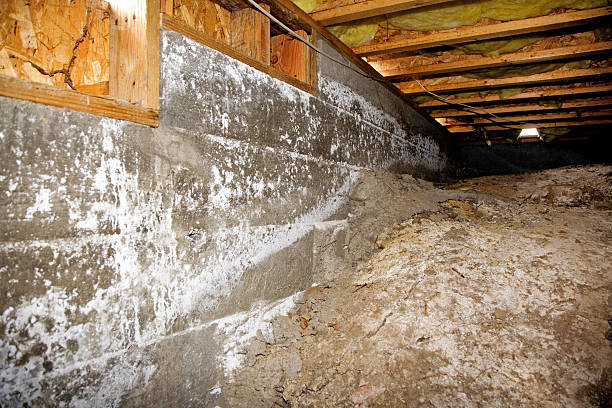
Table of Contents
A crawl space that smells like dirt is common in Wisconsin homes, but it should not smell like mold. Earthy, soil-like odor from exposed dirt floors is normal in unencapsulated crawl spaces. However, crawl space dirt smell mold develops when Wisconsin’s clay-heavy soil, high humidity, poor ventilation, and moisture intrusion create conditions where mold grows on wood joists, insulation, and organic materials.
If your crawl space smell is musty, intensifying over time, accompanied by visible mold growth, or causing health symptoms, it signals problematic mold requiring professional remediation. Wisconsin’s humid climate and common construction practices make crawl space dirt smell mold more prevalent than in drier states, but proper vapor barriers, ventilation, and encapsulation prevent this issue in most homes.
You open the crawl space access door and get hit with that smell. Earthy. Damp. Musty. Like soil and something else you cannot quite identify. Your first question: Is crawl space dirt smell mold normal in Wisconsin homes, or do I have a problem?
For homeowners in Burlington, Kenosha, Racine, and throughout Wisconsin, crawl space odors are incredibly common. But distinguishing between a normal earthy smell from exposed dirt and a problematic crawl space dirt smell and mold can be confusing. The difference matters because one is cosmetic while the other affects your health, your home’s structural integrity, and your indoor air quality.
This guide explains exactly what is normal for Wisconsin crawl spaces, when dirt smell transitions to mold smell, why Wisconsin homes are especially vulnerable, and what solutions actually work to eliminate crawl space dirt smell and mold permanently.
What Does a Normal Wisconsin Crawl Space Smell Like?
Short answer: Normal Wisconsin crawl spaces with exposed dirt floors smell earthy, like fresh soil, damp earth, or a garden after rain due to soil compounds, including geosmin released from exposed ground. This earthy crawl space smell is not mold. However, a normal crawl space smell should not be musty, rotting, or intensifying over time. If the earthy smell is mild, stable, and not accompanied by moisture problems or visible growth, it is typical for unencapsulated Wisconsin crawl spaces.
Understanding what is normal helps you recognize when crawl space dirt smell mold has developed:
The Earthy Soil Smell (Normal)
Many Wisconsin crawl spaces have exposed dirt floors, a construction practice common in homes built before modern building codes required vapor barriers. Exposed soil naturally produces earthy odors from:
Geosmin: An organic compound produced by soil bacteria that creates the characteristic “earthy” smell. This is the same compound that makes rain smell fresh when it hits dry ground.
Actinomycetes: Soil-dwelling bacteria that produce aromatic compounds, creating damp earth smell.
Natural soil minerals: Clay, organic matter, and mineral compounds in Wisconsin’s soil contribute subtle earthy notes.
This earthy crawl space smell from exposed dirt is normal and not inherently problematic. It is the smell of soil bacteria, not crawl space dirt smell mold.
What Normal Crawl Space Smell Should NOT Include
Even with exposed dirt floors, a normal crawl space smell should not include:
Musty, moldy odors suggesting biological growth on wood or materials
Rotting or decaying smells indicate organic matter decomposition
Intensifying odors that get stronger over time
Ammonia or urine-like smells suggest pest problems or different bacterial growth
Sweet or fermentation smells indicate active mold on specific substrates
Odors that permeate into living spaces above the crawl space
If your crawl space exhibits any of these characteristics, you likely have crawl space dirt smell, mold, not just a normal earthy soil odor.
When Does Crawl Space Dirt Smell Become Crawl Space Dirt Smell Mold?
Crawl space dirt smell transitions to crawl space dirt smell mold when moisture levels exceed 60 percent humidity, allowing mold to colonize wood joists, insulation, floor underlayment, and stored materials. Mold smell differs from dirt smell by being musty rather than earthy, intensifying over time, persisting year-round rather than seasonally, and often accompanied by visible mold growth, water staining, or wood deterioration. The transition happens when crawl space conditions shift from “dry dirt floor” to “chronic moisture problem.”
The Critical Distinction
Crawl Space Dirt Smell (Acceptable):
- Smells like fresh earth or garden soil
- Relatively stable intensity over time
- Primarily noticeable when the crawl space is accessed
- Not accompanied by moisture problems
- No visible mold growth on wood or materials
- Does not trigger respiratory symptoms
- Similar intensity year-round
Crawl Space Dirt Smell Mold (Problem):
- Smells musty, moldy, or like rotting vegetation
- Intensifies over time or seasonally
- Permeates into living spaces above
- Accompanied by high humidity or standing water
- Visible mold spots on joists, insulation, or subfloor
- Triggers allergic or respiratory reactions
- Worse during humid summer months
What Causes the Transition
Several factors cause the normal crawl space dirt smell to transition to crawl space dirt smell mold:
Moisture intrusion from plumbing leaks, foundation cracks, or poor drainage
High humidity exceeding 60 percent creates mold-supporting conditions
Poor ventilation traps moisture in crawl space
Ground water rising through the dirt floor during heavy rain or snowmelt
Condensation forms on cool surfaces when humid air enters crawl space
Vapor migration from soil carrying moisture into enclosed space
When these conditions exist, mold spores are always present in crawl spaces and germinate on wood joists, insulation, floor underlayment, and any organic materials. The result is crawl space dirt smell, mold that compounds the natural earthy odor with biological decay smell.
Why Wisconsin Crawl Spaces Are Especially Prone to Dirt Smell Mold
Wisconsin crawl spaces develop crawl space dirt smell, mold more frequently than homes in drier climates due to clay-heavy soil retaining moisture against foundations, high summer humidity reaching 70 to 90 percent, older construction lacking vapor barriers, seasonal moisture from snowmelt and spring rains, temperature fluctuations creating condensation, and common vented crawl space designs allowing humid outdoor air inside. These factors combine to create chronic moisture conditions perfect for mold growth.
Clay Soil and Moisture Retention
Much of Wisconsin, including Burlington, Kenosha, and Racine, sits on clay-heavy soil. Clay has several properties making crawl space dirt smell mold more likely:
High water retention: Clay absorbs and holds moisture far longer than sandy or loamy soils.
Poor drainage: Water saturates clay soil during rain or snowmelt and stays saturated for weeks.
Capillary action: Moisture from saturated clay wicks upward through the crawl space dirt floors into the air.
Foundation pressure: Saturated clay presses against foundation walls, forcing moisture through any cracks or porous concrete.
This moisture-retentive soil creates chronically damp crawl space conditions even weeks after rain events, supporting continuous crawl space dirt smell mold growth.
Wisconsin’s Humid Climate
Summer humidity in Wisconsin regularly reaches 70 to 90 percent. When humid outdoor air enters vented crawl spaces (a common design in older homes), it cannot remove moisture. Instead:
Humid air enters through vents designed to “ventilate” the crawl space.
Cool crawl space temperatures cause this humid air’s moisture to condense on wood joists, insulation, and other surfaces.
Condensation creates wetness, supporting crawl space dirt smell, mold growth.
Ventilation worsens the problem rather than solving it in humid climates.
This is why modern building science recommends sealed, conditioned crawl spaces in humid climates rather than vented designs.
Older Construction Practices
Many Wisconsin homes were built when construction standards differed significantly:
No vapor barriers: Homes built before the 1980s often have bare dirt crawl space floors with no plastic vapor barrier preventing soil moisture from entering the space.
Inadequate insulation: Older homes lack proper crawl space insulation, allowing temperature differentials that create condensation.
Vented foundation designs: Foundation vents were considered best practice for decades but actually worsen crawl space dirt smell mold in humid climates.
Wooden sill plates on concrete: Direct wood-to-concrete contact without moisture barriers creates ideal conditions for crawl space dirt, smell, and mold on crucial structural members.
Seasonal Moisture Events
Wisconsin experiences multiple seasonal moisture challenges:
Spring snowmelt: Rapid melting saturates soil and raises water tables, flooding many crawl spaces.
Spring rains: Heavy April and May precipitation compounds snowmelt saturation.
Summer storms: Severe thunderstorms deliver inches of rain in hours, overwhelming drainage systems.
Fall saturation: Heavy rains before the ground freezes create saturated soil going into winter.
Each event introduces moisture into crawl spaces. Without proper moisture control, crawl space dirt smell mold, establishes, and persists year-round.
Temperature Fluctuations
Wisconsin’s dramatic seasonal temperature swings create condensation cycles:
Summer: Hot, humid outdoor air enters cool crawl spaces, condensing on everything.
Winter: Warm household air leaks into cold crawl spaces, condensing on cold surfaces.
Spring/Fall: Daily temperature swings create repeated condensation and evaporation cycles.
These condensation cycles maintain moisture levels supporting crawl space dirt smell mold even when no active water intrusion exists.
Health Risks of Crawl Space Dirt Smell Mold
Short answer: Crawl space dirt smell mold poses health risks because approximately 50 percent of air in living spaces comes from crawl spaces through stack effect, carrying mold spores, mycotoxins, and volatile organic compounds into occupied areas. Exposure causes allergic reactions, respiratory irritation, asthma exacerbation, sinus infections, chronic coughing, headaches, and in severe cases affects immune-compromised individuals seriously. Children, the elderly, and those with existing respiratory conditions face the highest risk from crawl space dirt, and mold.
The Stack Effect: Why Crawl Space Air Matters
Most homeowners do not realize crawl space air quality directly affects indoor air quality in living spaces. The stack effect describes how air flows through homes:
Air enters lower levels, including crawl spaces, through gaps, vents, and cracks.
Air rises through the home due to temperature and pressure differences.
Air exits through upper levels via attic vents, chimneys, and upper-story gaps.
Studies show 40 to 50 percent of the air in first-floor living spaces originated in crawl spaces. This means crawl space dirt smell mold directly affects the air you breathe daily in your home.
Health Effects of Mold Exposure
When crawl space dirt smell mold releases spores and mycotoxins into air that enters your living space, health effects include:
Allergic Reactions:
- Sneezing and a runny nose
- Itchy, watery eyes
- Skin rashes and irritation
- Throat irritation
Respiratory Effects:
- Coughing and wheezing
- Difficulty breathing
- Asthma attacks in sensitive individuals
- Chronic bronchitis symptoms
Sinus and Upper Respiratory:
- Frequent sinus infections
- Nasal congestion
- Post-nasal drip
- Chronic sore throat
Systemic Effects:
- Headaches and migraines
- Fatigue and lethargy
- Difficulty concentrating
- General malaise
High-Risk Populations:
- Infants and young children
- Elderly individuals
- People with asthma or COPD
- Immunocompromised individuals
- Anyone with mold allergies
The longer crawl space dirt smell mold persists, the higher mold spore concentrations become in your home’s air, increasing health risk severity and frequency of symptoms.
How to Tell If Your Crawl Space Has Mold or Just Dirt Smell
Short answer: Inspect your crawl space for visible signs including black, green, or white spots on wood joists, fuzzy growth on insulation, water staining on foundation walls, efflorescence (white mineral deposits), standing water or damp soil, deteriorating wood, and musty odor intensifying near specific areas. Use a moisture meter to check humidity levels above 60 percent and wood moisture content above 20 percent, both indicating conditions supporting crawl space dirt smell mold. If health symptoms improve when away from home, crawl space dirt smell mold likely affects indoor air quality.
Visual Inspection Checklist
Enter your crawl space safely with proper lighting and protective equipment. Look for:
Wood Joists and Beams:
- Black, green, white, or orange discoloration
- Fuzzy or powdery growth on surfaces
- Wood that appears darker or stained
- Soft, spongy, or deteriorating wood
- White fungal growth (not just mineral efflorescence)
Insulation:
- Sagging or falling fiberglass insulation
- Visible mold growth on the insulation facing
- Discoloration or staining
- Wet or compressed insulation
Foundation Walls:
- Water staining above the dirt floor level
- White chalky deposits (efflorescence indicating moisture)
- Visible mold growth on concrete or block
- Cracks allowing water intrusion
Crawl Space Floor:
- Standing water or puddles
- Consistently damp or muddy soil
- No vapor barrier or damaged plastic sheeting
- Visible mold growing on exposed dirt (rare but possible)
Plumbing and Systems:
- Leaking pipes or dripping connections
- Condensation on cold water pipes
- HVAC ductwork with visible mold
- Wet areas beneath plumbing
The Smell Test
Normal dirt smell:
- Consistent throughout crawl space
- Earthy, soil-like quality
- Not particularly unpleasant
- Similar intensity year-round
Crawl space dirt smell mold:
- Stronger in specific areas near mold growth
- Musty, moldy, or rotting quality
- Unpleasant and offensive
- Intensifies during humid weather
Crawl into different areas of your crawl space. If smell intensifies dramatically near certain joists or corners, mold is likely growing in those locations.
Moisture Testing
Purchase an inexpensive hygrometer and moisture meter from hardware stores:
Humidity testing:
- Place hygrometer in crawl space for 24 hours
- Readings above 60% indicate mold risk
- Readings above 70% indicate active mold growth likely
Wood moisture testing:
- Test wood joists with moisture meter
- Readings above 20% indicate mold-supporting moisture
- Readings above 28% indicate active decay/mold
High moisture readings confirm conditions supporting crawl space dirt smell mold even if you cannot see visible growth yet.
The Health Symptom Test
Monitor whether household members experience:
Symptoms worsening at home and improving when away
Seasonal symptom patterns matching humid weather when crawl space dirt smell mold is most active
First-floor symptoms worse than upper floors
Improvement after spending time away from the house
If health patterns correlate with crawl space conditions, mold exposure from below is likely affecting indoor air quality.
Professional Solutions: Eliminating Crawl Space Dirt Smell Mold Permanently
Professional crawl space dirt smell mold remediation includes complete mold removal following IICRC S520 standards, moisture source elimination, vapor barrier installation creating sealed dirt floor, crawl space encapsulation with sealed vents and walls, dehumidification systems maintaining humidity below 55 percent, proper drainage and sump pump installation, and addressing foundation cracks or leaks. Encapsulation is the gold standard solution for preventing crawl space dirt smell mold recurrence in Wisconsin homes.
Step 1: Professional Mold Remediation
If crawl space dirt smell mold is established, remediation must occur before moisture control:
Containment: Physical barriers prevent mold spore spread into living areas during cleaning.
HEPA air filtration: Air scrubbers capture airborne spores during disturbance.
Mold removal: Contaminated materials (insulation, damaged wood) are safely removed.
Antimicrobial treatment: EPA-registered products kill mold on salvageable surfaces.
HEPA vacuuming: All surfaces thoroughly vacuumed removing residual spores.
Verification: Post-remediation testing confirms mold elimination before encapsulation.
Step 2: Moisture Source Elimination
Mold remediation fails without addressing moisture sources:
Plumbing repairs: Fix any leaking pipes, dripping connections, or condensation issues.
Foundation sealing: Repair cracks allowing water intrusion from outside.
Drainage improvement: Install or repair exterior drainage directing water away from foundation.
Sump pump installation: If water intrusion is chronic, sump pumps remove groundwater before it enters crawl space.
Downspout extensions: Ensure gutters discharge water at least 6 feet from foundation.
Step 3: Vapor Barrier Installation
Modern vapor barriers prevent soil moisture from entering crawl space air:
Heavy-duty plastic sheeting: 10-20 mil thick polyethylene covers entire dirt floor.
Sealed seams: All overlaps sealed with tape creating continuous moisture barrier.
Wall extensions: Vapor barrier extends up foundation walls 6-12 inches and sealed.
Penetration sealing: All posts, pipes, and penetrations are properly sealed.
This eliminates the earthy soil smell component and prevents ground moisture from supporting crawl space dirt smell and mold.
Step 4: Crawl Space Encapsulation
Encapsulation creates a sealed, conditioned space, preventing crawl space dirt smell mold:
Vent sealing: All foundation vents permanently sealed, preventing humid outdoor air entry.
Insulation: Rigid foam insulation applied to foundation walls (not floor joists).
Air sealing: All gaps, cracks, and penetrations sealed, preventing air exchange.
Conditioned air: Small amount of conditioned air from the HVAC or dedicated system is introduced.
Dehumidification: Crawl space dehumidifier maintains humidity below 55%.
Encapsulation is the most effective long-term solution for Wisconsin crawl space dirt smell mold, addressing all moisture sources simultaneously.
Step 5: Ongoing Monitoring and Maintenance
After remediation and encapsulation, maintenance prevents recurrence:
Annual inspections: Professional inspection checking for new moisture issues.
Dehumidifier maintenance: Empty, clean, and service dehumidifiers regularly.
Moisture monitoring: Hygrometer in crawl space alerts to humidity increases.
Drainage maintenance: Keep gutters clean and ensure drainage systems function properly.
DIY Prevention vs. When to Call Professionals
DIY prevention works for maintaining already-dry crawl spaces through basic vapor barrier installation, improving ventilation, addressing minor drainage issues, and running dehumidifiers. Professional help is necessary when visible crawl space dirt smell, mold exists, moisture problems are chronic or severe, structural damage is present, previous DIY attempts failed, or complete encapsulation is desired. Professionals provide expertise, proper materials, and warranties impossible to achieve with DIY approaches.
Effective DIY Prevention Measures
For crawl spaces without existing mold:
- Install a basic 6-mil vapor barrier over exposed dirt
- Ensure downspouts extend away from the foundation
- Run a consumer-grade crawl space dehumidifier
- Improve exterior grading sloping away from the home
- Seal obvious air leaks into the crawl space
- Monitor humidity with a hygrometer
These DIY measures prevent crawl space dirt smell and mold in homes without existing problems.
When Professional Help is Essential
Call professionals when:
- Visible crawl space dirt smell, mold growth exists
- Persistent musty odor despite DIY efforts
- Chronic standing water or moisture
- Structural wood shows deterioration or damage
- Health symptoms suggest mold exposure
- Previous water damage or flooding occurred
- Complete encapsulation desired
- Home sale inspection revealed crawl space issues
- The insurance claim involved
Professional crawl space dirt smell, mold remediation, and encapsulation provide:
Proper mold removal following IICRC standards, preventing cross-contamination
Industrial materials, including heavy-duty vapor barriers and insulation
Comprehensive solutions addressing all moisture sources simultaneously
Warranties protecting your investment and providing peace of mind
Expertise in identifying hidden moisture sources that DIY efforts miss
The cost difference between professional prevention and later remediation after crawl space dirt smell, mold damages structural members is significant. Investing in proper solutions upfront saves money long-term.
FAQs: Crawl Space Dirt Smell Mold in Wisconsin
Is it normal for crawl spaces to smell like dirt in Wisconsin?
Yes, mild earthy smell from exposed dirt floors is normal in unencapsulated Wisconsin crawl spaces. However, a musty or moldy smell beyond a simple soil odor indicates crawl space dirt smell mold requiring attention. Normal dirt smell should not intensify over time, permeate living spaces, or trigger health symptoms.
Can crawl space mold make you sick?
Yes. Approximately 50 percent of the air in living spaces comes from crawl spaces through the stack effect. Crawl space dirt smell mold releases spores and mycotoxins into the air, causing allergic reactions, respiratory irritation, asthma attacks, sinus infections, and other health effects, especially in children, the elderly, and immunocompromised individuals.
How much does crawl space encapsulation cost in Wisconsin?
Professional crawl space encapsulation in Wisconsin typically costs $5,000 to $15,000, depending on crawl space size, existing damage, moisture severity, and materials used. This includes mold remediation if needed, vapor barriers, insulation, vent sealing, and dehumidification systems. While significant upfront investment, encapsulation prevents structural damage and health costs exceeding this amount long-term.
Will a dehumidifier eliminate crawl space dirt smell mold?
A dehumidifier prevents new crawl space dirt smell and mold growth by maintaining humidity below 60 percent, but does not eliminate existing mold. Established mold requires professional remediation. After remediation, dehumidifiers are essential components preventing recurrence by controlling moisture levels.
Can I just seal the vents to fix crawl space moisture?
Sealing vents alone is insufficient and potentially harmful without comprehensive encapsulation. Sealed vents without vapor barriers, insulation, and dehumidification can trap moisture inside, creating worse crawl space dirt smell mold. Proper encapsulation requires multiple coordinated moisture control strategies implemented together.
How long does it take for mold to grow in a damp crawl space?
Mold can begin growing within 24 to 48 hours after materials become wet. In chronically damp Wisconsin crawl spaces with humidity above 60 percent, mold establishes continuously. Once conditions support growth, crawl space dirt smell mold colonies spread exponentially, doubling coverage every few days.
Does homeowners’ insurance cover crawl space mold remediation?
Coverage depends on the cause. Insurance typically covers crawl space dirt smell, mold resulting from sudden, accidental water damage like burst pipes. Mold from chronic moisture, poor maintenance, or gradual seepage is typically excluded. Review your policy and consult your agent about specific coverage. Professional restoration companies help document claims for covered events.
PuroClean of Burlington: Expert Crawl Space Mold Remediation for Wisconsin Homes
When crawl space dirt smell mold affects your Burlington, Kenosha, or Racine home, professional remediation and moisture control restore healthy conditions and prevent recurrence.
PuroClean of Burlington provides comprehensive crawl space mold remediation and encapsulation services specifically designed for Wisconsin’s challenging climate and soil conditions.
Our Crawl Space Services:
- Complete mold inspection and air quality testing
- Professional mold remediation following IICRC S520 standards
- Moisture source identification and elimination
- Heavy-duty vapor barrier installation
- Complete crawl space encapsulation
- Dehumidification system installation
- Foundation repair coordination
- Drainage and sump pump solutions
- Post-remediation verification testing
- Comprehensive insurance documentation
As an IICRC-certified, veteran-owned company, we understand that crawl space dirt smell mold is more than a cosmetic issue. It affects your family’s health, your home’s structural integrity, and your indoor air quality. Our team provides honest assessments, effective solutions, and warranties protecting your investment.
We serve Burlington, Kenosha, Racine, Waterford, Lake Geneva, and all southeastern Wisconsin communities with professional crawl space services.
Crawl Space Smells Like Mold? Get Professional Assessment.
PuroClean of Burlington: Crawl Space Mold Experts
(262) 342-2226)
IICRC-Certified | Veteran-Owned | 24/7 Emergency Service
Serving All Southeastern Wisconsin
Summary: Understanding Crawl Space Dirt Smell Mold in Wisconsin
Crawl space dirt smell is normal in Wisconsin homes with unencapsulated dirt floors, but crawl space dirt smell mold is not. Understanding the difference protects your health and your home.
Normal crawl space smell is mild, earthy, and stable over time, coming from soil bacteria in exposed dirt. Crawl space dirt smell mold develops when Wisconsin’s clay soil, high humidity, poor ventilation, and moisture intrusion create conditions supporting mold growth on wood joists, insulation, and materials.
Wisconsin crawl spaces are especially prone to crawl space dirt smell mold due to moisture-retentive clay soil, humid summers, older construction lacking vapor barriers, seasonal moisture events, and temperature fluctuations creating condensation. These factors combine creating chronic moisture perfect for mold.
Health risks are significant because the stack effect draws crawl space air into living spaces, carrying mold spores, mycotoxins, and volatile compounds throughout your home. Children, the elderly, and respiratory-sensitive individuals face the highest risk.
Professional solutions, including mold remediation, vapor barriers, and complete encapsulation, eliminate crawl space dirt smell and mold permanently while preventing recurrence. While DIY prevention works for maintenance, existing mold and chronic moisture require professional expertise.
If your Burlington, Kenosha, or Racine crawl space exhibits musty odors, visible mold growth, high humidity, or causes health symptoms, call PuroClean of Burlington at (262) 342-2226 for professional inspection and comprehensive crawl space solutions.
PuroClean of Burlington 📞 Call Now: (262) 342-2226 🕒 Available 24/7 — Because disasters don’t wait.
🔗 Quick Links: Instagram | Google Reviews & Directions | Facebook | Pinterest
 PuroClean of Burlington